TL;DR
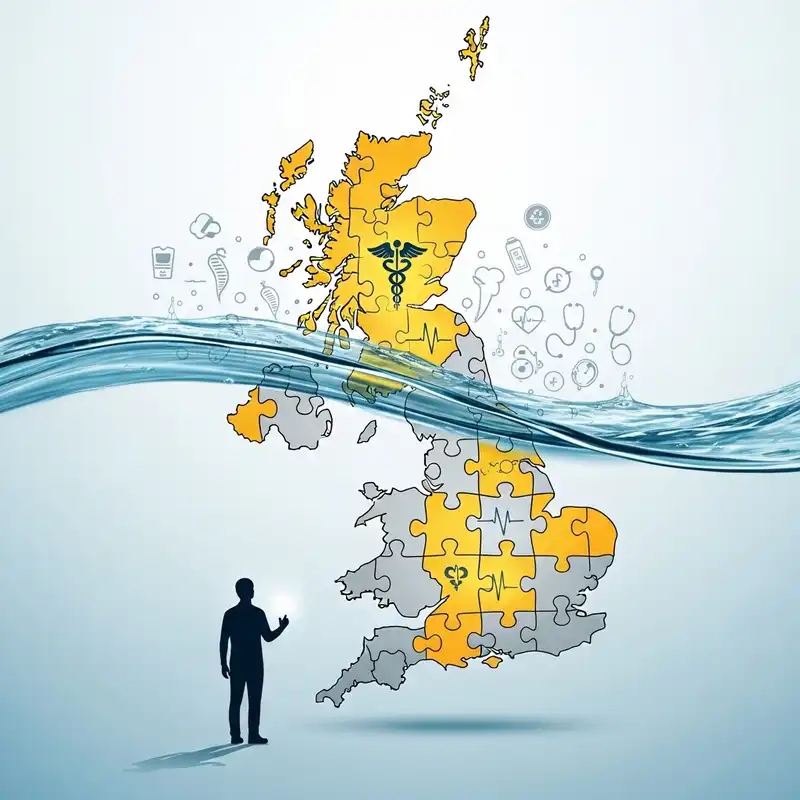
A seismic shift is underway in the United Kingdom, one that isn't measured in economic forecasts or political polls, but in the quality of our years. We are living longer than ever before, a testament to medical progress. But a growing chasm is opening up between our lifespan and our healthspanthe number of years we live in good health.
Key takeaways
- Domiciliary Care (at home) (illustrative): A typical cost is 25-35 per hour. Just two hours of help per day can cost over 20,000 per year.
- Residential Care Home (illustrative): The average cost in the UK is now over 1,000 per week, or 52,000 per year.
- Nursing Home (with specialist medical care) (illustrative): This can easily exceed 1,500 per week, or 78,000 per year.
- Clears the Mortgage: Imagine receiving a cheque for 250,000. Your single biggest monthly outgoing is gone, forever. This instantly relieves immense financial pressure.
- Funds Private Treatment: Facing a long NHS waiting list for surgery or treatment? A CIC claim payment can give you the option to go private, potentially speeding up your recovery and improving your outcome.
UK Healthspan Crisis £1.5m Risk
A seismic shift is underway in the United Kingdom, one that isn't measured in economic forecasts or political polls, but in the quality of our years. We are living longer than ever before, a testament to medical progress. But a growing chasm is opening up between our lifespan and our healthspan—the number of years we live in good health.
Fresh analysis based on 2025 projections from the Office for National Statistics (ONS) and Public Health England reveals a stark and unsettling reality: the average Briton can now expect to spend over a decade of their later life battling chronic illness.
This isn't just a health crisis; it's a financial catastrophe in the making. The decade of poor health creates a devastating financial vortex, with a potential lifetime cost exceeding £1.5 million per individual. This staggering figure is a combination of lost earnings from premature retirement, crippling long-term care costs that the state does not cover, and the systematic erosion of wealth that was meant to be a family legacy.
While we diligently insure our homes, cars, and holidays, we are leaving our single greatest asset—our ability to earn an income and live independently—dangerously exposed. This article unpacks the scale of this national challenge and explores the critical role of a powerful, often overlooked financial toolkit: Life, Critical Illness, and Income Protection (LCIIP) insurance. This is your unseen defence against the unforeseen and devastating costs of living longer, but not healthier.
The Great Uncoupling: Lifespan vs. Healthspan in Modern Britain
For generations, the goal was simple: a longer life. We've achieved it. A baby born in 2025 has a life expectancy well into their 80s. But this headline figure masks a more complex and worrying trend.
- Lifespan: The total number of years you live.
- Healthspan: The number of years you live in good health, free from disabling or chronic illness.
The critical issue is that while our lifespan has been stretching, our healthspan has not kept pace. The result is a growing period of morbidity—years spent managing illness, disability, and declining independence.
Table 1: UK Projected Lifespan vs. Healthy Life Expectancy at Birth (2025)
| Metric | Male | Female |
|---|---|---|
| Life Expectancy | 80.1 years | 83.8 years |
| Healthy Life Expectancy | 67.9 years | 68.7 years |
| Years in Poor Health | 12.2 years | 15.1 years |
Source: Projections based on ONS and Public Health England data trends.
This data illustrates that, on average, a woman can expect to spend over 15 years in a state of poor health, with men facing over 12 years. These are not just statistics; they represent decades of GP visits, hospital appointments, daily medication, and a reduced ability to enjoy the retirement people work their entire lives to fund.
What's Driving the Decline in Healthspan?
This isn't about exotic, rare diseases. The primary drivers of the healthspan gap are chronic, long-term conditions that develop over many years, often linked to lifestyle, but also simply a consequence of living longer.
The "big four" categories of chronic illness leading this charge are:
- Cardiovascular Diseases: Including heart attacks, strokes, and coronary heart disease. While mortality rates have fallen, the number of people living with these conditions has soared.
- Cancers: Advances in treatment mean more people than ever survive cancer. However, survival often comes with long-term side effects, the need for ongoing monitoring, and a significant impact on physical and mental wellbeing.
- Musculoskeletal Disorders: Conditions like osteoarthritis, chronic back pain, and rheumatoid arthritis are now the leading cause of work disability in the UK, forcing millions out of the workforce prematurely.
- Dementia & Neurological Conditions: With an ageing population, the prevalence of Alzheimer's and other forms of dementia is increasing, creating a huge need for intensive, long-term care.
These conditions don't just happen overnight. They creep up, gradually eroding health, independence, and, as we will now explore, financial security.
Deconstructing the £1.5 Million Burden: The True Cost of Poor Health
The £1.5 million figure may seem shocking, but it becomes terrifyingly plausible when you dissect the financial consequences of a decade-long health decline. It's a triple-pronged assault on your financial life. (illustrative estimate)
1. The Catastrophe of Lost Income
Your ability to earn an income is the engine of your entire financial world. It pays the mortgage, funds your pension, and supports your family. A serious illness can switch that engine off, often permanently and years before you planned.
Consider a 50-year-old marketing manager earning the UK average salary of £35,000. A diagnosis of severe arthritis or a stroke forces them to stop working. They had planned to retire at 67. (illustrative estimate)
- Lost Gross Salary (illustrative): 17 years x £35,000 = £595,000
- Lost Employer Pension Contributions (illustrative): Assuming a 5% employer contribution, that's another £29,750 lost from their retirement pot.
- Lost Promotions & Pay Rises (illustrative): Factoring in modest annual pay rises of 2%, the total lost income figure easily climbs towards £700,000.
Now, imagine this person was a higher earner, perhaps a solicitor or IT consultant on £70,000. The lost income alone spirals past £1.2 million. This doesn't even account for the second-order effect: if a spouse or partner has to reduce their hours or quit their job to become a carer, the family's income is decimated. (illustrative estimate)
Table 2: Estimated Total Lost Income from Premature Retirement at Age 55 (to State Pension Age 67)
| Annual Salary | Basic Lost Salary | Estimated Total Loss (inc. pension & promotions) |
|---|---|---|
| £30,000 | £360,000 | £450,000+ |
| £50,000 | £600,000 | £750,000+ |
| £75,000 | £900,000 | £1,100,000+ |
| £100,000 | £1,200,000 | £1,500,000+ |
Note: These are illustrative estimates and do not account for tax or inflation.
2. The Crushing Weight of Unfunded Care Costs
This is the financial time bomb that most families are completely unprepared for. The NHS provides brilliant medical care, but it does not pay for social care. If you need help with daily activities like washing, dressing, or eating—whether at home or in a care facility—you are expected to pay for it yourself until your assets are depleted to a very low level.
The costs are eye-watering and relentless.
- Domiciliary Care (at home) (illustrative): A typical cost is £25-£35 per hour. Just two hours of help per day can cost over £20,000 per year.
- Residential Care Home (illustrative): The average cost in the UK is now over £1,000 per week, or £52,000 per year.
- Nursing Home (with specialist medical care) (illustrative): This can easily exceed £1,500 per week, or £78,000 per year.
The government's means test for social care is brutal. In England, if you have assets (savings and property) over £23,250, you are expected to fund the full cost of your care. The family home is often the first and only asset large enough to cover these fees. (illustrative estimate)
A ten-year period of requiring care could therefore cost:
£52,000 (annual care home cost) x 10 years = £520,000 (illustrative estimate)
When you add a potential £750,000 in lost income to £520,000 in care costs, the £1.5 million figure starts to look not just plausible, but conservative.
3. The Erosion of Your Legacy
The combined impact of lost income and care costs acts like a powerful acid on your life's savings. The money meticulously saved in ISAs, the pension pot carefully nurtured over decades, and the value locked in the family home—all are vulnerable.
This isn't just a financial loss. It's the loss of a promise. The inheritance you planned to leave your children, the financial security you wanted for your spouse, the legacy of a lifetime's work—it can all be consumed by the costs of a long-term illness. The emotional toll of watching your legacy evaporate to pay for basic care is immeasurable.
The LCIIP Shield: Your Financial First Responders
Faced with such a daunting financial risk, it's easy to feel powerless. But you are not. A robust, well-structured financial protection plan acts as a powerful shield, specifically designed to intervene at the point of crisis. This shield has three core components: Critical Illness Cover, Income Protection, and Life Insurance.
Table 3: The Three Pillars of Financial Protection
| Protection Type | What It Is | When It Pays | What It's For |
|---|---|---|---|
| Critical Illness Cover | A policy that pays a one-off, potentially tax-efficient lump sum. | On diagnosis of a specific, serious illness listed in the policy (e.g., cancer, heart attack, stroke). | Clearing debts (mortgage), paying for private treatment, home adaptations, replacing income for a period. |
| Income Protection | A policy that pays a regular, potentially tax-efficient monthly income. | When you are unable to work due to any illness or injury after a pre-agreed waiting period. | Replacing your lost salary to cover day-to-day living costs, bills, and mortgage payments. |
| Life Insurance | A policy that pays a one-off, potentially tax-efficient lump sum. | On the policyholder's death. | Clearing debts, providing a legacy for loved ones, covering funeral costs, inheritance tax planning. |
Let's explore how each component directly counteracts the financial devastation of the healthspan crisis.
Critical Illness Cover (CIC): Your Financial Fire Extinguisher
Think of CIC as your emergency capital. When a major health crisis strikes, like a cancer diagnosis or a heart attack, this policy injects a significant, potentially tax-efficient sum of money into your life precisely when you need it most.
How it helps:
- Clears the Mortgage: Imagine receiving a cheque for £250,000. Your single biggest monthly outgoing is gone, forever. This instantly relieves immense financial pressure.
- Funds Private Treatment: Facing a long NHS waiting list for surgery or treatment? A CIC claim payment can give you the option to go private, potentially speeding up your recovery and improving your outcome.
- Buys You Time: The claim payment can replace your income for a year or two, allowing you to focus completely on your recovery without the stress of worrying about bills.
- Pays for Home Adaptations: Need a stairlift, a walk-in shower, or a wheelchair ramp? A CIC claim payment may cover these costs without you needing to raid your savings.
Real-Life Scenario: Sarah, a 48-year-old graphic designer, is diagnosed with breast cancer. Her Critical Illness policy may pay out £150,000. She uses £80,000 to clear the small remaining mortgage on her flat, puts £20,000 aside for potential private consultations and complementary therapies, and uses the remaining £50,000 to live on for 18 months, allowing her to take a complete break from work during her gruelling treatment and recovery.
Income Protection (IP): The Bedrock of Your Financial Plan
If CIC is the fire extinguisher, Income Protection is the sprinkler system. It's designed to manage long-term disruption. It is, without a doubt, the most important financial protection policy for any working adult, because it protects your income stream itself.
If an illness or injury (anything from chronic back pain to mental health issues to cancer) stops you from working, IP kicks in after a pre-agreed "deferment period" (e.g., 3 or 6 months). It then pays you a regular monthly income, like a salary, until you can return to work, or until the policy ends (typically at your retirement age).
How it helps:
- Maintains Your Lifestyle: It covers your essential outgoings—bills, food, mortgage, car payments. Your life can continue with a semblance of normality.
- Protects Your Pension & Savings: Because your day-to-day costs may be covered, you don't need to stop your pension contributions or start draining your hard-earned savings.
- Reduces Stress: The psychological benefit is immense. Knowing you have a financial safety net allows you to focus on getting better, rather than panicking about how to pay the next gas bill.
Real-Life Scenario: Mark, a 42-year-old electrician, suffers a serious fall, resulting in chronic back pain that prevents him from continuing his manual trade. His employer's sick pay runs out after 4 months. Thankfully, his Income Protection policy, with a 3-month deferment period, starts paying him £2,000 a month. This income continues for the next 8 years as he retrains in a new, office-based role, providing a vital bridge that prevents financial ruin for his family.
Life Insurance: Securing Your Legacy
Life Insurance plays a crucial final role. In a scenario where a long-term illness has depleted savings and potentially part of the property's value to pay for care, a life insurance claim payment on death acts as a "legacy replacement".
It ensures that despite the financial ravages of your illness, your family is not left with debts and can still receive the inheritance you always wanted them to have. It provides the funds to clear any remaining mortgage, cover final expenses, and leave a meaningful sum for your children's future, safeguarding your legacy.
Beyond the Claim payment: The Hidden Value of Modern Protection Policies
One of the most significant evolutions in the insurance industry is the shift from simply providing a cheque to offering a holistic support system. Modern LCIIP policies from major UK insurers now come bundled with an array of "value-added services," often available from day one of the policy, at no extra cost.
These services can actively help you manage your health and improve your healthspan, not just cushion the financial blow.
- 24/7 Virtual GP: Get a video consultation with a GP anytime, anywhere, from your smartphone. This means no more waiting weeks for an NHS appointment for a worrying symptom.
- Second Medical Opinion: If you receive a serious diagnosis, the insurer can arrange for your case to be reviewed by a world-leading expert, giving you peace of mind about your diagnosis and treatment plan.
- Mental Health Support: Access to confidential counselling sessions, therapy apps, and support lines. This is vital, as a serious physical diagnosis often triggers significant mental health challenges.
- Physiotherapy & Rehabilitation: Many Income Protection policies include access to physiotherapy and vocational rehabilitation services to help you manage musculoskeletal conditions and get you back to work faster.
WeCovr specialists or broker partners passionately believe in this proactive approach to wellbeing. We go a step further for our clients because we understand that prevention and healthy living are the first line of defence. That's why all our protection clients receive complimentary access to CalorieHero, our exclusive AI-powered nutrition and calorie tracking app. It's a simple, effective tool to help you build the healthy habits that can improve your long-term healthspan, demonstrating our commitment to your wellbeing beyond just the policy.
Navigating the Market: How to Build Your Personal LCIIP Shield
Understanding the threat is the first step. Taking action is the second. Building your LCIIP shield doesn't have to be complicated, but it requires careful thought.
How Much Cover Do I Need?
There are no hard-and-fast rules, but here are some professional rules of thumb:
- Life Insurance: Aim to cover 10x your annual gross salary, or enough to clear your mortgage and any other major debts.
- Critical Illness Cover: A good starting point is to cover your mortgage, plus enough to replace your income for 2-4 years to give you a significant recovery window.
- Income Protection: You can typically insure up to 60-70% of your gross annual income. This is usually sufficient to cover your essential outgoings, as the claim payment is potentially tax-efficient.
The Importance of an Expert Adviser
While you can buy some products directly, the world of protection insurance is riddled with complex definitions, exclusions, and variations between providers. What constitutes a "heart attack" or "cancer" can differ subtly but significantly from one insurer to another.
This is where a regulated expert broker becomes indispensable.
An adviser's job is to understand your personal circumstances, family situation, budget, and health. They can then search the available market to find the most suitable policies. A specialist at WeCovr or one of our broker partners can be invaluable. We don't just sell policies; we provide expert guidance, comparing options from all major UK insurers to find the cover that truly fits your life and budget. Our role is to demystify the jargon, help you with the application, and ensure your financial shield is robust, reliable, and there for you at the moment of truth: the claim.
Common Misconceptions & FAQs
Myths and misunderstandings often prevent people from getting the protection they desperately need. Let's bust some of the most common ones.
Q: "It's too expensive. I can't afford it." A: The real question is, can you afford not to have it? For a healthy 35-year-old, a comprehensive plan providing £250,000 of life and critical illness cover plus £2,000 a month of income protection can cost less than a daily coffee and sandwich. The cost of being uninsured in a crisis could be your home and your entire financial future. (illustrative estimate)
Q: "Insurers never pay out. It's a scam." A: This is one of the most persistent and damaging myths. The latest data from the Association of British Insurers (ABI) for 2024 shows that insurers paid out 97.3% of all protection claims. The vast majority of the tiny percentage of declined claims are due to "non-disclosure"—the applicant not being truthful about their health or lifestyle on the application form. Be honest, and the policy may pay.
Q: "I get sick pay from my employer, so I'm covered." A: Check your contract carefully. Most employer sick pay schemes are far less generous than people assume. It's common to receive full pay for just 1-3 months, followed by a period on half-pay, before it stops completely. A long-term illness will almost certainly outlast your employer's generosity.
Q: "The NHS will look after me." A: The NHS is a medical service, not a financial one. It can provide the treatment, but it cannot pay your mortgage, buy your food, or cover your bills while you're unable to work. LCIIP is designed to cover the financial consequences of illness, which the NHS does not touch.
Your Health, Your Wealth: Taking Control of Your Future
The data is clear. The UK is facing a profound healthspan crisis, creating a multi-trillion-pound financial risk at a national level, and a £1.5 million+ risk at an individual one. Living longer is a gift, but only if we can afford to enjoy those extra years in dignity and security, regardless of our health. (illustrative estimate)
Relying on the state, your employer, or luck is no longer a viable strategy. The responsibility to build financial resilience rests with each of us. The good news is that the tools to do so are accessible, affordable, and more effective than ever before.
A well-structured plan of Life Insurance, Critical Illness Cover, and Income Protection is not a luxury; it is a fundamental component of modern financial planning. It is the shield that protects your income, your home, your family, and your legacy from the devastating financial impact of a long-term illness.
Don't wait for a health crisis to reveal the cracks in your financial foundations. The time to act is now, while you are healthy and the cost is low. Take control of your health, and take control of your wealth. The first step is a simple conversation. Understanding your risks is the key to mitigating them and securing your future.
Sources
- Office for National Statistics (ONS): Mortality and population data.
- Association of British Insurers (ABI): Life and protection market publications.
- MoneyHelper (MaPS): Consumer guidance on life insurance.
- NHS: Health information and screening guidance.
Important Information and Risks
No advice: This article is for general information only. It is not financial, legal, insurance, or tax advice, and it is not a personal recommendation. WeCovr does not assess your individual circumstances or recommend a specific product through this article.
Policy exclusions and underwriting: Insurance policies, including life insurance, private medical insurance, critical illness cover, and income protection, are subject to insurer underwriting, eligibility, acceptance criteria, terms, conditions, limits, and exclusions. Pre-existing medical conditions may be excluded, restricted, or accepted on special terms unless an insurer confirms otherwise in writing.
Tax treatment: References to tax treatment, HMRC rules, or business reliefs are based on current UK legislation and guidance, which can change. Tax treatment depends on your personal or business circumstances and may differ from examples in this article.
Before you buy: Always read the Insurance Product Information Document (IPID), policy summary, and full policy terms before buying, renewing, changing, or keeping cover. If you are unsure whether a policy is suitable for you, speak to an insurance adviser.
Measure your family’s protection gap, then get the right life cover quote
Start with the score to see whether your family would face a real financial shortfall before moving on to life cover options.
Check what happens if someone dies too soon
See whether debt, dependants and mortgage risk are covered
Move into tailored life cover options after the score
Get your score
Your next best move
Get your score in minutes, then decide what kind of protection help would be most useful.
Score your household protection
See how well your current setup protects dependants, debt and major commitments.
Find the shortfall
Know whether life cover, critical illness or income protection is the actual missing piece.
Continue to tailored life cover
If life cover is the gap, continue to tailored life cover options.
What you get
A quick view of your current protection position
A clearer idea of where the biggest gaps may be
A direct route to tailored help if you want it