TL;DR
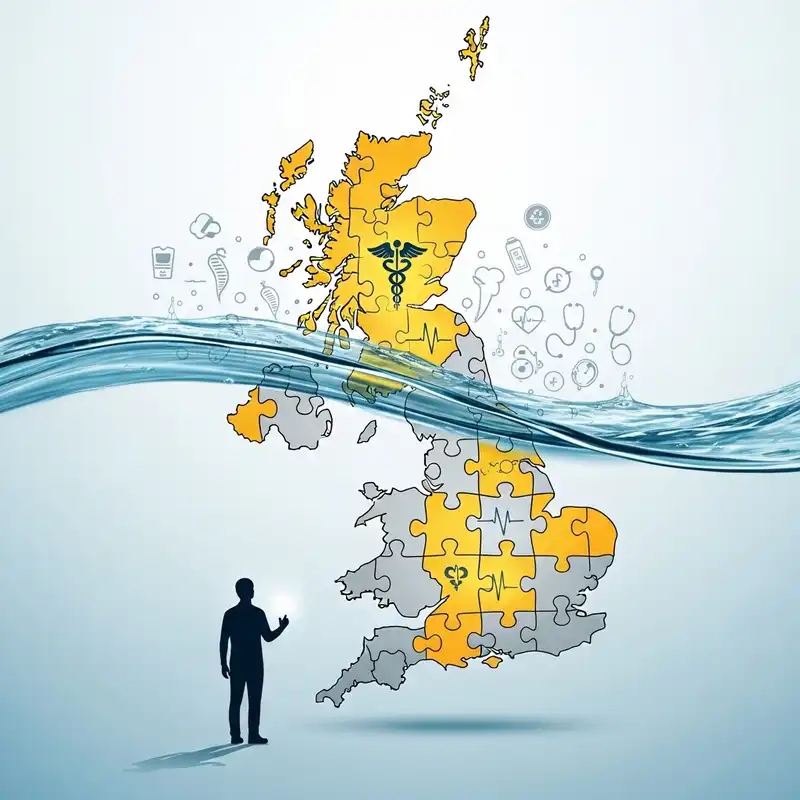
A seismic shift is underway in the United Kingdom, one that doesn't register on stock tickers or in political polls but is quietly eroding the future of millions. Its the UK's escalating healthspan crisis. While our lifespanthe total number of years we livehas generally increased over the past century, our healthspanthe years we live in good healthis failing to keep pace.
Key takeaways
- Home Care (illustrative): A visiting carer can cost 25-35 per hour. Just two hours of help per day could amount to over 18,000 a year.
- Care Homes (illustrative): The average cost of a residential care home in the UK is now well over 45,000 per year. For nursing care, this can rise to 60,000 or more.
- Rapid Diagnostics: The single biggest advantage. Instead of waiting months for an NHS consultation and then further months for a scan (MRI, CT, etc.), PMI gives you access in days or weeks. This is critical. A niggle in your knee can be diagnosed and treated before it becomes a chronic, mobility-limiting condition. A persistent cough can be investigated immediately, catching potential issues at their earliest, most treatable stage.
- Choice of Specialist: You get to choose the leading consultant for your specific condition, ensuring you receive the very best care and advice from the outset.
- Access to Advanced Treatments: PMI can provide access to new drugs, therapies, and surgical procedures that may not yet be approved for widespread NHS use due to cost or other factors.
UK Healthspan Crisis
A seismic shift is underway in the United Kingdom, one that doesn't register on stock tickers or in political polls but is quietly eroding the future of millions. It’s the UK’s escalating healthspan crisis. While our lifespan—the total number of years we live—has generally increased over the past century, our healthspan—the years we live in good health—is failing to keep pace.
New analysis based on the latest national statistics paints a stark picture for 2025 and beyond. Projections indicate that more than one in three adults in the UK are now living with at least one long-term health condition, effectively stripping away a decade or more of their active, healthy life. This isn't just a personal tragedy; it's an economic catastrophe in the making. The cumulative lifetime financial burden of premature illness, from lost earnings and pension contributions to unfunded care costs and depleted family savings, can spiral into the millions, with some models projecting a total economic impact exceeding a staggering £4.5 million for high-earning families over a lifetime. (illustrative estimate)
This growing chasm between living longer and living well demands a radical rethink of how we protect ourselves and our families. It’s no longer enough to simply have a plan for when you die. The urgent question now is: do you have a plan for a long life interrupted by a decade or more of ill-health? Is your financial fortress built to withstand not just a sudden storm, but a long, draining siege?
In this definitive guide, we will dissect the UK's healthspan crisis, revealing the true personal and financial costs. More importantly, we will map out the modern dual-pathway solution: leveraging Private Medical Insurance (PMI) for proactive health management and fortifying your future with a robust Life, Critical Illness, and Income Protection (LCIIP) shield.
The Widening Chasm: Understanding the UK's Healthspan Crisis
For generations, the goal was simple: a longer life. Medical science delivered. But a longer life is not necessarily a better one. The critical distinction we must now grasp is between Lifespan and Healthspan.
- Lifespan: The total number of years you are alive.
- Healthspan: The number of years you are alive in good health, free from the limitations of chronic disease and disability.
Imagine your life is a 100-mile journey. Your lifespan is reaching the 82-mile marker. But if your healthspan only takes you to the 62-mile marker, you are forced to spend the final 20 miles of your journey broken down on the hard shoulder, watching the world go by.
This isn't a distant threat; it's today's reality. According to the latest data from the Office for National Statistics (ONS), the gap is not just real—it's vast.
| Metric (UK Data 2020-2022) | At Birth (Male) | At Birth (Female) |
|---|---|---|
| Life Expectancy | 78.6 years | 82.6 years |
| Healthy Life Expectancy | 62.4 years | 62.7 years |
| Years in "Not Good" Health | 16.2 years | 19.9 years |
Source: Office for National Statistics (Health state life expectancies, UK: 2020 to 2022)
These figures are breathtaking. The average British woman can now expect to spend nearly two full decades of her life in a state of compromised health. For men, it’s over 16 years. This is the "lost decade" and then some—a period often defined by pain, reduced mobility, dependency, and a profound loss of quality of life.
What's Fuelling the Crisis?
This decline in national wellbeing isn't caused by a single factor, but a perfect storm of modern challenges:
- The Rise of Chronic Conditions: Our society has become a breeding ground for non-communicable diseases (NCDs). Conditions like Type 2 diabetes, cardiovascular disease, many forms of cancer, respiratory illnesses, and musculoskeletal disorders (like arthritis and chronic back pain) are rampant. The Health Survey for England 2021 found that around 40% of adults—two in every five—are living with at least one diagnosed long-term illness.
- The Mental Health Epidemic: The strain of modern life is taking a heavy toll. Anxiety, depression, and chronic stress are not just damaging to our minds; they have a direct, inflammatory impact on our physical bodies, accelerating the ageing process and exacerbating other health conditions.
- Lifestyle Drift: Despite greater awareness, national habits remain poor. Diets high in ultra-processed foods, increasingly sedentary desk-bound jobs, and poor sleep hygiene are the norm for millions, creating a direct pathway to chronic illness.
- A Strained NHS: The National Health Service, a national treasure, was designed for an era of acute, infectious disease. It is a world-class emergency service but is structurally overwhelmed by the slow-burn tsunami of chronic, lifestyle-related conditions. This leads to a reactive model of care—treating sickness once it has taken hold—rather than a proactive one focused on prevention. The result? Record-breaking waiting lists for diagnostics and treatment, allowing manageable conditions to become life-altering ones.
The Financial Domino Effect of a Shrinking Healthspan
A decade or more of ill-health is not just a personal tragedy; it's a financial wrecking ball that can demolish a lifetime of careful planning. The £4.5 million+ figure that appears in economic modelling represents a worst-case scenario for a high-earning family, but the underlying components of this financial burden will affect everyone to some degree.
Let's break down the domino effect.
1. The Income Shock
The first domino to fall is your ability to earn. When you're unable to work due to illness or injury, your income stream can slow to a trickle.
- Statutory Sick Pay (SSP): As of 2025, this is the legal minimum employers must pay. It provides a meagre safety net, barely enough to cover essential bills, let alone a mortgage and family costs.
- Company Sick Pay: Some employers offer more generous schemes, but these are almost always time-limited—perhaps six months on full pay, followed by six months on half pay. What happens after that?
- For the Self-Employed: For freelancers, contractors, and business owners, the equation is brutal. If you don't work, you don't get paid. There is no SSP safety net.
A long-term illness can mean years, or even a decade, of lost earnings before you reach state pension age. For someone earning £60,000 a year, a decade out of work represents a £600,000 loss in gross income, plus forfeited pension contributions and career progression. (illustrative estimate)
2. The Cost of Care Crisis
The second domino is the immense cost of care. The UK's social care system is notoriously underfunded and means-tested. If you have assets (including your home) above a certain threshold, you are expected to fund your own care.
The costs are eye-watering:
- Home Care (illustrative): A visiting carer can cost £25-£35 per hour. Just two hours of help per day could amount to over £18,000 a year.
- Care Homes (illustrative): The average cost of a residential care home in the UK is now well over £45,000 per year. For nursing care, this can rise to £60,000 or more.
A decade in a nursing home could easily wipe out £600,000 of your estate, decimating the inheritance you planned to leave for your children. (illustrative estimate)
3. The Wider Family Impact
Poor health doesn't just affect the individual. The financial shockwave travels through the entire family.
- Spousal & Partner Impact: A partner may be forced to reduce their working hours or give up their career entirely to become a full-time carer. This second loss of income compounds the financial damage.
- The Sandwich Generation: Many people in their 40s and 50s are caught in the "sandwich," supporting both their growing children and their ageing, unwell parents. This creates immense financial and emotional pressure.
- Eroding the Future: Money earmarked for university fees, house deposits, or your own comfortable retirement is diverted to cover medical bills, home adaptations, and care costs. The family's financial future is mortgaged to pay for the consequences of ill health.
When you combine a decade of lost six-figure earnings, a decade of lost investment growth, a decade of private care costs, and the loss of a partner's income, you can see how the total economic burden can escalate into the millions for affluent families, completely altering their financial destiny.
Your First Line of Defence: Proactive Health & The PMI Pathway
Facing this crisis, a reactive approach is no longer viable. Waiting for the NHS to fix you when you break is a gamble most can no longer afford to take. The first, and most crucial, step is to shift your mindset and your strategy towards proactive health management. This is where Private Medical Insurance (PMI) has evolved from a simple convenience to an essential tool for protecting your healthspan.
Modern PMI is not just about "jumping the queue." It is a gateway to a parallel healthcare system geared towards speed, choice, and prevention.
Key Healthspan Benefits of PMI:
- Rapid Diagnostics: The single biggest advantage. Instead of waiting months for an NHS consultation and then further months for a scan (MRI, CT, etc.), PMI gives you access in days or weeks. This is critical. A niggle in your knee can be diagnosed and treated before it becomes a chronic, mobility-limiting condition. A persistent cough can be investigated immediately, catching potential issues at their earliest, most treatable stage.
- Choice of Specialist: You get to choose the leading consultant for your specific condition, ensuring you receive the very best care and advice from the outset.
- Access to Advanced Treatments: PMI can provide access to new drugs, therapies, and surgical procedures that may not yet be approved for widespread NHS use due to cost or other factors.
- Integrated Digital Health: Most leading PMI policies now come with a suite of powerful digital tools as standard. These often include:
- 24/7 Digital GP: Get a virtual appointment from your home or office within hours, meaning you're more likely to address health concerns early.
- Mental Health Support: Fast access to counselling and therapy sessions, tackling stress and anxiety before they become debilitating.
- Wellness Programmes: Incentives and support for gym memberships, health screenings, and nutrition advice.
NHS vs. PMI: A Tale of Two Journeys
Consider the journey of two 45-year-old men, both experiencing persistent lower back pain.
| Stage | Mark (Relying on NHS) | David (with PMI) |
|---|---|---|
| Initial GP Visit | 2-week wait for an appointment. GP suggests rest & painkillers. | Uses Digital GP app, gets video call same day. GP refers him to a specialist. |
| Specialist Referral | 18-week wait for a routine physiotherapy appointment. | Sees a private orthopaedic consultant within 7 days. |
| Diagnostics | Physio suspects a disc issue. Added to a 20-week waiting list for an MRI. | Consultant books an MRI for the following week. |
| Diagnosis | 9 months after first symptoms, MRI confirms a herniated disc. | 2 weeks after first symptoms, diagnosis is confirmed. |
| Treatment | Placed on a waiting list for spinal injections or further treatment. | Begins a course of specialist physiotherapy and injections within the month. |
| Outcome | Pain becomes chronic, affecting work and quality of life. High risk of long-term issues. | Back on his feet in a few months, issue managed before it caused lasting damage. |
This scenario plays out thousands of times a day across the UK. The difference in outcome is stark. David used his PMI to protect not just his back, but his ability to work, exercise, and enjoy life—he protected his healthspan.
Navigating the world of PMI can be complex, with different levels of cover for diagnostics, out-patient care, and hospital lists. This is where working with an expert broker like WeCovr becomes invaluable. We help you cut through the jargon to compare policies from all the UK's leading insurers, ensuring you get a plan that is focused on the proactive health outcomes that matter most to you and your family.
The LCIIP Shield: Fortifying Your Financial Future Against Ill Health
While PMI is your first line of defence in protecting your physical healthspan, a robust financial shield is essential to protect you from the economic consequences if illness or injury does strike. This is the role of the "LCIIP" shield: Life, Critical Illness, and Income Protection insurance. These are not "nice-to-haves"; they are the foundational pillars of financial resilience in the modern world.
Income Protection (IP): Your Personal Salary
Often described by financial experts as the most important insurance you can own, Income Protection does exactly what its name suggests. It pays you a regular, tax-free replacement income if you are unable to work due to any illness or injury.
- What it does: Replaces 50-70% of your gross income until you can return to work, or until your chosen retirement age.
- Why it's essential: It's your defence against the income shock. It ensures your mortgage, bills, and family expenses are paid, removing financial stress so you can focus on recovery. It is the only policy designed to protect you against the long-term financial impact of being unable to work.
- Who needs it most: Everyone who earns an income. It is particularly critical for the self-employed and freelancers who have no employer safety net. For those in riskier manual professions, such as tradespeople, nurses, and electricians, tailored policies sometimes known as Personal Sick Pay offer vital, accessible cover.
Critical Illness Cover (CIC): A Financial First Responder
Critical Illness Cover provides a tax-free lump sum of money upon the diagnosis of a specific, serious condition listed in the policy. The "big three" covered by all policies are cancer, heart attack, and stroke, but modern policies can cover over 50 different conditions.
- What it does: Pays a large, one-off cash sum to use however you see fit.
- How it helps: It's a financial first-aid kit. The money can be used to:
- Clear a mortgage or other debts, dramatically reducing your monthly outgoings.
- Pay for private medical treatment or specialist care.
- Adapt your home (e.g., install a stairlift or wet room).
- Replace a partner's income if they need to take time off to care for you.
- Simply provide a financial cushion to give you time and options.
Life Insurance: The Cornerstone of Family Protection
Life Insurance provides a lump sum or regular income to your loved ones if you pass away during the term of the policy.
- What it does: Secures your family's financial future in your absence.
- Types of Cover:
- Level Term Assurance: Pays a fixed lump sum, ideal for covering an interest-only mortgage and providing a legacy.
- Decreasing Term Assurance: The payout reduces over time, designed to cover a repayment mortgage.
- Family Income Benefit: A thoughtful and often more affordable alternative. Instead of a single lump sum, it pays out a regular, tax-free monthly or annual income to your family until the policy term ends, replacing your lost salary in a manageable way.
Here is a simple summary of the LCIIP shield:
| Protection Product | What It Does | Key Purpose |
|---|---|---|
| Income Protection (IP) | Pays a monthly income if you can't work due to any illness/injury. | Replaces your salary. Pays the bills. |
| Critical Illness Cover (CIC) | Pays a one-off tax-free lump sum on diagnosis of a serious illness. | Provides financial options and clears debt at a time of crisis. |
| Life Insurance | Pays out on death to protect your loved ones financially. | Clears the mortgage and provides for your family's future. |
For those with significant estates, a specialist form of life insurance called Gift Inter Vivos is also a crucial tool. If you gift assets to your family to reduce your inheritance tax liability, this policy can pay out a lump sum on your death within 7 years of making the gift, covering the unexpected tax bill that would otherwise fall on your beneficiaries.
A Specialist Focus: Protection for Business Owners & Company Directors
The healthspan crisis poses a unique and existential threat to businesses, particularly Small and Medium-sized Enterprises (SMEs) which form the backbone of the UK economy. When a key individual's health fails, the business itself can fail. For company directors, business owners, and the self-employed, standard personal protection is just the start. Business-specific protection is non-negotiable.
Key Person Insurance: Protecting Your Most Valuable Asset
Who is the one person your business could not function without? Is it the founder with the vision, the sales director with the contacts, or the technical genius who built the product? Key Person Insurance is a life and/or critical illness policy taken out and paid for by the business on such an individual.
If that key person dies or suffers a serious illness, the policy pays out to the business. This cash injection is a corporate lifeline, allowing the company to:
- Cover the costs of recruiting and training a replacement.
- Repay business loans or reassure lenders.
- Compensate for the expected loss of profits during the disruption.
- Buy time to stabilise the business and plan for the future.
Without it, the loss of a key person is often a fatal blow.
Executive Income Protection: The Ultimate Employee Benefit
While similar to a personal IP policy, Executive Income Protection is paid for by the company on behalf of an employee or director. It's a highly tax-efficient way to provide a premier level of cover.
- Tax Efficiency: Policy premiums are typically an allowable business expense, reducing the company's corporation tax bill.
- Attracting & Retaining Talent: Offering a comprehensive sick pay promise, backed by insurance, is a powerful incentive for attracting and keeping the best senior talent in a competitive market.
- Protecting Leadership: It ensures that if a director is unwell for a long period, their income is secure without draining the company's cash reserves.
Relevant Life Cover: Tax-Efficient Life Insurance for Directors
For small businesses that don't have a full group death-in-service scheme, a Relevant Life Plan is a game-changer. It's a company-paid, individual life insurance policy for an employee or director. The premiums are an allowable business expense, and the benefits are paid tax-free to the individual's family, outside of their pension lifetime allowance. It's the most tax-efficient way for a company director to set up personal life cover.
Taking Control: Actionable Steps to Extend Your Healthy Years
Insurance is the vital safety net, but the ultimate goal is not to need it. Building a longer, healthier healthspan is within your control. It requires conscious, consistent effort across the key pillars of wellbeing. Think of it as investing in your future self.
1. Revolutionise Your Diet It's not about restriction; it's about addition. Focus on nutrient-dense, whole foods. The Mediterranean diet is consistently ranked as one of the healthiest, prioritising vegetables, fruits, nuts, seeds, lean protein, and healthy fats like olive oil. Crucially, aim to minimise ultra-processed foods, which are linked to inflammation and chronic disease.
At WeCovr, we believe in empowering our clients with practical tools. That's why our protection clients receive complimentary access to CalorieHero, our AI-powered calorie and nutrition tracking app. It makes understanding and improving your diet simple and intuitive, helping you build healthy habits that last a lifetime.
2. Make Movement Mandatory The human body is designed to move. A sedentary life is a direct risk to your healthspan. The NHS recommends at least 150 minutes of moderate-intensity activity (like a brisk walk) or 75 minutes of vigorous-intensity activity (like running or HIIT) per week.
- Break up long periods of sitting at your desk.
- Take the stairs instead of the lift.
- Find an activity you genuinely enjoy—whether it's dancing, hiking, swimming, or team sports.
3. Prioritise Your Sleep Sleep is not a luxury; it is a non-negotiable biological necessity. It is the brain's wash cycle and the body's prime repair time. Chronic poor sleep is linked to a higher risk of dementia, heart disease, diabetes, and poor mental health.
- Aim for 7-9 hours of quality sleep per night.
- Create a restful environment: dark, quiet, and cool.
- Avoid screens (phones, tablets, TVs) for at least an hour before bed.
- Establish a consistent sleep-wake cycle, even on weekends.
4. Master Your Stress Chronic stress floods your body with hormones like cortisol, which drives inflammation and accelerates ageing. You cannot eliminate stress, but you can manage your response to it.
- Mindfulness and Meditation: Even 10 minutes a day can rewire your brain to be less reactive to stress.
- Social Connection: Make time for friends and family. Strong social bonds are a powerful predictor of longevity and wellbeing.
- Hobbies: Engage in activities that bring you joy and allow you to enter a state of "flow," where you lose track of time.
How WeCovr Can Help You Build Your Health and Wealth Defences
The UK's healthspan crisis is a dual threat: it attacks both your quality of life and your financial security. A modern, resilient plan requires a dual defence.
- A Proactive Health Strategy: This is about using every tool available to stay healthier for longer. Private Medical Insurance is a cornerstone of this strategy, providing the rapid access to diagnostics and treatment needed to manage health issues before they escalate.
- A Fortified Financial Shield: This is your safety net for the worst-case scenario. A carefully structured portfolio of Income Protection, Critical Illness Cover, and Life Insurance ensures that an unexpected health crisis does not become a financial catastrophe for you, your family, or your business.
Building this comprehensive defence can feel overwhelming. The market is flooded with products, and every individual's needs are unique. This is where we help.
At WeCovr, we are independent protection specialists. Our role is not to sell you a product, but to provide expert, impartial advice. We take the time to understand your personal circumstances, your family's needs, your career or business structure, and your long-term goals. We then search the entire market, comparing policies from all the major UK insurers to architect a protection portfolio that is tailored precisely to you.
The time to act is now. Don't wait for a health scare to reveal the gaps in your defences. Take control of your healthspan, protect your financial future, and ensure that you don't just live a long life, but a long and healthy one.
Sources
- Office for National Statistics (ONS): Mortality and population data.
- Association of British Insurers (ABI): Life and protection market publications.
- MoneyHelper (MaPS): Consumer guidance on life insurance.
- NHS: Health information and screening guidance.
Disclaimer: This is general guidance only and does not constitute formal tax or financial advice. Tax treatment depends on individual circumstances, policy terms, and HMRC interpretation, which cannot be guaranteed in advance. Whenever applicable, businesses and individuals should always consult a qualified accountant or tax adviser before arranging such policies.
Measure your family’s protection gap, then get the right life cover quote
Start with the score to see whether your family would face a real financial shortfall before moving on to life cover options.
Check what happens if someone dies too soon
See whether debt, dependants and mortgage risk are covered
Move into tailored life cover options after the score
Get your score
Your next best move
Get your score in minutes, then decide what kind of protection help would be most useful.
Score your household protection
See how well your current setup protects dependants, debt and major commitments.
Find the shortfall
Know whether life cover, critical illness or income protection is the actual missing piece.
Continue to tailored life cover
If life cover is the gap, continue to tailored life cover options.
What you get
A quick view of your current protection position
A clearer idea of where the biggest gaps may be
A direct route to tailored help if you want it