TL;DR
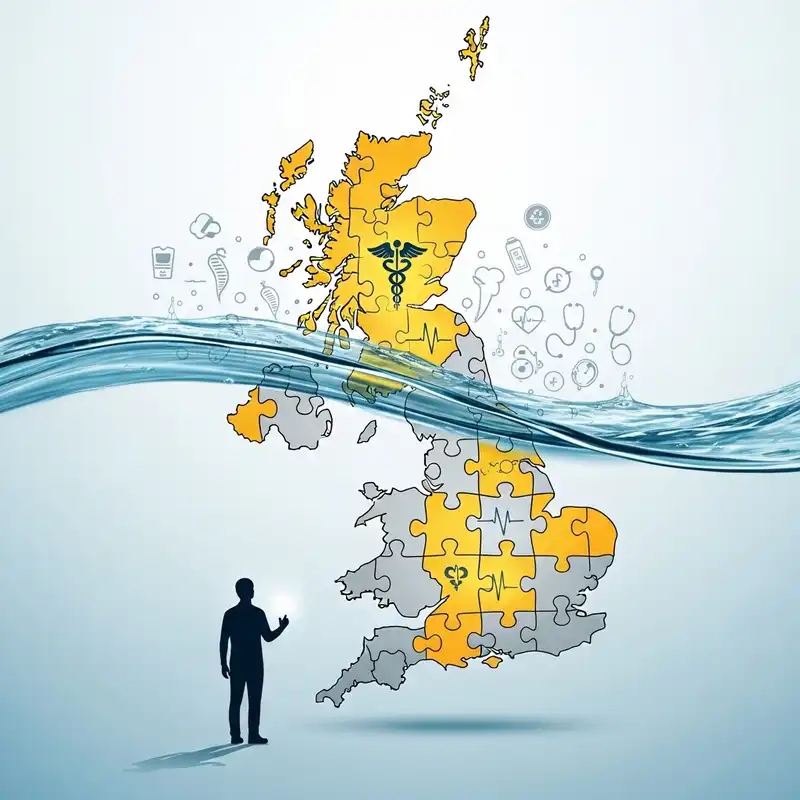
A silent health crisis is unfolding across the United Kingdom. It doesn't arrive with a sudden, dramatic event but builds stealthily, year after year, inside the bodies of millions of unsuspecting Britons. Projections for 2025, based on escalating trends observed by institutions like the NHS and Diabetes UK, paint a stark and urgent picture: more than two in every five adults in the UK are now living with undiagnosed insulin resistance.
Key takeaways
- Loss of Earnings: A significant health event can force a career change, a reduction in hours, or an early exit from the workforce. For a higher-rate taxpayer, this alone can equate to over 1.5 million in lost pre-tax income over 20 years.
- Private Medical & Care Costs: While the NHS provides exceptional care, a chronic condition may necessitate private consultations, therapies, or technologies not readily available. The cost of residential care in later life can exceed 50,000 per year, easily accumulating to over 500,000.
- Unpaid Carer Costs: A spouse or partner may need to reduce their own working hours or leave their job to provide care. The value of this lost income and career progression can easily run into the hundreds of thousands of pounds.
- Home & Lifestyle Adaptations: Modifications to the home, specialised equipment, and the cost of a diet tailored to manage a condition can add tens of thousands of pounds over a lifetime.
- Impact on Pension & Inheritance: Reduced contributions and the need to draw down on pensions early can decimate retirement plans and the financial legacy you hoped to leave for your loved ones.
UK Insulin Resistance Crisis
A silent health crisis is unfolding across the United Kingdom. It doesn't arrive with a sudden, dramatic event but builds stealthily, year after year, inside the bodies of millions of unsuspecting Britons. Projections for 2025, based on escalating trends observed by institutions like the NHS and Diabetes UK, paint a stark and urgent picture: more than two in every five adults in the UK are now living with undiagnosed insulin resistance.
This isn't just a medical term; it's a metabolic red flag. It's the quiet prelude to a devastating symphony of chronic diseases that are placing an unprecedented strain on our health service and family finances. Insulin resistance is the primary driver behind the explosion in Type 2 diabetes, but its insidious influence extends much further, significantly increasing the risk of cardiovascular disease, certain forms of dementia, several types of cancer, and a host of other debilitating conditions.
The financial consequences are just as severe. When insulin resistance escalates into a full-blown chronic illness, the lifetime cost to an individual and their family can be staggering. Our analysis reveals a potential lifetime burden exceeding £4.2 million for a person diagnosed with multiple related conditions, factoring in lost earnings, private care costs, home modifications, and the profound impact on their family's financial future.
But this is not a story without hope. The trajectory is not set in stone. This definitive guide will illuminate the nature of this hidden epidemic, revealing how you can seize control. We will explore how Private Medical Insurance (PMI) can be your powerful ally in securing early diagnosis and accessing reversal protocols. Crucially, we will also detail how a robust shield of Life and Critical Illness Insurance Products (LCIIP) can safeguard your family’s financial wellbeing against the profound impact of chronic disease, ensuring their future is protected, no matter what it holds.
What is Insulin Resistance? The Body's Silent Alarm
To understand the crisis, we must first understand the mechanism. Think of your body as a bustling city. The city's residents are your cells, and they all need energy to function. This energy comes from glucose (sugar) delivered via your bloodstream. Insulin, a hormone produced by the pancreas, acts as the master key.
When you eat, glucose enters your bloodstream, and your pancreas releases insulin. The insulin travels to your cells and fits perfectly into receptors on their surface—like a key in a lock—opening the door to allow glucose inside for energy.
Insulin resistance occurs when the locks on your cells become "rusty" or less responsive to the insulin key. Your cells resist insulin's signal. In response, your pancreas works overtime, pumping out more and more insulin to force the cell doors open. This state of high insulin levels is called hyperinsulinemia.
For months, years, or even decades, your pancreas can compensate. You have no obvious symptoms. Your standard blood glucose tests may even look normal because the heroic effort of your pancreas is keeping your blood sugar in check. This is why insulin resistance is a "silent" condition, allowing damage to accumulate unnoticed.
| Stage | Key Characteristics | Common Symptoms |
|---|---|---|
| Early Insulin Resistance | Pancreas overproduces insulin to manage normal blood glucose. | Often none. Maybe subtle signs like tiredness after meals, sugar cravings, or slight weight gain around the abdomen. |
| Advanced Insulin Resistance (Pre-diabetes) | Pancreas struggles to keep up; blood glucose levels begin to rise above normal. | Increased thirst and urination, unexplained fatigue, blurred vision, frequent infections, skin tags, acanthosis nigricans (dark patches of skin). |
| Type 2 Diabetes | Pancreas is exhausted and/or cell resistance is too high. Blood glucose is chronically elevated. | All symptoms of pre-diabetes, often more severe. Increased risk of nerve damage, kidney disease, vision loss. |
The Ticking Time Bomb: From Insulin Resistance to Chronic Disease
Undetected and unaddressed, insulin resistance is the first domino to fall in a cascade of serious health events. The chronically high levels of insulin and, eventually, glucose, are toxic to the body, creating a state of chronic inflammation and metabolic chaos.
1. The Inevitable Path to Type 2 Diabetes This is the most well-known consequence. After years of overwork, the beta cells in the pancreas that produce insulin become exhausted and begin to die off. At the same time, the cells' resistance to insulin becomes overwhelming. The pancreas can no longer produce enough insulin to control blood sugar levels, leading to a formal diagnosis of Type 2 diabetes. According to Diabetes UK, over 5 million people in the UK are currently living with diabetes, with an estimated 850,000 more living with the condition who are yet to be diagnosed. The vast majority of these cases are Type 2, driven by insulin resistance.
2. Fuelling Cardiovascular Disease The link between insulin resistance and heart disease is powerful and direct. The British Heart Foundation notes that people with diabetes are two to three times more likely to develop cardiovascular disease. This is because:
- High insulin levels promote inflammation in the arteries.
- It contributes to high blood pressure (hypertension).
- It leads to an unhealthy cholesterol profile: high triglycerides, low "good" HDL cholesterol, and small, dense "bad" LDL particles that are more likely to clog arteries.
- It damages the delicate lining of blood vessels (the endothelium), making them stiffer and more prone to plaque buildup (atherosclerosis).
3. The Brain on Fire: Dementia and Alzheimer's Disease A growing body of research has led scientists to label Alzheimer's disease as "Type 3 Diabetes." The brain is an incredibly energy-hungry organ, consuming about 20% of the body's glucose. When brain cells become insulin resistant, they struggle to get the fuel they need, leading to impaired function and cell death. High insulin levels in the body also appear to interfere with the clearance of amyloid plaques, the sticky protein clumps that are a hallmark of Alzheimer's disease. The Alzheimer's Society UK reports that healthy lifestyle changes that improve insulin sensitivity can reduce dementia risk by up to 40%.
4. The Cancer Connection Insulin is a growth hormone. Its primary job is to tell cells to take up fuel, but it also signals them to grow and divide. Chronically high insulin levels can send this growth signal into overdrive, potentially accelerating the development and proliferation of certain types of cancer cells. Research from Cancer Research UK has highlighted established links between high insulin levels, obesity (a common consequence of IR), and an increased risk of cancers including:
- Bowel (colorectal) cancer
- Breast cancer (postmenopausal)
- Pancreatic cancer
- Womb (endometrial) cancer
- Kidney cancer
5. A Cascade of Other Conditions The fallout doesn't stop there. Insulin resistance is a key factor in:
- Non-alcoholic Fatty Liver Disease (NAFLD): Where fat accumulates in the liver, leading to inflammation and potentially cirrhosis.
- Polycystic Ovary Syndrome (PCOS): A leading cause of infertility in women.
- Gout: Due to insulin's effect on uric acid retention by the kidneys.
- Accelerated Ageing: Affecting everything from skin quality to organ function.
| Condition | Link to Insulin Resistance |
|---|---|
| Type 2 Diabetes | Direct result of pancreatic exhaustion and extreme cellular resistance. |
| Heart Disease & Stroke | Driven by inflammation, high blood pressure, and poor cholesterol profiles. |
| Dementia/Alzheimer's | Brain cells become resistant to insulin, starving them of energy. |
| Certain Cancers | High insulin levels act as a growth factor for malignant cells. |
| NAFLD | Excess circulating glucose and fats are stored in the liver. |
| PCOS | High insulin stimulates ovaries to produce excess androgens. |
The £4.2 Million Lifetime Burden: Deconstructing the True Cost of Inaction
The physical toll of these diseases is immense, but the financial devastation can be equally life-altering. The £4.2 million figure represents a potential lifetime financial impact for an individual diagnosed in their mid-40s with a severe cascade of conditions stemming from untreated insulin resistance—for example, a heart attack followed by long-term Type 2 diabetes management and the eventual need for social care due to related cognitive decline.
Let's break down this illustrative burden:
- Loss of Earnings: A significant health event can force a career change, a reduction in hours, or an early exit from the workforce. For a higher-rate taxpayer, this alone can equate to over £1.5 million in lost pre-tax income over 20 years.
- Private Medical & Care Costs: While the NHS provides exceptional care, a chronic condition may necessitate private consultations, therapies, or technologies not readily available. The cost of residential care in later life can exceed £50,000 per year, easily accumulating to over £500,000.
- Unpaid Carer Costs: A spouse or partner may need to reduce their own working hours or leave their job to provide care. The value of this lost income and career progression can easily run into the hundreds of thousands of pounds.
- Home & Lifestyle Adaptations: Modifications to the home, specialised equipment, and the cost of a diet tailored to manage a condition can add tens of thousands of pounds over a lifetime.
- Impact on Pension & Inheritance: Reduced contributions and the need to draw down on pensions early can decimate retirement plans and the financial legacy you hoped to leave for your loved ones.
Case Study: Meet David, a 48-year-old Project Manager
David was a busy professional, often relying on convenience food and working long hours. He felt tired but put it down to stress. Unbeknownst to him, he had severe insulin resistance. At 48, he suffered a major heart attack. The diagnosis that followed was stark: severe cardiovascular disease and Type 2 diabetes.
- Immediate Impact: Six months off work. His employer's sick pay runs out after three months.
- Medium-Term Impact (illustrative): He can no longer handle the stress of his old job and takes a lower-paid, part-time administrative role. His annual income drops by £40,000.
- Long-Term Impact (illustrative): Over the next 17 years until retirement, his lost earnings total £680,000. His reduced pension contributions significantly shrink his retirement pot. His wife reduces her hours to support him, further impacting household income. The combined lifetime financial impact on their family, including care costs in his later years, spirals well into seven figures.
| Cost Category | Estimated Lifetime Financial Impact (Illustrative) |
|---|---|
| Lost Future Earnings | £600,000 - £1,500,000+ |
| Partner's Lost Earnings (Carer) | £300,000 - £700,000+ |
| Private Medical & Social Care | £100,000 - £500,000+ |
| Home & Lifestyle Adaptations | £20,000 - £50,000+ |
| Reduced Pension Value | £250,000 - £1,000,000+ |
| Total Potential Burden | £1,270,000 - £4,250,000+ |
This is the devastating financial reality that a robust protection plan is designed to prevent.
Your PMI Pathway: Using Private Medical Insurance for Early Detection & Reversal
The single most powerful weapon against insulin resistance is early detection. The NHS is a national treasure, but it is fundamentally a reactive service, designed to treat illness once it has presented. For a silent condition like insulin resistance, a proactive approach is essential. This is where Private Medical Insurance (PMI) becomes an invaluable tool for health preservation.
A good PMI policy can help you bypass potential NHS waiting lists and gain prompt access, where available, to the services you need to get ahead of the problem.
- Rapid GP Access: Many PMI plans offer 24/7 digital GP services, allowing you to discuss subtle symptoms like fatigue or sugar cravings with potentially shorter waits weeks for an appointment.
- Advanced Diagnostics: This is critical. A standard NHS check may only look at fasting glucose. A private consultant, accessed via PMI, can order a more comprehensive "metabolic health" panel, including Fasting Insulin and HbA1c. These two markers together can reveal insulin resistance long before your blood sugar becomes abnormal.
- Swift Specialist Referrals: If tests raise a red flag, PMI gives you faster access, where available, to the right experts—an endocrinologist to manage the hormonal imbalance, a dietitian to design a reversal plan, or a cardiologist to assess your cardiovascular risk.
- Proactive Wellness Benefits: Modern PMI is not just for when you are sick. Many leading policies now include benefits aimed at keeping you well, such as contributions towards gym memberships, access to wellness apps, and proactive health screenings that can catch issues early.
By using PMI to take control, you can move from a passive patient to the active CEO of your own health, armed with the data and expert support needed to implement a reversal protocol. A specialist at WeCovr or one of our broker partners can help clients navigate the complex world of PMI, identifying policies that offer the very best diagnostic and preventative wellness benefits to match your specific health goals.
Reclaiming Your Health: Practical Steps to Reverse Insulin Resistance
The most empowering truth about insulin resistance is that for the vast majority of people, it is not a life sentence. It is a metabolic state that can often be completely reversed through dedicated and consistent lifestyle changes. Your body has an incredible capacity to heal if given the right tools.
1. A New Way of Eating This is the cornerstone of any reversal plan. The goal is to reduce the demand on your pancreas.
- Dramatically Reduce Sugar and Refined Carbohydrates: This is non-negotiable. Sugary drinks, sweets, white bread, pasta, and rice cause rapid spikes in blood glucose, forcing a huge insulin response.
- Focus on Whole, Unprocessed Foods: Build your meals around high-quality protein (meat, fish, eggs, tofu), healthy fats (avocados, olive oil, nuts, seeds), and above-ground, non-starchy vegetables (leafy greens, broccoli, cauliflower, peppers).
- Embrace Fibre: Fibre from vegetables and seeds slows down digestion, leading to a more gradual release of glucose into the bloodstream.
- Prioritise Protein: Adequate protein intake helps with satiety (feeling full), preserves muscle mass, and has a minimal impact on insulin.
To support our clients on their health journey, WeCovr provides complimentary access to CalorieHero, our proprietary AI-powered calorie and nutrition tracking app. This powerful tool helps you make informed food choices, monitor your macronutrient intake, and stay on track with your health goals, demonstrating our commitment to your wellbeing beyond just insurance.
2. The Power of Movement Exercise is medicine. It attacks insulin resistance from two key angles.
- Resistance Training (Weightlifting, Bodyweight Exercises): Building and maintaining muscle is crucial. Muscle is your body's primary "glucose sink." It can absorb huge amounts of glucose from the blood without needing much insulin, especially after a workout.
- Cardiovascular Exercise (Walking, Running, Cycling): Regular cardio helps to use up stored glucose and improves the overall sensitivity of your cells to insulin. Aim for the NHS-recommended 150 minutes of moderate-intensity activity per week. Even a 10-minute walk after meals can have a profound impact.
3. Sleep: The Unsung Hero Sleep is not a luxury; it is a fundamental metabolic requirement. A single night of poor sleep has been shown in clinical studies to induce a state of insulin resistance in healthy individuals.
- Aim for 7-9 hours per night.
- Maintain a consistent sleep schedule, even on weekends.
- Create a restful environment: a cool, dark, quiet room.
- Avoid screens (phones, tablets, TVs) for at least an hour before bed, as the blue light can disrupt melatonin production.
4. Master Your Stress Chronic stress keeps your body in a "fight or flight" state, flooding it with the hormone cortisol. Cortisol tells your liver to release stored glucose into the bloodstream, putting more pressure on your pancreas.
- Mindfulness and Meditation: Even 10 minutes a day can lower cortisol levels.
- Gentle Movement: Yoga and Tai Chi are excellent for stress reduction.
- Time in Nature: Proven to lower stress and improve mood.
| Reversal Strategy | Key Actions | Why It Works |
|---|---|---|
| Diet | Reduce sugar/refined carbs. Increase protein, fibre, healthy fats. | Lowers the glucose load, reducing the need for insulin. |
| Exercise | Mix resistance training with cardio. | Builds muscle (a glucose sink) and improves cell sensitivity. |
| Sleep | Prioritise 7-9 hours of quality sleep. | Regulates hormones that control appetite and blood sugar. |
| Stress Management | Practice mindfulness, yoga, spend time outdoors. | Lowers cortisol, which otherwise raises blood sugar. |
The LCIIP Shield: Protecting Your Family’s Future When Prevention Isn’t Enough
While reversal is the goal, we must also be pragmatic. Sometimes a diagnosis comes too late, or a related condition develops despite our best efforts. This is where your financial defences must be ready. Thinking about these scenarios isn't negative; it's responsible planning that grants peace of mind. A comprehensive Life and Critical Illness Insurance Portfolio (LCIIP) is the shield that protects your family from the financial fallout of a serious health event.
Critical Illness Cover This is arguably one of the most important policies in the context of insulin resistance.
- How it works: It may pay out a potentially tax-efficient lump sum on the diagnosis of a specific, serious condition listed in the policy. Core conditions typically covered include heart attack, stroke, and most forms of cancer—all potential outcomes of long-term IR.
- How it helps: This money provides immediate financial relief. It can be used to pay off a mortgage, cover lost income during treatment and recovery, fund private medical care, or make necessary adaptations to your home. It buys you breathing space to focus on your health without financial worry.
Income Protection Insurance Often considered the bedrock of any financial protection plan, Income Protection is designed for long-term support.
- How it works: If you are unable to work for an extended period due to any illness or injury (subject to the policy terms), this insurance pays you a regular, potentially tax-efficient monthly income. This can continue right up until you are able to return to work or you reach retirement age.
- How it helps: It protects your lifestyle. It ensures you can continue to pay your bills, meet your mortgage payments, and provide for your family, even if you can't earn an income. For those in physically demanding jobs like tradespeople, nurses, or electricians, specialised Personal Sick Pay policies can offer vital, tailored cover.
Life Insurance This provides the ultimate backstop, ensuring your loved ones are financially secure if the worst should happen.
- Term Life Insurance: May pay out a lump sum if you pass away within a set term, designed to cover liabilities like a mortgage and provide for your children's upbringing.
- Family Income Benefit: A variation that may pay out a regular, potentially tax-efficient monthly income to your family instead of a single lump sum. This can be easier to manage and replaces your lost salary in a more direct way.
- Gift Inter Vivos Insurance: A more specialist policy. If you gift assets to loved ones to mitigate Inheritance Tax, this policy may cover the potential tax bill if you pass away within seven years of making the gift. A serious health diagnosis can make this a prudent consideration.
| Protection Product | Purpose | How it Helps with IR-Related Illness |
|---|---|---|
| Critical Illness Cover | Provides a one-off, potentially tax-efficient lump sum on diagnosis. | Covers immediate costs (mortgage, treatment) after a heart attack, stroke, or cancer diagnosis. |
| Income Protection | Provides a regular monthly income if you can't work. | Replaces lost salary during long-term recovery or if you have to stop working. |
| Life Insurance | Provides for your family financially after your death. | Ensures your family's long-term security, covering debts and future living costs. |
Navigating these different products and tailoring them to your unique circumstances can be complex. As expert brokers, we at WeCovr compare plans from all major UK insurers. We take the time to understand your health, family situation, and budget to build a bespoke, multi-layered LCIIP shield that provides comprehensive protection.
Real-Life Scenarios: How Protection Insurance Makes a Difference
Let's revisit our case studies, but this time with a robust protection plan in place.
Scenario 1: Sarah, the Freelance Designer with Income Protection Sarah is diagnosed with Type 2 Diabetes and struggles with fatigue and blurred vision, making it impossible to meet her design deadlines. After her deferred period of three months, her Income Protection policy kicks in. She receives £2,500 a month, potentially tax-efficient. This covers her rent and bills, allowing her to focus fully on implementing a new diet and exercise regime. After a year, she has her condition well under control and can return to work part-time, her confidence and financial stability intact. (illustrative estimate)
Scenario 2: Mark, the Electrician with Critical Illness Cover Mark suffers his heart attack at 48. Within weeks of diagnosis, his Critical Illness policy may pay out a lump sum of £200,000. He immediately uses it to pay off the remaining £150,000 on his mortgage. The single biggest financial stress in his family's life is gone. The remaining £50,000 provides a comfortable buffer, allowing his wife to take time off work to support his recovery without financial penalty. The relief is immense and plays a significant role in his positive recovery. (illustrative estimate)
Your Next Steps: Taking Control of Your Health and Financial Wellbeing
The insulin resistance crisis is real, and its consequences are severe. But it is not an insurmountable challenge. The power to change your health trajectory and secure your financial future is firmly within your grasp.
The path forward is a clear, two-pronged strategy:
- Be Proactive About Your Health: Do not wait for symptoms. Treat your metabolic health as your most valuable asset. Talk to your GP about your risks. Consider a Private Medical Insurance policy to gain faster access, where available, to the advanced diagnostics and specialist advice that can lead to early detection and reversal. Adopt the lifestyle changes—in diet, exercise, sleep, and stress—that can reclaim your health.
- Be Pragmatic About Your Finances: Hope for the best but plan for the worst. A well-structured portfolio of Life Insurance, Critical Illness Cover, and Income Protection is not an admission of defeat; it is an act of profound responsibility and love for your family. It is the financial firewall that ensures a health crisis does not become a financial catastrophe.
The time to act is now. Every positive lifestyle choice you make, and every step you take to build your financial defences, is an investment in a longer, healthier, and more secure future for you and everyone who depends on you.
Contact an expert adviser today to review your protection needs and explore how you can build a comprehensive shield for your family’s tomorrow.
Sources
- Office for National Statistics (ONS): Mortality and population data.
- Association of British Insurers (ABI): Life and protection market publications.
- MoneyHelper (MaPS): Consumer guidance on life insurance.
- NHS: Health information and screening guidance.
Important Information and Risks
No advice: This article is for general information only. It is not financial, legal, insurance, or tax advice, and it is not a personal recommendation. WeCovr does not assess your individual circumstances or recommend a specific product through this article.
Policy exclusions and underwriting: Insurance policies, including life insurance, private medical insurance, critical illness cover, and income protection, are subject to insurer underwriting, eligibility, acceptance criteria, terms, conditions, limits, and exclusions. Pre-existing medical conditions may be excluded, restricted, or accepted on special terms unless an insurer confirms otherwise in writing.
Tax treatment: References to tax treatment, HMRC rules, or business reliefs are based on current UK legislation and guidance, which can change. Tax treatment depends on your personal or business circumstances and may differ from examples in this article.
Before you buy: Always read the Insurance Product Information Document (IPID), policy summary, and full policy terms before buying, renewing, changing, or keeping cover. If you are unsure whether a policy is suitable for you, speak to an insurance adviser.
Measure your family’s protection gap, then get the right life cover quote
Start with the score to see whether your family would face a real financial shortfall before moving on to life cover options.
Check what happens if someone dies too soon
See whether debt, dependants and mortgage risk are covered
Move into tailored life cover options after the score
Get your score
Your next best move
Get your score in minutes, then decide what kind of protection help would be most useful.
Score your household protection
See how well your current setup protects dependants, debt and major commitments.
Find the shortfall
Know whether life cover, critical illness or income protection is the actual missing piece.
Continue to tailored life cover
If life cover is the gap, continue to tailored life cover options.
What you get
A quick view of your current protection position
A clearer idea of where the biggest gaps may be
A direct route to tailored help if you want it