TL;DR
As an insurance intermediary broker that has arranged over 1,000,000 policies, WeCovr sees a hidden crisis unfolding in boardrooms across the UK. High-achieving leaders are unknowingly sacrificing their health for success, and the fallout is staggering. This isn't just about personal well-being; it's a critical business risk.
Key takeaways
- Speed of Access: This is the primary benefit. use a private pathway, subject to policy terms and availability for specialist consultations, diagnostic tests (like MRI, CT, and PET scans), and elective surgery.
- Choice and Control: You can often choose your specialist consultant and the hospital where you receive treatment from a nationwide network.
- Enhanced Comfort: Benefit from a private room with an en-suite bathroom, more flexible visiting hours, and better food choices, creating a less stressful environment for recovery.
- Access to Advanced Treatments: Some PMI policies provide access to the latest drugs, treatments, and therapies that may not yet be approved for widespread NHS use due to cost or other factors.
UK Leaders Health Sacrifice
As an insurance intermediary broker that has arranged over 1,000,000 policies, WeCovr sees a hidden crisis unfolding in boardrooms across the UK. High-achieving leaders are unknowingly sacrificing their health for success, and the fallout is staggering. This isn't just about personal well-being; it's a critical business risk.
The pressure cooker of modern leadership—long hours, constant connectivity, immense responsibility—is creating a perfect storm for burnout, stress-related illness, and chronic conditions. The very drive that fuels success can become the catalyst for a personal health crisis and a corporate catastrophe. When a key leader falls ill, the ripple effects can cost a business millions in lost revenue, recruitment costs, and instability.
In this definitive guide, we will unpack the high-performance trap, quantify the risks, and reveal how a robust shield of Private Medical Insurance (PMI) and Life & Critical Illness Protection (LCIIP) is no longer a luxury, but an essential component of a sustainable leadership strategy.
The Silent Epidemic: The True Cost of Leadership in the UK
The image of a successful UK leader is often one of unshakeable resilience and relentless drive. But behind the confident exterior, a silent epidemic is taking hold. The "typically-on" culture has normalised the sacrifice of sleep, nutrition, and mental downtime in the pursuit of professional goals. This isn't just anecdotal; the data paints a stark picture.
A 2025 analysis by the UK public and industry sources of Personnel and Development (CIPD) reveals that 79% of senior leaders report working beyond their contracted hours regularly, with over half feeling unable to switch off from work. This relentless pressure creates a phenomenon known as 'presenteeism'—being physically present at work but mentally and emotionally disengaged, leading to a productivity loss estimated to cost the UK economy over £90 billion annually.
But what is the direct cost to your business when a leader's health fails?
The £4.5 Million+ Leadership Crisis: A Realistic Breakdown (illustrative estimate)
Let's consider a hypothetical but common scenario for a UK-based tech firm with a £50 million turnover.
| Cost Factor | Description | Estimated Cost |
|---|---|---|
| Key Director (Sales) Burnout | Off for 6 months with severe burnout and anxiety. | £550,000 |
| Breakdown | Lost sales contracts (£350k), temporary replacement salary (£75k), recruitment fees for permanent replacement (£50k), team disruption (£75k). | |
| CFO Heart Condition | Requires urgent bypass surgery. Off work for 4 months due to NHS waiting lists. | £1,200,000 |
| Breakdown | Delayed strategic decisions (£750k), cost of interim CFO (£100k), impact on investor confidence (£350k). | |
| Founder's Chronic Stress | Develops severe migraines and digestive issues, leading to 50% reduced effectiveness ('presenteeism') over a year. | £2,900,000+ |
| Breakdown | Stagnated innovation, loss of key partnerships, decline in company morale and vision, resulting in significant opportunity cost. | |
| Total Estimated Impact | The cumulative cost of these three predictable health events. | £4,550,000 |
This isn't scaremongering. It's a pragmatic calculation of the tangible financial damage that occurs when the health of a company's most vital asset—its leadership—is compromised.
Burnout, Stress, and Beyond: The Specific Health Risks Leaders Face
The intense demands of leadership manifest in a range of specific, debilitating health conditions. The constant cortisol flood from stress isn't just a feeling; it's a physiological state that corrodes health over time.
Common Health Pitfalls for High-Performers:
- Cardiovascular Disease: Chronic stress is a primary driver of high blood pressure, high cholesterol, and an increased risk of heart attack and stroke. A sedentary desk-bound lifestyle compounds this risk.
- Mental Health Decline: Anxiety, depression, and burnout are rampant. The pressure to appear strong often prevents leaders from seeking help until they reach a crisis point.
- Musculoskeletal Issues: Long hours spent hunched over laptops lead to chronic back pain, neck strain, and repetitive strain injury (RSI), draining energy and focus.
- Metabolic Disorders: Poor dietary choices made in haste—grabbing sugary snacks for a quick energy boost—and a lack of regular exercise can lead to weight gain, insulin resistance, and Type 2 diabetes.
- Sleep Deprivation: Sacrificing sleep is often worn as a badge of honour, yet it severely impairs cognitive function, decision-making, and emotional regulation.
The Link Between Leadership Stress and Physical Ailments
| Leadership Stressor | Common Physical Manifestation | How PMI Helps |
|---|---|---|
| Constant Deadlines | Tension headaches, high blood pressure | Fast access to neurologists, cardiologists, and diagnostic scans (MRI/CT). |
| Sedentary Work Style | Chronic back and neck pain | Rapid referral to physiotherapists, osteopaths, and pain management clinics. |
| High-Stakes Decisions | Digestive issues (IBS), anxiety | Quick consultations with gastroenterologists and mental health professionals. |
| Irregular Eating Habits | Nutritional deficiencies, weight gain | Access to dietitians and preventative health screenings included in many plans. |
The key takeaway is that these conditions are often treatable and manageable, but only if they are caught and addressed early. This is where the standard healthcare pathway can become a significant roadblock for a time-poor leader.
Why Your NHS Safety Net Has Gaps for High-Performers
Let's be unequivocally clear: the NHS is a national treasure, providing exceptional care for emergencies and life-threatening situations. However, for the acute (non-emergency but still serious) conditions that often afflict busy leaders, the system is under immense strain.
According to NHS England projections for 2025, the median waiting time for non-urgent consultant-led treatment is expected to hover around 14 weeks, with some specialities like orthopaedics and gastroenterology seeing waits of over 9 months.
For a CEO, a director, or a business owner, a 9-month wait for a knee operation or a diagnostic endoscopy isn't just an inconvenience. It's nine months of pain, reduced mobility, impaired focus, and diminished capacity to lead. The business suffers with them.
NHS vs. Private Healthcare: A Time-Based Comparison
| Treatment/Diagnostic | Projected 2025 NHS Wait Time | Typical Private Medical Insurance Wait Time | Business Impact of Delay |
|---|---|---|---|
| MRI Scan (non-urgent) | 6-8 weeks | 3-7 days | Delayed diagnosis, prolonged uncertainty and anxiety. |
| Knee Arthroscopy | 35-45 weeks | 2-4 weeks | Months of lost mobility, inability to travel, reduced productivity. |
| Mental Health Therapy | 18+ weeks for initial assessment | 1-2 weeks for access to a therapist | Worsening condition, poor decision-making, team morale impact. |
| Cardiology Consultation | 12-16 weeks | 5-10 days | Prolonged risk and stress while waiting for expert opinion. |
Private medical insurance UK is designed specifically to bridge this gap. It's not about replacing the NHS; it's about providing a parallel, faster route for diagnosis and treatment, giving you control over when and where you are treated.
Your Undeniable Shield Part 1: Private Medical Insurance (PMI) Explained
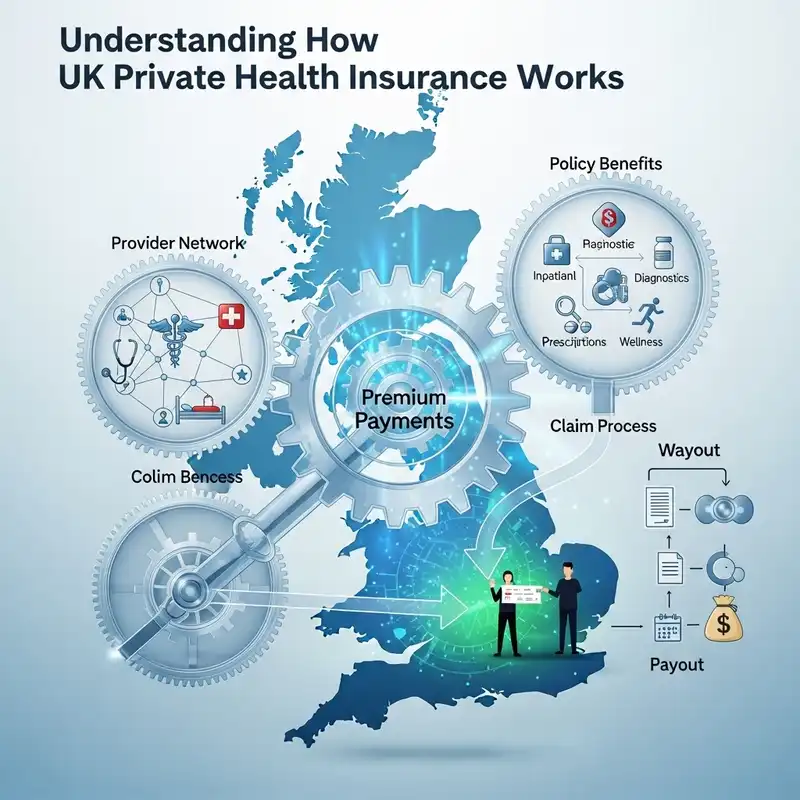
Private Medical Insurance (PMI), also known as private health cover, is an insurance policy that pays for the costs of private medical treatment for acute conditions.
What is an acute condition? An acute condition is a disease, illness, or injury that is likely to respond quickly to treatment and allow you to return to your previous level of health. Examples include joint pain requiring surgery, hernias, cataracts, or diagnosing the cause of specific symptoms.
The Critical Point: Pre-existing and Chronic Conditions It is vital to understand that standard UK private medical insurance does not cover pre-existing or chronic conditions.
- Pre-existing Condition: Any illness or injury you had symptoms of, or received advice or treatment for, before your policy started.
- Chronic Condition: A condition that cannot be cured, only managed. This includes illnesses like diabetes, asthma, hypertension, and Crohn's disease.
PMI is for new, eligible health problems that arise after your cover begins.
The Core Benefits of a Robust PMI Policy
- Speed of Access: This is the primary benefit. use a private pathway, subject to policy terms and availability for specialist consultations, diagnostic tests (like MRI, CT, and PET scans), and elective surgery.
- Choice and Control: You can often choose your specialist consultant and the hospital where you receive treatment from a nationwide network.
- Enhanced Comfort: Benefit from a private room with an en-suite bathroom, more flexible visiting hours, and better food choices, creating a less stressful environment for recovery.
- Access to Advanced Treatments: Some PMI policies provide access to the latest drugs, treatments, and therapies that may not yet be approved for widespread NHS use due to cost or other factors.
- Digital and Mental Health Support: Most modern PMI plans come with a suite of valuable add-ons:
- 24/7 Virtual GP: Speak to a doctor via phone or video call, often within hours.
- Mental Health Support: Direct access to therapists and counsellors without needing a GP referral.
- Wellness Resources: Many insurers offer gym discounts, health screenings, and wellness apps.
As a WeCovr client, you also receive complimentary access to CalorieHero, our AI-powered calorie and nutrition tracking app, helping you take proactive control of your diet. Furthermore, clients who purchase PMI or Life Insurance often receive exclusive discounts on other insurance products, creating a comprehensive and cost-effective protection portfolio.
Your Undeniable Shield Part 2: Life & Critical Illness Insurance (LCIIP)
While PMI protects your health, Life and Critical Illness Insurance protects your finances and your family's future in the face of a health catastrophe. They are two different shields that work together.
- PMI pays the hospital and doctors for your treatment.
- LCIIP pays you a potentially tax-efficient lump sum of money.
What is Life & Critical Illness Insurance? It's a policy that may pay out a pre-agreed cash sum if you are diagnosed with one of a list of specific serious illnesses (like cancer, heart attack, or stroke) or if you pass away during the policy term.
Why is LCIIP Essential for Leaders?
Imagine you suffer a major heart attack. Your PMI policy would swing into action, ensuring you get the very best care in a private hospital immediately. But you might be unable to work for a year. How would you:
- Cover your mortgage and household bills?
- Continue funding your children's education?
- Protect your business from financial strain?
- Pay for lifestyle modifications or specialist home care?
This is where the LCIIP claim payment becomes a lifeline. It removes financial stress from the equation, allowing you to focus 100% on your recovery. For a business owner, this claim payment could be used to inject cash into the company, buy out your shares to allow the business to continue, or simply give you the financial freedom to step back without destroying the company you built.
PMI vs. LCIIP: A Simple Comparison
| Feature | Private Medical Insurance (PMI) | Life & Critical Illness Insurance (LCIIP) |
|---|---|---|
| Purpose | Pays for private medical treatment. | Provides a cash claim payment upon diagnosis of a serious illness or death. |
| Who Gets Paid? | The hospital, specialist, or clinic. | You or your beneficiaries. |
| What It Covers | Costs of diagnosis, surgery, and aftercare for acute conditions. | A potentially tax-efficient lump sum to be used as you see fit. |
| Example Use Case | Pays for your £15,000 private knee replacement surgery. | Pays you £250,000 after a heart attack diagnosis to cover your income loss. |
How WeCovr Specialists or broker partners Help You Build Your Shield: Navigating the PMI Market
The UK private medical insurance market is complex, with dozens of providers, policy types, and optional extras. Trying to navigate this alone can be overwhelming and lead to choosing the wrong cover.
This is where an WeCovr specialist or one of our broker partners becomes your most valuable ally. As an insurance brokerage with high customer satisfaction ratings, our role is to demystify the process and act in your interests.
The WeCovr Advantage:
- regulated & Unbiased: We are not tied to any single insurer. We compare plans from across our panel to find the suitable fit for you.
- no separate broker fee where applicable to You: Our service has no separate broker fee. We are paid a commission by the insurer you choose, but this does not affect the price you pay.
- Expert Guidance: We translate the jargon, explain the nuances of underwriting (e.g., moratorium vs. full medical underwriting), and help you tailor a policy to your exact needs and budget.
- Personalised Comparison: We don't just find the lower-cost plan; we find the right plan. We consider the hospital lists, outpatient limits, cancer cover, and mental health options that matter most to you.
Understanding Your Cover Options
PMI policies are generally structured in tiers. Here is an illustrative guide:
| Level of Cover | What It Typically Includes | Ideal For |
|---|---|---|
| Basic / Core | In-patient and day-patient treatment. Usually has limits on diagnostics and no outpatient cover. | A cost-effective safety net to cover major surgery costs and bypass long NHS waits for in-hospital procedures. |
| Mid-Range | Core cover plus comprehensive outpatient diagnostics and a set number of specialist consultations and therapies (e.g., physiotherapy). | A balanced approach for leaders who want fast diagnosis and follow-up care for most common conditions. This is our most popular level. |
| Comprehensive | All of the above, plus extensive cover for mental health, dental and optical (often as add-ons), and alternative therapies. | The ultimate peace of mind for leaders who want maximum protection and access to the widest range of health and well-being services. |
A skilled WeCovr specialist or one of our broker partners can help you mix and match these elements, for example, by adding a small excess to a comprehensive policy to make it more affordable.
Proactive Well-being: Building Resilience Beyond Insurance
While insurance is your shield for when things go wrong, building daily habits of well-being is your proactive sword. True high performance is sustainable, not sacrificial. Here are five actionable strategies for leaders to implement today.
-
Schedule the 'Non-Negotiable Hour' Block out one hour in your diary every day for physical activity. Treat it with the same importance as a board meeting. It could be a brisk walk, a gym session, or a bike ride. This isn't selfish; it's a strategic investment in your cognitive function and energy levels.
-
Master Strategic Nutrition Your brain consumes about 20% of your body's calories. Fuel it properly. Swap sugary snacks and caffeine spikes for slow-release energy sources like nuts, fruit, and whole grains. Plan your meals to avoid making poor choices under pressure. Use an app like WeCovr's complimentary CalorieHero to understand your intake and make smarter choices.
-
Implement a Digital Sunset Set a firm rule to disconnect from all work-related devices at least 90 minutes before bed. The blue light from screens disrupts melatonin production, the hormone that governs sleep. Use this time to read a book, talk with your family, or listen to music.
-
Practise Active Recovery You don't need to become a Zen master. Simply integrating 5-minute micro-breaks into your day can make a huge difference. Step away from your desk, stretch, or practice box breathing (inhale for 4 seconds, hold for 4, exhale for 4, hold for 4). This calms the nervous system and resets your focus.
-
Optimise Business Travel Business travel is notoriously disruptive. Mitigate its effects by:
- Booking flights that don't compromise your sleep.
- Staying hydrated on the plane.
- Using the hotel gym or pool.
- Trying to get onto the local time zone as quickly as possible.
These small, consistent actions build a foundation of resilience that makes you a more effective, energetic, and sustainable leader.
Does private medical insurance in the UK cover pre-existing conditions?
Is private health cover worth it if I'm young and healthy?
How much does private medical insurance cost for a leader in the UK?
Can I arrange private health cover for my entire leadership team?
Your health is your most critical personal and business asset. Sacrificing it for short-term success is a strategy doomed to fail. By building a robust shield with the right Private Medical and Life & Critical Illness Insurance, you are not just buying a policy; you are investing in your longevity, your family's security, and your company's future.
Take the first step towards securing your undeniable shield. Contact WeCovr today for a free, no-obligation quote and regulated guidance from an insurance specialist. Protect your health, protect your success.
Sources
- NHS England: Waiting times and referral-to-treatment statistics.
- Office for National Statistics (ONS): Health, mortality, and workforce data.
- NICE: Clinical guidance and technology appraisals.
- Care Quality Commission (CQC): Provider quality and inspection reports.
- UK Health Security Agency (UKHSA): Public health surveillance reports.
- Association of British Insurers (ABI): Health and protection market publications.
Important Information and Risks
No advice: This article is for general information only. It is not financial, legal, insurance, or tax advice, and it is not a personal recommendation. WeCovr does not assess your individual circumstances or recommend a specific product through this article.
Policy exclusions and underwriting: Insurance policies, including life insurance, private medical insurance, critical illness cover, and income protection, are subject to insurer underwriting, eligibility, acceptance criteria, terms, conditions, limits, and exclusions. Pre-existing medical conditions may be excluded, restricted, or accepted on special terms unless an insurer confirms otherwise in writing.
Tax treatment: References to tax treatment, HMRC rules, or business reliefs are based on current UK legislation and guidance, which can change. Tax treatment depends on your personal or business circumstances and may differ from examples in this article.
Before you buy: Always read the Insurance Product Information Document (IPID), policy summary, and full policy terms before buying, renewing, changing, or keeping cover. If you are unsure whether a policy is suitable for you, speak to an insurance adviser.
Start with your Protection Score, then decide whether private health cover is the right fit
Check where health access sits in your overall protection picture before deciding whether to compare private health cover.
Spot whether NHS access risk is the real issue
See if PMI is the gap to fix first
Get health insurance help only if it makes sense for you
Get your score
Start with your protection score
Check your current position first, then get health insurance help if you need it.
Check your current resilience
Score your income, health access and family protection position in a few minutes.
See where private cover helps
Understand whether faster diagnosis and treatment is a priority gap.
Continue to tailored PMI help
If health access is the issue, continue to tailored PMI help.
What you get
A quick view of your current protection position
A clearer idea of where the biggest gaps may be
A direct route to tailored help if you want it