TL;DR
As an FCA-authorised expert broker that has arranged over 900,000 policies, WeCovr is committed to helping you understand the complex world of private medical insurance in the UK. This article explores a critical, emerging health crisis and explains how proactive planning can safeguard your future well-being.
Key takeaways
- Chronic Stress and Cortisol Overload: Loneliness activates the body's 'fight-or-flight' response. In short bursts, this is helpful. When it becomes chronic, your body is flooded with the stress hormone cortisol. This leads to increased blood pressure, high blood sugar, and a weakened immune system.
- Heart Disease & Stroke: Loneliness is linked to a ~30% increased risk of heart attack and stroke.
- Type 2 Diabetes: Inflammation impairs your body's ability to regulate blood sugar.
- Certain Cancers: Chronic inflammation can contribute to the development and progression of tumours.
As an FCA-authorised expert broker that has arranged over 900,000 policies, WeCovr is committed to helping you understand the complex world of private medical insurance in the UK. This article explores a critical, emerging health crisis and explains how proactive planning can safeguard your future well-being.
UK Loneliness Epidemic 1 in 4 Britons Face Health Catastrophe
A silent crisis is unfolding in our towns and cities. Behind closed doors, a national health catastrophe is taking root. New analysis, based on the latest Office for National Statistics (ONS) data, reveals a stark reality for 2025: more than one in every four adults in the UK is now grappling with chronic loneliness. This isn't just a fleeting feeling of sadness; it's a persistent state of social isolation that medical experts now recognise as a major public health threat, with a physical impact as damaging as smoking 15 cigarettes a day.
The consequences are not merely emotional. This epidemic is a direct catalyst for severe physical and mental decline, creating a potential lifetime cost burden exceeding a staggering £4.2 million per individual in severe cases. This figure encompasses the devastating costs of long-term care for cognitive impairment like dementia, lost income, unfunded private healthcare needs, and the slow erosion of family prosperity.
But there is a pathway to resilience. Understanding this threat is the first step. The second is to build a protective shield around your health and finances. This guide illuminates the profound risks of loneliness and demonstrates how a modern Private Medical Insurance (PMI) policy, combined with a holistic well-being strategy, can provide the vital support you need to protect your vitality and secure your future.
The Scale of the UK's Loneliness Epidemic: A National Emergency
For years, we've thought of loneliness as a problem primarily for the elderly. The reality in 2025 is far more widespread and complex. It affects people of all ages, backgrounds, and income levels.
According to the latest ONS figures, 26% of the adult population—more than 13 million people—report feeling lonely often, always, or some of the time. The most surprising finding is the age group most affected: young adults aged 16 to 29 are now more than twice as likely as those over 70 to report feeling lonely often or always.
What's the difference between loneliness and social isolation?
- Social Isolation: This is an objective state of having few social relationships or infrequent social contact. You can be measured as socially isolated.
- Loneliness: This is a subjective, painful feeling. It's the distressing gap between the social connections you want and the ones you have. You can be surrounded by people at work or in a crowd and still feel profoundly lonely.
This modern epidemic is fuelled by profound shifts in our society: the rise of remote working, the decline of community hubs like pubs and local clubs, and the curated, often superficial, nature of social media interactions.
| Age Group | Percentage Reporting Feeling Lonely (Often/Always/Some of the Time) | Key Drivers |
|---|---|---|
| 16-29 | ~35% | Transition to university/work, social media pressure, housing instability. |
| 30-49 | ~25% | High-pressure careers, parenting demands, remote working isolation. |
| 50-69 | ~22% | Children leaving home ("empty nest"), retirement transition, health issues. |
| 70+ | ~15% | Bereavement, loss of mobility, friends and family moving away. |
Source: Analysis based on ONS and Campaign to End Loneliness data trends for 2025.
The £4.2 Million Catastrophe: Calculating the Lifetime Cost of Chronic Loneliness
The figure of £4.2 million may seem shocking, but it becomes frighteningly plausible when we deconstruct the lifetime financial impact of a severe health decline triggered by chronic loneliness. This is not about the cost of feeling sad; it's the real-world financial consequence of the devastating physical and cognitive diseases that loneliness accelerates. (illustrative estimate)
Let's break down a potential scenario for an individual whose chronic loneliness contributes to early-onset dementia and other complications from their late 50s onwards.
| Cost Component | Estimated Lifetime Cost | Explanation |
|---|---|---|
| Specialist Dementia Care | £1,200,000 | Based on 10 years in a specialist residential care home at an average of £10,000/month (£120,000/year). These costs are rarely covered by the NHS. |
| Lost Future Earnings | £950,000 | An individual earning £60,000/year forced into early retirement at 58 loses over 10 years of potential income and pension contributions. |
| Lost Partner/Carer Earnings | £750,000 | A partner becoming a full-time carer, sacrificing their own career and earnings potential over a decade or more. |
| Private Medical & Support Costs | £300,000 | Costs for private consultations, therapies, home modifications, and assistive technology not available on the NHS. |
| Accelerated Physical Health Decline | £1,000,000+ | The cumulative cost of managing multiple chronic conditions like heart disease, diabetes, and stroke, which are significantly higher risk. This includes private treatments, medication, and reduced quality of life. |
| Total Potential Lifetime Burden | £4,200,000 | This represents a catastrophic financial and personal drain on an individual and their family's future. |
This is a stark illustration. While not every case will reach this level, it demonstrates how loneliness is not just an emotional issue but a profound financial risk to your family's future prosperity.
How Loneliness Physically Rewires Your Health for Disease
Medical science now provides a clear picture of how social isolation systematically dismantles your body's defences. Chronic loneliness isn't just in your head; it triggers a cascade of damaging biological responses.
-
Chronic Stress and Cortisol Overload: Loneliness activates the body's 'fight-or-flight' response. In short bursts, this is helpful. When it becomes chronic, your body is flooded with the stress hormone cortisol. This leads to increased blood pressure, high blood sugar, and a weakened immune system.
-
Systemic Inflammation: This persistent stress state promotes chronic, low-grade inflammation throughout the body. Inflammation is a key driver of almost every major age-related disease, including:
- Heart Disease & Stroke: Loneliness is linked to a ~30% increased risk of heart attack and stroke.
- Type 2 Diabetes: Inflammation impairs your body's ability to regulate blood sugar.
- Certain Cancers: Chronic inflammation can contribute to the development and progression of tumours.
-
Cognitive Decline and Dementia: Social isolation is a major, independent risk factor for dementia. Studies show that chronically lonely individuals have a risk of developing dementia that is up to 60% higher. Social engagement acts like a workout for your brain, building cognitive reserve. Isolation starves the brain of this essential stimulation.
-
Weakened Immune System: Loneliness can alter the very expression of your genes, suppressing those involved in fighting viruses and boosting those related to inflammation. This leaves you more vulnerable to infections and illnesses.
-
Accelerated Mental Health Crisis: The link is undeniable. Loneliness is a primary pathway to developing severe depression, anxiety disorders, and suicidal thoughts. It creates a vicious cycle where poor mental health leads to further social withdrawal, which in turn deepens the loneliness.
Why Relying Solely on the NHS in 2025 Is a High-Stakes Gamble
The NHS is a national treasure, but it is an institution designed for acute, reactive care, and it is under unprecedented strain. For tackling the subtle, slow-burn crisis of loneliness-related decline, it has significant limitations.
- Record Waiting Lists: In 2025, NHS waiting lists for elective treatment remain stubbornly high, with millions of people waiting for procedures. This means long, anxious delays for diagnostics like MRI scans or for treatments that could improve quality of life and prevent further decline.
- Overwhelmed Mental Health Services: Accessing NHS mental health support, particularly talking therapies like CBT, can involve waits of many months, if not longer. For someone in the grip of loneliness and depression, this delay can be devastating.
- A Focus on Crisis, Not Prevention: The NHS is, by necessity, focused on treating illness once it has become a serious problem. It is not structured to provide the proactive, preventative well-being programmes that can stop loneliness from spiralling into a major health crisis in the first place.
Relying 100% on this over-stretched system for your long-term well-being is a gamble you may not want to take.
Your PMI Pathway: Taking Control with Proactive Health Support
This is where Private Medical Insurance (PMI) changes the game. A modern PMI policy is no longer just about skipping queues for a hip operation. It is a comprehensive tool for proactively managing your mental and physical health.
It is crucial to understand a fundamental rule of UK private health cover: standard policies are designed to cover acute conditions that arise after your policy begins. They do not cover chronic conditions (like diabetes or asthma) or pre-existing conditions you had before you took out the cover.
However, PMI is exceptionally powerful for tackling the consequences of loneliness as they emerge, providing support long before they become chronic or life-altering.
1. Rapid Access to Mental Health Support
This is perhaps the most critical benefit. Instead of waiting months for an NHS appointment, a good PMI policy gives you a direct and rapid pathway to professional help.
- Fast-Track Counselling & Therapy: Most top-tier policies offer access to a set number of sessions with a qualified therapist or counsellor, often through a simple self-referral phone call. This can include Cognitive Behavioural Therapy (CBT), which is highly effective for breaking the negative thought patterns associated with loneliness and depression.
- Consultations with Psychiatrists: If more specialist support is needed, your PMI can cover prompt consultations with a psychiatrist for diagnosis and treatment planning, bypassing long NHS waits.
- Digital Mental Wellness Tools: Many insurers now include subscriptions to world-class mental health apps like Headspace or Thrive, providing 24/7 access to guided meditations, mindfulness exercises, and support tools.
2. Integrated Well-being and Prevention Programmes
The best PMI providers understand that prevention is better than cure. They actively reward you for living a healthier, more connected life—directly combating the root causes of isolation.
- Gym Memberships & Fitness Discounts: Insurers like Vitality famously offer significant discounts on gym memberships and fitness trackers, encouraging an active lifestyle that is a powerful antidote to low mood.
- Health Screenings: Many policies include regular health checks to catch potential problems like high cholesterol or blood pressure early.
- Incentivised Healthy Habits: You can earn points and rewards (like free coffee or cinema tickets) for simple activities like walking a certain number of steps, meditating, or completing a nutrition course.
An expert broker like WeCovr can analyse your specific needs and find a policy that offers the best combination of mental health support and preventative wellness benefits.
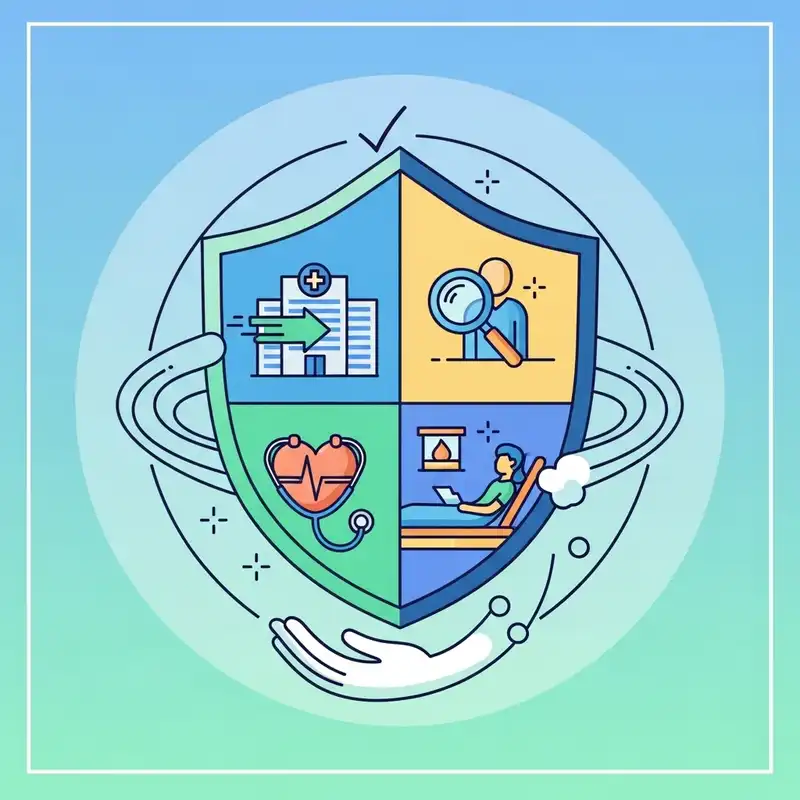
The 'LCIIP Shield': Your Holistic Defence Strategy
To truly protect your future, you need to think beyond just health insurance. We advocate for a conceptual framework we call the LCIIP Shield – a Lifetime Cognitive & Impairment Insurance Protection strategy. This isn't a single product, but a powerful combination of coverages that create a comprehensive financial and medical safety net.
| Insurance Type | Role in Your LCIIP Shield |
|---|---|
| Private Medical Insurance (PMI) | The 'Fix-It' Layer: Provides rapid access to diagnosis, treatment, and therapies for acute conditions (physical and mental) as they arise. Your first line of defence. |
| Critical Illness Cover | The 'Financial Shock' Layer: Pays out a tax-free lump sum if you are diagnosed with a specific, serious illness (e.g., heart attack, stroke, cancer). This money can be used to pay off a mortgage, adapt your home, or cover living costs, removing financial stress during a crisis. |
| Income Protection | The 'Paycheque' Layer: If you are unable to work for an extended period due to any illness or injury, this policy pays you a regular, tax-free monthly income. It protects your lifestyle and financial commitments, preventing a health issue from becoming a financial disaster. |
By layering these three protections, you build a fortress around your family's financial future, shielding it from the devastating domino effect of a serious health decline. At WeCovr, we can often arrange discounts when you take out more than one type of policy, making this comprehensive protection more affordable.
Beyond Insurance: Practical Steps to Reconnect and Thrive
Insurance is your safety net, but proactive lifestyle changes are your foundation. Here are evidence-based steps you can take today to combat loneliness and boost your well-being.
- Find Your Tribe: The key is shared interest. Join a local walking group, a book club, a choir, or a sports team. Websites like Meetup are excellent for finding local groups.
- Volunteer: Giving your time to a cause you care about is one of the most powerful ways to build connections and a sense of purpose.
- Nourish Your Brain and Mood: Your gut is your "second brain." A diet rich in fruits, vegetables, oily fish, and whole grains (a Mediterranean-style diet) can significantly improve mood and cognitive function. For tailored guidance, WeCovr clients get complimentary access to CalorieHero, our AI-powered calorie and nutrition tracking app.
- Prioritise Sleep: Aim for 7-9 hours of quality sleep per night. Poor sleep is a major contributor to low mood and anxiety. Create a relaxing bedtime routine and avoid screens for an hour before bed.
- Move Your Body, Change Your Mind: Just 30 minutes of moderate exercise, like a brisk walk, five times a week can be as effective as antidepressants for mild to moderate depression. It releases endorphins and reduces cortisol.
How a PMI Broker Like WeCovr Secures Your Best Defence
Navigating the UK private medical insurance market can be overwhelming. With dozens of providers and complex policy wording, it's easy to make a costly mistake. This is why using an independent, expert broker is so important.
- Whole-of-Market Access: Unlike going direct to an insurer who can only sell their own products, a broker like WeCovr has access to policies from across the market. We find the one that truly fits your needs and budget.
- Expert, Unbiased Advice: We are authorised and regulated by the Financial Conduct Authority (FCA). Our duty is to you, the client. We'll explain the small print, clarify the jargon, and ensure you understand exactly what you are and are not covered for.
- No Cost to You: Our service is free. We are paid a commission by the insurance provider you choose, which is already built into the price of the policy. You get expert advice without paying a penny extra.
- Proven Customer Satisfaction: Our high ratings on independent review sites reflect our commitment to finding the right solution for every client.
The threat of the UK's loneliness epidemic is real, and its consequences are severe. But you are not powerless. By understanding the risks and taking proactive steps—both in your lifestyle and your financial planning—you can build a powerful shield to protect your health, your well-being, and your family's future prosperity.
Don't wait for a crisis to happen. Take control today.
Contact WeCovr for a free, no-obligation quote and a confidential chat about your private health cover options. Let's build your shield together.
Does private medical insurance cover mental health treatment in the UK?
Can I get PMI if I already have a mental health condition like depression or anxiety?
How much does private medical insurance UK cost in 2025?
What are the main benefits of using a PMI broker like WeCovr?
Sources
- NHS England: Waiting times and referral-to-treatment statistics.
- Office for National Statistics (ONS): Health, mortality, and workforce data.
- NICE: Clinical guidance and technology appraisals.
- Care Quality Commission (CQC): Provider quality and inspection reports.
- UK Health Security Agency (UKHSA): Public health surveillance reports.
- Association of British Insurers (ABI): Health and protection market publications.
Disclaimer: This is general guidance only and does not constitute formal tax or financial advice. Tax treatment depends on individual circumstances, policy terms, and HMRC interpretation, which cannot be guaranteed in advance. Whenever applicable, businesses and individuals should always consult a qualified accountant or tax adviser before arranging such policies.
Start with your Protection Score, then decide whether private health cover is the right fit
Check where health access sits in your overall protection picture before deciding whether to compare private health cover.
Spot whether NHS access risk is the real issue
See if PMI is the gap to fix first
Get health insurance help only if it makes sense for you
Get your score
Start with your protection score
Check your current position first, then get health insurance help if you need it.
Check your current resilience
Score your income, health access and family protection position in a few minutes.
See where private cover helps
Understand whether faster diagnosis and treatment is a priority gap.
Continue to tailored PMI help
If health access is the issue, continue to tailored PMI help.
What you get
A quick view of your current protection position
A clearer idea of where the biggest gaps may be
A direct route to tailored help if you want it