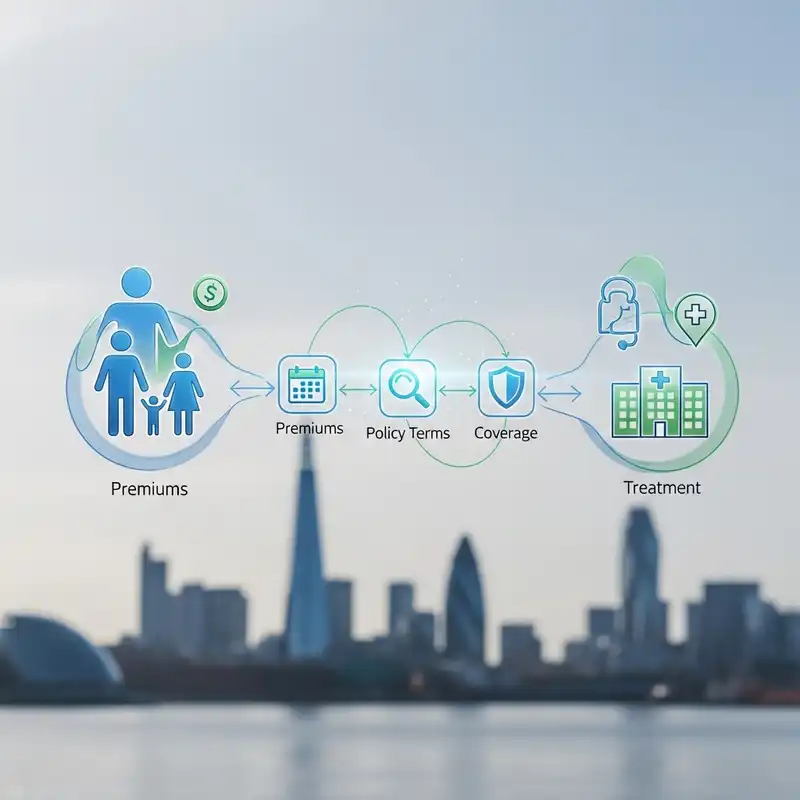
TL;DR
This article explores a growing national health concern and your potential pathways to protection.
Key takeaways
- Secure Your Policy: The first step is to find the right private health cover. Working with an expert PMI broker like WeCovr is invaluable. We help you compare policies from the best PMI providers, ensuring the cover level matches your needs and budget, at no extra cost to you.
- Symptoms Arise: You start experiencing new, concerning symptomsfor example, debilitating fatigue that isn't resolved by sleep and brain fog that affects your work.
- GP Referral: You visit your NHS GP. This is a vital step as most PMI policies require a GP referral to initiate a claim. Your GP assesses your symptoms and agrees that a specialist opinion is warranted.
- See a Private Specialist: Your insurer provides a list of approved specialists. You get an appointment in days or weeks, not months. You see a consultant endocrinologist or gastroenterologist.
- Advanced Diagnostics: The specialist, suspecting an underlying malabsorption issue or severe deficiency, authorises a comprehensive set of blood tests, and perhaps even gut health analysis, covered by your policy as part of the diagnostic process for your acute symptoms.
With an unwavering focus on the UK private medical insurance market, our expert team at WeCovr, an FCA-authorised broker that has helped arrange over 900,000 policies, is dedicated to providing you with the clearest, most insightful guidance. This article explores a growing national health concern and your potential pathways to protection.
UK Nutrition Crisis
A silent crisis is unfolding across the United Kingdom. Beneath the surface of our daily lives, a widespread nutritional deficit is taking root. Projections based on the latest National Diet and Nutrition Survey (NDNS) data indicate that by 2025, more than half of the UK population could be grappling with deficiencies in one or more essential micronutrients.
This isn't just about feeling a bit tired. This is a foundational health collapse with devastating consequences. It's a key driver behind the surge in chronic illness, the decline in our collective mental wellbeing, and a pervasive energy crisis that saps our potential at work and at home.
The economic fallout is just as alarming. For an individual developing multiple, interconnected chronic conditions over their lifetime—conditions often rooted in or exacerbated by poor nutrition—the total cost can be staggering. When factoring in NHS treatment costs, loss of earnings, private care needs, and reduced economic productivity, the lifetime burden can exceed a shocking £4.1 million.
But there is a proactive path forward. While the NHS provides essential care, the private medical insurance (PMI) sector offers a powerful toolkit for those looking to take control. Through PMI, you can gain access to advanced diagnostics and specialist consultations that can uncover these hidden deficiencies, paving the way for personalised interventions that shield your long-term health, vitality, and financial future.
The Silent Epidemic: Unpacking the UK's Nutritional Deficit
The evidence is clear and mounting. The UK's diet is failing to provide the essential building blocks for good health. Data from the government's rolling NDNS programme paints a concerning picture of what we are—and are not—consuming. These trends form the basis of the stark 2025 projection.
Key areas of concern include:
- Iron: Almost half of girls aged 11 to 18 and over a quarter of women aged 19 to 64 have iron intakes below the minimum recommended level. This leads to iron-deficiency anaemia, causing fatigue, poor concentration, and a weakened immune system.
- Vitamin D (illustrative): The "sunshine vitamin" is notoriously difficult to get from our diet, especially during UK winters. NDNS data shows around 1 in 6 adults in the UK have low blood levels of vitamin D, essential for bone health, immune function, and mood regulation.
- Folate: Crucial for cell growth and preventing birth defects, yet 90% of women of childbearing age have a blood folate concentration below the threshold indicating a higher risk of neural tube defects.
- Omega-3 Fatty Acids: Oily fish consumption is well below recommended levels. The average intake is just 56g per week, far short of the suggested 140g. These fats are vital for brain health, cardiovascular function, and reducing inflammation.
- Fibre: The average UK adult consumes just 19g of fibre per day, significantly less than the recommended 30g. Low fibre intake is linked to a higher risk of heart disease, stroke, type 2 diabetes, and bowel cancer.
What's Driving the Decline?
Several factors are converging to create this perfect nutritional storm:
- Ultra-Processed Foods (UPFs): The UK has one of the highest consumption rates of UPFs in Europe. These foods are typically high in calories, unhealthy fats, sugar, and salt, but stripped of essential micronutrients and fibre.
- Cost of Living: As household budgets are squeezed, many families are forced to choose cheaper, less nutritious options over fresh fruit, vegetables, and quality protein sources.
- Soil Depletion: Modern agricultural practices have, in some cases, led to a decline in the mineral content of soil, meaning the fruit and vegetables we eat may be less nutrient-dense than they were decades ago.
- Lifestyle Changes: Hectic, desk-based lives often lead to convenience-first food choices and less time spent outdoors, further impacting Vitamin D levels.
The Alarming £4.1 Million+ Lifetime Burden: A Personal Cost Breakdown
The figure "£4.1 million+" may seem abstract, but it represents the potential, tangible lifetime cost for a single individual who develops severe, nutrition-related chronic conditions. It is an illustrative calculation, not a national average, designed to show the profound financial impact that poor health can have.
Let's break down how such a cost could accumulate over a lifetime for someone who develops type 2 diabetes, cardiovascular disease, and severe depression—all conditions with strong links to nutritional status.
| Cost Category | Description | Potential Lifetime Cost Example |
|---|---|---|
| Direct Healthcare Costs | NHS costs for GP visits, specialist consultations, medication, hospital stays, and procedures. | £500,000+ |
| Indirect Social Care | Costs for carers, home modifications, and residential care if conditions lead to disability. | £750,000+ |
| Loss of Earnings | Reduced ability to work, career interruption, or early retirement due to ill health. | £1,500,000+ |
| Loss of Pension Value | Lower lifetime contributions due to reduced earnings, leading to a smaller pension pot. | £350,000+ |
| Private Expenditure | Out-of-pocket costs for therapies, equipment, or treatments not covered by the NHS. | £100,000+ |
| Economic Productivity Loss | The wider economic impact of reduced output and tax contributions. | £900,000+ |
| Total Illustrative Lifetime Burden | (For one individual) | £4,100,000+ |
This staggering figure highlights a crucial concept: Lifetime Cost of Illness & Incapacity Prevention (LCIIP). Investing in your health today through better diagnostics and proactive care isn't a cost; it's the most effective way to shield yourself from this devastating future financial and personal burden.
Beyond Your GP: How Private Medical Insurance Unlocks Advanced Nutritional Diagnostics
The NHS is the bedrock of our healthcare system, but it is designed to treat established disease. When it comes to the subtle, creeping symptoms of nutritional deficiency, it can be challenging to get the in-depth diagnostic testing needed to uncover the root cause. This is where a robust private medical insurance UK policy can be transformative.
Crucial Clarification: Standard UK private health cover is for diagnosing and treating acute conditions that arise after you take out your policy. It does not cover pre-existing conditions or the day-to-day management of chronic illnesses like diabetes or established heart disease.
However, PMI excels in the diagnostic phase. If you present to your GP with new, unexplained symptoms like persistent fatigue, brain fog, digestive issues, or sudden mood changes (all potential signs of an acute problem), a PMI policy can fast-track you to a private specialist. This specialist can then authorise a range of advanced tests that may not be readily available on the NHS.
| Diagnostic Tool | Standard NHS Pathway | Potential Private Pathway (via PMI) |
|---|---|---|
| Basic Blood Tests | Standard Full Blood Count (FBC), checks for basic markers like iron. | Available, often with a wait for non-urgent cases. |
| Advanced Nutrient Panels | Not routinely offered. Testing for Vitamin D, B12, Folate, Magnesium, Zinc may be restricted. | Comprehensive panels testing a wide array of vitamins, minerals, and amino acids can be authorised by a specialist to diagnose a condition. |
| Genetic Testing | Extremely limited, usually for specific, severe inherited diseases. | Certain policies may cover genetic tests (e.g., MTHFR gene) that reveal how your body processes key nutrients like folate, as part of a diagnostic investigation. |
| Gut Health Analysis | Limited to specific conditions like Coeliac disease or IBD. Stool tests are not routine for general gut health. | Advanced stool analysis (microbiome testing) can be used to diagnose conditions like SIBO (Small Intestinal Bacterial Overgrowth) or dysbiosis. |
| Specialist Consultation | Long waiting lists to see a gastroenterologist or endocrinologist. Dietitian access can be limited. | Fast access to a private consultant and subsequent referral to a registered dietitian or clinical nutritionist as part of a treatment plan. |
This access to superior diagnostics is the key. It allows you to move from guessing to knowing, identifying the precise nutritional imbalances that are undermining your health before they escalate into chronic, irreversible conditions.
Your PMI Pathway: From Unexplained Symptoms to a Personalised Action Plan
Navigating the world of private healthcare can seem complex, but the pathway is logical and empowers you to take control.
- Secure Your Policy: The first step is to find the right private health cover. Working with an expert PMI broker like WeCovr is invaluable. We help you compare policies from the best PMI providers, ensuring the cover level matches your needs and budget, at no extra cost to you.
- Symptoms Arise: You start experiencing new, concerning symptoms—for example, debilitating fatigue that isn't resolved by sleep and brain fog that affects your work.
- GP Referral: You visit your NHS GP. This is a vital step as most PMI policies require a GP referral to initiate a claim. Your GP assesses your symptoms and agrees that a specialist opinion is warranted.
- See a Private Specialist: Your insurer provides a list of approved specialists. You get an appointment in days or weeks, not months. You see a consultant endocrinologist or gastroenterologist.
- Advanced Diagnostics: The specialist, suspecting an underlying malabsorption issue or severe deficiency, authorises a comprehensive set of blood tests, and perhaps even gut health analysis, covered by your policy as part of the diagnostic process for your acute symptoms.
- The Diagnosis: The tests reveal you have pernicious anaemia (an autoimmune condition preventing B12 absorption) and critically low Vitamin D levels. This is an acute, diagnosable medical condition.
- Treatment Plan: The consultant creates a treatment plan. This will involve a course of B12 injections and a high-dose Vitamin D supplement programme to correct the deficiency and treat the condition. This is when supplementation becomes part of a covered medical treatment, prescribed by a specialist to treat a diagnosed illness.
- Monitoring & Follow-up: Your policy covers follow-up consultations to ensure the treatment is working and your levels are returning to normal.
This pathway demonstrates how PMI acts as a powerful tool not for general wellness, but for rapidly diagnosing and treating the medical conditions that are often rooted in nutrition.
WeCovr's Added Value: Your Partner in Foundational Health
Choosing a PMI policy is a significant decision. At WeCovr, we believe in providing a holistic service that extends beyond just finding you a policy. We are an FCA-authorised broker with high customer satisfaction ratings, committed to being your long-term health partner.
Our value-added benefits include:
- Complimentary Access to CalorieHero: All our PMI and Life Insurance clients receive free access to our AI-powered calorie and nutrition tracking app, CalorieHero. This powerful tool helps you take control of your daily diet, monitor macronutrients and micronutrients, and build the healthy habits that form the bedrock of vitality.
- Expert, Unbiased Advice: Our team doesn't work for the insurers; we work for you. We demystify the jargon, explain the critical differences between policies, and find the best PMI provider for your unique circumstances.
- Multi-Policy Discounts: When you protect your health with us, we can offer you exclusive discounts on other essential cover, such as life insurance or income protection, providing comprehensive financial resilience for you and your family.
We understand that navigating the private medical insurance UK market can be daunting. Our mission is to make it simple, transparent, and effective.
Your First Line of Defence: Actionable Lifestyle Changes
While insurance provides a safety net, your daily choices are your first line of defence. Building a foundation of health is a non-negotiable part of the LCIIP strategy.
1. Prioritise a Nutrient-Dense Diet
Focus on whole foods and minimise ultra-processed items. A simple way to start is with smart food swaps.
| Instead Of... | Try This Nutrient-Rich Alternative | Key Nutrient Boost |
|---|---|---|
| White Bread, Pasta, Rice | Wholegrain Bread, Brown Rice, Quinoa | Fibre, B Vitamins, Magnesium |
| Sugary Breakfast Cereal | Porridge with Berries and Nuts/Seeds | Fibre, Antioxidants, Omega-3s |
| Crisps and Biscuits | A Handful of Almonds or an Apple | Healthy Fats, Vitamin E, Fibre |
| Fizzy Drinks | Sparkling Water with Lemon and Mint | Hydration (without sugar) |
| Processed Meats | Oily Fish (Salmon, Mackerel), Lentils, Chicken | Omega-3s, Iron, Lean Protein |
2. Optimise Your Sleep
Sleep is when your body repairs and regenerates. Poor sleep disrupts hormones that control appetite and stress, making you more likely to reach for unhealthy foods.
- Aim for 7-9 hours of quality sleep per night.
- Create a routine: Go to bed and wake up at the same time, even on weekends.
- Optimise your environment: Keep your bedroom dark, quiet, and cool.
- Avoid screens for at least an hour before bed.
3. Move Your Body Daily
You don't need to run a marathon. Consistent, moderate activity is key.
- Aim for 150 minutes of moderate-intensity activity (like brisk walking) or 75 minutes of vigorous activity (like running or HIIT) per week.
- Incorporate strength training two days a week to build muscle, which improves metabolic health.
- Get outside: A daily walk, especially around midday, can help boost your Vitamin D levels naturally.
Critical Considerations: Understanding PMI Exclusions for Chronic & Pre-Existing Conditions
This is the most important section of this article for any prospective policyholder to understand. Private medical insurance in the UK does not cover chronic or pre-existing conditions.
- Pre-existing Condition: Any disease, illness, or injury for which you have had symptoms, medication, advice, or treatment before your policy start date. For example, if you were diagnosed with asthma five years ago, your PMI policy will not cover your asthma.
- Chronic Condition: A condition that is long-lasting and requires ongoing management, but cannot be cured. Examples include diabetes, hypertension, arthritis, and Crohn's disease. PMI will not cover the routine management of these conditions.
So, how can it help?
PMI is for acute conditions. An acute condition is a disease, illness, or injury that is likely to respond quickly to treatment and lead to a full recovery.
The link to nutrition is this: many acute conditions are either caused by or are the first sign of an underlying issue. PMI's strength lies in its ability to rapidly diagnose and treat that acute condition, which in turn can prevent the development of a chronic illness down the line.
Example:
- Chronic/Excluded: You have been diagnosed with Type 2 Diabetes for three years. Your PMI will not pay for your insulin, blood sugar monitors, or regular check-ups with your diabetologist.
- Acute/Potentially Covered: You have a new policy and develop symptoms of extreme thirst and fatigue. Your GP refers you to a specialist who, via tests covered by your PMI, diagnoses you with Type 2 Diabetes for the first time. Your policy would cover the initial diagnosis and the consultant's plan for stabilisation, but not the long-term, day-to-day management thereafter, as it would then be classified as a chronic condition.
Understanding this distinction is vital to having the correct expectations of what a private health cover plan can and cannot do.
Will private medical insurance pay for my vitamin supplements?
Do I need to declare my diet or lifestyle when applying for private health cover?
Can I use PMI to see a nutritionist?
Is it worth getting private medical insurance if I'm young and healthy?
The evidence is undeniable. The UK faces a growing nutritional crisis that threatens our health, happiness, and economic future. While public services are essential, taking personal responsibility for your health has never been more critical.
A comprehensive private medical insurance policy is not a luxury; it is a strategic tool for proactive health management. It provides the key to unlocking the advanced diagnostics and specialist care needed to identify and address the root causes of illness, shielding you from the devastating lifetime costs of chronic disease.
Don't wait for a health crisis to become a financial crisis. Take the first step towards protecting your foundational vitality today.
Contact WeCovr for a free, no-obligation quote and discover how the right private health cover can secure your health and your future.
Sources
- NHS England: Waiting times and referral-to-treatment statistics.
- Office for National Statistics (ONS): Health, mortality, and workforce data.
- NICE: Clinical guidance and technology appraisals.
- Care Quality Commission (CQC): Provider quality and inspection reports.
- UK Health Security Agency (UKHSA): Public health surveillance reports.
- Association of British Insurers (ABI): Health and protection market publications.
Disclaimer: This is general guidance only and does not constitute formal tax or financial advice. Tax treatment depends on individual circumstances, policy terms, and HMRC interpretation, which cannot be guaranteed in advance. Whenever applicable, businesses and individuals should always consult a qualified accountant or tax adviser before arranging such policies.
Start with your Protection Score, then decide whether private health cover is the right fit
Check where health access sits in your overall protection picture before deciding whether to compare private health cover.
Spot whether NHS access risk is the real issue
See if PMI is the gap to fix first
Get health insurance help only if it makes sense for you
Get your score
Start with your protection score
Check your current position first, then get health insurance help if you need it.
Check your current resilience
Score your income, health access and family protection position in a few minutes.
See where private cover helps
Understand whether faster diagnosis and treatment is a priority gap.
Continue to tailored PMI help
If health access is the issue, continue to tailored PMI help.
What you get
A quick view of your current protection position
A clearer idea of where the biggest gaps may be
A direct route to tailored help if you want it