TL;DR
A silent crisis is unfolding across the United Kingdom. It doesn’t make daily headlines, but its consequences are life-altering, financially ruinous, and are set to impact millions. This isn't just a health warning; it's a financial and lifestyle red alert.
Key takeaways
- Specialist Consultations: Getting you in front of a top rheumatologist or endocrinologist in days.
- DEXA Scans: The gold-standard test for measuring bone mineral density.
- X-rays and MRIs: To investigate specific areas of pain or rule out existing fractures.
UK Osteoporosis Early Detection Cost Saving
UK Osteoporosis Early Detection Cost Saving
A silent crisis is unfolding across the United Kingdom. It doesn’t make daily headlines, but its consequences are life-altering, financially ruinous, and are set to impact millions. By 2025, it is projected that over 3 million people in the UK will be living with osteoporosis, a condition that hollows out bones from the inside, leaving them fragile and dangerously susceptible to fracture from a minor fall, a bump, or even a sneeze.
This isn't just a health warning; it's a financial and lifestyle red alert. A single osteoporosis-related hip fracture can trigger a cascade of costs exceeding £500,000 over a lifetime, encompassing everything from private surgery and rehabilitation to long-term social care, home modifications, and lost income. It represents the sudden loss of independence, the onset of chronic pain, and a future defined by fear and limitation.
While the NHS provides exceptional emergency care, the system is straining under immense pressure. Waiting lists for diagnostics and specialist consultations can stretch for months, a critical delay when every week counts in preventing the first, life-changing fracture.
But there is another path. A proactive pathway that puts you in control. This guide will illuminate the true scale of the UK's osteoporosis challenge and reveal how a strategic Private Medical Insurance (PMI) plan can be your most powerful tool for early detection, rapid treatment, and the preservation of your most valuable assets: your health, your independence, and your financial security.
The Silent Epidemic: Unmasking Osteoporosis in the UK
To understand the solution, we must first grasp the scale of the problem. Osteoporosis is often tragically misunderstood as a simple consequence of ageing. The reality is far more complex and insidious.
What Exactly is Osteoporosis?
Imagine the inside of a healthy bone is like a dense, tightly woven honeycomb. In a bone with osteoporosis, the holes and spaces in this honeycomb become much larger. This structural decay weakens the bone, making it porous and brittle.
The term 'osteoporosis' literally means 'porous bone'. It is a progressive condition that diminishes bone density and quality, leading to a significantly increased risk of fracture. Because it develops slowly and without any outward symptoms, it's often dubbed the "silent disease." For hundreds of thousands of people each year, the first sign that anything is wrong is the sound and sudden pain of a breaking bone.
The 2025 Projections: A National Health Emergency
The statistics are stark and paint a concerning picture for the immediate future.
- Prevalence: The Royal Osteoporosis Society (ROS) estimates that over 3 million people in the UK are currently living with osteoporosis. This number is steadily climbing due to our ageing population.
- Annual Fractures: In the UK, a staggering half a million fragility fractures occur each year due to osteoporosis. That's one every single minute.
- Hip Fractures: There are over 76,000 hip fractures annually, a number projected to rise. These are the most severe and life-threatening type of osteoporotic fracture.
- Demographics: While one in two women over 50 will break a bone due to osteoporosis, it's crucial to note that one in five men are also affected. This is not exclusively a "woman's disease."
By 2025, the cumulative impact of these figures will place an unprecedented burden on the NHS, social care systems, and individual families.
Who is at Risk? Identifying the Key Factors
While age is a primary risk factor, many other elements contribute to the development of osteoporosis. Understanding your personal risk profile is the first step towards proactive prevention.
Unmodifiable Risk Factors:
- Gender: Women are at higher risk, especially after menopause when levels of bone-protecting oestrogen fall.
- Age: Bone density naturally decreases as we get older.
- Family History: A parental history of hip fracture is a strong indicator of genetic predisposition.
- Previous Fractures: A prior fragility fracture significantly increases the risk of another.
- Certain Medical Conditions: Conditions like rheumatoid arthritis, Crohn's disease, and coeliac disease can interfere with nutrient absorption.
- Hormonal Issues: Low testosterone in men or early menopause in women.
Modifiable & Lifestyle Risk Factors:
- Medication: Long-term use of certain drugs, particularly high-dose steroids (corticosteroids).
- Low Body Mass Index (BMI): Having a BMI below 19 can be a significant risk.
- Diet: A lifetime of low calcium and vitamin D intake.
- Lifestyle: A sedentary lifestyle with little weight-bearing exercise.
- Smoking: Tobacco is directly toxic to bone-building cells.
- Excessive Alcohol: Consuming more than 14 units of alcohol per week can interfere with the body's ability to absorb calcium.
If several of these risk factors apply to you, it's a clear signal to move from passive awareness to active investigation.
The True Cost of a Fracture: A Lifetime of Consequences
The physical pain of a broken bone is just the beginning. The subsequent financial, emotional, and lifestyle costs are what truly devastate lives. The headline figure of £500,000+ in lifetime costs isn't scaremongering; it's a calculated reality for those who suffer a severe hip fracture and require long-term care.
Financial Devastation: Breaking Down the £500,000+ Bill
How can the cost spiral so high in a country with a National Health Service? The expenses extend far beyond the initial hospital stay.
| Cost Category | Description | Estimated Potential Cost (Lifetime) |
|---|---|---|
| Immediate Private Care | Electing for private surgery/rehab to bypass NHS waits for quicker recovery. | £15,000 - £25,000 |
| Loss of Earnings | Inability to work for the individual or a family member who becomes a carer. | £50,000 - £200,000+ |
| Home Modifications | Installing stairlifts, walk-in showers, ramps, and other essential aids. | £5,000 - £30,000 |
| Private Rehabilitation | Ongoing private physiotherapy, hydrotherapy, and occupational therapy. | £10,000 - £40,000 |
| Paid Social Care | Costs for carers visiting the home daily to assist with washing, dressing, etc. | £20,000 - £50,000 per year |
| Residential Care | The cost of a care home if independent living is no longer possible. | £350,000 - £700,000+ |
Note: These are illustrative estimates. Costs can vary significantly based on location, severity of the fracture, and individual needs.
The most significant expense is long-term care. According to market analysis from 2024, the average cost of a UK residential care home is now over £45,000 per year. For someone needing a decade of care following a fracture, the cost quickly exceeds half a million pounds, eroding life savings and property wealth. (illustrative estimate)
The Unseen Toll: Independence, Confidence, and Mental Health
Beyond the balance sheet, the human cost is immeasurable.
- Loss of Independence: A hip or spinal fracture can mean the end of driving, shopping, gardening, and socialising independently. Daily tasks that were once simple become monumental challenges.
- Chronic Pain: Many who suffer vertebral (spinal) fractures live with debilitating, persistent pain and a change in posture.
- Fear of Falling: This develops into a powerful phobia, leading individuals to become housebound. This self-imposed isolation is a gateway to loneliness and depression.
- Mental Health: Studies show that up to a third of hip fracture patients experience symptoms of depression. The sudden loss of autonomy and fear for the future can be psychologically crushing.
Consider the story of "Susan," a vibrant 68-year-old who loved walking her dog and visiting her grandchildren. A simple trip on a pavement resulted in a shattered hip. After her NHS surgery, she faced a lengthy wait for community physiotherapy. Her recovery was slow, her confidence shattered. She became terrified of falling again and sold her two-story home for a bungalow. Her world, once full of activity, shrank to the four walls of her living room. This is the reality osteoporosis creates every day in the UK.
The NHS vs. The Private Route: A Tale of Two Timelines
Understanding how osteoporosis is diagnosed is key to appreciating the value of a proactive, private approach. The two pathways offer vastly different experiences in terms of speed and control.
The Standard NHS Pathway
If you visit your GP with concerns about osteoporosis, they will typically use a risk assessment tool like FRAX® or QFracture™. These algorithms estimate your 10-year probability of a major fracture based on the risk factors we've listed.
- GP Appointment: The first step is securing an appointment, which can itself involve a wait of several weeks.
- Risk Assessment: The GP performs the risk calculation.
- Referral Threshold: If your risk score crosses a certain threshold, the GP will refer you for a bone density scan, known as a DEXA (or DXA) scan.
- The Waiting Game: This is the critical bottleneck. NHS waiting times for diagnostics like DEXA scans can be lengthy. As of early 2025 projections, patients in some trusts face waits of 4-6 months or longer for non-urgent diagnostic imaging.
- Diagnosis: Only after the scan can a definitive diagnosis be made and a treatment plan initiated.
During these months of waiting, you remain at an unmanaged, elevated risk of a fracture. The NHS is designed to be reactive to acute events, but for a silent, progressive disease, this reactive model can mean a diagnosis comes too late—after the first break.
The PMI Advantage: Speed, Choice, and Control
Private Medical Insurance fundamentally changes this timeline. It allows you to bypass the queues and take immediate, decisive action.
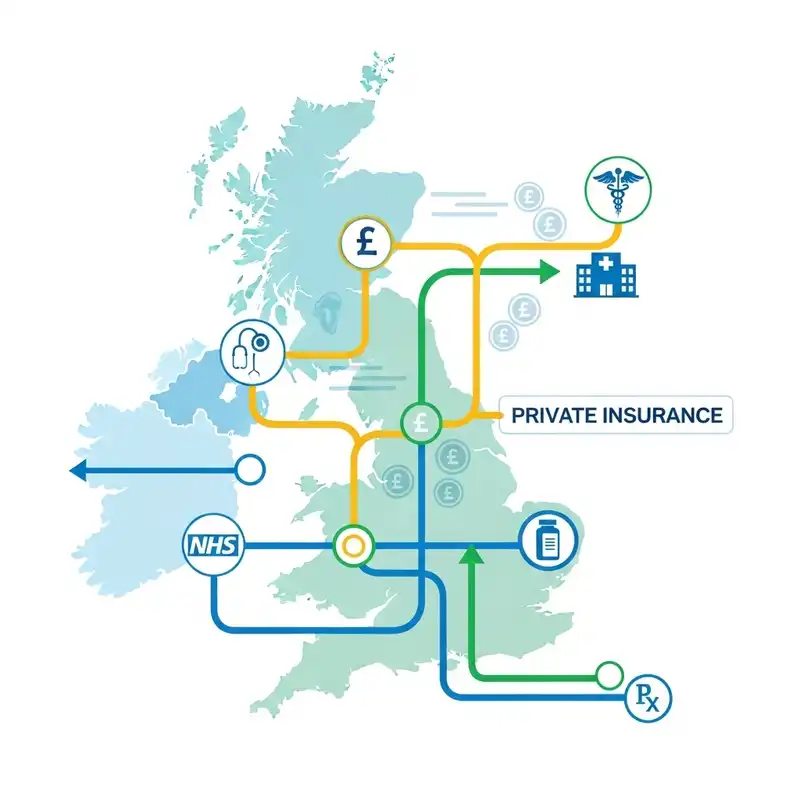
| Feature | NHS Pathway | Private Medical Insurance Pathway |
|---|---|---|
| Initial Consultation | Wait for GP appointment (weeks) | See a private GP same/next day |
| Specialist Referral | GP refers to NHS specialist (months) | Direct referral to a top consultant |
| Specialist Access | See the next available NHS specialist | Choose your preferred consultant/hospital |
| Diagnostic Scan | Wait for NHS DEXA scan (4-6+ months) | Scan performed within days/weeks |
| Results & Plan | Follow-up appointment wait | Fast consultation to discuss results |
| Total Time to Diagnosis | Often 6-9 months | Often 2-4 weeks |
With PMI, if you and your GP agree that your risk factors warrant investigation, the process is accelerated:
- Swift Referral: Your GP provides an open referral to a specialist (e.g., a Consultant Rheumatologist).
- Rapid Appointment: You can book an appointment with a leading specialist of your choice, often within a week or two.
- Immediate Diagnostics: The consultant will refer you for a DEXA scan, which can typically be arranged at a private hospital within a few days.
- Fast-Tracked Treatment Plan: With a rapid diagnosis, a management plan involving medication, diet, and exercise can begin almost immediately, drastically reducing your risk of a near-term fracture.
This speed is not a luxury; it's a critical preventative measure. It's the difference between managing your risk and simply waiting for a disaster to happen.
Demystifying PMI for Bone Health: Understanding Your Cover
It is absolutely essential to understand what Private Medical Insurance is designed for. This clarity ensures you have the right expectations and can use your policy effectively.
The Golden Rule: Acute vs. Chronic Conditions
This is the most important principle in UK private health insurance.
PMI is designed to cover the diagnosis and treatment of new, acute medical conditions that arise after you have taken out your policy.
- An acute condition is a disease, illness, or injury that is likely to respond quickly to treatment and lead to a full recovery (e.g., a bone fracture, appendicitis, cataracts).
- A chronic condition is a disease, illness, or injury that has one or more of the following characteristics: it needs long-term monitoring, has no known cure, is likely to recur, or requires ongoing management (e.g., diabetes, asthma, and diagnosed osteoporosis).
Therefore, standard PMI policies will NOT cover the day-to-day, long-term management of diagnosed osteoporosis. This includes things like repeat prescriptions for medications like Alendronic Acid or monitoring appointments once your condition is stable. These will revert to the NHS.
So, where is the value? The immense value of PMI lies in the diagnostic phase and the treatment of acute events related to the condition.
How PMI Powerfully Supports Your Bone Health
-
Rapid Diagnostics (The Game-Changer): This is the core benefit for osteoporosis prevention. If you develop symptoms or have significant risk factors after your policy begins, your PMI plan can cover the costs of:
- Specialist Consultations: Getting you in front of a top rheumatologist or endocrinologist in days.
- DEXA Scans: The gold-standard test for measuring bone mineral density.
- X-rays and MRIs: To investigate specific areas of pain or rule out existing fractures. Your policy's outpatient cover is crucial here. Ensure your plan has a generous outpatient limit to cover these consultations and scans without needing a hospital stay.
-
Treatment of an Acute Fracture: If you were to unfortunately suffer a fracture after your policy has started, PMI could cover:
- Private Surgery: Performed by a leading orthopaedic surgeon of your choice, in a comfortable private hospital.
- Enhanced Rehabilitation: A comprehensive post-operative package of physiotherapy, hydrotherapy, and occupational therapy to get you back on your feet faster than might be possible through strained community services. This can dramatically improve your recovery outcome.
-
Mental Health Support: Many comprehensive PMI plans now include excellent mental health benefits. If you receive a diagnosis or suffer a fracture, this support can help you cope with the anxiety and emotional impact, which is a vital part of a holistic recovery.
Navigating the nuances of different policies can be complex. An expert broker like WeCovr can be invaluable. We specialise in analysing the small print of policies from across the market to find plans with robust diagnostic and outpatient benefits, ensuring you have the cover you need when it matters most.
Your Proactive Strategy for Lifelong Bone Health
You have the power to influence your bone health trajectory. A fracture is not an inevitability. By combining smart lifestyle choices with a strategic approach to your healthcare, you can build a robust defence.
Step 1: Understand Your Personal Risk
Be honest with yourself. Review the risk factor checklist earlier in this article. The Royal Osteoporosis Society also has an excellent online risk checker. Understanding your baseline is the essential first step.
Step 2: Implement Lifestyle Interventions Today
These actions form the foundation of strong bones and are within your control.
- Diet:
- Calcium: Aim for 700-1000mg per day. Good sources include milk, yoghurt, cheese, leafy greens (kale, broccoli), and fortified foods.
- Vitamin D: Essential for calcium absorption. The sun is the best source, but during UK autumns and winters, a daily 10 microgram supplement is recommended for everyone.
- Exercise:
- Weight-Bearing: Activities where your feet and legs support your body weight. Examples include brisk walking, jogging, dancing, and stair climbing.
- Muscle-Strengthening: Activities that work your muscles against resistance. Examples include lifting weights, using resistance bands, or even bodyweight exercises like push-ups and squats.
Step 3: Leverage Expert Guidance to Secure the Right Cover
The PMI market is vast, with dozens of providers and hundreds of policy variations. Trying to navigate this alone can be overwhelming. This is where a specialist broker adds immense value.
At WeCovr, our role is to act as your expert advocate. We take the time to understand your personal health concerns and budget. Then, we meticulously compare policies from all the UK's leading insurers—like Bupa, AXA Health, Aviva, and Vitality—to find the one that best aligns with your needs. We focus on securing plans with strong outpatient and diagnostic cover, giving you the power of early detection.
Step 4: Go Beyond Insurance with Holistic Health Tools
We believe in empowering our clients beyond just their insurance policy. That's why every WeCovr customer receives complimentary access to our proprietary AI-powered app, CalorieHero.
This powerful tool makes tracking your nutritional intake simple and intuitive. For bone health, you can use it to ensure you're consistently hitting your daily calcium and Vitamin D targets, turning dietary advice into actionable daily practice. It's another way we demonstrate our commitment to your long-term health and wellbeing, helping you build a stronger future from the inside out.
Case Study: Helen vs. David – A Tale of Two Pathways
To see the profound impact of the private pathway, let's consider a fictional but highly realistic scenario of two 66-year-olds with similar risk profiles.
Without PMI: David's Story David, recently retired, has a family history of osteoporosis. He's been feeling a dull ache in his back but puts it down to "getting older."
- Month 1: He calls his GP for an appointment and gets one for three weeks' time.
- Month 2: The GP agrees he has risk factors and refers him to the local NHS rheumatology clinic. He is told the wait is approximately 22 weeks.
- Month 6: While lifting a bag of compost in the garden, he feels a sudden, sharp pain in his spine. An X-ray in A&E reveals a vertebral compression fracture.
- Outcome: David is now in chronic pain. His diagnosis of severe osteoporosis has come after a debilitating fracture. He is fearful of activity, and his plans for an active retirement are put on hold.
With PMI: Helen's Story Helen has the same family history and has started to experience similar backaches. She has a mid-range PMI policy.
- Day 1: She uses her policy's 'Digital GP' service and speaks to a doctor that afternoon. The GP agrees a specialist opinion is wise and provides an open referral letter.
- Day 4: Helen's broker, WeCovr, has helped her identify a top-rated rheumatologist covered by her insurer. She calls and books an appointment for the following week.
- Day 12: She sees the specialist, who immediately refers her for a DEXA scan and an MRI to investigate the back pain.
- Day 15: She has both scans at a local private hospital.
- Day 20: She has her follow-up consultation. The scans reveal she has osteopenia (the precursor to osteoporosis) but no fracture yet.
- Outcome: Helen begins treatment immediately. She is empowered with a clear dietary and exercise plan from her consultant. She has avoided a fracture, preserved her mobility, and can face her retirement with confidence, not fear.
The difference in their outcomes is not luck; it is a direct result of the pathway they were on. Helen's investment in PMI bought her the most valuable commodity in preventative health: time.
Don't Wait For The Break: Secure Your Future Today
The projected rise in osteoporosis-related fractures by 2025 is a clear and present danger to the health, wealth, and independence of millions in Britain. Relying on a reactive system for a silent, progressive disease is a gamble that too many will lose.
Waiting for a fracture is not a strategy. It is an invitation for pain, dependency, and financial hardship. The alternative is to be proactive, informed, and insured.
A well-chosen Private Medical Insurance policy is your key to unlocking the private pathway. It provides the speed and choice needed for early diagnosis, giving you the chance to manage your bone health before it's too late. It’s an investment not just in your physical health, but in your autonomy, your quality of life, and your ability to live your later years on your own terms.
The time to act is now. Take control of your health narrative. Speak to one of our expert advisors at WeCovr for a no-obligation chat. Let us help you compare your options and build a safety net that protects you from the shock of a fracture and preserves the independent future you deserve.
Sources
- NHS England: Waiting times and referral-to-treatment statistics.
- Office for National Statistics (ONS): Health, mortality, and workforce data.
- NICE: Clinical guidance and technology appraisals.
- Care Quality Commission (CQC): Provider quality and inspection reports.
- UK Health Security Agency (UKHSA): Public health surveillance reports.
- Association of British Insurers (ABI): Health and protection market publications.