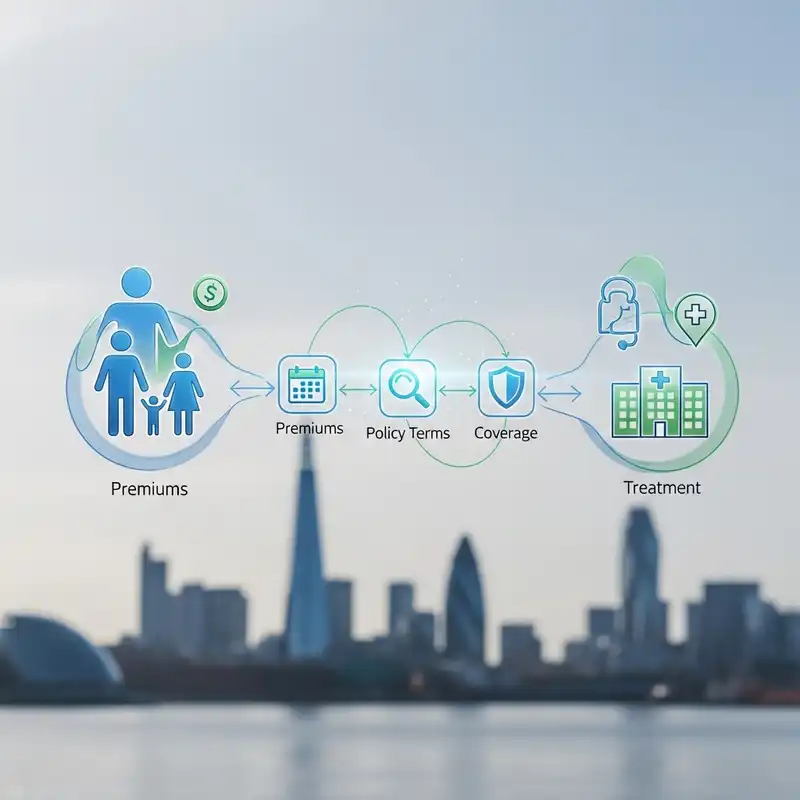
TL;DR
In the intricate landscape of modern healthcare, simply having access to medical services is no longer enough. The sheer volume of information, the labyrinthine referral pathways, and the often-lengthy waiting lists can leave individuals feeling overwhelmed and disempowered, even within highly regarded systems. Think of it as having a personal health assistant, dedicated to optimising your healthcare journey, from initial symptom to full recovery.
Key takeaways
- Pre-existing Conditions: This is arguably the most significant exclusion. Private health insurance policies in the UK typically do not cover pre-existing medical conditions. A pre-existing condition is generally defined as any disease, illness, or injury for which you have received medication, advice, or treatment, or experienced symptoms, at any time before your policy started, whether or not a diagnosis was made.
- Moratorium Underwriting: This is the most common method. The insurer does not ask about your medical history initially. However, any condition you had symptoms of, received treatment for, or sought advice on in the 5 years before the policy started will generally be excluded for a set period (usually 2 years). If, after this 2-year period, you haven't experienced any symptoms, received advice, or had treatment for that condition, it may then become covered.
- Full Medical Underwriting (FMU): With FMU, you provide a full medical history when you apply. The insurer reviews this history and may apply specific exclusions (e.g., "This policy excludes any treatment for your pre-existing back pain") or sometimes agree to cover conditions that are stable. While more upfront, it offers greater clarity on what is and isn't covered from day one.
- Chronic Conditions: This is another critical exclusion. Private health insurance typically does not cover chronic conditions. A chronic condition is a disease, illness, or injury that has one or more of the following characteristics: it needs ongoing or long-term management; it requires long-term monitoring, consultations, check-ups, or examinations; it means you need to be rehabilitated or re-educated; it continues indefinitely; it comes back or is likely to come back. Examples include diabetes, asthma, hypertension, arthritis, and heart conditions. These are usually managed by the NHS in the long term. Private insurance focuses on acute, curable conditions.
- Emergency Care: For genuine emergencies (e.g., heart attack, severe accident), you should always go to an NHS A&E department. Private health insurance does not cover emergency treatment.
UK Private Health Insurance Health Concierge
UK Private Health Insurance Health Concierge
In the intricate landscape of modern healthcare, simply having access to medical services is no longer enough. The sheer volume of information, the labyrinthine referral pathways, and the often-lengthy waiting lists can leave individuals feeling overwhelmed and disempowered, even within highly regarded systems. In the United Kingdom, while the National Health Service (NHS) stands as a pillar of public healthcare, providing universal access free at the point of use, its increasing pressures mean that navigating its complexities can be a daunting task.
This is where UK private health insurance (PHI) steps in, transforming from a mere financial safeguard into a bespoke "health concierge service." It’s far more than just paying for private treatment; it’s about providing a guiding hand, offering unparalleled choice, and ensuring swift, streamlined access to the medical expertise you need, when you need it. Think of it as having a personal health assistant, dedicated to optimising your healthcare journey, from initial symptom to full recovery. This article will delve deep into how private health insurance in the UK delivers this crucial concierge experience, offering peace of mind and proactive health management in an increasingly complex medical ecosystem.
Understanding the UK Medical Ecosystem: NHS vs. Private Healthcare
To fully appreciate the concierge role of private health insurance, it's essential to first understand the unique dynamics of the UK's healthcare landscape, particularly the interplay between the National Health Service and the private sector.
The National Health Service (NHS): Strengths and Mounting Challenges
Established in 1948, the NHS is celebrated globally for its founding principle: healthcare free at the point of delivery for all residents, funded by general taxation. Its strengths are undeniable:
- Universal Access: Everyone can access essential medical services, regardless of their ability to pay.
- Comprehensive Care: It covers a vast range of services, from routine GP appointments to complex surgeries and emergency care.
- Dedicated Professionals: The NHS is staffed by millions of highly skilled and dedicated healthcare professionals.
However, the NHS today faces unprecedented challenges, largely due to a growing and ageing population, the rising cost of new medical technologies, and workforce shortages. These pressures manifest in several critical ways that directly impact patient experience:
- Long Waiting Lists: Perhaps the most visible symptom of strain is the extensive waiting times for routine appointments, diagnostic tests, specialist consultations, and elective surgeries. Patients can wait weeks for a GP appointment, months for specialist referrals, and even over a year for certain procedures. This can lead to anxiety, worsening symptoms, and delayed diagnosis.
- Complexity of Navigation: For those unfamiliar with the system, understanding referral pathways, finding the right department, or even knowing where to go for specific issues can be bewildering. GPs act as gatekeepers, and while necessary, this can add another layer of waiting and administrative steps.
- Limited Choice: While the NHS provides excellent care, patients often have limited choice over their specific consultant, the hospital where they receive treatment, or the exact timing of their appointments.
- Funding Pressures: Despite significant investment, demand continues to outstrip resources, leading to difficult decisions about resource allocation and service provision.
Private Healthcare's Complementary Role
Private healthcare in the UK is not designed to replace the NHS, but rather to complement it. It operates on a different funding model – primarily through private health insurance, self-pay, or employer-sponsored schemes. Its core tenets are:
- Choice: Patients can often choose their consultant, hospital, and appointment times.
- Speed: Significantly reduced waiting times for consultations, diagnostics, and treatments.
- Comfort: Private facilities often offer enhanced amenities, such as private rooms, en-suite bathrooms, and improved catering, leading to a more comfortable patient experience.
- Personalisation: Greater opportunity for one-on-one time with clinicians and tailored care plans.
While the NHS remains the go-to for emergencies and critical care regardless of insurance status, private health insurance provides an alternative pathway for planned care, offering a distinct advantage in terms of speed, choice, and comfort. This distinction is crucial to understanding how PHI evolves into a concierge service, smoothing out the often-bumpy road of healthcare navigation.
The Core Concept: Private Health Insurance as Your Personal Health Concierge
At its heart, the "health concierge service" offered by private health insurance goes far beyond simply covering medical bills. It embodies a proactive, supportive approach to managing your health, acting as your personal guide through the often-complex medical landscape.
Beyond Just Covering Costs
For many, private health insurance is seen primarily as a financial product – a safety net to cover the potentially high costs of private medical treatment. While this is undeniably a core function, modern policies have evolved to offer much more. They address the non-financial pain points of healthcare: the waiting, the uncertainty, the lack of control, and the overwhelming nature of decision-making during a vulnerable time.
What a Health Concierge Does in a Medical Context
Imagine a concierge in a luxury hotel: they anticipate your needs, provide expert recommendations, facilitate access to exclusive services, and handle all the logistics, allowing you to focus on your experience. In a medical context, a health concierge service does precisely that:
- Navigation Expertise: Understanding the best pathways for diagnosis and treatment.
- Facilitated Access: Expediting appointments with specialists and diagnostic tests.
- Coordination of Care: Ensuring different elements of your treatment plan are synchronised.
- Advocacy and Support: Providing a voice and clear information when you're feeling vulnerable or confused.
- Choice and Control: Empowering you to make informed decisions about your care.
Key Pillars of the Concierge Service
Private health insurance policies, depending on their scope and design, provide this concierge-level support through several key pillars:
- Rapid Access to Specialists: Bypassing lengthy NHS referral queues to see a consultant quickly.
- Choice of Consultants and Facilities: Empowering you to select who treats you and where you receive care.
- Streamlined Diagnostics: Fast-tracking essential scans, tests, and investigations to get a diagnosis swiftly.
- Personalised Treatment Pathways: Receiving tailored care plans and more dedicated time with medical professionals.
- Second Opinions: The ability to seek an alternative expert view, ensuring confidence in your diagnosis and treatment.
- Comprehensive Mental Health Support: Access to a broad range of mental health professionals without long waits.
- Digital Health Integration: Leveraging telemedicine and health tech for convenient access and proactive management.
- Preventative Care & Wellbeing Programmes: Encouraging proactive health management through screenings, health assessments, and wellness initiatives.
Each of these pillars contributes to a sense of control and efficiency that is often elusive in overstretched public systems. It transforms the patient from a passive recipient of care into an active participant in their health journey, supported by a system designed around their needs.
Rapid Access and Streamlined Pathways: Bypassing NHS Queues
One of the most immediate and tangible benefits of private health insurance, and a cornerstone of its concierge offering, is the ability to bypass the often-considerable waiting lists inherent in the NHS. This swift access can make a profound difference, particularly when dealing with health concerns that cause anxiety or impact daily life.
The GP Referral: A Necessary First Step (Often)
Even with private health insurance, the typical first step for most new medical conditions remains a visit to your GP. Your GP serves as the primary care provider, conducting initial assessments, offering advice, and, crucially, providing a referral letter to a specialist if further investigation or treatment is required. This referral is often a prerequisite for your private health insurance to cover the costs of specialist consultations or diagnostic tests.
However, the speed at which you progress after that GP referral dramatically diverges between the NHS and the private sector.
Specialist Appointments: From Weeks to Days
On the NHS, once your GP makes a referral to a specialist, you might face a significant wait. For example, waiting times for an initial outpatient appointment with a consultant can stretch into many weeks or even months, depending on the speciality and region. This period of uncertainty can be incredibly stressful, especially if you're experiencing pain, discomfort, or worrying symptoms.
With private health insurance, your GP’s referral letter opens the door to immediate action. You can typically book an appointment with a specialist consultant within a matter of days, often at a time and location that suits you. This rapid access means:
- Reduced Anxiety: No prolonged waiting for answers to pressing health questions.
- Earlier Diagnosis: Getting to the root of the problem sooner.
- Prompt Treatment: Starting necessary interventions without delay, potentially preventing conditions from worsening.
Example Scenario: Consider Sarah, who develops a persistent, worrying cough.
- NHS Pathway: Sarah waits a week for a GP appointment. Her GP refers her to a respiratory specialist. Sarah is then told the waiting list for an initial consultant appointment is 10-12 weeks. During this time, her anxiety mounts, and she worries about potential serious underlying conditions.
- Private Pathway (with PHI): Sarah waits a couple of days for a GP appointment. Her GP refers her to a private respiratory specialist. Sarah uses her insurance provider's online portal or dedicated phone line to book an appointment. She sees a consultant within 3-5 working days. The consultant immediately orders diagnostic tests.
Streamlined Diagnostics: Unlocking Answers Faster
Once you’ve seen a specialist, the next crucial step is often a diagnostic test – an MRI scan, CT scan, X-ray, ultrasound, or blood tests. These tests are vital for confirming a diagnosis and guiding treatment plans.
Again, the NHS faces immense pressure on diagnostic services, leading to queues for scans. Waiting several weeks for an MRI or CT scan is not uncommon. This delay prolongs the diagnostic journey, keeping patients in limbo.
Private health insurance provides a seamless transition from consultation to diagnosis. Scans and tests can often be arranged within days, sometimes even on the same day as your consultation, at convenient private diagnostic centres. This efficiency is a core part of the concierge service:
- Speed to Diagnosis: Reducing the time from symptom onset to confirmed diagnosis.
- Minimised Stress: Eliminating the anxious wait for crucial test results.
- Faster Treatment Planning: Allowing your consultant to formulate a treatment plan based on timely and accurate information.
Treatment and Surgery: Reducing the Burden of Waiting
Should your diagnosis lead to a recommendation for treatment or surgery, private health insurance once again accelerates the process. While NHS waiting lists for elective surgeries can run into many months, private patients can often schedule their procedures significantly sooner, often within weeks.
This benefit is not just about convenience; it has tangible impacts on recovery and quality of life:
- Improved Outcomes: Addressing conditions before they become more severe or complex.
- Reduced Pain and Discomfort: Alleviating symptoms sooner.
- Quicker Return to Daily Life: Getting back to work, hobbies, and family responsibilities without prolonged incapacitation.
The rapid access and streamlined pathways offered by private health insurance fundamentally change the experience of seeking medical care. It provides a sense of urgency, efficiency, and control that is invaluable, particularly when facing health challenges.
Choice, Comfort, and Control: Tailoring Your Healthcare Journey
Beyond speed, one of the most compelling aspects of the private health insurance concierge service is the unparalleled degree of choice, comfort, and control it offers patients. This allows individuals to tailor their healthcare journey to their specific preferences and needs, leading to a more positive and empowering experience.
Choice of Consultants: Expertise at Your Fingertips
In the NHS, while you are assigned a specialist, you generally don't get to choose which specialist. With private health insurance, the landscape changes entirely. You gain the ability to choose your consultant from a wide network of highly qualified medical professionals. This choice can be based on several factors:
- Specialised Expertise: If your condition is rare or complex, you can seek out a consultant renowned for their expertise in that specific area.
- Reputation and Experience: You can research consultants, read patient reviews, and choose someone with a strong track record and extensive experience in your required field.
- Personal Preference: You might prefer a male or female consultant, or one who practices at a particular facility.
- Availability: You can select a consultant who has immediate availability, fitting into your schedule.
Many private health insurance providers offer online portals or directories where you can browse consultant profiles, their special interests, qualifications, and patient testimonials, empowering you to make an informed decision. This consultant-led care ensures that you are seen by the most appropriate expert for your specific condition.
Choice of Hospitals and Clinics: Superior Facilities and Amenities
Private health insurance opens access to a network of private hospitals and dedicated private wings within NHS hospitals. These facilities typically offer:
- Modern Equipment: State-of-the-art diagnostic and surgical equipment.
- High Staff-to-Patient Ratios: Often leading to more attentive and personalised nursing care.
- Dedicated Private Rooms: Providing privacy, quiet, and comfort during your stay.
- Enhanced Amenities: En-suite bathrooms, comfortable waiting areas, improved catering options, and often more flexible visiting hours.
The environment in which you receive care can significantly impact your recovery and overall well-being. The ability to choose a facility that prioritises comfort, privacy, and modern amenities is a key aspect of the concierge experience.
Comfort and Privacy: A Healing Environment
Hospital stays can be stressful and impersonal. Private hospitals and rooms are designed to mitigate this, offering a more serene and private environment conducive to healing:
- Private Rooms: Providing personal space, reducing noise and interruptions, and allowing for greater rest.
- En-suite Facilities: Enhancing dignity and convenience.
- Flexible Visiting Hours: Allowing loved ones to visit at times that suit both parties.
- Personalised Catering: Often offering a wider choice of meals tailored to dietary requirements.
This focus on patient comfort and dignity distinguishes private healthcare and contributes to a more positive recovery experience.
Control Over Scheduling: Fitting Healthcare into Your Life
Healthcare needs can often disrupt daily routines, work commitments, and family life. With private health insurance, you gain a greater degree of control over the scheduling of your appointments and treatments:
- Flexible Appointment Times: Choosing appointment slots that work around your work schedule or personal commitments, including early mornings, evenings, or weekends.
- Minimised Waiting in Clinics: Private clinics are typically less busy, meaning shorter waits for your actual appointment.
- Reduced Travel: Opportunities to choose a clinic or hospital closer to your home or work.
This level of flexibility reduces the logistical burden of managing health appointments, making the process smoother and less disruptive.
Personalised Care: More Time, Deeper Understanding
In a private setting, clinicians often have more time to spend with each patient. This can lead to:
- More In-depth Consultations: Allowing for a thorough discussion of symptoms, medical history, and concerns.
- Detailed Explanations: Clinicians can take the time to explain diagnoses, treatment options, and prognoses clearly and comprehensively.
- Collaborative Decision-Making: Patients feel more involved in decisions about their care, fostering a sense of partnership with their medical team.
This greater engagement and personalised attention ensure that your unique needs and preferences are central to your healthcare journey, a hallmark of a true concierge service.
Comprehensive Support Beyond Physical Ailments: Holistic Wellbeing
Modern private health insurance understands that health extends beyond just physical well-being. A truly holistic health concierge service encompasses mental health, rehabilitation, and increasingly, preventative care and digital health solutions, promoting overall wellbeing.
Mental Health Support: Bridging the Access Gap
Mental health is increasingly recognised as being as critical as physical health. However, access to mental health services on the NHS can be challenging due to high demand and long waiting lists for counselling, therapy, and psychiatric appointments.
Private health insurance often provides significant benefits in this area:
- Rapid Access to Therapists and Psychiatrists: Bypassing lengthy NHS waits for psychological therapies, allowing individuals to seek help during crucial early stages.
- Choice of Professionals: The ability to select a therapist or psychiatrist who specialises in your specific needs, or with whom you feel a personal connection.
- Variety of Therapies: Access to a broader range of evidence-based therapies, including Cognitive Behavioural Therapy (CBT), psychotherapy, counselling, and specialist treatments.
- Digital Mental Health Platforms: Many insurers integrate digital platforms offering virtual consultations, mental health apps, and online resources, providing flexible and discreet access to support.
This comprehensive mental health coverage is a vital component of the concierge service, ensuring that emotional and psychological well-being receives the timely and expert attention it deserves.
Physiotherapy and Complementary Therapies: Restoring Function and Relieving Pain
For many conditions, particularly musculoskeletal issues, physiotherapy and other complementary therapies are essential for recovery, pain management, and restoring function.
- Direct Access: Many private health insurance policies allow for direct access to physiotherapy without a prior GP referral, speeding up the rehabilitation process.
- Choice of Specialist Therapists: Access to highly skilled physiotherapists, osteopaths, chiropractors, and sometimes even acupuncturists (depending on the policy) who can provide tailored treatment plans.
- Consistent Treatment: Ensuring a continuous course of treatment without interruptions due to NHS waiting lists for follow-up appointments.
This access to timely and expert physical rehabilitation is crucial for a full and rapid recovery, minimising the impact of injuries or conditions on daily life.
Digital Health Tools and Telemedicine: Convenience and Proactive Management
The rise of digital technology has revolutionised healthcare access and management, and private health insurance providers are at the forefront of integrating these innovations into their concierge offerings:
- Virtual GP Appointments: Many policies include access to 24/7 virtual GP services via phone or video call. This provides immediate medical advice, prescriptions (where appropriate), and referrals without needing to visit a physical clinic. It’s incredibly convenient, especially for minor ailments or for those with busy schedules.
- Health Apps and Wearable Tech Integration: Some insurers offer incentives or partnerships with health and fitness apps or wearable devices (like smartwatches). These can track activity, sleep, and other health metrics, offering personalised insights and encouraging healthier habits.
- Online Portals and Claims Management: User-friendly online platforms allow policyholders to manage their policies, find specialists, book appointments, and submit claims seamlessly, putting control at their fingertips.
These digital tools enhance convenience, promote proactive health management, and provide immediate access to advice, embodying the modern health concierge.
Preventative Care and Wellbeing Programmes: Investing in Your Future Health
A truly forward-thinking health concierge service doesn't just react to illness; it actively promotes health and well-being, aiming to prevent problems before they arise. Many private health insurance policies now include or offer access to:
- Health Assessments and Screenings: Comprehensive annual health checks, blood tests, and screenings (e.g., for certain cancers or cardiovascular risks) that go beyond standard NHS provisions for asymptomatic individuals. These can identify potential issues early, when they are most treatable.
- Wellness Programmes: Access to programmes or discounts related to fitness, nutrition, smoking cessation, or stress management. This might include discounted gym memberships, healthy eating advice, or online mindfulness courses.
- Mental Wellbeing Resources: Proactive resources like meditation apps, resilience coaching, or workshops designed to build mental fortitude and prevent burnout.
By incorporating these preventative and wellbeing elements, private health insurance shifts from a purely reactive safety net to a proactive partner in maintaining optimal health, aligning perfectly with the concierge philosophy of holistic care.
Navigating Policy Complexities and Exclusions: What You Need to Know
While private health insurance offers an exceptional concierge service, it’s crucial to understand the specifics of your policy, particularly its limitations and exclusions. Like any complex financial product, clear comprehension of the terms and conditions is paramount to avoid disappointment.
Understanding Policy Wording: The Importance of Detail
Every private health insurance policy is a legally binding contract. The devil is often in the detail. It is imperative to read and understand:
- What is Covered: The specific conditions, treatments, and services included.
- What is Excluded: Conditions or treatments that the policy will not pay for.
- Benefit Limits: The maximum amount the insurer will pay for certain treatments or over a given period.
- Underwriting Method: How your pre-existing medical conditions are assessed (more on this below).
- Claims Process: The steps you need to follow to get your treatment covered.
Working with an expert broker can significantly simplify this process, ensuring you select a policy that genuinely meets your needs.
Common Exclusions: Key Limitations to Be Aware Of
All private health insurance policies have exclusions. It is vital to be aware of the most common ones:
- Pre-existing Conditions: This is arguably the most significant exclusion. Private health insurance policies in the UK typically do not cover pre-existing medical conditions. A pre-existing condition is generally defined as any disease, illness, or injury for which you have received medication, advice, or treatment, or experienced symptoms, at any time before your policy started, whether or not a diagnosis was made.
- Moratorium Underwriting: This is the most common method. The insurer does not ask about your medical history initially. However, any condition you had symptoms of, received treatment for, or sought advice on in the 5 years before the policy started will generally be excluded for a set period (usually 2 years). If, after this 2-year period, you haven't experienced any symptoms, received advice, or had treatment for that condition, it may then become covered.
- Full Medical Underwriting (FMU): With FMU, you provide a full medical history when you apply. The insurer reviews this history and may apply specific exclusions (e.g., "This policy excludes any treatment for your pre-existing back pain") or sometimes agree to cover conditions that are stable. While more upfront, it offers greater clarity on what is and isn't covered from day one.
- Chronic Conditions: This is another critical exclusion. Private health insurance typically does not cover chronic conditions. A chronic condition is a disease, illness, or injury that has one or more of the following characteristics: it needs ongoing or long-term management; it requires long-term monitoring, consultations, check-ups, or examinations; it means you need to be rehabilitated or re-educated; it continues indefinitely; it comes back or is likely to come back. Examples include diabetes, asthma, hypertension, arthritis, and heart conditions. These are usually managed by the NHS in the long term. Private insurance focuses on acute, curable conditions.
- Emergency Care: For genuine emergencies (e.g., heart attack, severe accident), you should always go to an NHS A&E department. Private health insurance does not cover emergency treatment.
- Normal Pregnancy and Childbirth: Routine pregnancy and childbirth are generally not covered, though some policies may offer cover for complications arising from pregnancy.
- Cosmetic Surgery: Treatments purely for aesthetic purposes are not covered.
- Infertility Treatment: Most policies exclude fertility investigations and treatments.
- Self-inflicted Injuries, Drug/Alcohol Abuse: Conditions arising from these are typically excluded.
- Experimental/Unproven Treatments: Treatments not approved by standard medical bodies are usually excluded.
Excesses and Co-payments: Managing Your Premiums
Most policies allow you to choose an "excess," which is an amount you agree to pay towards the cost of any claim before your insurer pays the rest. Choosing a higher excess will reduce your annual premium. Some policies also feature "co-payments," where you pay a fixed percentage of the claim. Understanding these out-of-pocket costs is vital for budgeting.
Network Restrictions: Guided vs. Unrestricted Options
Some policies operate on a "guided" referral system or have "network" restrictions. This means your insurer may guide you to a specific list of approved consultants or hospitals. While this can sometimes lower premiums, it may limit your choice. Unrestricted policies offer broader choice but typically come with a higher premium.
We understand that navigating these policy complexities, particularly around pre-existing and chronic conditions, can be daunting. As WeCovr, our role as a modern UK health insurance broker is to demystify this process. We work with you to understand your individual health history and needs, explaining the different underwriting options and policy wordings in plain English. We help you find a policy that is transparent about its exclusions and provides the coverage you genuinely require, ensuring no surprises down the line.
The Claims Process: A Step-by-Step Guide
Even with a concierge service, understanding the claims process is essential:
- GP Referral: As mentioned, most private treatments require a referral from your NHS or private GP.
- Contact Insurer: Before any consultation or treatment, contact your insurer (or use their online portal) to pre-authorise the claim. They will check if the condition is covered and if the chosen consultant/hospital is within your network.
- Receive Treatment: Attend your consultation, diagnostic tests, or treatment.
- Invoicing: In most cases, the hospital or consultant will invoice your insurer directly. If you have to pay upfront (e.g., for an excess), you'll reclaim this from the insurer later.
- Claim Settlement: The insurer will pay the approved costs directly to the provider, or reimburse you if you paid.
Our team at WeCovr can also provide guidance on the claims process, ensuring you navigate it smoothly if you ever need to use your policy.
The Financial Landscape: Is Private Health Insurance Worth the Investment?
The decision to invest in private health insurance is a personal one, weighing the financial outlay against the tangible benefits of a health concierge service. Understanding the factors influencing premiums and the long-term value can help in this assessment.
Cost vs. Value: Balancing Premiums with Peace of Mind
Private health insurance is an investment in your health and peace of mind. Premiums can vary significantly, ranging from tens to hundreds of pounds per month, depending on a multitude of factors. When considering the cost, it’s helpful to view it through the lens of value:
- Access to Timely Care: The ability to bypass long NHS waiting lists for diagnosis and treatment can reduce anxiety, prevent conditions from worsening, and facilitate a quicker return to normal life.
- Choice and Control: Selecting your consultant and hospital, and scheduling appointments at your convenience, provides a level of autonomy rarely found in public systems.
- Enhanced Comfort: Private rooms and facilities contribute to a more positive and comfortable recovery experience.
- Holistic Support: Access to mental health services, physiotherapy, and preventative care programmes fosters overall well-being.
For many, the value derived from these benefits, especially during times of vulnerability, far outweighs the monthly premium.
Factors Affecting Premiums
Several key factors influence the cost of a private health insurance policy:
- Age: This is the most significant factor. Premiums generally increase with age, as the likelihood of needing medical treatment rises.
- Location: Healthcare costs and availability can vary geographically, influencing premiums in different regions of the UK.
- Level of Cover:
- Inpatient/Day-patient Only: Basic cover for hospital stays and day-case procedures.
- Comprehensive: Includes inpatient/day-patient, plus outpatient consultations, diagnostics (scans, tests), mental health, physiotherapy, and sometimes optical/dental add-ons. The more comprehensive the cover, the higher the premium.
- Excess: As discussed, choosing a higher excess (the amount you pay towards a claim) will reduce your premium.
- Underwriting Method: Full Medical Underwriting can sometimes lead to lower premiums if your medical history is clear, compared to Moratorium.
- Network Restrictions: Policies that limit you to a specific network of hospitals or consultants may be cheaper than those offering full choice.
- Lifestyle: While less common for individual policies, some insurers may offer incentives or adjusted premiums for healthy lifestyles, e.g., non-smokers.
Employer-Provided Schemes: A Significant Benefit
Many UK businesses offer private health insurance as an employee benefit. This is a highly valued perk, as it provides employees with quick access to healthcare, reducing stress and potentially speeding up their return to work after illness. If you're an employee, check if this is an option through your workplace.
Individual Policies: Tailoring to Personal Needs
For those not covered by an employer, individual private health insurance policies can be tailored to fit specific needs and budgets. It's possible to start with a more basic policy and upgrade over time as circumstances change.
As WeCovr, we specialise in helping individuals and businesses navigate this complex financial landscape. We compare quotes from all major UK private health insurance providers, presenting you with a clear, impartial breakdown of options that match your requirements and budget. Crucially, our service is entirely free to you, as we are remunerated by the insurers directly. We ensure you get the best value for money, not just the lowest price, by matching you with a policy that delivers on its promises.
Long-term Benefits: Proactive Health Management
Beyond immediate access to treatment, the long-term benefits of private health insurance often go unrecognised:
- Proactive Health Management: With access to regular health assessments and preventative programmes, you can take a more proactive stance on your health, identifying risks early.
- Reduced Impact on Work/Life: Swift resolution of health issues means less time off work, less disruption to family life, and a quicker return to your regular activities.
- Peace of Mind: Knowing that you have immediate access to high-quality care, choice, and control over your medical journey provides immense peace of mind for you and your family.
In essence, private health insurance is not just about illness; it's about investing in your future health, well-being, and overall quality of life.
Real-Life Impact: Stories of Concierge Care in Action
To truly appreciate the value of private health insurance as a health concierge, let's explore some hypothetical, yet common, scenarios where it makes a tangible difference in people's lives.
Case Study 1: Speedy Diagnosis for a Worrying Symptom
The Scenario: David, a 48-year-old marketing executive, starts experiencing persistent, severe headaches unlike anything he’s had before. He's worried about the implications and struggles to concentrate at work.
NHS Pathway: David calls his GP practice and gets a routine appointment in 8 days. The GP refers him for a neurological assessment. David is informed the waiting list for an initial neurology appointment is 14-16 weeks. During this time, his headaches persist, his work performance suffers, and his anxiety skyrockets, fearing a serious condition like a brain tumour. He tries to manage his symptoms with over-the-counter painkillers, but the uncertainty is debilitating.
Private Health Insurance Concierge Pathway: David contacts his GP and secures an appointment in 2 days. The GP provides a referral to a private neurologist. David logs into his insurer's online portal and, within minutes, books an appointment with a highly-rated neurologist at a private hospital near his office for the very next day. The neurologist conducts an immediate assessment and orders an MRI scan, which David has the following morning. Within 24 hours of the scan, the neurologist confirms a diagnosis of tension headaches, exacerbated by stress, and recommends a course of physiotherapy and stress management techniques. David receives a clear diagnosis and a plan in less than a week, significantly reducing his anxiety and allowing him to focus on his recovery and work.
Case Study 2: Navigating Mental Health Support Effectively
The Scenario: Emily, a 32-year-old teacher, feels increasingly overwhelmed and anxious, struggling with daily tasks and sleep. She realises she needs professional help.
NHS Pathway: Emily contacts her GP, who offers to refer her to NHS talking therapies. She's placed on a waiting list for an initial assessment, which could take 6-8 weeks. After the assessment, she might then be placed on another waiting list for actual therapy sessions, potentially for several months. During this long wait, Emily's mental health deteriorates, affecting her work and relationships.
Private Health Insurance Concierge Pathway: Emily contacts her private health insurer's dedicated mental health line or uses their digital platform. After a brief initial assessment conducted remotely, she is given access to a network of accredited therapists. She chooses one with experience in anxiety disorders and schedules her first virtual therapy session within 3 days. Her policy also offers access to a mindfulness app and online resources. Through consistent, timely access to therapy, Emily learns coping mechanisms, reduces her anxiety, and is able to manage her condition effectively, preventing it from spiralling further.
Case Study 3: Second Opinion Leading to a Better Treatment Path
The Scenario: Mark, a 60-year-old retiree, is diagnosed with a knee condition and advised by an NHS consultant to undergo a specific type of surgery. While he trusts his consultant, he feels uneasy and wants to explore all options.
NHS Pathway: Mark could ask for a second opinion on the NHS, but this would involve another referral and a potentially long wait for an appointment with a different consultant, delaying his treatment.
Private Health Insurance Concierge Pathway: Mark informs his private insurer that he wishes to seek a second opinion. They help him identify another leading orthopaedic surgeon specialising in knee conditions. Mark sees this consultant within a week. The second consultant reviews his scans and medical history, agreeing with the initial diagnosis but suggesting a less invasive surgical procedure with a potentially faster recovery time, or even exploring non-surgical options more thoroughly. Armed with two expert opinions and a clearer understanding of the choices, Mark makes an informed decision that gives him greater confidence in his treatment path, without significant delay.
These examples highlight how private health insurance, through its concierge-like features, empowers individuals to take control of their health journeys, ensuring timely access, expert advice, and tailored care when it matters most.
Choosing the Right Concierge Partner: Your Health Insurance Broker
The myriad of private health insurance policies, providers, and underwriting options can be as complex to navigate as the healthcare system itself. This is where an independent health insurance broker becomes an invaluable "concierge partner," guiding you to the best possible solution.
Why Use a Broker? Impartial Advice and Market Knowledge
While you could approach individual insurers directly, working with an independent broker offers several distinct advantages:
- Impartiality: A good broker works for you, not for a specific insurer. Their advice is unbiased, focusing solely on finding a policy that best fits your needs and budget.
- Market Access: Brokers have access to policies from the entire market – all the major UK private health insurance providers and often some smaller, specialist ones. This means they can compare options that you might not even know exist.
- Expertise and Knowledge: Brokers are experts in the intricacies of private health insurance. They understand:
- The nuances of different policy wordings.
- The implications of various underwriting methods (e.g., moratorium vs. full medical underwriting, especially regarding pre-existing conditions).
- The specific exclusions and limitations of each policy.
- The typical claims processes.
- Which insurers excel in particular areas (e.g., mental health, cancer care).
- Time-Saving: Comparing policies from multiple providers can be incredibly time-consuming. A broker does the legwork for you, presenting you with a curated list of suitable options.
- Cost-Effectiveness: Brokers often have access to preferential rates or can identify ways to structure a policy to be more cost-effective without compromising essential cover. Their service to you is usually free, as they are paid a commission by the insurer once a policy is taken out.
- Ongoing Support: Many brokers offer ongoing support, assisting with renewals, policy adjustments, and even guiding you through the claims process.
How WeCovr Helps: Your Personal Broker
At WeCovr, we embody the role of your dedicated health insurance concierge partner. We understand that every individual, family, or business has unique health needs and financial considerations. Our approach is built on clarity, transparency, and a commitment to securing the best possible private health insurance coverage for you.
- Comprehensive Market Access: We don't just work with one or two insurers; we have relationships with all the major UK private health insurance providers. This allows us to conduct a truly exhaustive market comparison on your behalf.
- Understanding Your Needs: We take the time to listen to your specific concerns, health history, and budget. This deep understanding enables us to identify policies that genuinely align with your requirements, explaining crucial aspects like how pre-existing conditions will be treated under different underwriting models.
- Simplifying Complexity: The world of health insurance can be full of jargon. We translate complex policy wordings and terms into plain, easy-to-understand language, ensuring you're fully informed before making any decisions.
- Tailored Recommendations: We don't just present you with options; we provide tailored recommendations, highlighting the pros and cons of each, helping you weigh up factors like premiums, benefits, excesses, and hospital networks.
- No Cost to You: Our expert, impartial advice and comparison service is entirely free for our clients. We are paid a commission directly by the insurer when you take out a policy through us, meaning you get specialist guidance without any additional financial burden.
- Ongoing Partnership: Our service doesn't end once you've purchased a policy. We're here to provide ongoing support, whether you have questions about your cover, need assistance with renewals, or require guidance during the claims process.
By choosing WeCovr as your health insurance broker, you're not just getting a policy; you're gaining a knowledgeable and supportive partner dedicated to ensuring your private health insurance truly delivers on its promise of a personalised health concierge service. We guide you through every step, making sure you feel confident and informed about your healthcare choices.
Conclusion
In an increasingly complex medical landscape, UK private health insurance has evolved far beyond a simple financial product. It has become a sophisticated, personalised health concierge service, meticulously designed to navigate the challenges of modern healthcare delivery. From the speed of accessing specialist consultations and diagnostic tests to the choice of leading consultants and state-of-the-art facilities, private health insurance empowers individuals with control, comfort, and peace of mind.
It’s about bypassing the anxiety of long waiting lists, gaining rapid access to expert opinions, and benefiting from a tailored approach to care that prioritises your unique needs. This concierge service extends beyond just physical ailments, encompassing vital mental health support, comprehensive rehabilitation, and forward-thinking preventative wellbeing programmes.
While understanding policy nuances, particularly around pre-existing and chronic conditions, is crucial, the overarching value lies in the seamless, supportive journey it provides. By investing in private health insurance, you are not just preparing for the unexpected; you are proactively managing your health, ensuring that when medical attention is needed, it is delivered with efficiency, choice, and a human touch.
Ultimately, having a private health insurance policy means having a dedicated partner in your health journey – an unseen concierge working tirelessly to ensure you receive the best possible care, exactly when you need it. For unparalleled access to the best private healthcare options in the UK, and to navigate the market with expert, impartial guidance, connecting with a specialist broker like WeCovr is your first step towards embracing this truly personalised health concierge experience.
Sources
- NHS England: Waiting times and referral-to-treatment statistics.
- Office for National Statistics (ONS): Health, mortality, and workforce data.
- NICE: Clinical guidance and technology appraisals.
- Care Quality Commission (CQC): Provider quality and inspection reports.
- UK Health Security Agency (UKHSA): Public health surveillance reports.
- Association of British Insurers (ABI): Health and protection market publications.