TL;DR
To help you navigate the various options, here’s a comparative overview of the major UK private health insurer incentive programmes. This table highlights their core approaches, earning mechanisms, and key rewards. It's crucial to delve into the specifics of each insurer's latest offerings, as programmes can evolve.
Key takeaways
- Improved Physical Health: Regular exercise, better nutrition, and consistent health checks lead to stronger cardiovascular health, improved muscle mass and bone density, better weight management, and increased energy levels. This reduces the risk of common chronic conditions.
- Enhanced Mental Wellbeing: Many programmes now incorporate mental health assessments and access to support. Engaging with these resources, alongside the positive effects of physical activity, can significantly reduce stress, anxiety, and improve overall mood and resilience.
- Early Detection and Prevention: By encouraging regular health checks and assessments, programmes promote early detection of potential health issues, allowing for timely intervention and better outcomes.
- Behavioural Change: For many, the structured nature and rewards of these programmes provide the necessary motivation to adopt and sustain healthier habits that might otherwise be difficult to implement.
- Better Quality of Life: Ultimately, improved health translates to a better quality of life – more energy to pursue hobbies, greater independence, and a reduced likelihood of suffering from preventable illnesses.
Get Paid to Stay Healthy: Compare UK Private Health Insurance Programmes That Reward Your Wellbeing
UK Private Health Insurance Get Paid to Stay Healthy – Insurer Incentive Programs Compared
For decades, private health insurance in the UK was primarily seen as a safety net – a crucial service providing fast access to medical treatment when illness struck. You paid your premiums, and in return, you received peace of mind and, if needed, prompt private care, bypassing NHS waiting lists. The relationship was transactional: you paid for protection against the unknown.
However, the landscape of UK private health insurance is undergoing a transformative shift. Insurers are no longer content simply to be reactive payers of claims; they are increasingly becoming proactive partners in their policyholders' wellbeing. This fundamental change is driven by a powerful new concept: getting "paid" to stay healthy.
This isn't about receiving a literal salary for jogging a few miles, but rather a sophisticated system of rewards, discounts, and benefits designed to incentivise healthier lifestyles. From reduced premiums to cashback on groceries, gym memberships, and even cinema tickets, UK private health insurers are now offering tangible rewards for engagement in wellness activities.
This article delves deep into this exciting evolution, comparing the innovative incentive programmes offered by major UK private health insurers. We’ll explore how these programmes work, what benefits you can expect, and crucially, how you can maximise your rewards to not only save money but genuinely improve your health. If you’re considering private health insurance, or already have a policy and want to make the most of it, understanding these incentives is more vital than ever.
The Philosophy Behind Wellness Programmes: A Win-Win-Win Scenario
At its heart, the emergence of wellness incentive programmes in private health insurance is a strategic response to a shared challenge: the rising cost of healthcare and the increasing prevalence of lifestyle-related illnesses.
For insurers, a healthier policyholder is a less frequent claimant. If policyholders actively manage their health, reduce their risk factors for chronic diseases, and lead more active lives, the likelihood of expensive medical interventions decreases. This translates to lower claims costs for the insurer, which can then be passed on as premium discounts or reinvested into enhanced services. It's a clear financial incentive.
For policyholders, the benefits are multi-faceted. Beyond the obvious financial rewards – such as premium reductions or cashback – there's the invaluable intrinsic benefit of improved health. Regular physical activity, better nutrition, and proactive health management can lead to increased energy levels, better sleep, reduced stress, and a significantly lower risk of developing conditions like type 2 diabetes, heart disease, and certain cancers. It’s about more than just avoiding illness; it's about enhancing overall quality of life.
Finally, there's a broader societal benefit. A healthier population places less strain on the National Health Service (NHS). By encouraging preventative health, private insurers indirectly contribute to easing the burden on public healthcare resources, allowing the NHS to focus its efforts where they are most critically needed. This creates a powerful 'win-win-win' scenario for insurers, policyholders, and the public health system.
These programmes are rooted in the concept of preventative health – shifting from a reactive model (treating illness after it occurs) to a proactive one (preventing illness in the first place). They leverage behavioural economics and data analytics to encourage sustainable healthy habits, offering immediate gratification (rewards) for long-term gains (better health).
How Do These Incentive Programmes Work? Unpacking the Mechanisms
While the specific features vary between insurers, the core mechanisms of private health insurance incentive programmes generally follow a similar pattern. They are designed to monitor and reward healthy behaviours, turning daily choices into tangible benefits.
1. Wearable Technology Integration
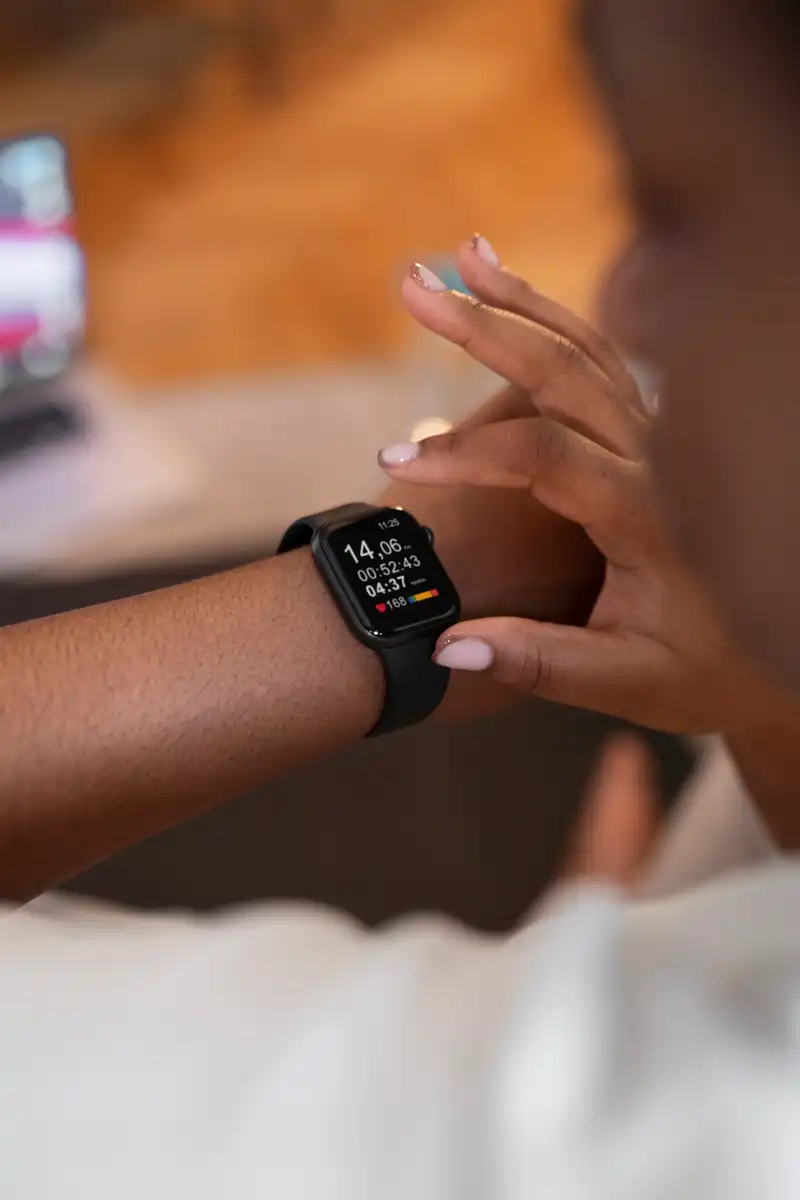
The cornerstone of many programmes is the integration with wearable fitness trackers (like smartwatches, Fitbits, or Garmin devices) or smartphone health apps. These devices passively track your physical activity – steps taken, calories burned, heart rate, and even sleep patterns. By syncing your device with the insurer's app, your activity data is automatically recorded and converted into points or progress towards a goal.
2. Health Assessments and Personalised Goals
Most programmes begin with an initial online health assessment. This questionnaire gathers information about your lifestyle, diet, exercise habits, and general wellbeing. Based on your responses, the programme may suggest personalised health goals, such as increasing your weekly steps, maintaining a healthy weight, or attending regular health screenings. These assessments often include biometric data (if you choose to provide it), such as blood pressure readings or cholesterol levels, which can be used to set tailored objectives.
3. Points Systems and Reward Tiers
The majority of incentive programmes operate on a points-based system. You earn points for engaging in healthy activities:
- Physical Activity: Walking, running, cycling, swimming, gym attendance.
- Health Checks: Regular health screenings, blood tests, dental check-ups, flu vaccinations.
- Nutrition: Sometimes, proof of healthy food purchases or participation in dietary challenges.
- Mental Wellbeing: Engaging with mental health resources, mindfulness apps, or stress management programmes.
- Other Activities: Quitting smoking, achieving healthy weight goals, engaging with educational content.
These points accumulate over time, allowing you to reach different status tiers (e.g., Bronze, Silver, Gold, Platinum). As you progress through these tiers, the value and generosity of your rewards typically increase.
4. Types of Rewards
The rewards offered are diverse and designed to appeal to a broad range of preferences:
- Premium Discounts: This is often the most significant financial incentive, with policyholders potentially earning discounts on their health insurance premiums at renewal, based on their engagement throughout the year.
- Cashback: Money back on healthy food purchases, gym memberships, or even general spending.
- Discounted Gym Memberships: Substantial reductions on fees for leading gym chains.
- Vouchers and Gift Cards: For retailers, coffee shops, healthy food outlets, or online stores.
- Cinema Tickets and Entertainment Discounts: Encouraging a balanced lifestyle.
- Travel Discounts: On flights or holidays, often linked to achieving higher status levels.
- Smartwatch Subsidies: The ability to acquire a top-tier smartwatch (e.g., Apple Watch, Garmin) at a significantly reduced cost, or even free, by meeting activity targets.
- Access to Wellbeing Services: Online GP appointments, mental health support lines, nutritional advice.
5. Data Privacy and Security
A common concern among policyholders is data privacy. Insurers are acutely aware of this and typically implement robust measures to protect personal health data. Data shared from wearables or health assessments is usually anonymised and aggregated for analysis. It's crucial to read the privacy policy of any programme to understand how your data is used and protected. Insurers adhere to stringent GDPR regulations, ensuring that your personal health information is handled with the utmost care and confidentiality, used only for the stated purposes of the programme, and never shared without your explicit consent.
These mechanisms combine to create an ecosystem that supports and rewards positive health choices, moving beyond the traditional insurance model to one that actively promotes wellbeing.
A Deep Dive into Major UK Insurer Incentive Programs
The UK private health insurance market is served by several leading providers, each with their own unique approach to wellness incentives. While VitalityHealth is arguably the most well-known for its comprehensive programme, other insurers are also offering compelling propositions.
1. VitalityHealth: The Pioneer and Powerhouse
VitalityHealth has carved out a significant niche as the market leader in incentivised health insurance. Their programme is widely recognised for its breadth, depth, and the tangible value it offers policyholders committed to a healthier lifestyle.
Program Name: Vitality Programme
Core Philosophy: Based on the concept of 'Shared-Value Insurance', where healthier members benefit from lower costs and better health outcomes, and the insurer benefits from reduced claims. It's about proactive health management across physical, mental, and nutritional dimensions.
How it Works: The Vitality Programme revolves around earning Vitality points by engaging in a wide range of healthy activities. These points contribute to your Vitality Status (Bronze, Silver, Gold, Platinum), which directly impacts the value of your rewards.
-
Earning Points:
- Physical Activity: Synch a wearable device (Apple Watch, Garmin, Fitbit etc.) or app (Strava, Peloton) to earn points for steps, workouts, heart rate data, and achieving weekly activity targets. You can also earn points for gym visits (participating gyms).
- Health Checks: Completing online health reviews, annual health checks (blood pressure, cholesterol, BMI), flu vaccinations, non-smoker declarations, and even engaging in mental health assessments.
- Nutrition: Getting cashback on healthy food items at partner supermarkets (e.g., Waitrose, Ocado) if you meet certain criteria.
- Financial Wellbeing: Engaging with financial planning tools or life insurance policies.
-
Vitality Status:
- Bronze: Achieved with a basic level of engagement.
- Silver: Requires consistent activity and health awareness.
- Gold: Signifies strong engagement and a proactive approach to health.
- Platinum: The highest tier, earned through sustained high levels of activity and health management, unlocking the most significant rewards.
Key Rewards: Vitality's rewards are extensive and designed to motivate:
- Premium Discounts: Potential discounts on your health insurance premiums at renewal, increasing with your Vitality Status.
- Gym Memberships: Heavily discounted or subsidised memberships at major gym chains (e.g., Virgin Active, Nuffield Health).
- Smartwatch Benefit: Acquire an Apple Watch or Garmin device by paying an initial small fee, then earn it for free over 24 or 36 months by meeting monthly activity targets. If targets aren't met, you pay a small monthly amount.
- Cashback: On healthy food at partner supermarkets (up to 25% for Platinum members).
- Cinema Tickets: Weekly free cinema tickets for meeting activity goals.
- Coffee Rewards: Free weekly coffee vouchers.
- Travel Discounts: Significant discounts on flights and holidays with partners like British Airways or Eurostar (for higher status levels).
- Online GP & Mental Health Support: Access to virtual GP appointments and mental health therapy sessions.
Pros:
- Comprehensive: Covers a wide array of wellbeing aspects.
- Motivating Rewards: The range and value of rewards are substantial, genuinely incentivising engagement.
- Strong Partner Network: Partnerships with leading brands add significant value.
- Clear Progression: The Vitality Status system provides clear goals and recognition.
Cons:
- Requires Commitment: To maximise rewards, consistent engagement is necessary. If you don't engage, you might miss out on benefits and potentially pay more for a smartwatch.
- Complexity: The sheer number of ways to earn points and redeem rewards can be overwhelming initially.
- Data Sharing: Requires syncing health data, which some individuals may be hesitant about.
2. AXA Health: Empowering Proactive Health
AXA Health, a major player in the UK private health insurance market, has also invested in a strong wellness offering designed to help members take charge of their health.
Program Name: AXA Health from Hand
Core Philosophy: To provide practical tools and support for members to manage their health proactively, combining digital convenience with professional medical expertise. It focuses on empowering individuals with information and access to care.
How it Works: AXA Health from Hand is primarily an app-based service that integrates various health and wellbeing features. While it doesn't operate on a complex points-and-tier system like Vitality, it offers direct access to valuable resources and some incentives for engaging in health-positive behaviours.
- Earning Mechanisms/Engagement:
- Health Gateway: An online health assessment that provides a personalised health report and recommendations.
- Online GP: Access to virtual GP consultations 24/7.
- Mental Health Support: Access to mental health specialists without a GP referral for certain conditions.
- Physiotherapy: Virtual physiotherapy sessions.
- Health Information: Extensive library of health articles and advice.
- Partnerships: Access to discounts with wellness partners, though generally less extensive than Vitality.
Key Rewards/Benefits:
- Direct Access to Care: The primary benefit is quick, easy access to medical professionals (GP, physio, mental health specialists) through the app, often avoiding the need for an initial NHS GP appointment.
- Preventative Health Tools: Personalised health reports and action plans based on assessments.
- Discounts: Access to discounts on gym memberships, health checks, and wellbeing products from partner providers. These are typically fixed discounts rather than tiered based on activity.
- Cashback: Occasionally, AXA may offer promotions or cashback on specific health-related services or products, but it's not a core, ongoing activity-based reward system.
Pros:
- Simplicity: Less complex than Vitality, making it easier to understand and use.
- Direct Access to Care: The immediate availability of virtual GP and specialist appointments is a significant advantage.
- Focus on Support: Strong emphasis on providing tools and information for health management.
Cons:
- Fewer Activity-Based Rewards: Does not offer the same level of activity-linked financial incentives (premium discounts, smartwatch subsidies) as Vitality.
- Less Gamified: Lacks the points and tier progression that some find motivating.
- Lower Financial Savings Potential: While it offers value through access to care, the direct financial savings linked to healthy behaviour are generally lower compared to Vitality.
3. Bupa: Focused on Health and Wellbeing Tools
Bupa, another giant in the UK health insurance market, offers a suite of tools and services designed to support their members' health journey. While not as overtly incentivised with a points system as Vitality, their focus is on providing comprehensive health and wellbeing support.
Program Name: Bupa Touch App & Everyday Health Benefits
Core Philosophy: To empower members with convenient access to health services and expert advice, helping them manage their health proactively and make informed decisions. The emphasis is on seamless access to care and information.
How it Works: Bupa's approach integrates various health and wellbeing features within their Bupa Touch app and as part of their standard policy benefits.
- Engagement Mechanisms:
- Digital GP: 24/7 access to a Bupa Digital GP, including prescriptions, referrals, and fit notes.
- Mental Health Direct Access: For members aged 18 and over, direct access to mental health support without a GP referral.
- Physio Direct: Access to qualified physiotherapists over the phone or video without a GP referral.
- Health Assessments: Members can often access discounted or included comprehensive health assessments.
- Bupa Anytime HealthLine: A 24/7 health information line staffed by nurses.
- Partnerships: Discounts on gym memberships and health products.
Key Rewards/Benefits:
- Convenient Access to Care: The primary benefit is quick, easy access to medical advice and professionals, which is particularly valuable in a stretched healthcare system.
- Proactive Health Management: Tools like health assessments and direct access to specialists encourage early intervention and preventative measures.
- Discounted Gym Memberships: Bupa typically offers discounts with partner gyms.
- Bupa Blua Health: A digital health service allowing virtual consultations and health management.
Pros:
- Strong Focus on Access: Excellent for those who value quick, direct access to medical advice and specialist support.
- User-Friendly App: Bupa Touch aims for a smooth, intuitive user experience.
- Reputation and Trust: Bupa is a highly reputable and well-established insurer.
Cons:
- Limited Financial Incentives: Does not feature a dynamic, activity-based reward system with premium discounts or cashback linked to healthy behaviours in the same way as Vitality.
- Less Motivational: Lacks the "gamified" element that some people find highly motivating for lifestyle changes.
- Benefits Are Standard: Many of the "benefits" are integrated services rather than "rewards" for specific healthy actions.
4. Aviva Health: Tailored Wellbeing Support
Aviva, a diversified insurance provider, also offers health insurance policies with an emphasis on wellbeing support, aiming to provide a comprehensive package for their members.
Program Name: Aviva Health Rewards (often through MyHealthCounts)
Core Philosophy: To help members understand their health risks and empower them to make positive lifestyle changes, providing tools and support to live healthier lives.
How it Works: Aviva’s wellbeing programme typically starts with a detailed online health assessment, MyHealthCounts, which helps members understand their current health status and potential risks.
- Engagement Mechanisms:
- MyHealthCounts: An in-depth online questionnaire covering lifestyle, medical history, and family health. It provides a personalised report and a 'health age' score.
- Digital GP: Access to a 24/7 digital GP service for consultations and referrals.
- Mental Health Pathways: Support for mental wellbeing.
- Physio Line: Access to physiotherapy support.
- Partnerships: Discounts with various health and fitness providers.
Key Rewards/Benefits:
- Personalised Health Insights: MyHealthCounts provides valuable, actionable insights into personal health risks and areas for improvement.
- Premium Reductions: Historically, Aviva has offered potential premium discounts at renewal based on completing the MyHealthCounts assessment and sometimes on improvements in health age, though this can vary by policy.
- Access to Digital Services: Convenient access to virtual GP and specialist support.
- Discounts: Savings on gym memberships and wellbeing products.
Pros:
- Strong Focus on Assessment: MyHealthCounts is a robust tool for understanding personal health.
- Potential Premium Discounts: Offers a pathway to reduce premiums, though often linked more to assessment completion than ongoing activity.
- Comprehensive Digital Tools: Provides useful access to virtual medical support.
Cons:
- Less Activity-Driven: The incentive structure is often less about rewarding daily activity (like step counts) and more about initial assessments and general engagement.
- Fewer Tangible Rewards: The breadth and variety of immediate, tangible rewards (like cinema tickets or cashback) are generally not as extensive as Vitality.
- Discount Levels Vary: Premium discounts can be less significant or harder to achieve than with more engagement-focused programmes.
5. WPA: Mutual Focus on Wellbeing
WPA, a mutual healthcare provider, offers a more tailored approach to health insurance, often including wellbeing elements. Their focus is on providing excellent service and a personalised experience.
Program Name: WPA's Health and Wellbeing benefits (integrated)
Core Philosophy: As a mutual, WPA is member-focused, aiming to provide comprehensive support that goes beyond just treating illness, with an emphasis on proactive health and convenient access to care.
How it Works: WPA integrates various wellbeing benefits directly into its policies, often without a separate, overarching points-based programme.
- Engagement Mechanisms:
- Online GP: Access to virtual GP services.
- Remote GP and Mental Health Support: Direct access to services like GP support, counselling, and mental health treatments without needing a GP referral.
- Second Opinion Service: Access to an expert second medical opinion.
- Discounted Health Screenings: Access to various health checks at discounted rates.
- Wellbeing Support Lines: Access to helplines for various health concerns.
Key Rewards/Benefits:
- Proactive Care Access: The core benefit is seamless access to expert medical advice and support services.
- Tailored Solutions: WPA often prides itself on creating more bespoke policies, allowing members to choose benefits that align with their wellbeing goals.
- Mental Health Focus: Strong emphasis on providing direct access to mental health support, which is increasingly important.
- No Complex System: Ideal for those who don't want to engage with a points-based system but still desire access to wellbeing resources.
Pros:
- Simplicity: No complicated points or tier systems to track.
- Direct Access: Excellent for those who prioritise immediate, easy access to medical and mental health professionals.
- Personalised Service: WPA is known for its high level of customer service.
Cons:
- No Financial Incentives for Activity: Does not offer premium discounts or cashback directly linked to engaging in physical activity or other healthy behaviours.
- Less Overt Rewards: The "rewards" are primarily in the form of accessible services rather than tangible items or financial benefits for healthy living.
- Not for Gamified Motivation: Unlikely to motivate behavioural change through extrinsic rewards in the same way as Vitality.
Each insurer offers a distinct flavour of wellbeing support. Your choice will depend on whether you value a comprehensive, highly incentivised programme like Vitality's, or prefer the simplicity and direct access to care offered by others.
VitalityHealth: The Pioneer and Powerhouse
Given its unique position and comprehensive offering, VitalityHealth warrants a deeper dive. It's often the first name that comes to mind when discussing private health insurance with wellness incentives, and for good reason. Vitality has fundamentally changed how many consumers perceive health insurance, moving it from a purely protective product to an active partner in health.
The Vitality Programme: How It Revolutionised Incentives
Vitality's model is built on behavioural economics, specifically the concept of "loss aversion" and "immediate gratification." By making rewards tangible and accessible, and by introducing a mechanism where you could "lose" the benefit (e.g., pay for a smartwatch if you don't hit targets), they created powerful motivators for consistent healthy behaviour.
The core of the programme is the Vitality Status system, which progresses from Bronze to Silver, Gold, and Platinum. Your status is determined by the number of Vitality points you accumulate over a year. The higher your status, the greater your rewards and potential premium discounts.
Earning Vitality Points: A Multifaceted Approach
Vitality makes it easy to earn points across various dimensions of health:
-
Physical Activity: This is often the quickest way to earn points and is central to the programme.
- Steps: Earn points daily for hitting step targets (e.g., 5,000, 10,000 steps).
- Workouts: Points for moderate or intense workouts, measured by heart rate (e.g., 30 minutes at 60% max heart rate for 50 points, 30 minutes at 70% max heart rate for 100 points).
- Gym Visits: Points for attending partner gyms.
- Events: Points for participating in organised runs, cycles, or swimming events (marathons, triathlons, etc.).
- Sleep: Earn points for consistent good sleep (often tied to specific devices).
-
Health Assessments & Prevention: Proactive health management is heavily rewarded.
- Online Health Review: Completing an annual questionnaire about your health and lifestyle.
- Vitality Healthcheck: Getting a physical health check (e.g., blood pressure, cholesterol, BMI) at a pharmacy or with your GP.
- Flu Vaccinations: Earning points for getting your annual flu jab.
- Non-Smoker Declaration: Confirming you don't smoke.
- Biometric Data Submission: Providing measurements like blood pressure or glucose levels (often through a Vitality Healthcheck).
-
Mental Wellbeing: Vitality recognises the importance of holistic health.
- Online Mental Wellbeing Assessment: Completing an assessment to understand your mental health status.
- Mindfulness Apps: Earning points for engaging with partner mindfulness apps.
-
Nutrition: Encouraging healthy eating habits.
- Healthy Food Cashback: While not directly earning points for buying healthy food, you gain cashback (up to 25% for Platinum status) at partner supermarkets on specific healthy items. This incentivises nutritious choices.
The Rewards: More Than Just Discounts
Vitality's reward structure is designed to be deeply engaging and motivating.
- Smartwatch Benefit: This is arguably Vitality's most iconic reward. You get an Apple Watch or Garmin device for a small upfront fee. You then pay nothing for it monthly if you consistently hit your weekly activity targets. If you fall short, you pay a small monthly amount. This acts as a powerful, immediate motivator.
- Gym Discounts: Up to 50% off gym memberships at Virgin Active, Nuffield Health, and selected boutique studios.
- Healthy Food Cashback: Up to 25% cashback on healthy food items at Waitrose and Ocado (up to a monthly limit, based on status).
- Weekly Rewards: Achieve weekly activity goals to earn free cinema tickets (ODEON or Vue), free coffees (Starbucks or Caffè Nero), or discounts on healthy snacks.
- Travel Discounts: Significant discounts on flights with British Airways and Eurostar, and up to 75% off with partner hotels (for higher status levels).
- Shopping Discounts: Discounts at various health and sports retailers.
- Premium Discounts: The ultimate reward: up to a 15% discount on your health insurance premiums at renewal if you reach Platinum status and maintain it.
- Digital GP & Second Opinion: Access to a 24/7 online GP service and a second medical opinion service.
Considerations with VitalityHealth
While highly rewarding, Vitality's programme requires a certain level of commitment and engagement to truly maximise its benefits.
- Active Participation: If you're not prepared to track your activity, complete health assessments, and actively engage with the programme, you might not see the full financial benefits, particularly with the smartwatch benefit.
- Initial Complexity: The sheer number of partners, points, and reward mechanics can seem daunting at first, but the Vitality app is designed to simplify this.
- Ongoing Motivation: Sustaining Platinum status requires consistent effort throughout the year.
For individuals who are already active or are genuinely motivated to improve their health, VitalityHealth offers an unparalleled value proposition. It effectively turns your health insurance into a partner in your wellbeing, rewarding you for every step you take towards a healthier life.
Comparing the Incentive Programs: A Comprehensive Overview
To help you navigate the various options, here’s a comparative overview of the major UK private health insurer incentive programmes. This table highlights their core approaches, earning mechanisms, and key rewards.
| Feature | VitalityHealth (Vitality Programme) | AXA Health (Health from Hand) | Bupa (Bupa Touch & Everyday Health) | Aviva (Aviva Health Rewards / MyHealthCounts) | WPA (Integrated Wellbeing Benefits) |
|---|---|---|---|---|---|
| Core Philosophy | Shared-Value: Rewards for healthy living, reducing claims. | Empower proactive health with digital tools. | Holistic wellbeing support via convenient access. | Understand risks, empower change, personalised insights. | Member-focused, direct access to expert care. |
| Earning Mechanisms | Points for physical activity, health checks, nutrition, mental wellbeing. | Engagement with digital GP, physio, mental health tools. | Utilisation of Bupa Touch app features, e.g., Digital GP. | Online health assessment (MyHealthCounts), digital tools. | Utilisation of included direct access services. |
| Reward Structure | Tiered (Bronze-Platinum) based on points. | Direct access to services & fixed discounts. | Direct access to services & fixed discounts. | Potential premium discount based on assessment/health age. | Access to services, no activity-based rewards. |
| Key Financial Rewards | Premium discounts (up to 15%), cashback (healthy food), smartwatch subsidy, gym discounts (up to 50%). | Discounts on gyms & health products. | Discounts on gyms & health assessments. | Potential premium discount. | No activity-based financial rewards. |
| Key Lifestyle Rewards | Weekly cinema tickets, coffee, travel discounts. | Access to virtual GP, mental health support. | Access to Digital GP, Physio Direct, Mental Health Direct Access. | Access to Digital GP, Physio Line, wellbeing helplines. | Access to Online GP, Mental Health support, Second Opinion. |
| Engagement Level Req. | High (consistent activity, assessments) | Moderate (utilising app features) | Moderate (utilising app features) | Moderate (completing assessment annually) | Low (just using services when needed) |
| Data Tracking | Extensive (wearables, health checks) | Moderate (app usage, health data if provided) | Moderate (app usage) | Moderate (assessment data) | Low (usage of services) |
| Best For | Highly motivated individuals, those seeking significant financial/lifestyle rewards. | Those valuing convenient access to virtual care & basic discounts. | Those valuing seamless access to trusted Bupa services. | Those wanting personalised health insights & potential premium reductions. | Those valuing direct access to care without complex reward systems. |
| Key Limitation | Requires ongoing effort; complexity. | Fewer tangible activity-based rewards. | Limited activity-based financial incentives. | Rewards often tied more to assessment than ongoing activity. | No financial rewards for healthy habits. |
This table offers a snapshot. It's crucial to delve into the specifics of each insurer's latest offerings, as programmes can evolve.
Maximising Your Rewards: Tips for Policyholders
Once you've chosen a private health insurance policy with an incentive programme, the next step is to ensure you're getting the most out of it. Here are practical tips to maximise your rewards and truly get paid to stay healthy:
- Understand Your Programme Inside Out: Don't just sign up and forget. Download the insurer's app, explore all the features, and read the terms and conditions of the rewards programme. Understand how points are earned, what the reward tiers are, and what activities count.
- Connect Your Devices: If your programme integrates with wearables, connect your fitness tracker (e.g., Apple Watch, Fitbit, Garmin) or smartphone health app immediately. This automates the tracking of your physical activity, making it effortless to earn points.
- Complete All Health Assessments: Most programmes offer a significant chunk of points for completing initial and annual health assessments. These also provide valuable insights into your own health. Be honest in your responses to get the most accurate personalised advice.
- Set Realistic Goals (and Stick to Them): Don't aim for Platinum status from day one if you're new to exercise. Start with achievable daily or weekly activity goals. Consistency is key. Even small, regular efforts add up over time.
- Utilise All Aspects of the Programme:
- Physical Activity: Walk more, cycle to work, take the stairs. Explore different types of exercise to keep it interesting.
- Preventative Checks: Don't skip your annual flu jab or health check-ups if they're rewarded. These are good for your health anyway!
- Mental Wellbeing: Engage with any mental health assessments or mindfulness apps offered.
- Nutrition: If there's cashback on healthy food, make an effort to utilise it. Plan your grocery shopping around eligible items.
- Monitor Your Progress Regularly: Use the insurer's app to track your points and progress towards your next status level or reward. Seeing your progress can be a powerful motivator.
- Involve Your Family (if applicable): Some programmes allow family members on the same policy to earn points, contributing to household rewards. Encourage healthy habits together.
- Don't Just Chase Rewards – Focus on Health: While the rewards are great motivators, the ultimate goal is improved health. Let the incentives guide you towards genuinely healthier habits, not just arbitrary point-earning exercises. Sustainable lifestyle changes will provide the most significant long-term benefits, far outweighing any short-term financial gain.
- Review and Adjust: Your health journey isn't static. As you get healthier, you might want to challenge yourself further. If you hit a plateau, explore new ways to earn points or engage with different aspects of the programme.
By proactively engaging with your chosen insurer's wellness programme, you're not just saving money; you're investing in your most valuable asset: your health.
The Financial and Health Benefits: Is it Worth It?
The core question for many considering private health insurance with incentive programmes is: does it truly deliver tangible financial and health benefits, and is the effort required worthwhile?
Quantifying the Financial Savings
The financial rewards can be substantial, particularly with programmes like VitalityHealth. Let's consider a hypothetical scenario:
- Premium Discounts (illustrative): If your annual private health insurance premium is, say, £1,500, and you achieve a 10-15% premium discount through a wellness programme, that's a saving of £150-£225 per year. Over several years, this accumulates significantly.
- Smartwatch Subsidy: The ability to get a premium smartwatch (e.g., Apple Watch, Garmin) for a nominal upfront fee and then effectively for "free" by meeting activity targets can save you hundreds of pounds (the retail price of these devices).
- Gym Memberships (illustrative): Discounts of up to 50% on gym memberships can save £300-£600+ annually, depending on the gym and membership type.
- Healthy Food Cashback (illustrative): If you spend £100 a week on groceries and 25% of that is on healthy items eligible for cashback, a 25% cashback rate could save you around £6.25 per week, or £325 per year.
- Other Vouchers & Discounts (illustrative): Weekly cinema tickets (£10-£15 value), free coffees (£3-£5 value), and travel discounts can add up to hundreds of pounds in lifestyle savings annually.
Conservatively, an engaged policyholder could realistically save £500 to over £1,000 per year through a comprehensive programme. This significantly offsets the cost of the private health insurance itself, making it a far more attractive proposition. (illustrative estimate)
The Invaluable Health Benefits
Beyond the direct financial gains, the health benefits are arguably more significant and long-lasting.
- Improved Physical Health: Regular exercise, better nutrition, and consistent health checks lead to stronger cardiovascular health, improved muscle mass and bone density, better weight management, and increased energy levels. This reduces the risk of common chronic conditions.
- Enhanced Mental Wellbeing: Many programmes now incorporate mental health assessments and access to support. Engaging with these resources, alongside the positive effects of physical activity, can significantly reduce stress, anxiety, and improve overall mood and resilience.
- Early Detection and Prevention: By encouraging regular health checks and assessments, programmes promote early detection of potential health issues, allowing for timely intervention and better outcomes.
- Behavioural Change: For many, the structured nature and rewards of these programmes provide the necessary motivation to adopt and sustain healthier habits that might otherwise be difficult to implement.
- Better Quality of Life: Ultimately, improved health translates to a better quality of life – more energy to pursue hobbies, greater independence, and a reduced likelihood of suffering from preventable illnesses.
The Cost-Benefit Analysis
When weighing up the value, consider:
- Your Lifestyle: If you're already active or willing to become more active, the value proposition is extremely strong.
- Your Motivation: Are you motivated by financial rewards and gamified progress? If so, these programmes can be highly effective.
- Your Priorities: Do you prioritise comprehensive health support and direct access to care, or are you primarily driven by financial incentives?
In most cases, for individuals who genuinely engage, the financial savings and the health improvements make these programmes unequivocally worthwhile. They transform a necessary expense into a powerful tool for wellbeing and financial advantage.
Understanding the Fine Print: What to Watch Out For
While incentive programmes offer fantastic benefits, it's crucial to approach them with a clear understanding of the underlying terms and conditions. Reading the "fine print" is paramount to avoid surprises and ensure the programme truly aligns with your expectations.
-
Data Privacy and Usage:
- What Data is Collected? Understand precisely what health and activity data the insurer collects (e.g., steps, heart rate, sleep, health assessment responses).
- How is it Used? Insurers typically state that data is used to calculate rewards, offer personalised insights, and for aggregated, anonymised research to improve their programmes. They are bound by GDPR.
- Anonymisation: Personal health data is usually anonymised when used for broader analysis or research, meaning it cannot be traced back to you individually.
- Sharing: Be clear on whether your data will ever be shared with third parties, and under what circumstances. Most reputable insurers will require explicit consent for any sharing beyond what's necessary for the programme.
- Security: Insurers employ robust cybersecurity measures to protect your sensitive health information.
-
Commitment Levels and Potential Penalties:
- Smartwatch Benefits: With programmes like Vitality's Apple Watch/Garmin benefit, if you don't meet your monthly activity targets, you'll be charged a small amount. Ensure you're prepared for this ongoing commitment.
- Premium Discounts: While premium discounts are a great incentive, they often depend on maintaining a certain activity level or status. If your engagement drops, your discount might decrease at renewal.
- Reward Tiers: Understand that higher rewards are linked to higher engagement. You won't get Platinum benefits with Bronze level activity.
-
Eligibility Criteria:
- Age Restrictions: Some benefits or points-earning activities might have age limits.
- Policy Type: Ensure your specific health insurance policy qualifies for the full range of incentive programme benefits. Sometimes basic policies might have limited access.
- Health Status: While these programmes are for preventative health, some specific health conditions might influence what activities are recommended or how certain points are earned.
-
Changes to Programmes Over Time:
- Insurers can and do adjust their incentive programmes, partners, reward values, and earning mechanisms. While they usually provide ample notice, it's something to be aware of. What's offered today might slightly change next year.
-
Pre-Existing and Chronic Conditions: A CRITICAL Reminder:
- It is absolutely crucial to understand that private health insurance incentive programmes, and indeed the core private health insurance policy itself, generally do NOT cover pre-existing medical conditions or chronic conditions.
- Pre-existing Condition: This refers to any illness, injury, or symptom you had, or were aware of, before taking out your policy (or within a specified look-back period, usually 2-5 years).
- Chronic Condition: This is a disease, illness, or injury that has no known cure, is likely to recur, and requires ongoing management over a long period (e.g., diabetes, asthma, arthritis, high blood pressure).
- Incentive Programme Focus: These wellness programmes are designed for preventative health and general wellbeing. They aim to help you avoid developing new conditions or manage your overall lifestyle. They are not designed to treat or manage existing chronic illnesses or conditions that arose prior to your policy start date.
- No Implied Coverage: Never assume that engaging with a wellness programme means your pre-existing or chronic conditions will suddenly become covered. Their focus is on future health, not past or ongoing medical issues.
- Why This Matters: It's vital to have realistic expectations. Private health insurance is excellent for new, acute conditions. The wellness programmes enhance this by promoting healthy living, but they do not alter the fundamental exclusions regarding pre-existing or chronic conditions.
By being fully informed about these aspects, you can make the most of your private health insurance incentive programme without any unexpected surprises.
Choosing the Right Policy and Program for You
Navigating the various private health insurance options and their associated incentive programmes can feel overwhelming. The "best" policy isn't one-size-fits-all; it's the one that aligns perfectly with your individual needs, lifestyle, and health goals.
Here's how to approach your decision:
-
Assess Your Current Health and Lifestyle:
- Are you generally active, or do you need a strong nudge to get moving?
- Do you already have a gym membership, or would a discount be a key motivator?
- What are your key health priorities – physical, mental, or a balance of both?
-
Determine Your Motivation for Engagement:
- Are you primarily driven by financial savings (premium discounts, cashback)?
- Do you value tangible lifestyle rewards (smartwatch, cinema tickets, travel discounts)?
- Is convenient access to virtual GPs and specialist support your main priority?
- Are you looking for a gamified experience to motivate you, or do you prefer simplicity?
-
Prioritise Core Insurance Coverage First:
- While incentive programmes are fantastic added value, remember that the primary purpose of private health insurance is to provide cover for medical treatment.
- In-patient/Day-patient Care: Does it cover hospital stays, surgical procedures, and consultations with specialists?
- Out-patient Benefits: How much cover is provided for specialist consultations, diagnostic tests (MRI, CT scans), and therapies when you're not admitted to hospital?
- Cancer Cover: Is comprehensive cancer care included, from diagnosis to treatment and aftercare?
- Mental Health Cover: What level of support is offered for mental health conditions?
- Excess and Underwriting: Understand the excess you'd pay and how your policy is underwritten (e.g., full medical underwriting, moratorium).
-
Compare Incentive Programmes Against Your Priorities:
- Once you've narrowed down policies based on core coverage, then dive into the specifics of their incentive programmes.
- If financial incentives for activity are paramount, VitalityHealth will likely stand out.
- If simple access to virtual care is key, AXA Health or Bupa might be more appealing.
- If you're wary of sharing extensive data or don't want a complex points system, options with integrated benefits might be better.
-
Leverage the Expertise of an Independent Broker:
- This is where WeCovr comes in. The private health insurance market is complex, with numerous policy options, customisable benefits, and varying incentive programmes.
- As an independent UK health insurance broker, we work with all major insurers, including VitalityHealth, AXA Health, Bupa, Aviva, WPA, and others. We don't favour one insurer over another.
- Our expertise ensures you get a policy tailored to your specific needs. We take the time to understand your health priorities, budget, and lifestyle, helping you compare not just the core coverage but also the nuances of each insurer's wellness incentives.
- Crucially, our service is at no cost to you. We are remunerated by the insurers, meaning you get expert, unbiased advice without any additional charges. We can help you identify policies that maximise both your health and financial benefits.
By partnering with us, you can confidently navigate the options and find a private health insurance plan that not only provides robust medical cover but also genuinely rewards your commitment to a healthier lifestyle. We're here to make the process simple, transparent, and ultimately, beneficial for you.
The Future of Health Insurance and Wellness
The evolution of private health insurance into a proactive partner in wellbeing is far from complete. The trajectory suggests an even deeper integration of technology, personalised interventions, and a holistic view of health.
- Hyper-Personalisation: Future programmes will likely leverage even more sophisticated data analytics (always with strict privacy controls) to offer hyper-personalised health recommendations, risk assessments, and targeted rewards. Imagine tailored exercise plans based on your genetics, or nutritional advice specific to your gut microbiome.
- Predictive Analytics: Insurers will increasingly use data to identify individuals at higher risk of developing certain conditions, allowing for proactive interventions and support before a costly illness arises. This could involve AI-driven nudges and early access to specialist consultations.
- Integration with Wider Health Ecosystems: Expect seamless integration with a broader range of health services, from mental health apps and sleep tracking solutions to telehealth platforms and preventative screening services, creating a unified health management hub.
- Behavioural Science Reinforcement: The application of behavioural science principles will become even more sophisticated, using AI to understand individual motivators and barriers, and then designing more effective, sustainable habit-forming strategies.
- Emphasis on Holistic Wellbeing: Beyond physical activity, there will be an increasing focus on mental health, financial wellbeing, and social connections as integral components of overall health. Rewards might extend to community engagement or educational achievements.
- Gamification and Community: The gamified elements will likely become more advanced, potentially incorporating social challenges, team-based goals, and virtual coaching to foster a sense of community and shared health journeys.
The role of private health insurance is shifting from merely a claims processor to a sophisticated health partner, empowering individuals to take greater ownership of their wellbeing through intelligent technology and compelling incentives. This innovative approach promises a future where health insurance truly helps you get paid to stay healthy.
Conclusion
The landscape of UK private health insurance has undeniably transformed. Gone are the days when a policy was solely a reactive safety net. Today, thanks to innovative incentive programmes, your health insurance can be a proactive partner in your wellbeing, literally rewarding you for making healthy choices.
From VitalityHealth's comprehensive points-based system offering significant premium discounts and lifestyle rewards, to the streamlined access to virtual care provided by AXA Health and Bupa, there's a spectrum of options designed to motivate and support you. These programmes represent a powerful win-win: policyholders enjoy tangible financial benefits and improved health, while insurers benefit from a healthier client base.
However, understanding the nuances of each programme, what’s required to earn rewards, and crucially, the ongoing limitations regarding pre-existing and chronic conditions, is paramount. Choosing the right policy isn't just about the best price or the flashiest rewards; it's about finding the perfect fit for your lifestyle and health goals.
This is where expert, unbiased guidance becomes invaluable. At WeCovr, we specialise in helping you navigate the complexities of the UK private health insurance market. We compare policies and incentive programmes from all leading insurers at no cost to you, ensuring you find the most suitable plan that protects your health and rewards your efforts to stay well.
Don't miss out on the opportunity to transform your health insurance into a truly empowering tool. Contact us today for a complimentary, no-obligation comparison from all leading UK insurers. We're here to help you navigate the options and find the perfect private health insurance plan, complete with the wellness incentives that truly reward your healthy choices.
Sources
- NHS England: Waiting times and referral-to-treatment statistics.
- Office for National Statistics (ONS): Health, mortality, and workforce data.
- NICE: Clinical guidance and technology appraisals.
- Care Quality Commission (CQC): Provider quality and inspection reports.
- UK Health Security Agency (UKHSA): Public health surveillance reports.
- Association of British Insurers (ABI): Health and protection market publications.