TL;DR
Imagine your health as a magnificent orchestra, with each organ, system, and even your mental state playing a crucial role. For this orchestra to perform at its peak, it needs a skilled conductor, precise timing, and access to the very best instruments and musicians. In recent years, the conversation around private health insurance has shifted from a niche luxury to a pragmatic consideration for a growing number of British individuals, families, and businesses.
Key takeaways
- Inpatient Treatment: Procedures and stays that require an overnight stay in hospital.
- Day-patient Treatment: Procedures and treatments that require a hospital bed but not an overnight stay.
- Outpatient Treatment: Consultations with specialists, diagnostic tests (X-rays, MRI, CT scans), and sometimes physiotherapy or other therapies, without requiring a hospital bed.
- Chronic Conditions: These are ongoing conditions that require long-term management and care, for which there is no known cure, or which are likely to come back. Examples include diabetes, asthma, epilepsy, multiple sclerosis, and most forms of heart disease. While an acute flare-up of a chronic condition might be covered if it requires specific intervention (e.g., an operation for complications), the ongoing management and medication for the chronic condition itself are not.
- Pre-existing Conditions: Any medical condition you have received advice or treatment for, or had symptoms of, before taking out the policy (or within a specified period before taking out the policy), will be excluded. This is a fundamental principle of insurance.
Take Control of Your Health: Discover How UK Private Health Insurance Can Personalise Your Care Journey
UK Private Health Insurance: Your Health's Personalised Orchestration
Imagine your health as a magnificent orchestra, with each organ, system, and even your mental state playing a crucial role. For this orchestra to perform at its peak, it needs a skilled conductor, precise timing, and access to the very best instruments and musicians. In the UK, while the National Health Service (NHS) provides a commendable universal safety net, private health insurance (also known as Private Medical Insurance, or PMI) offers you the unique opportunity to become the proactive conductor of your own health – orchestrating personalised care, swift access, and a comforting level of control.
In recent years, the conversation around private health insurance has shifted from a niche luxury to a pragmatic consideration for a growing number of British individuals, families, and businesses. This isn't about abandoning the NHS; it's about complementing it, adding layers of choice, speed, and comfort that can significantly enhance your healthcare journey. This comprehensive guide will demystify the world of UK private health insurance, explaining its intricacies, dispelling common myths, and illuminating how it empowers you to manage your health with unparalleled precision and peace of mind.
Why Consider Private Health Insurance in the UK? Complementing the NHS, Elevating Your Care
The NHS is a cornerstone of British society, providing free at the point of use healthcare to millions. Its dedicated staff and comprehensive services are invaluable. However, even the most robust public healthcare system faces challenges, leading many to seek supplementary private provision. Private health insurance doesn't replace the NHS; it works in harmony with it, offering distinct advantages that can dramatically alter your experience of seeking medical attention.
Speed of Access and Reduced Waiting Times
One of the most compelling reasons individuals opt for PMI is the promise of significantly reduced waiting times. When faced with a potential health concern, the uncertainty of waiting for consultations, diagnostic tests (like MRIs, CT scans, or ultrasounds), or even necessary treatments can be incredibly stressful.
With private health insurance:
- Faster GP Referrals to Specialists: Once your GP refers you, your insurer can often facilitate a specialist appointment within days, not weeks or months.
- Prompt Diagnostics: You'll typically get diagnostic scans and tests booked much quicker, leading to faster diagnoses.
- Expedited Treatment: Should you require surgery or other treatments, private hospitals often have shorter waiting lists, allowing you to commence your recovery sooner.
This swift access isn't just about convenience; it can be crucial for peace of mind and, in some cases, for the efficacy of treatment where early intervention is key.
Choice and Control: Becoming the Conductor of Your Health
Beyond speed, PMI hands you the baton of control over your healthcare journey.
- Choice of Consultant: You can often choose your consultant based on their expertise, reputation, or even specific availability. This allows you to feel more confident in the medical professional overseeing your care.
- Choice of Hospital: Insurers usually provide a list of approved private hospitals. You can select one that is conveniently located, offers specific facilities, or has a particular ambiance you prefer.
- Flexible Appointment Times: Private appointments offer greater flexibility, allowing you to schedule consultations and treatments around your work and personal life, minimising disruption.
- Private Rooms: During inpatient stays, you will almost invariably have a private room with en-suite facilities, offering a quiet, comfortable, and dignified environment for recovery. This privacy is highly valued by many patients.
Enhanced Comfort and Environment
While NHS hospitals strive to provide good care, private facilities are often designed with patient comfort as a primary focus.
- Comfortable Surroundings: Private hospitals typically feature modern, well-maintained facilities, with amenities that contribute to a more pleasant stay.
- Privacy: A private room allows for personal space, uninterrupted rest, and greater privacy for discussions with medical staff and family.
- Personalised Attention: While staff-to-patient ratios vary, private hospitals often foster an environment where more individualised attention is possible, contributing to a feeling of being well-cared for.
Peace of Mind
Ultimately, private health insurance offers a profound sense of security. Knowing that if an acute medical condition arises, you have a clear path to prompt, comfortable, and chosen care can significantly reduce anxiety and stress for you and your family. It's an investment in your well-being, both physical and mental.
Access to Specialised Treatments and Technologies
While the NHS provides a vast array of treatments, private insurers may sometimes offer access to newer drugs, technologies, or therapies that are not yet widely available or routinely funded on the NHS. This can include certain advanced diagnostic tools or specific types of rehabilitation, expanding your options for effective care.
Demystifying How UK Private Health Insurance Works: The Fundamentals
Understanding the mechanics of private health insurance is crucial to making an informed decision. It's not a 'blank cheque' for any medical issue, but rather a structured system designed to cover eligible acute conditions.
What Does Private Health Insurance Cover?
Fundamentally, private health insurance is designed to cover the costs of treatment for acute conditions. An acute condition is generally defined as a disease, illness or injury that is likely to respond quickly to treatment, returning you to the state of health you were in immediately before the condition developed, or alleviating your symptoms.
This typically includes:
- Inpatient Treatment: Procedures and stays that require an overnight stay in hospital.
- Day-patient Treatment: Procedures and treatments that require a hospital bed but not an overnight stay.
- Outpatient Treatment: Consultations with specialists, diagnostic tests (X-rays, MRI, CT scans), and sometimes physiotherapy or other therapies, without requiring a hospital bed.
The level of outpatient and therapy cover often varies depending on the policy you choose, offering flexibility in premium.
What Private Health Insurance Doesn't Cover
This is a critical area for understanding. To manage risk and keep premiums affordable, private health insurance policies have standard exclusions. It's imperative never to imply or assume coverage for these.
Key exclusions almost universally include:
- Chronic Conditions: These are ongoing conditions that require long-term management and care, for which there is no known cure, or which are likely to come back. Examples include diabetes, asthma, epilepsy, multiple sclerosis, and most forms of heart disease. While an acute flare-up of a chronic condition might be covered if it requires specific intervention (e.g., an operation for complications), the ongoing management and medication for the chronic condition itself are not.
- Pre-existing Conditions: Any medical condition you have received advice or treatment for, or had symptoms of, before taking out the policy (or within a specified period before taking out the policy), will be excluded. This is a fundamental principle of insurance.
- Emergency Care: For genuine emergencies (e.g., heart attack, severe accident), you should always go to an NHS A&E department. Private health insurance is not an emergency service.
- Pregnancy and Childbirth: Standard policies do not cover routine pregnancy and childbirth. Some comprehensive plans may offer limited complications cover, but it’s rare.
- Cosmetic Surgery: Procedures purely for aesthetic reasons are not covered.
- Addiction and Substance Abuse: Treatment for drug or alcohol addiction is typically excluded.
- Organ Transplants: Generally not covered.
- Overseas Treatment: Unless you have specific travel insurance add-ons, treatment outside the UK is excluded.
- Experimental Treatments: Treatments that are not proven or are still undergoing clinical trials are usually not covered.
- HIV/AIDS and related conditions.
- Self-inflicted injuries.
Always read the policy terms and conditions carefully, or better yet, consult a broker who can explain these nuances.
Underwriting Options: How Your Medical History is Assessed
When you apply for private health insurance, insurers need to assess your medical history to determine what they will and won't cover. There are a few primary ways this happens:
-
Full Medical Underwriting (FMU):
- You complete a detailed medical questionnaire during the application process.
- The insurer reviews your full medical history, sometimes requesting information from your GP.
- They then provide a clear list of any permanent exclusions (pre-existing conditions) from the outset.
- Pros: Certainty regarding what is covered/excluded. No surprises later.
- Cons: Can be a longer application process.
-
Moratorium Underwriting (Morrie):
- This is the most common option and is simpler at application. You don't disclose your full medical history upfront.
- Instead, the insurer applies a 'moratorium' period, typically 24 months.
- Any condition you've had symptoms, treatment, or advice for in the 5 years before taking out the policy will be excluded.
- If, during the moratorium period, you go 24 months symptom-free, treatment-free, and advice-free for a pre-existing condition, it may then become eligible for cover.
- Pros: Quick and easy application.
- Cons: Less certainty upfront. You only find out if a condition is covered when you try to claim. This can lead to disappointment if a claim is denied due to a pre-existing condition you weren't aware was excluded.
-
Continued Personal Medical Exclusions (CPME) / Switch:
- If you are switching from one private health insurer to another, your new insurer may offer to carry over the existing underwriting terms and exclusions from your previous policy.
- This means any conditions that were excluded by your previous insurer will remain excluded, but you won't face new moratorium periods or exclusions for conditions that developed while you were covered by your old policy.
- Pros: Smooth transition, avoids new exclusions for conditions that developed under prior cover.
- Cons: Still carries forward old exclusions.
-
Pooled Moratorium / Medical History Disregarded (MHD):
- These are typically offered for larger corporate schemes (e.g., 20+ employees for Pooled Moratorium, 100+ employees for MHD).
- Pooled Moratorium: Similar to individual moratorium, but the risk is spread across the group.
- Medical History Disregarded (MHD): This is the "gold standard" for groups, as it means no pre-existing conditions are excluded for members joining the scheme. This is highly attractive for employees.
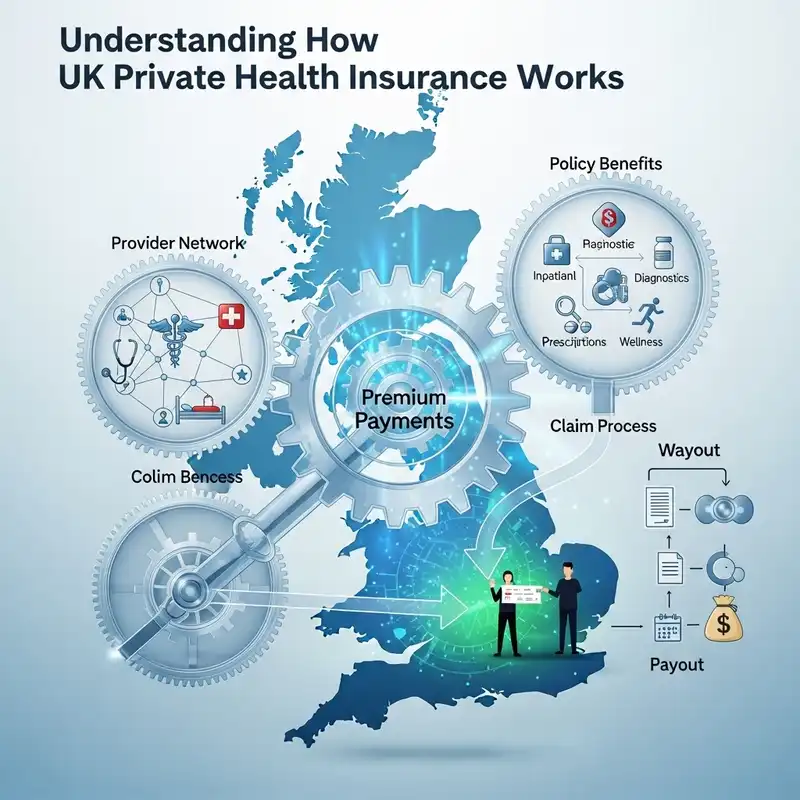
The Claims Process: A Step-by-Step Guide
While it might seem daunting, claiming on your private health insurance is generally straightforward once you understand the steps:
- See Your NHS GP First: For almost all conditions, your journey begins with a visit to your NHS GP. They will assess your condition and, if appropriate, provide an "open referral" to a specialist. An open referral means they recommend you see a specialist (e.g., an orthopaedic surgeon, a dermatologist) but don't specify a particular one.
- Contact Your Insurer: Before any private consultations, tests, or treatment, you must contact your private health insurer. This is crucial for pre-authorisation. You'll need to provide details of your GP's referral and symptoms.
- Get Authorisation: Your insurer will review your request based on your policy terms and medical history. If eligible, they will provide an authorisation number. They may also suggest a list of approved consultants and hospitals.
- Book Your Appointment: With authorisation in hand, you can book your private consultation, diagnostic test, or treatment at an approved facility with your chosen consultant.
- Payment:
- Direct Settlement: In most cases, the private hospital or consultant will invoice your insurer directly. This is the most common and convenient method.
- Pay and Reclaim: Occasionally, you might need to pay for a consultation or treatment yourself and then submit the invoice to your insurer for reimbursement. Always check with your insurer first.
Excess: Managing Your Premiums
An "excess" is the amount you agree to pay towards a claim before your insurer pays the rest. It works similarly to car insurance.
- How it Works (illustrative): If you have a £250 excess and your treatment costs £2,000, you pay the first £250, and your insurer pays the remaining £1,750.
- Impact on Premiums: Choosing a higher excess will reduce your annual premium, as you are taking on more of the initial financial risk. Conversely, a lower excess (or no excess) will result in a higher premium.
- Per Claim vs. Per Policy Year: Some excesses apply per claim, while others apply once per policy year, regardless of how many claims you make. Understand which applies to your policy.
No Claims Discount (NCD)
Many private health insurance policies operate a No Claims Discount system, similar to car insurance. For each year you don't make a claim, your NCD level increases, leading to a discount on your renewal premium. Making a claim will reduce your NCD level in the subsequent year.
Policy Limits
Be aware that policies often have annual monetary limits for overall cover, or specific limits for certain benefits (e.g., a maximum of 10 physiotherapy sessions per year, or a limit on outpatient consultations). These limits will be clearly outlined in your policy documents.
Understanding Policy Structures and What's Included: Building Your Bespoke Plan
Private health insurance is rarely a one-size-fits-all product. Insurers offer a range of modules and options, allowing you to build a policy that aligns with your needs and budget.
Core Cover: The Foundation
All private health insurance policies will have a 'core cover' that includes:
- Inpatient Treatment: This is the most fundamental aspect, covering costs associated with a hospital stay overnight, including theatre fees, accommodation, nursing care, drugs, and consultant fees for eligible treatments.
- Day-patient Treatment: Covers treatment received in a hospital that requires a bed but not an overnight stay, such as minor surgical procedures.
Outpatient Options: Expanding Your Reach
While core cover handles inpatient/day-patient, outpatient cover is a significant differentiator between policies and impacts premiums. You typically choose a level of outpatient cover:
- Full Outpatient Cover: Covers all eligible outpatient consultations with specialists, diagnostic tests (MRI, CT, X-ray), and often physiotherapy, osteopathy, and chiropractic treatments.
- Limited Outpatient Cover (illustrative): May offer a fixed monetary limit for outpatient consultations and diagnostics (e.g., £1,000 or £1,500 per policy year). Once this limit is reached, you pay for subsequent outpatient costs.
- No Outpatient Cover: You would pay for all outpatient consultations and diagnostics yourself. This significantly reduces premiums but means you're primarily covered only once you're admitted as an inpatient or day-patient.
Additional Benefits and Modules: Tailoring Your Protection
Beyond core and outpatient cover, you can often add various modules to enhance your policy:
- Therapies: Coverage for complementary therapies like physiotherapy, osteopathy, chiropractic treatment, and sometimes acupuncture or podiatry. Limits may apply.
- Mental Health Cover: Increasingly important, this module provides access to private psychiatric consultations, cognitive behavioural therapy (CBT), counselling, and sometimes inpatient psychiatric care. The level of cover can vary significantly, from limited outpatient sessions to comprehensive inpatient/outpatient support.
- Cancer Cover: While cancer treatment is typically part of core cover, some policies offer enhanced cancer benefits, including access to a wider range of drugs, genetic testing, or specific cancer support services not always covered by standard policies.
- Optical and Dental Cover: These are often separate, optional add-ons, usually with annual limits for routine check-ups, glasses/contact lenses, and dental work. They are usually not intended for major restorative or orthodontic work.
- Health & Wellbeing Services: Many insurers now include value-added services such as virtual GP appointments (often 24/7 access), helplines for medical advice, online health assessments, discounts on gym memberships, or mental health support apps. These proactive services are part of a shift towards holistic health management.
- Travel Cover: Some policies offer an option to include a limited amount of emergency medical cover for travel abroad.
- Excess Protection: An optional extra that pays your excess if you make a claim.
Hospital Networks: Where Can You Be Treated?
Insurers partner with specific private hospitals and consultants. Policies may come with different hospital network options:
- Standard/Local Hospital List: This is often the most cost-effective option, offering access to private hospitals in your local area.
- Extended/Nationwide Hospital List: Provides access to a broader range of hospitals across the UK, including some of the more expensive central London facilities. Choosing this option will increase your premium.
- Consultant Choices: Some policies allow you to choose any consultant, while others might restrict you to those who charge within the insurer's "fee limits."
The choice of hospital list can significantly impact your premium, so it's important to consider your geographical location and preferences.
Who Benefits Most from Private Health Insurance? A Diverse Chorus
While often perceived as a benefit for the affluent, private health insurance offers tangible advantages across various demographics and life stages.
Individuals: Taking Charge of Personal Wellbeing
- The Proactive Individual: Someone who prioritises their health and wants prompt access to care and choice of specialist.
- The Self-Employed: Without employer-provided benefits, PMI ensures business continuity by facilitating quicker return to health and work. Time off for illness directly impacts income.
- Those with Specific Health Concerns: While pre-existing conditions are excluded, if you have a family history of certain conditions (not yet symptomatic) or simply want peace of mind regarding future acute illnesses, PMI can be invaluable.
- Professionals with Demanding Schedules: The ability to choose appointment times and avoid long waits can be crucial for maintaining work-life balance.
Families: Peace of Mind for Loved Ones
- Parents with Young Children: Children can often pick up infections or injuries requiring prompt attention. Fast access to paediatric specialists or diagnostics can be a huge comfort.
- Families Managing Ageing Parents: While parents often need separate policies, a family policy can provide comprehensive cover for the core family unit.
- Couples Planning a Family: While pregnancy is excluded, cover for acute conditions unrelated to pregnancy offers reassurance.
Businesses: Investing in Your Human Capital
Private health insurance is a highly valued employee benefit, making it a powerful tool for businesses of all sizes.
- Attracting and Retaining Talent: In a competitive job market, a robust health benefits package can differentiate your company and help secure top talent.
- Reducing Absenteeism and Presenteeism: Quicker diagnosis and treatment mean employees return to work faster, reducing sick leave. It also addresses 'presenteeism' (being at work but unproductive due to illness) by facilitating swift treatment.
- Boosting Morale and Productivity: Employees feel valued when their employer invests in their health, leading to increased job satisfaction, loyalty, and overall productivity.
- Enhanced Reputation: Offering comprehensive benefits can boost a company's reputation as a caring and responsible employer.
- Tax Efficiency: For businesses, premiums paid for group health insurance are generally considered an allowable business expense for corporation tax purposes. While the benefit is a P11D (Benefit in Kind) for employees, many employers choose to cover the associated tax liability.
Group Schemes vs. Individual Policies
- Group Schemes: Businesses can set up group health insurance policies for their employees. These often come with more favourable terms (e.g., potential for Medical History Disregarded underwriting for larger groups), easier administration, and lower per-person premiums than individual policies due to pooled risk.
- Individual Policies: Purchased by individuals or families directly. Offer maximum customisation but can be more expensive per person than group schemes.
Navigating the Market: Choosing the Right Policy for Your Health's Unique Score
The UK private health insurance market is diverse, with numerous providers offering a myriad of plans. Sifting through the options can feel overwhelming, but a structured approach can simplify the process.
Assessing Your Needs: Your Personal Health Blueprint
Before you even look at insurers, reflect on what you truly need and value:
- Budget: What is your realistic monthly or annual budget for premiums? This will heavily influence the level of cover you can afford.
- Current Health & Family History: While pre-existing conditions won't be covered, understanding your general health profile helps identify what you might want protection for in the future.
- Desired Speed and Access: How important is it to you to skip waiting lists?
- Level of Choice: How much control do you want over your consultant and hospital?
- Family Situation: Are you covering just yourself, a partner, or children? Family policies often offer discounts.
- Specific Concerns: Are there particular areas like mental health, physiotherapy, or cancer cover that are particularly important to you?
Key Considerations When Comparing Policies
Once you have a clearer picture of your needs, compare policies based on these critical factors:
- Underwriting Type: Moratorium vs. Full Medical Underwriting. Understand the implications for pre-existing conditions.
- Excess Level: How much are you willing to pay upfront if you make a claim? A higher excess reduces premiums.
- Outpatient Limits: Do you need full outpatient cover, a limited amount, or are you happy to pay for this yourself? This is a major cost driver.
- Hospital List: Are you happy with a local list, or do you need access to a broader network, including central London hospitals?
- Additional Benefits: Are mental health, physiotherapy, dental, or optical options important enough to add to your policy?
- No Claims Discount Scale: How generous is the NCD, and how quickly does it build up?
- Customer Service and Claims Process: Research insurer reputations for handling claims efficiently and providing good customer support. Online reviews can offer insight.
- Digital Tools and Wellbeing Benefits: Do they offer virtual GP services, health apps, or wellness programmes that align with your lifestyle?
The Invaluable Role of an Expert Broker (Like Us!)
This is where a modern, independent broker like WeCovr becomes invaluable. Navigating the nuances of different policy wordings, underwriting rules, and benefit limits from all the major UK insurers (such as Bupa, Aviva, Vitality, AXA Health, WPA, National Friendly, Freedom Health Insurance, and others) is a full-time job.
We pride ourselves on offering truly impartial advice, sifting through the complexities of plans from all major UK insurers to find the perfect fit for you. We don't work for any single insurer; we work for you.
Here's how we help:
- Impartial Comparison: We present you with options from across the market, clearly explaining the pros and cons of each, without bias towards a particular provider.
- Expert Knowledge: We understand the subtle differences in policy terms, exclusions, and claims processes that can be hard for the untrained eye to spot. We'll clarify what's covered (and crucially, what isn't).
- Needs Analysis: We take the time to understand your unique health situation, budget, and priorities to recommend truly relevant policies.
- Simplifying the Complex: We translate insurance jargon into plain English, ensuring you fully comprehend your choices.
- Ongoing Support: Our relationship doesn't end once you've purchased a policy. We're here to assist with queries, claims support, and renewals year after year.
- No Cost to You: Our expertise comes at no direct cost to you, as we are remunerated by the insurers. This means you get expert advice and support without paying a penny extra for your policy.
Choosing WeCovr means you have a dedicated partner to help you orchestrate your health insurance, ensuring every note is perfectly placed.
Costs and Value: Is Private Health Insurance Worth It?
The cost of private health insurance is a primary concern for many. While it is an ongoing expense, understanding the factors that influence premiums and the true value it delivers can help you determine if it's a worthwhile investment for you.
Factors Influencing Premiums
Your annual premium is calculated based on several variables:
- Age: This is the most significant factor. Premiums generally increase with age, as the likelihood of needing medical treatment rises.
- Location: Healthcare costs vary across the UK. Policies tend to be more expensive in areas with higher medical costs, particularly London.
- Chosen Level of Cover: The more comprehensive your policy (e.g., full outpatient cover, extensive hospital list, added modules like mental health), the higher the premium.
- Excess: As discussed, a higher excess reduces your premium.
- Underwriting Type: Full Medical Underwriting can sometimes be marginally more expensive initially than Moratorium, but it offers more certainty.
- No Claims Discount (NCD): A higher NCD reduces your premium.
- Medical History: While pre-existing conditions are excluded, a history of certain non-excluded conditions might sometimes impact the overall risk assessment, though this is primarily managed through exclusions.
- Lifestyle Choices: Some insurers (e.g., Vitality) offer 'healthy living' programmes where engaging in wellness activities (gym, healthy eating) can earn you rewards or discounts on your premium.
Reducing Your Premiums
If the initial quotes seem too high, there are several ways to adjust your policy to make it more affordable:
- Increase Your Excess: This is often the quickest way to lower your premium significantly.
- Reduce Outpatient Cover: Opt for a limited or no outpatient cover option if you're comfortable covering initial consultations and diagnostics yourself.
- Choose a Restricted Hospital List: If you're happy to use private hospitals outside of central London or specific premium facilities, this can save money.
- Remove Unnecessary Modules: If you don't need dental, optical, or comprehensive mental health cover, removing these add-ons will reduce the cost.
- Consider a 6-Week Wait Option: Some policies include an option where you agree to use the NHS if the waiting time for your eligible treatment is less than six weeks. If it's longer than six weeks, your private cover kicks in. This can offer a small premium reduction.
- Maintain Your No Claims Discount: Avoid making small claims if you can afford to pay for them yourself, to protect your NCD.
Understanding the "Value" Beyond Monetary Cost
While the financial outlay is tangible, the value of private health insurance extends far beyond just monetary savings.
- Peace of Mind: Knowing you're covered for acute conditions offers immense psychological relief.
- Time: Reducing waiting times means quicker diagnosis, faster treatment, and a quicker return to health, work, or family life. Your time is valuable.
- Choice: The ability to choose your consultant and hospital environment is a significant benefit for many.
- Comfort and Privacy: A private room during inpatient stays enhances the recovery experience.
- Proactive Health Management: Many policies now include virtual GPs and wellness programmes, encouraging preventative care.
Consider the potential costs of not having private health insurance: extended periods of pain or discomfort while waiting for NHS treatment, lost income from extended sick leave, or the emotional toll of uncertainty. For many, these intangible benefits far outweigh the premium cost, making it a sound investment in personal and family well-being.
Real-Life Scenarios and Examples: When PMI Conducts Your Care
To truly grasp the impact of private health insurance, let's explore some anonymised scenarios where it played a pivotal role in orchestrating a quicker, more personalised healthcare journey.
Example 1: The Urgent Diagnosis – Sarah's Story
Sarah, 45, experienced persistent abdominal pain and noticed some unusual changes in her bowel habits. Naturally concerned, she saw her NHS GP, who referred her for further investigations. Knowing the potential waiting times for colonoscopies on the NHS, Sarah contacted her private health insurer.
- PMI in Action: Within three days of her GP referral, Sarah had an appointment with a leading private gastroenterologist. The consultant quickly arranged for a private colonoscopy, which was performed a week later. The swift diagnosis, thankfully, revealed a treatable but serious condition.
- The Outcome: Sarah received prompt treatment, significantly reducing her anxiety and allowing for early intervention. Without PMI, the wait for an NHS colonoscopy could have been several weeks, prolonging her distress and potentially impacting her prognosis. The private room during her day-patient procedure offered comfort and privacy during a stressful time.
Example 2: The Musculoskeletal Issue – Mark's Road to Recovery
Mark, a 52-year-old keen runner, developed severe knee pain that impacted his daily life and training. His GP suspected a cartilage tear and referred him to an orthopaedic specialist.
- PMI in Action: Mark's insurer quickly approved a consultation with a top knee surgeon and an MRI scan. The MRI was performed within 48 hours, and the follow-up consultation confirmed a meniscus tear requiring arthroscopic surgery. He was booked for surgery at a private hospital within two weeks.
- The Outcome: Mark's rapid diagnosis and surgery meant he could begin rehabilitation much sooner. His policy also covered several physiotherapy sessions, which he accessed quickly and conveniently, significantly aiding his recovery and getting him back to light running within months. This fast track prevented prolonged pain and reduced his time away from work.
Example 3: The Mental Health Support – Emily's Journey
Emily, 30, found herself struggling with anxiety and low mood following a difficult period in her life. She found it hard to get regular, timely access to mental health support through the NHS.
- PMI in Action: Emily's private health insurance policy included comprehensive mental health cover. After a GP referral, her insurer authorised sessions with a private cognitive behavioural therapist. She was able to begin therapy within days of contacting her insurer.
- The Outcome: The prompt and consistent access to therapy provided Emily with the tools and support she needed to manage her anxiety effectively. The comfort of private sessions and the ability to schedule them flexibly around her work commitments were invaluable to her recovery.
These examples illustrate how private health insurance provides a tailored, responsive pathway to care, enabling individuals to regain their health and peace of mind more swiftly and comfortably.
Dispelling Common Myths About UK Private Health Insurance
Misconceptions often cloud the understanding of private health insurance. Let's shine a light on the truth behind some common myths.
Myth 1: "It's only for the wealthy."
Reality: While it is an investment, private health insurance is increasingly accessible. With various levels of cover, excesses, and hospital list options, policies can be tailored to suit a range of budgets. Many find that the peace of mind and speed of access justify the cost, especially when considering the potential impact of long waits on their work or family life. Group schemes also make it affordable for many employees.
Myth 2: "It replaces the NHS."
Reality: This is perhaps the biggest misunderstanding. Private health insurance complements the NHS, it does not replace it. The NHS remains your first port of call for emergencies, GP services, and chronic condition management. PMI steps in for acute conditions, offering parallel private pathways for consultations, diagnostics, and elective treatments, reducing pressure on the NHS while providing you with choice and speed.
Myth 3: "It covers everything."
Reality: As detailed earlier, private health insurance has specific exclusions. It primarily covers acute conditions and explicitly excludes pre-existing conditions, chronic conditions, emergency care, fertility treatment, cosmetic surgery, and more. It's crucial to understand your policy's terms and conditions.
Myth 4: "Making a claim is difficult."
Reality: While pre-authorisation is required, the claims process is generally straightforward once you understand the steps. With a GP referral and a quick call to your insurer, most processes are managed efficiently. Many insurers now have intuitive online portals or apps for managing claims.
Myth 5: "It's a luxury, not a necessity."
Reality: The definition of 'necessity' is subjective. For many, particularly the self-employed, small business owners, or those with demanding careers, being able to access quick medical attention and return to health swiftly is a practical necessity that protects their income and family. For others, the peace of mind and comfort it provides are invaluable investments in their overall well-being.
The Future of UK Private Health Insurance: An Evolving Harmony
The landscape of private health insurance is not static. It's evolving rapidly, driven by technological advancements, changing consumer expectations, and the ongoing pressures on the NHS.
Integration with Digital Health
The pandemic accelerated the adoption of digital health solutions, and PMI is at the forefront:
- Virtual GP Services: Many policies now offer 24/7 access to online GPs, providing convenient initial consultations and referrals.
- Health and Wellness Apps: Insurers are increasingly offering apps for managing policies, tracking wellness goals, accessing health information, and even engaging in virtual fitness classes.
- Telemedicine: Expanding beyond GP services to specialist consultations where appropriate.
Focus on Preventative Care and Wellbeing
There's a growing shift from purely reactive treatment to proactive health management. Insurers are incentivising healthy lifestyles through:
- Wellness Programmes: Rewards for physical activity, healthy eating, and regular health checks.
- Mental Wellbeing Support: Enhanced access to therapy and mental health resources to prevent conditions from escalating.
Personalisation and Customisation of Policies
The future will likely see even greater personalisation, with AI and data analytics allowing for highly tailored policies that precisely match individual risk profiles and preferences, potentially offering more dynamic pricing and benefit structures.
Role in Alleviating Pressure on the NHS
As NHS waiting lists remain a significant concern, private health insurance will likely play an increasingly important role in allowing those who can afford it to seek private treatment, thereby freeing up NHS resources for those who rely solely on them. This complementary relationship is set to deepen.
Taking the Next Step: How WeCovr Can Help You Conduct Your Health's Orchestration
Choosing the right private health insurance policy is a significant decision, one that requires careful consideration of your unique circumstances, health priorities, and budget. It's about finding a policy that will truly act as your health's personalised orchestrator, providing the swift, comfortable, and chosen care you deserve when you need it most.
When you're ready to explore your options, we invite you to connect with WeCovr. We take the time to understand your unique circumstances, offering clarity and guidance through the entire process – from initial consultation to policy activation and beyond. Our expert team will help you compare plans from all leading UK insurers, ensuring you understand every detail and find a solution that perfectly aligns with your needs, all at no direct cost to you.
Don't leave your health's orchestration to chance. Let us help you conduct your health's personalised orchestration with confidence, ensuring you have the best instruments and musicians at your disposal. Your peace of mind, and your health, are our priority.
Conclusion: Your Health, Your Symphony
In a world where health can feel increasingly complex and access to care often comes with frustrating delays, private health insurance in the UK offers a compelling alternative for those seeking greater control, speed, and comfort. It allows you to transform your health journey from a reactive response to a proactive, personalised orchestration.
By understanding the fundamentals – what's covered and what's not, the various underwriting options, and the breadth of benefits available – you can make an informed decision that empowers you. While the NHS remains a vital safety net, private medical insurance acts as a powerful amplifier, ensuring that when your health needs attention, you have the means to access the very best care, on your terms. It's an investment not just in medical treatment, but in peace of mind, time, and the invaluable ability to take command of your most precious asset: your health.
Sources
- NHS England: Waiting times and referral-to-treatment statistics.
- Office for National Statistics (ONS): Health, mortality, and workforce data.
- NICE: Clinical guidance and technology appraisals.
- Care Quality Commission (CQC): Provider quality and inspection reports.
- UK Health Security Agency (UKHSA): Public health surveillance reports.
- Association of British Insurers (ABI): Health and protection market publications.