TL;DR
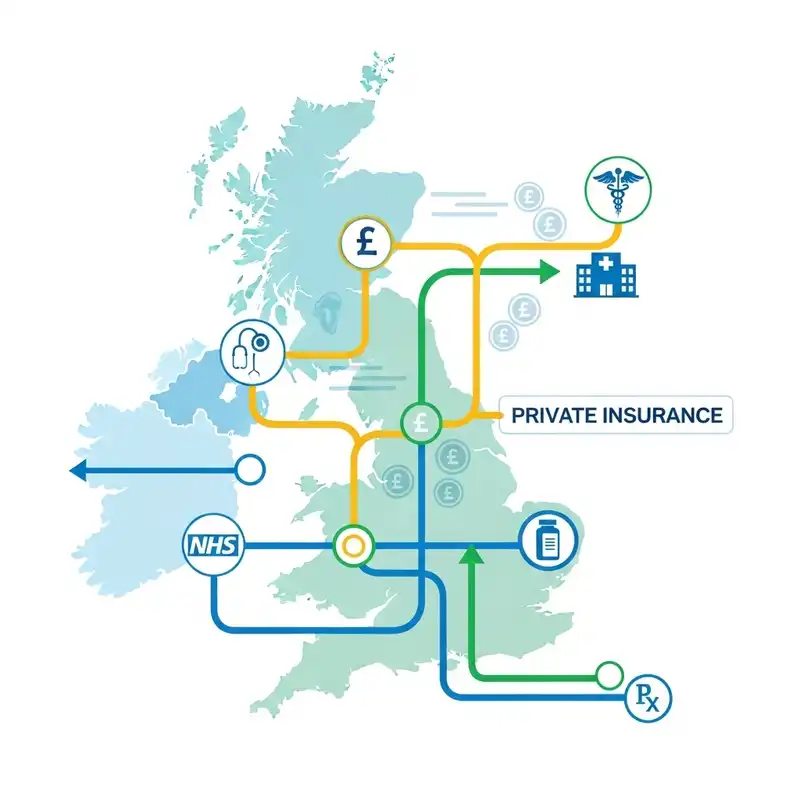
In the United Kingdom, we are rightly proud of our National Health Service (NHS), a cornerstone of our society providing free healthcare at the point of need. However, increasingly, individuals and families are looking beyond the NHS for certain healthcare needs, turning their attention to Private Medical Insurance (PMI). This isn't about replacing the NHS, but rather complementing it, offering a different pathway to care that can provide quicker access, greater choice, and enhanced comfort.
Key takeaways
- Faster access: Reduced waiting times for consultations, diagnostics (e.g., MRI scans, X-rays), and treatment.
- Greater choice: The ability to choose your consultant and hospital, often from a broad network.
- Enhanced comfort and privacy: Private rooms, flexible visiting hours, and often better facilities.
- Specialist access: Direct access to specialists without lengthy delays.
UK Private Health Insurance Your Tiered Guide to Budget Friendly and Comprehensive Cover
In the United Kingdom, we are rightly proud of our National Health Service (NHS), a cornerstone of our society providing free healthcare at the point of need. However, increasingly, individuals and families are looking beyond the NHS for certain healthcare needs, turning their attention to Private Medical Insurance (PMI). This isn't about replacing the NHS, but rather complementing it, offering a different pathway to care that can provide quicker access, greater choice, and enhanced comfort.
Navigating the world of private health insurance can feel daunting, with a myriad of terms, policy options, and providers. The aim of this definitive guide is to demystify PMI, helping you understand how it works, what it covers (and crucially, what it doesn't), and how you can tailor a policy to fit both your health needs and your budget. Whether you're seeking essential, budget-friendly cover or comprehensive peace of mind, we'll break down the tiers of protection available, empowering you to make an informed decision for your health and financial future.
Understanding the Fundamentals: What is Private Medical Insurance (PMI)?
Private Medical Insurance, often referred to as health insurance, is an insurance policy that covers the costs of private medical treatment for acute conditions. Unlike the NHS, which is funded through general taxation and offers care free at the point of use, PMI involves paying a regular premium (monthly or annually) to an insurer. In return, the insurer covers the costs of eligible private medical treatment, allowing you to bypass NHS waiting lists, choose your consultant, and often receive treatment in private hospitals with individual rooms and more flexible visiting hours.
How Does PMI Work in Practice?
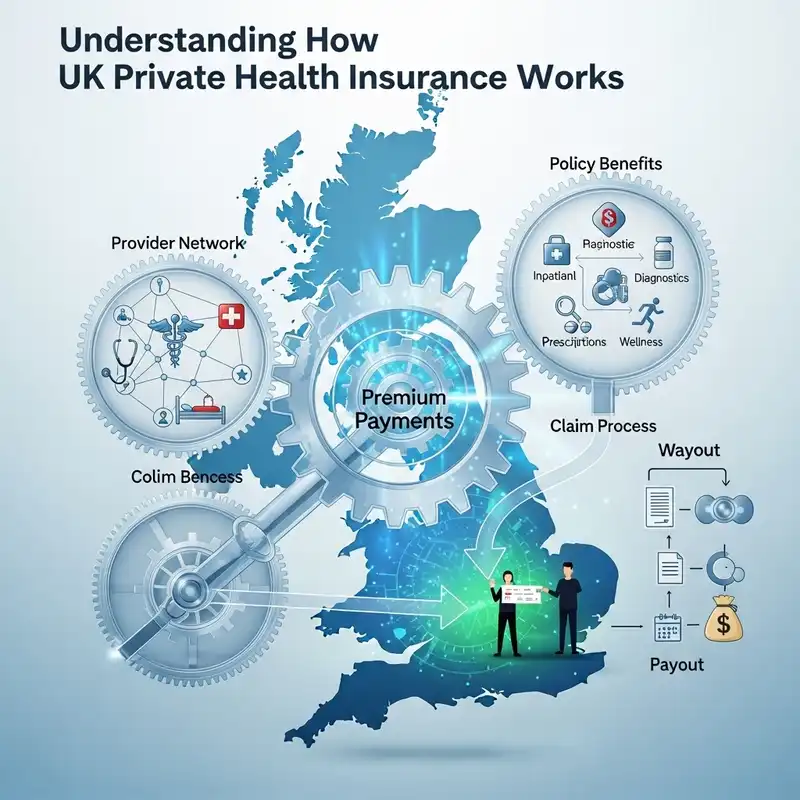
The process typically begins with a GP referral. If your GP recommends a specialist consultation or diagnostic test, and you have PMI, you would contact your insurer for pre-authorisation. Once approved, you can then choose from a list of approved consultants and hospitals within your policy's network. The insurer will then settle the eligible costs directly with the hospital or consultant, minus any excess you might have chosen to pay.
Crucial Distinction: Acute vs. Chronic Conditions
This is perhaps the single most important concept to grasp when considering UK Private Medical Insurance. PMI is designed to cover acute conditions that arise after your policy begins.
An acute condition is a disease, illness or injury that is likely to respond quickly to treatment that aims to return you to the state of health you were in immediately before suffering the disease, illness or injury, or which leads to your full recovery. Examples include a broken bone, a new diagnosis of appendicitis requiring surgery, or a new case of pneumonia.
Conversely, standard UK Private Medical Insurance does not cover chronic conditions or conditions you had before you took out the policy (known as pre-existing conditions). This is a fundamental exclusion across virtually all standard UK PMI policies.
The NHS vs. Private Healthcare: A Balanced View
The NHS remains the backbone of healthcare in the UK, providing excellent care, particularly for emergencies, chronic disease management, and long-term conditions. It is a source of immense national pride and invaluable service. However, it faces significant challenges, leading many to consider private alternatives.
Strengths of the NHS
- Free at the point of use: No direct costs for consultations, treatments, or prescriptions.
- Comprehensive emergency care: The NHS excels in handling life-threatening emergencies.
- Universal access: Available to everyone residing in the UK, regardless of income or insurance status.
- Chronic disease management: Provides ongoing care for long-term conditions like diabetes, heart disease, and asthma.
Limitations of the NHS
- Waiting lists: This is often the primary driver for seeking private healthcare. According to NHS England data, as of March 2024, the total number of pathways waiting for treatment was 7.54 million, with some patients waiting significantly longer for specialist consultations, diagnostic tests, or elective surgeries. The median waiting time for planned treatment was around 15 weeks.
- Limited choice: Patients typically cannot choose their consultant or hospital for non-emergency treatments.
- Lack of privacy/comfort: Private rooms are rare, and wards can be busy and noisy.
- Geographical variation: Quality of care and waiting times can vary significantly across different NHS trusts.
How PMI Complements the NHS
PMI doesn't replace the NHS; it works alongside it. For emergencies, severe accidents, or ongoing chronic conditions, the NHS remains your primary port of call. PMI steps in for the diagnosis and treatment of new, acute conditions, offering:
- Faster access: Reduced waiting times for consultations, diagnostics (e.g., MRI scans, X-rays), and treatment.
- Greater choice: The ability to choose your consultant and hospital, often from a broad network.
- Enhanced comfort and privacy: Private rooms, flexible visiting hours, and often better facilities.
- Specialist access: Direct access to specialists without lengthy delays.
Demystifying "Pre-existing" and "Chronic" Conditions in PMI
As highlighted, this is a critical aspect of UK Private Medical Insurance. Understanding these exclusions is paramount to avoiding disappointment and ensuring your policy meets your expectations.
What is a Pre-existing Condition?
A pre-existing condition is any medical condition, illness, or injury for which you have received symptoms, treatment, medication, advice, or investigations in a defined period before you take out your policy. This look-back period is typically 2-5 years, but can vary by insurer.
Examples: If you had knee pain and saw a physio for it 18 months ago, and then take out a policy, that knee condition would likely be considered pre-existing and excluded for a period (or permanently, depending on underwriting). Similarly, if you had high blood pressure controlled by medication before your policy, any future complications arising directly from that high blood pressure would be excluded.
What is a Chronic Condition?
A chronic condition is a disease, illness or injury which has one or more of the following characteristics:
- It needs ongoing or long-term management.
- It requires a long period of observation.
- It recurs or is likely to recur.
- It has no known cure.
- It is permanent.
Examples of common chronic conditions:
- Asthma
- Diabetes (Type 1 or Type 2)
- High blood pressure (Hypertension)
- Arthritis (rheumatoid or osteoarthritis)
- Epilepsy
- Multiple Sclerosis (MS)
- Crohn's disease
- Psoriasis
- Chronic back pain (where it's ongoing and not an acute injury)
- Anxiety or depression that requires ongoing medication or therapy
Why are they excluded? Insurers price their policies based on managing the risk of new, acute illnesses. Covering chronic conditions, which require indefinite and often costly care, would make PMI premiums prohibitively expensive for the vast majority of consumers. The NHS remains the primary provider for long-term management of chronic conditions.
Underwriting Methods and Their Impact on Pre-existing Conditions
When you apply for PMI, insurers use underwriting to assess your health history. The method chosen impacts how pre-existing conditions are handled:
-
Moratorium Underwriting (Most Common):
- How it works: You don't need to disclose your full medical history upfront. Instead, the insurer imposes a "moratorium" period (usually 1-2 years) during which any condition you've had symptoms, treatment, or advice for in the look-back period (e.g., 5 years prior to policy start) will be excluded.
- Potential for cover: If, after the moratorium period, you have gone symptom-free, treatment-free, and advice-free for a specific pre-existing condition for a continuous period (e.g., 2 years symptom-free), that condition might then become covered. However, if the condition recurs during the moratorium, the clock resets. Chronic conditions, by their nature, rarely become symptom-free and thus generally remain excluded.
- Pros: Simpler application process.
- Cons: Less certainty about what is covered until a claim is made and assessed against the moratorium rules.
-
Full Medical Underwriting (FMU):
- How it works: You provide your full medical history upfront, often involving a detailed questionnaire or a GP report. The insurer reviews this and decides whether to accept the policy, exclude specific conditions permanently, or apply special terms.
- Potential for cover: You get clarity from the outset about which past conditions are covered or excluded.
- Pros: Certainty about exclusions from day one. Some conditions that might be excluded under moratorium (e.g., a resolved acute issue years ago) might be accepted.
- Cons: More intrusive and time-consuming application process.
Important Note: Even with Full Medical Underwriting, chronic conditions will generally be excluded. The underwriting process primarily determines the status of acute conditions you may have had in the past that are now resolved or well-managed.
Understanding these exclusions is paramount. If you have a long-term condition, PMI will not cover its ongoing management or any acute flare-ups directly related to it. Your journey for that will remain with the NHS.
The Tiers of Cover: Finding Your Perfect Balance
Private Medical Insurance isn't a one-size-fits-all product. Insurers offer various levels of cover, allowing you to tailor your policy based on what you want covered and, crucially, how much you want to pay. This "tiered" approach is key to finding a policy that is both budget-friendly and comprehensive enough for your needs.
Tier 1: Basic/Budget Cover (Inpatient Only)
This is the most fundamental and typically the most affordable level of PMI. It focuses primarily on costs incurred once you are admitted to a hospital bed.
- What it typically covers:
- Inpatient Treatment: Costs associated with overnight stays in a private hospital. This includes accommodation, nursing care, surgical fees, anaesthetist fees, and intensive care.
- Day-patient Treatment: Treatment that requires a hospital bed but doesn't involve an overnight stay (e.g., minor procedures, some diagnostic procedures).
- What it generally doesn't cover:
- Outpatient Consultations: GP referrals to specialists before you're admitted.
- Outpatient Diagnostic Tests: Scans (MRI, CT, X-ray), blood tests, and other investigations unless they lead directly to an inpatient admission on the same day.
- Physiotherapy and other therapies: Unless directly following an inpatient stay.
- Mental health treatment (outpatient): Limited or no cover.
- Cost Implications: This tier is the most budget-friendly as it carries the least risk for the insurer. You rely on the NHS for diagnostics and initial consultations, only switching to private once hospital admission is required.
Tier 2: Standard/Mid-Range Cover (Inpatient + Limited Outpatient)
This tier offers a significant step up in convenience, bridging the gap between basic inpatient cover and full comprehensive plans. It’s often a popular choice for those seeking quicker access to diagnosis.
- What it typically covers:
- All Inpatient & Day-patient Benefits (as above).
- Limited Outpatient Benefits: This is the key differentiator. It typically includes:
- Illustrative estimate: A specific monetary limit for outpatient specialist consultations (e.g., £1,000 - £2,000 per year).
- Illustrative estimate: A specific monetary limit for outpatient diagnostic tests (e.g., £1,000 - £2,000 per year for MRI, CT, X-ray, blood tests).
- Some cover for outpatient physiotherapy and other therapies (often with limits).
- Some Mental Health Cover: Often limited to inpatient psychiatric treatment or a small number of outpatient therapy sessions.
- Cost Implications: Moderately priced. You get the benefit of quicker diagnosis privately, but with limits on how much the insurer will pay for these initial stages. If your condition requires extensive outpatient care before a hospital admission, you might hit your limits.
Tier 3: Comprehensive Cover (Inpatient + Full Outpatient + Therapies + Extras)
This is the most extensive level of cover, providing the greatest flexibility, choice, and peace of mind. It aims to cover every stage of the medical journey privately.
- What it typically covers:
- All Inpatient & Day-patient Benefits.
- Full Outpatient Benefits: This usually means no monetary limit on outpatient specialist consultations or diagnostic tests.
- Extensive Physiotherapy & Therapies: Often includes unlimited sessions for approved conditions, or very high limits.
- Comprehensive Mental Health Cover: Includes outpatient talking therapies, psychiatric consultations, and often inpatient psychiatric treatment.
- Cancer Care: Often comprehensive, covering diagnostics, chemotherapy, radiotherapy, and follow-up care (check scope carefully, as some exclusions may apply, particularly for experimental treatments).
- Additional Benefits: May include complementary therapies (e.g., acupuncture, osteopathy), cash benefits for NHS stays, home nursing, private ambulance, and sometimes even international medical assistance.
- Cost Implications: This is the most expensive tier due to the extensive range of benefits and lower risk for the policyholder. It offers maximum control over your healthcare journey.
Table: Comparison of PMI Cover Tiers
| Feature | Tier 1: Basic/Budget (Inpatient Only) | Tier 2: Standard/Mid-Range (Inpatient + Limited Outpatient) | Tier 3: Comprehensive (Full Outpatient & Extras) |
|---|---|---|---|
| Inpatient Treatment | Full cover for hospital stays, surgery, anaesthesia. | Full cover. | Full cover. |
| Day-patient Treatment | Full cover for procedures not requiring overnight stay. | Full cover. | Full cover. |
| Outpatient Consultations | Not covered (use NHS). | Limited annual monetary allowance (e.g., £1,000-£2,000). | Full cover (no monetary limit). |
| Outpatient Diagnostics | Not covered (use NHS). | Limited annual monetary allowance (e.g., £1,000-£2,000). | Full cover (no monetary limit). |
| Physiotherapy & Therapies | Very limited or not covered. | Limited sessions/monetary allowance. | Extensive or unlimited sessions. |
| Mental Health Cover | Very limited or none (inpatient psychiatric only). | Limited outpatient sessions, some inpatient cover. | Comprehensive outpatient & inpatient cover. |
| Cancer Care | Often included for inpatient/day-patient, limited else. | Comprehensive diagnostics & treatment (scope varies). | Highly comprehensive diagnostics & treatment. |
| Dental/Optical | Not covered. | Not covered. | Usually available as an optional add-on. |
| Premium Cost | Lowest | Mid-range | Highest |
| Convenience | Lowest (relies heavily on NHS for initial stages). | Good (quicker diagnostics, but potential limits). | Highest (full control over private pathway). |
| Typical Use | For major interventions, bypass surgical wait lists. | Quicker diagnosis, some follow-up, good value. | Maximum choice, speed, and comfort. |
Key Policy Features and Add-Ons to Consider
Beyond the core tiers of cover, most PMI policies offer a range of features and optional add-ons that can further tailor your policy – and impact its price.
- Outpatient Limit: As seen in the tiers, this is crucial. Do you want no limit, a set monetary limit, or no cover at all for outpatient consultations and diagnostics?
- Therapies: Covers treatments like physiotherapy, osteopathy, chiropractic, and sometimes acupuncture. Consider if this is important to you, especially for musculoskeletal issues.
- Mental Health Cover: While basic policies might exclude it, many mid-range and comprehensive policies offer some form of mental health support, ranging from online GP services with mental health pathways to full inpatient and outpatient psychiatric care. Given the growing awareness of mental well-being, this is an increasingly sought-after benefit.
- Cancer Cover: While often included in comprehensive policies, always check the specifics. Does it cover all diagnostics, advanced therapies, and post-treatment support? Is there a limit on drug coverage for non-NHS approved treatments?
- Hospital List:
- Guided List/Restricted List: Limits you to a specific, often smaller, list of hospitals, typically those with agreed-upon rates. This can significantly reduce premiums.
- Standard List/Extensive List: Offers a wider selection of private hospitals across the UK, providing more choice and flexibility.
- Central London Hospitals: Exclusion of these highly expensive hospitals can also lower premiums. If you live outside London, this might be a sensible cost-saving measure.
- International Travel Cover: Some policies offer emergency medical cover while abroad, which can be a convenient addition, potentially replacing a separate travel insurance policy for medical emergencies.
- Dental and Optical Cover: Usually an optional add-on, covering routine dental check-ups, treatments, and optical care (e.g., eye tests, contributions towards glasses/lenses). These are typically benefit-limited plans, meaning they pay a set amount per treatment or year, rather than full costs.
- No Claims Discount (NCD): Similar to car insurance, a no-claims discount rewards you for not making claims. Each claim-free year can increase your discount, reducing your premium. Be aware that making a claim will reduce your NCD, potentially leading to a higher premium the following year.
- Excess/Deductible (illustrative): This is the amount you agree to pay towards the cost of your treatment before the insurer pays anything. Choosing a higher excess (e.g., £250, £500, £1,000) will reduce your annual premium significantly. This is a popular way to make PMI more affordable, but ensure you can comfortably afford the excess if you need to claim.
Understanding How Premiums Are Calculated
The cost of your PMI premium is not arbitrary; it's a careful calculation based on several factors unique to you and your chosen policy.
Factors Influencing PMI Premiums:
- Age: This is the most significant factor. As you age, the likelihood of needing medical treatment increases, so premiums rise considerably with age.
- Location (Postcode): Healthcare costs vary across the UK. Areas with higher living costs (e.g., London and the South East) or more expensive private hospitals will generally have higher premiums.
- Chosen Level of Cover: As discussed in the "Tiers of Cover" section, comprehensive policies are more expensive than basic inpatient-only plans.
- Excess/Deductible: Opting for a higher excess (the amount you pay towards a claim) will reduce your premium.
- Underwriting Method: Full Medical Underwriting can sometimes lead to different pricing if it uncovers specific risks compared to a moratorium approach, although this is more about exclusions than overall cost.
- Health History: While pre-existing conditions are generally excluded, your overall health status might influence premium if you're undergoing Full Medical Underwriting (though this is more common in international health insurance). For UK PMI, it primarily affects what is covered rather than the base premium itself for new conditions.
- Hospital List Chosen: Selecting a restricted or guided hospital list will typically result in lower premiums compared to a comprehensive, open list.
- No-Claims Discount (NCD): The longer you go without claiming, the higher your NCD, and thus the lower your premium.
- Add-ons: Any additional benefits you choose, such as dental, optical, or comprehensive mental health cover, will increase your premium.
- Inflation and Medical Inflation: Healthcare costs generally rise faster than general inflation due to advancements in technology, new drugs, and increasing demand. Insurers factor this into their annual premium reviews.
Table: Factors Influencing PMI Premiums and Their Impact
| Factor | Impact on Premium (Generally) | Explanation |
|---|---|---|
| Age | Increases significantly with age. | Older individuals are statistically more likely to claim. |
| Location (Postcode) | Higher in urban/expensive areas (e.g., London). | Reflects higher hospital fees and consultant charges in certain regions. |
| Level of Cover | Higher for Comprehensive; Lower for Basic. | More benefits and higher payout limits mean higher premiums. |
| Chosen Excess | Higher excess = Lower premium. | You bear more of the initial cost of a claim, reducing the insurer's risk. |
| Hospital List | Restricted List = Lower; Extensive List = Higher. | Guided lists use hospitals with pre-negotiated lower rates; wider choice offers more flexibility but higher costs. |
| Underwriting Method | Varies, but FMU gives clarity; Moratorium is common. | FMU can sometimes result in specific loadings or exclusions; Moratorium offers simplicity upfront. |
| Add-on Benefits | Increases for each added benefit. | Dental, optical, travel cover, enhanced mental health are additional costs. |
| No Claims Discount | Higher NCD = Lower premium. | Rewards for not claiming, typically discounted annually. A claim will reduce your NCD. |
Strategies for Making PMI More Affordable
While PMI can be a significant investment, there are several smart strategies you can employ to bring the cost down without completely compromising on valuable cover.
- Increase Your Excess: This is one of the most effective ways to lower your premium. By agreeing to pay a larger amount (e.g., £500 or £1,000) towards the first part of any claim, your insurer reduces your annual premium. Just ensure you can comfortably afford the excess if you need treatment.
- Opt for a More Basic Cover Tier: Re-evaluate your priorities. Do you genuinely need full outpatient cover, or would a policy that covers inpatient treatment plus limited outpatient diagnostics be sufficient? Sometimes, an inpatient-only policy, while requiring you to use the NHS for diagnosis, significantly cuts costs.
- Choose a Restricted or Guided Hospital List: Instead of a comprehensive list of all private hospitals, select a plan that limits you to a specific network of hospitals. These networks often have agreed-upon lower rates with insurers, leading to reduced premiums.
- Consider a "6-Week Wait" Option: Some insurers offer a "6-week wait" or "NHS option" that can reduce your premium. With this option, if the NHS can offer the treatment you need within 6 weeks, you agree to have it on the NHS. If the NHS waiting list is longer than 6 weeks for your specific treatment, your PMI policy will then step in to cover the private treatment. This option leverages the NHS for common procedures with shorter wait times.
- Pay Annually Instead of Monthly: While not always feasible for everyone, paying your annual premium in one lump sum often results in a small discount compared to paying in monthly instalments.
- Review Your Policy Annually: Don't just let your policy auto-renew. Circumstances change, and new policies or better deals may emerge. Review your needs and the market annually.
- Consider a Group Scheme (if applicable): If your employer offers a corporate health insurance scheme, it's almost always more cost-effective than purchasing an individual policy. The employer typically subsidises a significant portion of the premium.
- Shop Around and Compare: This is perhaps the most crucial strategy. Prices and policy features vary significantly between insurers. It pays to use an independent expert broker like WeCovr. We can compare plans from all major UK insurers, understand the nuances of different policies, and identify the best value option that meets your specific needs. By doing the legwork for you, we help ensure you get the right coverage without overpaying.
The Application and Claims Process: What to Expect
Understanding the journey from application to claim can alleviate much of the anxiety associated with private health insurance.
The Application Process
- Getting a Quote: You can obtain quotes directly from insurers online, over the phone, or, highly recommended, through an independent broker like WeCovr. We collect your basic details (age, location, desired level of cover) and provide you with options and price comparisons.
- Choosing Underwriting Method: As discussed, you'll typically choose between Moratorium or Full Medical Underwriting. This decision is critical as it determines how your pre-existing conditions are handled. Be honest and thorough in your disclosures, especially with FMU, as non-disclosure can invalidate a claim.
- Policy Issuance: Once you accept a quote and the underwriting process is complete, your policy documents will be issued, detailing your cover, exclusions, and terms.
The Claims Process
- GP Referral: The vast majority of PMI claims begin with a referral from your NHS GP. Your GP determines that you need specialist attention for a new, acute condition.
- Contact Your Insurer for Pre-authorisation: Before any private consultation, diagnostic test, or treatment, you must contact your insurer for pre-authorisation. You'll need to provide details of your GP's referral and the proposed treatment. This step is vital; without pre-authorisation, your claim might be denied.
- Insurer Approval: The insurer will assess whether the proposed treatment is covered by your policy and is medically necessary. They will issue an authorisation code.
- Choose Consultant/Hospital: With authorisation, you can then proceed to book your appointment with a specialist or hospital from your policy's approved network.
- Receive Treatment: Attend your appointments and receive the recommended treatment.
- Payment: In most cases, the insurer will settle the eligible costs directly with the hospital or consultant. You will be responsible for paying any agreed excess directly to the provider. Ensure you understand what is covered and what isn't. If you're nearing a benefit limit (e.g., for outpatient treatment on a mid-range plan), your insurer will inform you.
Choosing the Right Insurer: Key Considerations
Selecting the right private health insurer is as important as choosing the right level of cover. Here's what to look for:
- Reputation and Financial Stability: Choose an insurer with a strong track record and robust financial standing. Look for established providers in the UK market.
- Customer Service: How easy is it to get in touch? Are their claims teams helpful and efficient? Look for reviews on independent platforms.
- Network of Hospitals and Specialists: Does their network include hospitals and consultants convenient to you, and those with a good reputation for the specific treatments you might foresee needing?
- Policy Flexibility: Can you easily adjust your policy annually? Are there options to upgrade or downgrade your cover?
- Claiming Process Efficiency: How streamlined and transparent is their claims process? Are there digital tools or apps to manage claims?
- Reviews and Ratings: Check independent reviews and ratings from organisations like Defaqto or Trustpilot to gauge customer satisfaction and policy quality.
- The Importance of an Independent Broker: This is where an expert broker like WeCovr truly shines. We work for you, not the insurer. We have an in-depth understanding of the UK PMI market, access to policies from all leading providers, and can offer impartial advice. We help you compare complex policy wordings, highlight crucial exclusions (especially for pre-existing and chronic conditions), and simplify the process of finding the most suitable and cost-effective plan for your unique circumstances. When you work with us, you benefit from our expertise and commitment to finding your an appropriate level of cover.
Common Misconceptions About UK Private Health Insurance
Many misunderstandings surround PMI, often leading to incorrect expectations or missed opportunities. Let's debunk a few:
- "PMI replaces the NHS." This is perhaps the biggest misconception. PMI complements the NHS. For emergencies, severe accidents, or the ongoing management of chronic conditions, the NHS remains your primary provider. PMI offers an alternative pathway for acute conditions, providing speed, choice, and comfort. You will always retain your right to NHS care.
- "It covers everything." Absolutely not. As explicitly stated throughout this guide, standard UK PMI does not cover chronic conditions (e.g., diabetes, asthma, ongoing arthritis) or pre-existing conditions (any condition you had before taking out the policy). It's designed for new, acute illnesses or injuries that arise after your policy begins.
- "It's only for the wealthy." While it can be expensive, the tiered approach and various cost-saving strategies (higher excess, restricted hospital lists, basic cover) mean PMI is increasingly accessible to a wider range of budgets. Many find the peace of mind and quicker access to be worth the investment.
- "It's too complicated." While the initial learning curve can seem steep, with the right guidance (e.g., from an expert broker), understanding the key concepts and choosing a policy becomes much simpler.
- "I'll lose my NHS GP." Your GP remains your first point of contact for most health concerns and will provide the necessary referrals for private treatment. PMI doesn't affect your relationship with your NHS GP.
Future Trends in UK Private Health Insurance
The landscape of healthcare and insurance is continually evolving. Here are some trends shaping the future of UK PMI:
- Digital Health and Telehealth: The pandemic accelerated the adoption of virtual GP services, online consultations, and digital health apps. Many PMI providers now offer 24/7 virtual GP access as standard, providing immediate medical advice and referrals. This trend is set to continue, enhancing convenience and early intervention.
- Focus on Preventative Care and Well-being: Insurers are increasingly shifting from purely reactive care to proactive well-being. This includes offering benefits for health assessments, mental health support lines, discounts on gym memberships, and access to nutritional advice, aiming to keep policyholders healthier and reduce future claims.
- Impact of NHS Pressures: With ongoing challenges like funding, staffing shortages, and increasing demand, NHS waiting lists are likely to remain a significant factor driving PMI uptake. Insurers will continue to adapt their offerings to provide valuable alternatives.
- Personalisation of Policies: Expect more granular customisation options, allowing individuals to tailor policies even more precisely to their specific needs and budget, beyond the current tiered system.
- Greater Transparency: The industry is moving towards greater transparency in pricing, policy terms, and claims processes, making it easier for consumers to understand what they are buying.
Conclusion: Making an Informed Decision for Your Health and Finances
Private Medical Insurance in the UK is a powerful tool for those seeking greater control, speed, and choice over their healthcare. It is not a substitute for the NHS, which remains vital for emergencies and chronic conditions, but rather a valuable complement that can significantly enhance your access to acute medical care.
Remember the absolute cornerstone of UK PMI: it is designed for acute conditions that arise after your policy begins. It does not cover chronic or pre-existing conditions. Understanding this fundamental exclusion is crucial to setting realistic expectations and choosing a strong fit for your needs.
By understanding the different tiers of cover – from budget-friendly inpatient-only plans to comprehensive options with full outpatient benefits – and familiarising yourself with key features, excesses, and underwriting methods, you can tailor a policy that genuinely meets your needs. Moreover, by strategically applying cost-saving measures, PMI can be more affordable than you might initially think.
Ultimately, choosing private health insurance is a personal decision, weighing the financial outlay against the peace of mind, speed of access, and comfort it can provide. To navigate this complex market and ensure you secure the most suitable and cost-effective plan, we strongly recommend seeking independent expert advice. At WeCovr, we pride ourselves on being that expert resource, helping you compare options from all major UK insurers and guiding you through every step of the process. Your health is your most valuable asset – investing in its care is a decision worth making with confidence and clarity.
Sources
- NHS England: Waiting times and referral-to-treatment statistics.
- Office for National Statistics (ONS): Health, mortality, and workforce data.
- NICE: Clinical guidance and technology appraisals.
- Care Quality Commission (CQC): Provider quality and inspection reports.
- UK Health Security Agency (UKHSA): Public health surveillance reports.
- Association of British Insurers (ABI): Health and protection market publications.
Disclaimer: This is general guidance only and does not constitute formal tax or financial advice. Tax treatment depends on individual circumstances, policy terms, and HMRC interpretation, which cannot be guaranteed in advance. Whenever applicable, businesses and individuals should always consult a qualified accountant or tax adviser before arranging such policies.
Start with your Protection Score, then decide whether private health cover is the right fit
Check where health access sits in your overall protection picture before deciding whether to compare private health cover.
Spot whether NHS access risk is the real issue
See if PMI is the gap to fix first
Get health insurance help only if it makes sense for you
Get your score
Start with your protection score
Check your current position first, then get health insurance help if you need it.
Check your current resilience
Score your income, health access and family protection position in a few minutes.
See where private cover helps
Understand whether faster diagnosis and treatment is a priority gap.
Continue to tailored PMI help
If health access is the issue, continue to tailored PMI help.
What you get
A quick view of your current protection position
A clearer idea of where the biggest gaps may be
A direct route to tailored help if you want it