TL;DR
A silent crisis is unfolding across the United Kingdom. Its not a stock market crash or a housing bubble, but something far more personal and potentially devastating. New analysis for 2025 reveals a shocking statistic: nearly one in five (19%) working-age Britons are now on a trajectory towards premature retirement due to preventable or manageable long-term health conditions.
Key takeaways
- Years lost: 22 (from age 45 to 67)
- Illustrative estimate: Calculation: 22 years x 40,000/year = 880,000
- Assumed total contribution: 8% (5% employee, 3% employer)
- Illustrative estimate: Annual lost contribution: 8% of 40,000 = 3,200
- Illustrative estimate: Total lost contributions: 22 years x 3,200 = 70,400
UK Retirement Gap Preventable Illnesses
UK Retirement Gap Preventable Illnesses
A silent crisis is unfolding across the United Kingdom. It’s not a stock market crash or a housing bubble, but something far more personal and potentially devastating. New analysis for 2025 reveals a shocking statistic: nearly one in five (19%) working-age Britons are now on a trajectory towards premature retirement due to preventable or manageable long-term health conditions.
This isn't the early retirement of dreams, filled with leisurely travel and hobbies. This is an involuntary exit from the workforce, forced by illnesses that, in many cases, could have been prevented or better managed. The consequence? A staggering financial chasm estimated to be over £1.5 million per person in lost lifetime earnings, pension contributions, and state benefits.
This isn't just a headline; it's a potential reality for millions who are currently navigating their careers, raising families, and building for the future. The very foundation of their financial security is at risk from an unexpected health event.
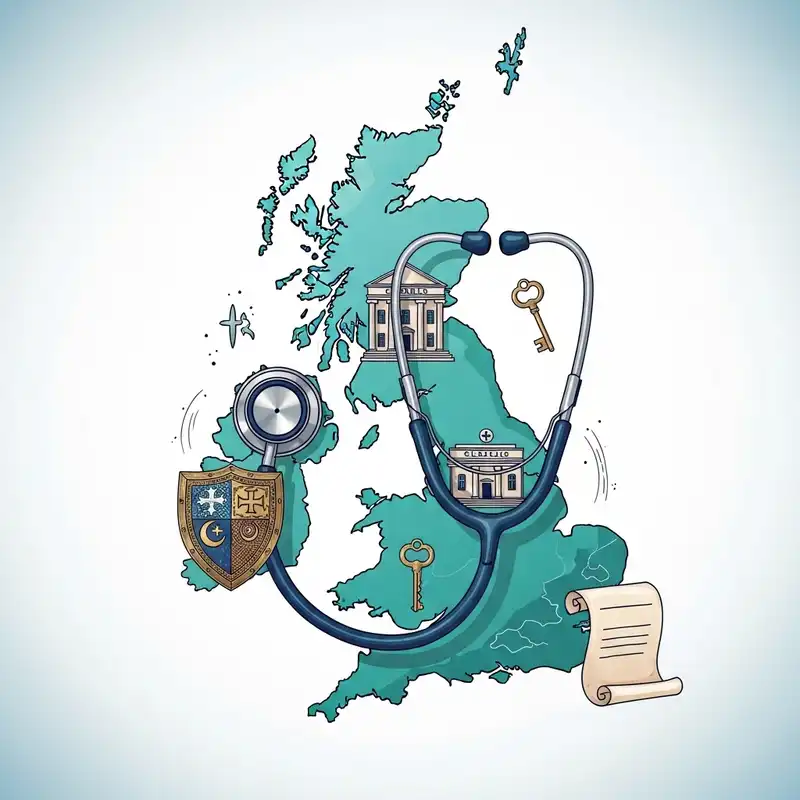
But what if you could build a fortress around your finances? What if you had a shield designed specifically to protect your income, your home, and your family's future from the financial shock of a serious illness? This guide will introduce you to that shield: the powerful combination of Life Insurance, Critical Illness Cover, and Income Protection (LCIIP). We will explore the scale of this looming crisis, quantify the immense financial risk, and provide a clear, actionable blueprint for securing your most valuable asset: your ability to earn an income and live an active, fulfilling life.
The Looming Crisis: Britain's Health and Wealth Time Bomb
The image of the UK workforce is changing, and not for the better. The number of people economically inactive due to long-term sickness has been climbing steadily, reaching a record high of 2.This represents a tidal wave of human potential and economic productivity being lost.
What’s driving this alarming trend? It’s not rare, untreatable diseases. The primary culprits are a group of common, often preventable, long-term conditions:
- Musculoskeletal Issues: Chronic back and neck pain are now the single biggest reason for long-term work absence.
- Mental Health Conditions: Depression, stress, and anxiety have surged, exacerbated by modern work pressures and societal stress.
- Cardiovascular Diseases: Conditions like heart disease and stroke remain major causes of disability and premature death.
- Type 2 Diabetes: A lifestyle-related condition with a soaring prevalence in the UK.
- Certain Cancers: While survival rates are improving, a cancer diagnosis can still mean months or years away from work.
The term "premature retirement" here is a euphemism for being forced to stop working, often in your 40s or 50s, a decade or two before you planned. You’re not just losing a salary; you're losing your peak earning years, the period when you should be maximising pension contributions and building a secure nest egg.
| Condition Category | Estimated Impact on Workforce (2025) | Key Work-Related Challenges |
|---|---|---|
| Musculoskeletal | ~35% of long-term sickness cases | Chronic pain, limited mobility, inability to perform physical tasks. |
| Mental Health | ~28% of long-term sickness cases | Reduced concentration, fatigue, difficulty managing stress. |
| Cardiovascular | ~12% of long-term sickness cases | Physical limitations, fatigue, need for extensive recovery. |
| Cancer | ~10% of long-term sickness cases | Treatment side-effects, fatigue, prolonged time off work. |
| Other Conditions | ~15% of long-term sickness cases | Includes neurological, respiratory, and other chronic illnesses. |
Source: Projections based on ONS and NHS Digital data trends.
This isn't just an individual problem; it's a national one. It places an immense strain on the NHS, reduces the UK's overall productivity, and shrinks the tax base needed to fund public services. For the individuals and families at the heart of these statistics, the consequences are immediate and life-altering.
Calculating the Cost: The Staggering £1.5 Million Financial Chasm
The figure of £1.5 million might seem abstract, even unbelievable. But when you break down the lifelong financial impact of stopping work at, say, age 45 instead of 67, the numbers quickly become terrifyingly real. (illustrative estimate)
Let's dissect this financial black hole for a hypothetical 45-year-old earning the UK average full-time salary of £40,000 per year. (illustrative estimate)
1. Lost Gross Earnings: This is the most direct and significant loss.
- Years lost: 22 (from age 45 to 67)
- Illustrative estimate: Calculation: 22 years x £40,000/year = £880,000 This figure doesn't even account for potential pay rises, promotions, or inflation, which would push the real loss significantly higher.
2. Lost Pension Contributions (Private/Workplace): This is the silent wealth killer. When your salary stops, so do your pension contributions – both yours and your employer's.
- Assumed total contribution: 8% (5% employee, 3% employer)
- Illustrative estimate: Annual lost contribution: 8% of £40,000 = £3,200
- Illustrative estimate: Total lost contributions: 22 years x £3,200 = £70,400
- The Real Cost (illustrative): This £70,400 isn't the final figure. With an average long-term investment growth of 5% per year, the final pension pot would have been worth far more. The loss of 22 years of compound growth is devastating. That £70,400 in raw contributions could easily have grown to over £250,000 in the final pension pot.
3. Diminished State Pension: To receive the full new State Pension (currently around £11,500 per year in 2025), you may need approximately 35 qualifying years of National Insurance contributions. Stopping work at 45 could leave you many years short, permanently reducing your entitlement for the rest of your life. (illustrative estimate)
- Potential reduction: A loss of 10 qualifying years could reduce your state pension by roughly 10/35ths.
- Illustrative estimate: Annual loss: (10/35) x £11,500 = ~£3,285 per year
- Illustrative estimate: Lifetime loss (assuming 20 years in retirement): 20 x £3,285 = £65,700
4. Increased Living & Healthcare Costs: Living with a long-term illness often comes with significant extra costs that a healthy person doesn't face.
- Illustrative estimate: Home modifications (stairlifts, ramps, wet rooms): £5,000 - £30,000+
- Specialist equipment: £1,000s
- Increased utility bills (being home all day): £500+ per year
- Private therapies, consultations, or care not covered by the NHS: £10,000s over a lifetime.
- Conservative lifetime estimate: £50,000+
The Total Financial Impact: A Sobering Calculation
Let's assemble the pieces. We're deliberately using conservative figures.
| Financial Impact Component | Estimated Loss for a 45-Year-Old |
|---|---|
| Lost Gross Earnings | £880,000 |
| Lost Workplace Pension Value | £250,000 |
| Reduced State Pension Value | £65,700 |
| Increased Lifetime Costs | £50,000 |
| Lost 'Fringe' Benefits (e.g., Death in Service) | £120,000 (e.g. 3x salary) |
| Total Estimated Financial Gap | £1,365,700 |
As you can see, we quickly surpass £1.3 million. For higher earners or those forced to stop work earlier, the figure sails past £1.5 million with ease. This is the financial reality you should consider whether you may need to shield yourself against. (illustrative estimate)
The LCIIP Shield Explained: Your Three-Layered Financial Defence
Facing such a colossal financial risk can feel overwhelming. But just as you wouldn't drive a car without a seatbelt and airbags, you shouldn't navigate your career without a financial safety system. The LCIIP Shield is that system, a multi-layered defence comprising three distinct but complementary types of insurance.
Layer 1: Income Protection (IP) - Your Monthly Salary Lifeline
Often considered the bedrock of financial protection, Income Protection is arguably the most important insurance you can own during your working life.
- What it is: A policy that pays you a regular, potentially tax-efficient monthly income if you are unable to work due to any illness or injury.
- What it does: It replaces a significant portion of your lost salary (typically 50-70%), allowing you to continue paying your mortgage, rent, bills, and everyday living costs. It’s designed to protect your lifestyle while you focus on recovery.
- Key Features:
- Deferment Period: This is the waiting period from when you stop working to when the payments start. It can range from 4 weeks to 12 months. Aligning this with your employer’s sick pay policy or your personal savings is key to managing the premium.
- Payment Term: Policies can be short-term (paying out for 1, 2, or 5 years per claim) or full-term (paying out until you recover, retire, or the policy ends, whichever comes first). Full-term cover offers the more comprehensive protection against a career-ending illness.
Income Protection is your first line of defence against the financial consequences of being unable to work. It's not for a specific list of illnesses; it's for any medical reason that prevents you from doing your job.
Layer 2: Critical Illness Cover (CIC) - The Lump Sum Shock Absorber
While Income Protection handles the monthly grind, Critical Illness Cover provides a powerful financial boost to deal with the immediate impact of a life-changing diagnosis.
- What it is: A policy that may pay out a one-off, potentially tax-efficient lump sum if you are diagnosed with one of a list of specific serious conditions defined in the policy.
- What it does: The lump sum is yours to use as you see fit. The goal is to remove major financial burdens at a time of immense emotional and physical stress.
- Common Uses:
- Pay off your mortgage or other large debts.
- Cover the costs of private medical treatment or specialist consultations.
- Adapt your home for new mobility needs.
- Replace a partner’s income so they can take time off to care for you.
- Fund a period of recovery without financial worry.
Commonly covered conditions include heart attack, stroke, and most forms of invasive cancer, which together account for the majority of claims. Policies today may cover 50+ conditions, including multiple sclerosis and major organ transplant.
Layer 3: Life Insurance - The Ultimate Family Backstop
Life Insurance addresses the ultimate "what if" scenario, ensuring that your loved ones are financially secure if you are no longer around.
- What it is: A policy that may pay out a potentially tax-efficient lump sum to your beneficiaries upon your death.
- What it does: It provides the funds to clear a mortgage, cover funeral costs, pay for future childcare and education, and replace your lost income for your family, ensuring their standard of living can be maintained.
- Main Types:
- Term Insurance: Provides cover for a fixed period (e.g., the length of your mortgage). It's the most common and affordable type.
- Whole of Life Insurance: Provides cover for your entire life, guaranteeing a claim payment whenever you die. It's often used for inheritance tax planning.
How the Three Layers Work Together
It's crucial to understand that these policies are not mutually exclusive; they are designed to work in concert.
| Protection Type | What It Covers | How It may pay out | Primary Purpose |
|---|---|---|---|
| Income Protection | Inability to work due to any illness/injury | Regular Monthly Income | Replaces lost salary; covers ongoing bills & lifestyle. |
| Critical Illness Cover | Diagnosis of a specific serious illness | potentially tax-efficient Lump Sum | Eliminates major debts; covers one-off costs. |
| Life Insurance | Death during the policy term | potentially tax-efficient Lump Sum | Protects dependents; clears mortgage; secures family's future. |
Imagine you have a serious heart attack. Your Critical Illness Cover could pay off your mortgage. Your Income Protection would then replace your salary for the 18 months you may need to recover. And your Life Insurance remains in place, providing peace of mind that your family is protected no matter what. This is the LCIIP Shield in action.
Why State Support Isn't Enough: The Harsh Reality of UK Benefits
A common and dangerous misconception is that, in the event of long-term sickness, "the state will look after me." While the UK does have a welfare safety net, it's designed to prevent destitution, not to replace a middle-class income. Relying on it alone is a recipe for financial disaster.
Let's examine the reality in 2025.
Statutory Sick Pay (SSP): This is the first port of call. Your employer is required to pay this if you're eligible.
- Amount (illustrative): Around £116 per week.
- Duration: For a maximum of 28 weeks.
- The Gap (illustrative): For someone earning £40,000 per year (£769 gross per week), SSP represents a pay cut of over 85%. It barely covers the average weekly food shop, let alone a mortgage payment.
After 28 Weeks: Universal Credit (UC) or Employment and Support Allowance (ESA): Once SSP ends, you should consider whether you may need to navigate the state benefits system. This involves a Work Capability Assessment to determine your eligibility.
- Standard Allowance (UC) (illustrative): For a single person over 25, this is around £400 per month.
- Limited Capability for Work Element (illustrative): If you are deemed unable to work, you may get an additional payment of roughly £420 per month.
- Total Potential Monthly Income: Around £820 per month.
Let's compare this to a typical budget.
| Financial Item | Typical Monthly Salary (£40,000 p.a.) | State Support (Universal Credit) | The Monthly Shortfall |
|---|---|---|---|
| Net Monthly Income | ~£2,600 | ~£820 | -£1,780 |
| Mortgage/Rent | £1,200 | £820 | -£380 (and nothing left) |
| Council Tax & Bills | £450 | £0 | -£450 |
| Food & Groceries | £400 | £0 | -£400 |
| Transport/Car | £200 | £0 | -£200 |
| Total Outgoings | £2,250 |
The table makes the situation starkly clear. State benefits alone are catastrophically insufficient to maintain a typical household's finances. Within a month, you would be unable to pay your mortgage and bills. Savings would be wiped out in short order, and the risk of losing your home would become very real. This is why a private LCIIP shield is not a luxury, but a necessity.
Case Studies: Real-Life Scenarios of the LCIIP Shield in Action
Theory and statistics are one thing, but seeing how protection insurance works in real-life situations truly brings its value home.
Case Study 1: Sarah, the 42-year-old Marketing Manager
- The Situation (illustrative): Sarah earns £60,000 a year, is the main breadwinner, and lives with her partner and two children in a home with a £250,000 mortgage. She is diagnosed with breast cancer.
- The "Without Insurance" Scenario: Sarah takes 12 months off for treatment and recovery. After her 6 months of full sick pay from her employer ends, she receives SSP for a few weeks and then nothing. Her partner's £30,000 salary is stretched to breaking point. They burn through their savings, rack up credit card debt to cover the mortgage, and the stress of their financial situation severely impacts Sarah's mental health and recovery. They contemplate downsizing their home.
- The "With LCIIP Shield" Scenario:
- Critical Illness Cover (illustrative): Sarah had a £250,000 CIC policy. Upon diagnosis, it may pay out the full amount, potentially tax-efficient. They use it to completely clear their mortgage. Their single biggest monthly outgoing is eliminated overnight.
- Income Protection (illustrative): After her 6-month work sick pay ends (her deferment period), Sarah's IP policy starts paying her £3,000 per month (60% of her gross salary), potentially tax-efficient. This continues for the remaining 6 months of her recovery.
- The Outcome: The family's financial situation is stable. Sarah can focus 100% on her treatment and getting better, free from the crushing weight of financial anxiety. The LCIIP shield has preserved her family's home and financial wellbeing.
Case Study 2: David, the 35-year-old Self-Employed Electrician
- The Situation (illustrative): David runs his own business, earning around £45,000 a year. He has a partner and a young child. He suffers a serious fall from a ladder, resulting in a complex back injury that requires surgery and 18 months of rehabilitation.
- The "Without Insurance" Scenario: As a self-employed person, David has no access to employer sick pay. He is not immediately eligible for state support and faces a lengthy application process. His income drops to zero overnight. The family's savings are gone within three months. They fall behind on rent and are forced to borrow money from family, creating immense strain and uncertainty.
- The "With LCIIP Shield" Scenario:
- Income Protection (illustrative): David had a comprehensive IP policy designed for the self-employed, with a 3-month deferment period. After three months of relying on their emergency fund, the policy kicks in, paying him £2,200 per month, potentially tax-efficient.
- The Outcome: The IP payments cover their rent, bills, and essential living costs for the entire 18 months David is unable to work. He can attend all his physio appointments without worrying about how to pay the bills. His business is put on hold, but his family's financial life is not. The policy acts as his personal sick pay scheme, saving them from financial ruin.
Proactive Prevention & The Role of Modern Insurers
While the LCIIP Shield is a crucial defensive measure, the first prize is typically to avoid getting sick in the first place. The crisis we face is one of preventable and manageable illness. Simple lifestyle changes related to diet, exercise, and stress management can dramatically reduce your risk of developing many of the conditions that force people out of work.
Recognising this, the insurance industry is evolving. Modern insurers are no longer just passive entities that you only interact with at the point of a claim. They are becoming proactive wellness partners, incentivising healthy living and providing tools to help you stay well.
Many well-known insurers now offer value-added benefits as standard with their policies, such as:
- 24/7 Virtual GP services: Allowing you to get a medical consultation from your sofa.
- Mental Health Support: Access to counselling and therapy sessions.
- Second Medical Opinion Services: Get an expert opinion on a diagnosis or treatment plan.
- Fitness & Nutrition Programmes: Discounts on gym memberships and access to health experts.
WeCovr specialists or broker partners passionately believe in this proactive approach. We understand that our duty to our clients extends beyond simply finding a strong fit for your needs. That's why, in addition to the extensive benefits offered by our insurance partners, we provide all our protection clients with a complimentary subscription to CalorieHero, our proprietary AI-powered calorie and nutrition tracking app. It’s a simple, effective tool to help you take control of your diet and build healthier habits. It's our way of investing in your long-term health, not just your financial security.
Navigating the Market: How to Secure Your LCIIP Shield
Taking the step to protect yourself can feel daunting, but it can be broken down into a clear process.
1. Assess Your Needs: Before you look at quotes, you may need to know what you're protecting. Calculate:
- Your mortgage and other outstanding debts.
- Your essential monthly household outgoings.
- The future cost of raising your children.
- How much of a savings buffer you have and how long it would last.
2. Understand the Application: When you apply for cover, you will be asked detailed questions about your health, lifestyle (e.g., smoking, alcohol consumption), and occupation. It is vitally important to be completely honest and accurate. Non-disclosure of a material fact is the primary reason claims are declined.
3. The Crucial Role of an Expert Broker: You could go directly to an insurer, but you would only see one set of products and prices. Using a regulated specialist at WeCovr or one of our broker partners gives you a significant advantage.
- panel-based Access: We compare policies and prices from all the UK's major insurers (like Aviva, Legal & General, Zurich, Royal London, and more) to find the most suitable and competitive cover for you.
- regulated guidance: The definitions and terms within policies can be complex. What constitutes a "heart attack" can differ between insurers. We are experts in this detail and can help you understand the nuances.
- Application Support: We guide you through the application process to help support it's completed correctly, minimising any potential issues down the line.
- Help at Claim Time: If the worst happens, we are in your corner, ready to help you and your family navigate the claims process.
4. Review, Review, Review: Your protection needs are not static. Getting married, having children, moving home, or getting a significant pay rise are all life events that should trigger a review of your cover to help support it's still adequate.
Frequently Asked Questions (FAQs)
1. Is this type of insurance really expensive? This is the biggest myth. For a healthy non-smoker in their 30s, comprehensive cover can often be secured for less than the cost of a daily coffee or a monthly streaming subscription. The cost of not having cover is infinitely higher. A WeCovr specialist or trusted broker partner can provide instant quotes to show you just how affordable peace of mind can be.
2. What if I have a pre-existing medical condition? Can I still get cover? Yes, in many cases, you can. The insurer will assess your condition. They might apply an exclusion (meaning that specific condition isn't covered), or they may increase the premium. In some cases, they may decline cover. An expert broker is invaluable here, as we know which insurers are more favourable for certain conditions.
3. I get some cover through my work. Isn't that enough? Workplace benefits like "Death in Service" (a form of life insurance) and Group Income Protection are excellent perks, but they have major limitations.
- They are tied to your job: If you leave your job, you lose the cover.
- They might not be sufficient: A 4x salary Death in Service benefit might sound like a lot, but it may not be enough to clear a large mortgage and provide for a young family for 20+ years.
- Group IP is often less comprehensive: It may have stricter definitions or pay out for a shorter period than a personal policy. Personal cover belongs to you, regardless of who you work for.
4. Will the insurer actually pay out if I need to claim? Absolutely. The idea that insurers try to wriggle out of claims is outdated and inaccurate. According to the Association of British Insurers (ABI), in 2023, 97.3% of all protection claims were paid out, totalling over £6.8 billion. For life insurance specifically, the claim payment rate is over 99%. Legitimate claims are paid.
5. When is the best time to get protection insurance? The answer is typically as soon as possible. Premiums are calculated based on your age and health at the time of application. The younger and healthier you are, the cheaper your cover will be. You lock in that lower premium for the life of the policy. Delaying only increases the cost and the risk of developing a health condition that could make cover more expensive or harder to obtain.
Conclusion: Take Control of Your Financial Future Today
The statistics are a clear and urgent warning. The UK is facing a growing epidemic of preventable illness that threatens to derail the lives and finances of millions, creating a £1.5 million chasm where a secure future should be. Relying on hope or an overburdened state safety net is a gamble you cannot afford to take. (illustrative estimate)
The good news is that you have the power to act. You can build your own financial fortress. The LCIIP Shield – a carefully structured combination of Life Insurance, Critical Illness Cover, and Income Protection – is the single most effective tool you have to neutralise this threat. It transforms financial uncertainty into security, allowing you to live your life with confidence, knowing that you and your loved ones are protected against the financial shock of an unexpected health event.
Protecting your ability to earn an income is the cornerstone of all your financial goals. Don't let a preventable illness create an unbridgeable gap in your future. Take the first, most important step today.
Speak to an expert adviser. Get a clear understanding of your personal risk. Build your shield and secure not just your finances, but your active years and your family's future.
Sources
- Office for National Statistics (ONS): Mortality and population data.
- Association of British Insurers (ABI): Life and protection market publications.
- MoneyHelper (MaPS): Consumer guidance on life insurance.
- NHS: Health information and screening guidance.
Important Information and Risks
No advice: This article is for general information only. It is not financial, legal, insurance, or tax advice, and it is not a personal recommendation. WeCovr does not assess your individual circumstances or recommend a specific product through this article.
Policy exclusions and underwriting: Insurance policies, including life insurance, private medical insurance, critical illness cover, and income protection, are subject to insurer underwriting, eligibility, acceptance criteria, terms, conditions, limits, and exclusions. Pre-existing medical conditions may be excluded, restricted, or accepted on special terms unless an insurer confirms otherwise in writing.
Tax treatment: References to tax treatment, HMRC rules, or business reliefs are based on current UK legislation and guidance, which can change. Tax treatment depends on your personal or business circumstances and may differ from examples in this article.
Before you buy: Always read the Insurance Product Information Document (IPID), policy summary, and full policy terms before buying, renewing, changing, or keeping cover. If you are unsure whether a policy is suitable for you, speak to an insurance adviser.
Measure your family’s protection gap, then get the right life cover quote
Start with the score to see whether your family would face a real financial shortfall before moving on to life cover options.
Check what happens if someone dies too soon
See whether debt, dependants and mortgage risk are covered
Move into tailored life cover options after the score
Get your score
Your next best move
Get your score in minutes, then decide what kind of protection help would be most useful.
Score your household protection
See how well your current setup protects dependants, debt and major commitments.
Find the shortfall
Know whether life cover, critical illness or income protection is the actual missing piece.
Continue to tailored life cover
If life cover is the gap, continue to tailored life cover options.
What you get
A quick view of your current protection position
A clearer idea of where the biggest gaps may be
A direct route to tailored help if you want it