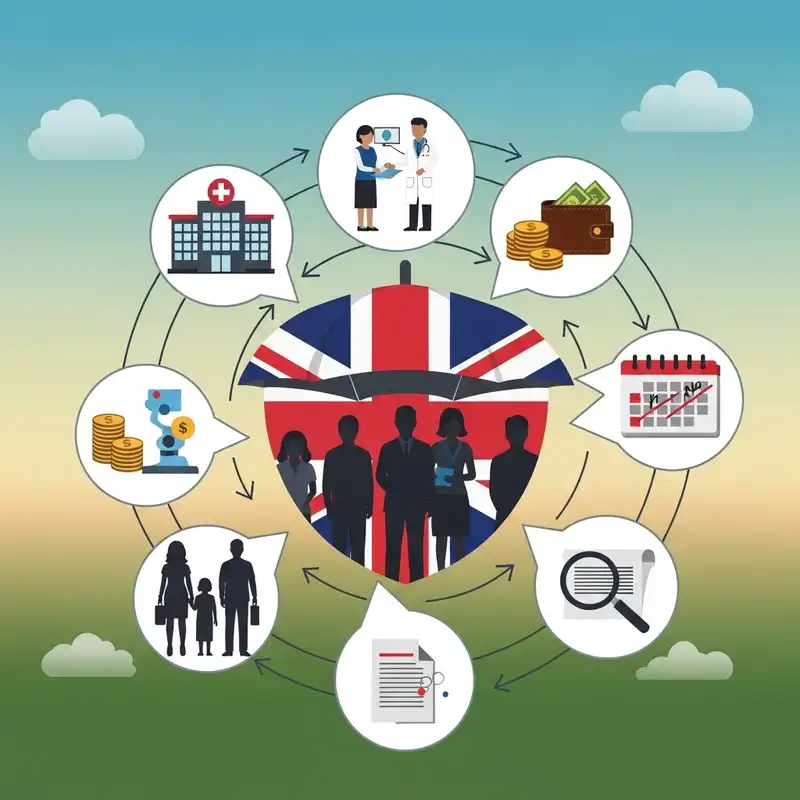
TL;DR
As an FCA-authorised expert with over 900,000 policies arranged, WeCovr is at the forefront of the UK's evolving health landscape. This article unpacks the devastating impact of chronic stress and explores how the right private medical insurance can be your first line of defence in protecting your health and wealth.
Key takeaways
- Rapid Access to Talking Therapies: Instead of waiting months, a comprehensive PMI policy can grant you access to a qualified psychologist, psychotherapist, or counsellor within days. This early intervention is critical to stopping stress from escalating.
- Fast-Track Specialist Consultations: If your GP believes you need to see a specialist, such as a psychiatrist, PMI allows you to bypass the long NHS wait and get a private appointment quickly for diagnosis and a treatment plan.
- Digital GP and Mental Health Support: Most leading PMI providers now offer 24/7 access to a digital GP service. You can have a video consultation from home at a time that suits you. Many also include access to dedicated mental health apps, offering everything from mindfulness exercises to direct access to therapists.
- Choice and Control: PMI gives you more control over your care. You can often choose the specialist you see and the hospital where you receive treatment, ensuring you are comfortable and confident in your care plan.
- Proactive Wellness Programmes: Insurers like Vitality, Bupa, and AXA Health actively reward you for healthy living. By tracking your activity, getting health checks, and engaging with their wellness platforms, you can earn discounts on your premium, as well as other perks. This encourages the very lifestyle habits that build resilience against stress.
As an FCA-authorised expert with over 900,000 policies arranged, WeCovr is at the forefront of the UK’s evolving health landscape. This article unpacks the devastating impact of chronic stress and explores how the right private medical insurance can be your first line of defence in protecting your health and wealth.
UK Stress Epidemic the £4m Health Wealth Drain
A silent epidemic is tightening its grip on the United Kingdom. New projections for 2025, based on escalating trends from the Office for National Statistics (ONS) and the Health and Safety Executive (HSE), paint a grim picture. Over 70% of British adults now report experiencing chronic, debilitating stress, moving beyond occasional pressure into a constant state of physical and mental exhaustion.
This isn't just a feeling of being overwhelmed; it's a public health crisis with a catastrophic financial fallout. The lifetime cost of unmanaged chronic stress—through burnout, severe illness, lost income, and diminished savings—is now estimated to exceed a staggering £4.2 million for a high-earning individual.
As the NHS struggles with record waiting lists for mental health support, a crucial question emerges: are you proactively protecting your future? This guide reveals the true cost of stress and explores how Private Medical Insurance (PMI), alongside Life and Critical Illness Insurance Protection (LCIIP), can create a powerful shield for your long-term health and financial security.
The Anatomy of an Epidemic: What is Chronic Stress?
We all experience stress. It’s the body's natural response to a deadline, a difficult conversation, or a sudden fright. This is acute stress—it’s short-lived, and your body returns to normal once the perceived threat passes.
Chronic stress is different. It’s the relentless, grinding pressure that never lets up. Think of it as an alarm that is constantly blaring in the background. Your body remains in a high-alert "fight or flight" mode, flooding your system with cortisol and adrenaline day after day.
Key Drivers of the UK's Stress Crisis (2025 Projections):
- Work Pressure: The "always-on" culture, unrealistic workloads, and job insecurity are the leading causes. The HSE reported that 875,000 workers suffered from work-related stress, depression, or anxiety in 2022/23, a trend that continues to worsen.
- Cost of Living: Persistent financial anxiety over mortgages, rent, energy bills, and food prices creates a constant, underlying strain on households across the country.
- Health Worries: Concerns about personal health and the ability to access timely NHS care are a significant source of stress.
- Digital Overload: The 24/7 news cycle and the curated pressures of social media contribute to feelings of inadequacy and anxiety.
This constant state of alert isn't just tiring; it's corrosive. It slowly degrades your physical and mental health, setting the stage for burnout and serious disease.
The £4.2 Million Drain: Deconstructing the Lifetime Cost of Burnout
The figure of £4.2 million may seem shocking, but it becomes frighteningly plausible when you break down the lifelong financial cascade triggered by unmanaged chronic stress for a high-potential professional.
Let's consider a hypothetical case: 'Alex', a 35-year-old marketing manager in London, earns £70,000 a year with a clear path to a director-level salary of £150,000+. (illustrative estimate)
Without intervention, chronic stress derails this trajectory completely. Here is an illustrative breakdown of the potential lifetime financial damage:
| Cost Component | Description | Estimated Lifetime Financial Impact |
|---|---|---|
| Lost Future Earnings | Alex suffers severe burnout at 48. Unable to continue in a high-pressure role, they take a lower-paying job, forgoing 19 years of peak earnings and promotions. | £1,900,000 |
| Compounded Pension Loss | The dramatic drop in earnings and pension contributions means a significantly smaller retirement pot. The loss of 19 years of higher-rate contributions and compound growth is catastrophic. | £1,500,000 |
| Productivity Drain ('Presenteeism') | For 10 years leading up to burnout, Alex is physically present at work but mentally checked out, operating at ~75% capacity. This limits bonuses and career progression. | £250,000 |
| Long-Term Sickness Absence | Alex takes a full year off work to recover, receiving only Statutory Sick Pay for a portion of it. The direct income loss is substantial. | £65,000 |
| Private Healthcare Costs (Uninsured) | Desperate for help, Alex pays out-of-pocket for therapy, psychiatry, and specialist consultations for stress-induced physical conditions (IBS, migraines). | £75,000 |
| Chronic Disease Management | Chronic stress contributes to Alex developing Type 2 Diabetes and hypertension, requiring lifelong medication, monitoring, and lifestyle adjustments. | £150,000 |
| Wider Financial Fallout | The strain contributes to a costly divorce. Legal fees and the division of assets, now smaller due to lost income, deliver a final, devastating blow. | £400,000 |
| Total Lifetime Burden | - | £4,240,000 |
This is a stark illustration of how a health issue—chronic stress—metastasises into a full-blown financial catastrophe. It dismantles not just your health but your entire life plan, from your career and income to your retirement and family stability.
The NHS in Crisis: Can You Afford to Wait for Help?
In an ideal world, you would get immediate, effective support from the NHS the moment you felt your mental health begin to slide. The reality in the UK today is very different.
- Record Waiting Lists: According to NHS England data, over 1.8 million people are on the waiting list for mental health services, with hundreds of thousands waiting more than 18 weeks for a first appointment with services like NHS Talking Therapies.
- The "Too Ill" vs. "Not Ill Enough" Gap: Many people find themselves in a distressing limbo. Their GP acknowledges their struggle, but they aren't deemed a high-enough priority to be fast-tracked for specialist care, leaving them to deteriorate on a waiting list.
- Limited Treatment Options: When treatment is finally offered, it may be limited to a short course of computerised Cognitive Behavioural Therapy (CBT) or a set number of counselling sessions, which may not be sufficient for deep-rooted stress and anxiety.
Waiting months for help is not a viable strategy. During that time, stress can spiral into severe anxiety, depression, or burnout, making recovery longer, harder, and more costly. This is where taking control of your healthcare pathway becomes essential.
Your Proactive Defence: How Private Medical Insurance (PMI) Builds a Resilience Shield
Private Medical Insurance (PMI) is not a luxury; it's a strategic tool for managing your health in the modern world. It provides a crucial alternative pathway to the overwhelmed NHS, giving you rapid access to diagnosis and treatment for acute conditions that arise after you take out your policy.
When it comes to mental health, the benefits are transformative.
Key PMI Benefits for Tackling Stress and Burnout:
- Rapid Access to Talking Therapies: Instead of waiting months, a comprehensive PMI policy can grant you access to a qualified psychologist, psychotherapist, or counsellor within days. This early intervention is critical to stopping stress from escalating.
- Fast-Track Specialist Consultations: If your GP believes you need to see a specialist, such as a psychiatrist, PMI allows you to bypass the long NHS wait and get a private appointment quickly for diagnosis and a treatment plan.
- Digital GP and Mental Health Support: Most leading PMI providers now offer 24/7 access to a digital GP service. You can have a video consultation from home at a time that suits you. Many also include access to dedicated mental health apps, offering everything from mindfulness exercises to direct access to therapists.
- Choice and Control: PMI gives you more control over your care. You can often choose the specialist you see and the hospital where you receive treatment, ensuring you are comfortable and confident in your care plan.
- Proactive Wellness Programmes: Insurers like Vitality, Bupa, and AXA Health actively reward you for healthy living. By tracking your activity, getting health checks, and engaging with their wellness platforms, you can earn discounts on your premium, as well as other perks. This encourages the very lifestyle habits that build resilience against stress.
Finding a strong fit for your needs can be complex, as mental health cover varies significantly between providers. This is where an expert broker like WeCovr provides invaluable, free-of-charge assistance. Our specialists understand the nuances of each policy and can help you compare the market to find the best PMI provider for your specific needs and budget.
Critical Information: Pre-existing and Chronic Conditions It is vital to understand that standard UK private medical insurance is designed to cover acute conditions. An acute condition is a disease, illness, or injury that is likely to respond quickly to treatment and lead to a full recovery.
PMI does not cover pre-existing conditions (health issues you knew about before taking out the policy) or chronic conditions. A chronic condition is one that requires long-term or ongoing management and has no known cure (e.g., diabetes, asthma, or a long-standing diagnosis of depression). PMI can help diagnose a chronic condition, but it will not cover the long-term management, which remains with the NHS.
Beyond PMI: Fortifying Your Finances with Income Protection & Critical Illness Cover
While PMI protects your health, you also need to shield your wealth. Chronic stress is a major trigger for serious physical illnesses and can leave you unable to work for months or even years. This is where a holistic protection plan becomes essential.
| Insurance Type | What It Does | How It Protects Against Stress-Related Fallout |
|---|---|---|
| Private Medical Insurance (PMI) | Pays for the private diagnosis and treatment of new, acute medical conditions. | Provides rapid access to mental health support (therapy, psychiatry) to prevent burnout. Quickly diagnoses and treats physical symptoms caused by stress. |
| Income Protection (IP) | Provides a regular, tax-free replacement income (typically 50-70% of your salary) if you are unable to work due to illness or injury. | Acts as your financial safety net if stress, anxiety, or burnout is severe enough to have you signed off work by a doctor for an extended period. |
| Critical Illness Cover (CIC) | Pays out a one-off, tax-free lump sum if you are diagnosed with a specific, serious illness listed in your policy (e.g., heart attack, stroke, cancer). | Provides a significant financial cushion if chronic stress leads to a life-changing physical diagnosis, helping you cover your mortgage, debts, or adapt your home. |
These three policies work together to create a comprehensive "health and wealth" shield. PMI gets you treated quickly, Income Protection secures your monthly income while you recover, and Critical Illness Cover provides a capital injection to handle the financial shock of a major diagnosis.
As an independent broker, WeCovr can help you explore all three. We can often find providers that offer discounts when you bundle different types of cover, ensuring you get robust protection that represents excellent value for money.
Building Everyday Resilience: Your Personal Toolkit for Stress Management
Insurance is your safety net, but the first line of defence is building personal resilience. Integrating small, sustainable habits into your daily life can make a huge difference in how your body and mind handle pressure.
1. Fuel Your Brain, Don't Fight It
What you eat has a direct impact on your mood and stress levels. A diet high in processed foods, sugar, and caffeine can exacerbate anxiety.
- Focus on: Whole foods like fruits, vegetables, lean proteins (fish, chicken), and complex carbohydrates (oats, brown rice).
- Omega-3s: Found in fatty fish like salmon and mackerel, these are proven to reduce anxiety.
- Stay Hydrated: Dehydration can increase cortisol levels. Aim for 2 litres of water a day.
- WeCovr Benefit: All our clients get complimentary access to CalorieHero, our AI-powered calorie and nutrition tracking app, to help you make healthier food choices effortlessly.
2. Prioritise Restorative Sleep
Sleep is when your brain repairs itself. A lack of quality sleep is one of the biggest amplifiers of stress.
- Create a Routine: Go to bed and wake up at the same time every day, even on weekends.
- Digital Sunset: Turn off all screens (phone, TV, laptop) at least an hour before bed. The blue light disrupts melatonin production.
- Optimise Your Bedroom: Make it cool, dark, and quiet.
3. Move Your Body to Clear Your Mind
Physical activity is nature’s most potent anti-anxiety medicine. It burns off excess adrenaline and cortisol and releases mood-boosting endorphins.
- Find What You Enjoy: It doesn't have to be a gruelling gym session. A brisk 30-minute walk, a bike ride, dancing, or gardening are all effective.
- Consistency over Intensity: Aim for at least 30 minutes of moderate activity most days of the week.
4. Practice Mindfulness and a Digital Detox
You can't eliminate stress, but you can change your reaction to it.
- Mindful Minutes: Spend just 5-10 minutes a day focusing on your breath. Apps like Calm or Headspace can guide you.
- Schedule "Worry Time": Set aside 15 minutes a day to consciously think about your anxieties. When a worry pops up outside this time, jot it down and defer it. This stops it from consuming your whole day.
- Curate Your Feeds: Unfollow social media accounts that make you feel stressed or inadequate.
By taking these proactive steps and securing the right insurance protection, you are not just hoping for the best; you are building a robust, resilient future for yourself and your family. At WeCovr, we have earned high customer satisfaction ratings by acting not just as a broker, but as a dedicated partner in our clients' long-term health and wellbeing.
Does private medical insurance in the UK cover stress and anxiety?
Is mental health cover a standard feature of UK PMI policies?
How can a broker like WeCovr help me find the best PMI for mental health?
What's the difference between Income Protection and Critical Illness Cover for stress-related issues?
Take the First Step to Protect Your Health and Wealth
The UK's stress epidemic is a clear and present danger to your future. Don't wait for burnout to derail your life. Take proactive control today.
Sources
- NHS England: Waiting times and referral-to-treatment statistics.
- Office for National Statistics (ONS): Health, mortality, and workforce data.
- NICE: Clinical guidance and technology appraisals.
- Care Quality Commission (CQC): Provider quality and inspection reports.
- UK Health Security Agency (UKHSA): Public health surveillance reports.
- Association of British Insurers (ABI): Health and protection market publications.
Disclaimer: This is general guidance only and does not constitute formal tax or financial advice. Tax treatment depends on individual circumstances, policy terms, and HMRC interpretation, which cannot be guaranteed in advance. Whenever applicable, businesses and individuals should always consult a qualified accountant or tax adviser before arranging such policies.
Start with your Protection Score, then decide whether private health cover is the right fit
Check where health access sits in your overall protection picture before deciding whether to compare private health cover.
Spot whether NHS access risk is the real issue
See if PMI is the gap to fix first
Get health insurance help only if it makes sense for you
Get your score
Start with your protection score
Check your current position first, then get health insurance help if you need it.
Check your current resilience
Score your income, health access and family protection position in a few minutes.
See where private cover helps
Understand whether faster diagnosis and treatment is a priority gap.
Continue to tailored PMI help
If health access is the issue, continue to tailored PMI help.
What you get
A quick view of your current protection position
A clearer idea of where the biggest gaps may be
A direct route to tailored help if you want it