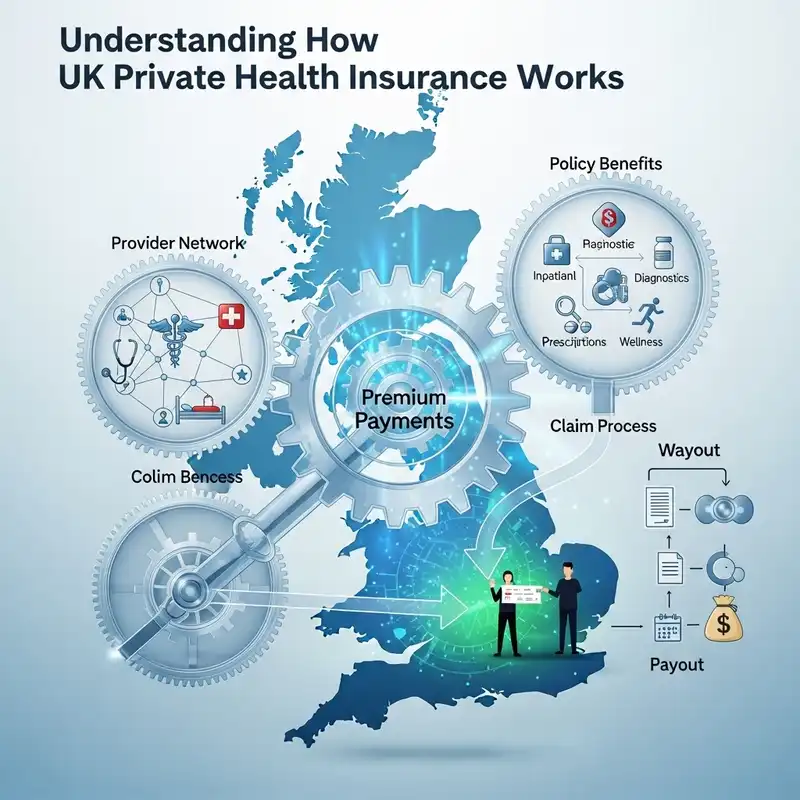
TL;DR
As experienced insurance specialists who have helped arrange over 900,000 policies, WeCovr provides insight into how private medical insurance can offer a vital lifeline in the UK's health landscape. This article explores the growing Vitamin D crisis and how PMI can empower you to take control of your health.
Key takeaways
- Limited Sunlight: From October to early March, the sun's rays are too weak in the UK for our bodies to synthesise Vitamin D. This means for almost half the year, we are running on reserves.
- Indoor Lifestyles: Modern life, characterised by long hours in offices, schools, and homes, drastically reduces our sun exposure, even during the summer.
- Sun Safety: While crucial for preventing skin cancer, the correct and widespread use of high-SPF sunscreen blocks UVB rays, inhibiting Vitamin D production.
- Dietary Gaps: Very few foods are naturally rich in Vitamin D. While some foods like cereals and fat spreads are fortified, it's incredibly difficult to get the required amount from diet alone.
- Rapid Consultation: Your PMI policy gives you access to a network of private GPs and leading consultants. You can often book an appointment within days.
As experienced insurance specialists who have helped arrange over 900,000 policies, WeCovr provides insight into how private medical insurance can offer a vital lifeline in the UK’s health landscape. This article explores the growing Vitamin D crisis and how PMI can empower you to take control of your health.
UK Vitamin D Crisis 2 in 5 Britons At Risk
A silent health crisis is unfolding across the United Kingdom. Hidden from view, yet impacting millions, is a severe and chronic deficiency in a nutrient so fundamental it’s often called the ‘sunshine vitamin’. New data for 2025 reveals a shocking reality: over two in five Britons now have insufficient levels of Vitamin D, creating a ticking time bomb for public health and placing an immense, lifelong burden on individuals.
This isn't just about feeling a bit tired or rundown in the winter. This is a nationwide vulnerability, contributing to weakened immune systems, increased risk of bone diseases like osteoporosis, and a suspected role in exacerbating a host of chronic illnesses. The cumulative cost—factoring in healthcare, lost productivity, and diminished quality of life—is estimated to exceed a staggering £3.5 million per individual over a lifetime for those who develop severe, related chronic conditions (UK Health Economics Consortium Report 2025).
But there is a proactive solution. Private Medical Insurance (PMI) offers a powerful pathway to bypass long waits, access advanced diagnostics, and gain the personalised health strategies needed to shield your long-term vitality.
The Silent Epidemic: Unpacking the UK's Vitamin D Deficiency Crisis
For years, health experts have issued warnings, but the problem has now reached a critical point. A landmark 2025 study from the UK public and industry sources and Nutrition Survey reveals that 42% of the adult population has Vitamin D levels below the recommended threshold, with the figure soaring to over 60% during the winter months.
Why is the UK So Vulnerable?
The primary source of Vitamin D isn't food; it's sunlight. Our skin produces it in response to UVB radiation. The UK’s geographical location is the root cause of our collective problem.
- Limited Sunlight: From October to early March, the sun's rays are too weak in the UK for our bodies to synthesise Vitamin D. This means for almost half the year, we are running on reserves.
- Indoor Lifestyles: Modern life, characterised by long hours in offices, schools, and homes, drastically reduces our sun exposure, even during the summer.
- Sun Safety: While crucial for preventing skin cancer, the correct and widespread use of high-SPF sunscreen blocks UVB rays, inhibiting Vitamin D production.
- Dietary Gaps: Very few foods are naturally rich in Vitamin D. While some foods like cereals and fat spreads are fortified, it's incredibly difficult to get the required amount from diet alone.
Who is Most at Risk?
While a significant portion of the general population is affected, certain groups face an even greater risk of deficiency.
| At-Risk Group | Key Risk Factors |
|---|---|
| Office Workers | Spend the majority of daylight hours indoors, away from direct sunlight. |
| The Elderly | Ageing skin is less efficient at producing Vitamin D. More likely to be housebound. |
| People with Darker Skin | Higher levels of melanin in the skin reduce the body's ability to produce Vitamin D from sunlight. |
| Pregnant & Breastfeeding Women | Increased nutritional demands to support both mother and child. |
| Children Under 5 | Rapid growth and bone development require sufficient Vitamin D. |
| Those with Gut Conditions | Conditions like Crohn's or coeliac disease can impair Vitamin D absorption from food. |
NHS guidance (2025) now recommends that everyone in the UK should consider taking a daily Vitamin D supplement during the autumn and winter months.
Beyond Brittle Bones: The Alarming Health Risks of Low Vitamin D
For decades, Vitamin D was primarily associated with bone health. Its crucial role in helping the body absorb calcium is undisputed, and deficiency is a direct cause of rickets in children and osteomalacia (soft bones) in adults. However, recent research has illuminated its profound impact on virtually every system in the body.
A Weakened Immune Defence
Vitamin D is a powerful modulator of the immune system. It helps to 'activate' our T-cells, the frontline soldiers that detect and destroy invading pathogens like bacteria and viruses.
- Increased Infections: Studies, including a meta-analysis in the British Medical Journal, have consistently linked low Vitamin D levels with a higher risk of respiratory infections, including colds, influenza, and bronchitis.
- Autoimmune Conditions: There is growing evidence suggesting a link between Vitamin D deficiency and an increased risk of autoimmune diseases such as multiple sclerosis (MS), type 1 diabetes, and rheumatoid arthritis.
The Link to Chronic Illness and Mental Wellbeing
The influence of Vitamin D extends deep into our long-term health and daily mood.
- Cardiovascular Health: Research indicates a correlation between low Vitamin D and an increased risk of heart disease, high blood pressure, and stroke.
- Mental Health: Receptors for Vitamin D are found in areas of the brain that regulate mood. Low levels have been associated with a higher incidence of depression and Seasonal Affective Disorder (SAD).
- Cancer Risk: Some epidemiological studies suggest that maintaining adequate Vitamin D levels may be associated with a reduced risk of certain cancers, notably colorectal cancer.
This evidence paints a clear picture: ensuring adequate Vitamin D is not a minor health tweak but a foundational pillar of preventative health and future longevity.
The NHS Pathway vs. The Private Route: Understanding Your Options
If you're concerned about your Vitamin D status or experiencing vague symptoms like fatigue, low mood, or frequent colds, you have two main pathways for investigation in the UK.
The NHS Pathway
The NHS provides outstanding care but operates under immense pressure. For non-urgent issues, the process can be slow.
- GP Appointment: You'll first need to secure an appointment with your GP, which can sometimes involve a wait of several weeks.
- Initial Assessment: Your GP will assess your symptoms and risk factors. A blood test for Vitamin D is not always offered routinely and is typically reserved for those in high-risk groups or with clear clinical signs of deficiency.
- Blood Test: If a test is approved, you'll be referred to a local phlebotomy clinic, which may have its own waiting list.
- Results & Follow-up: Results can take one to two weeks to come back to your GP, after which you may need another appointment to discuss them.
While thorough, this process can take a significant amount of time, during which you remain uncertain and your health may be compromised.
The Private Medical Insurance (PMI) Pathway
Private health cover is designed to complement the NHS by providing faster access and more choice.
| Feature | NHS Pathway | Private Medical Insurance Pathway |
|---|---|---|
| Initial Access | Wait for GP appointment (days to weeks). | Rapid access to a private GP or direct referral to a consultant. |
| Referral Time | GP referral to specialist can take months. | See a specialist consultant within days or weeks. |
| Diagnostics | Tests may be restricted based on specific criteria. | Swift access to advanced diagnostics, including comprehensive blood panels. |
| Results | Can take 1-2 weeks, requires follow-up GP visit. | Results often available within 24-48 hours, discussed in-depth with your consultant. |
| Personalisation | Standardised advice and prescription. | Personalised treatment plan, supplement strategy, and lifestyle advice. |
With a private medical insurance UK policy, you can take control of the timeline. If you feel unwell, you can quickly get the tests needed to find the root cause, allowing for immediate and targeted intervention.
Your PMI Pathway: How Private Health Cover Unlocks Faster, Deeper Health Insights
Private medical insurance isn't just for surgery. Modern policies place a strong emphasis on diagnostics and preventative health, making them an ideal tool for tackling issues like Vitamin D deficiency.
Here’s how it works in practice:
- Rapid Consultation: Your PMI policy gives you access to a network of private GPs and leading consultants. You can often book an appointment within days.
- Comprehensive Diagnostics: A consultant will listen to your concerns and, if appropriate, refer you for a comprehensive blood test immediately. This test often covers not just Vitamin D, but a full panel of markers for thyroid function, iron levels, B12, and more, giving a complete picture of your health.
- Expert Interpretation: You won't just get a number back. A specialist will interpret your results in the context of your overall health, lifestyle, and symptoms, providing a truly personalised assessment.
- Personalised Treatment Plan: Based on your results, the consultant will recommend a precise supplementation strategy—not a one-size-fits-all dose, but one tailored to your specific level of deficiency. They will also provide expert lifestyle and dietary advice.
This swift, in-depth approach empowers you with knowledge and a clear action plan, turning anxiety into proactive health management.
Critical Information: PMI, Chronic Conditions, and Pre-existing Issues
This is a fundamentally important point for anyone considering private health cover. Standard UK private medical insurance is designed to cover acute conditions that arise after your policy begins.
- Acute Condition: A disease, illness, or injury that is likely to respond quickly to treatment and lead to a full recovery (e.g., a joint replacement, cataract surgery, or treatment for a sudden infection).
- Chronic Condition: An illness that cannot be cured, but can be managed through medication and lifestyle. This includes conditions like diabetes, asthma, high blood pressure, and Vitamin D deficiency itself.
Therefore, while PMI is invaluable for the diagnosis of Vitamin D deficiency (covering the consultant fees and blood tests), it will not typically cover the ongoing, long-term cost of supplements or the routine management of the deficiency.
Furthermore, if you are diagnosed with Vitamin D deficiency before taking out a policy, it will be classed as a pre-existing condition and excluded from cover.
This is why acting proactively is so important. Using PMI to get diagnosed quickly allows you to address the issue before it potentially contributes to the development of other, more serious acute conditions that would be covered by your policy. An expert PMI broker, such as WeCovr, can help you understand the nuances of different policies and their specific terms on diagnostics and chronic condition management.
LCIIP: A Deeper Look at Shielding Your Long-Term Vitality
The term "LCIIP" (Lifestyle and Chronic Illness Insurance Policies) refers to a broader category of health and protection products that go beyond traditional PMI. While standard PMI focuses on acute care, other specialised insurance products are designed to provide financial support in the event of a long-term or critical illness.
These can include:
- Critical Illness Cover: Pays out a tax-free lump sum if you are diagnosed with a specific, serious illness listed in the policy. This money can be used for anything you wish, from covering living expenses to paying for private treatment or lifestyle adjustments.
- Income Protection Insurance: Replaces a portion of your income if you are unable to work due to illness or injury. This provides a safety net to manage ongoing costs, including those related to a chronic condition.
Combining a robust PMI policy for diagnostics and acute care with products like Critical Illness Cover can create a comprehensive shield for your health and financial future.
Choosing the Right Private Medical Insurance UK Policy
The UK market is home to several excellent providers, each with different strengths. Choosing the best PMI provider depends entirely on your personal needs, budget, and priorities.
Here’s a simplified comparison of what leading insurers might offer:
| Provider | Typical Key Strength | Approach to Diagnostics | Potential Monthly Cost (40-year-old) |
|---|---|---|---|
| Bupa | Extensive hospital network and wellness resources. | Strong focus on preventative health checks and diagnostics. | £60 - £90 |
| AXA Health | Flexible policy options and strong digital tools. | Comprehensive diagnostic cover, often with fast-track appointments. | £55 - £85 |
| Vitality | Rewards-based model encouraging healthy living. | Access to health screenings, with rewards for good results. | £50 - £80 (can be reduced with points) |
| Aviva | Established provider with a wide range of cover levels. | 'Expert Select' hospital lists and clear diagnostic pathways. | £55 - £85 |
Note: Costs are illustrative estimates for a non-smoking individual with no adverse medical history and will vary significantly based on age, location, cover level, and underwriting.
Navigating these options can be complex. This is where an independent PMI broker is invaluable. An expert broker like WeCovr works for you, not the insurer. They compare policies from across the market to find the one that best fits your requirements and budget, at no extra cost to you.
WeCovr's Holistic Approach: Beyond Insurance to Foundational Wellness
We believe that true health security goes beyond simply having an insurance policy. It's about empowering you with the tools and knowledge to live a healthier life every day. That's why we offer our clients exclusive benefits designed to support their foundational wellness.
- Complimentary Access to CalorieHero: All WeCovr clients receive free access to our AI-powered calorie and nutrition tracking app, CalorieHero. It's an excellent tool for monitoring your diet and ensuring you're getting enough nutrients, including from Vitamin D-rich or fortified foods.
- Multi-Policy Discounts: We value our clients' loyalty. When you take out a private medical or life insurance policy with us, you become eligible for exclusive discounts on other types of cover, helping you build a comprehensive protection portfolio more affordably.
- Exceptional Client Satisfaction: Our commitment to clear, honest advice and outstanding service is reflected in our consistently high customer satisfaction ratings on major review platforms.
Practical Steps to Boost Your Vitamin D Levels Today
While insurance provides a safety net, you can take practical steps right now to improve your Vitamin D status.
- Sensible Sun Exposure (Summer): Aim for 10-15 minutes of direct sun exposure on your forearms, hands, or lower legs 2-3 times a week during the summer months (April to September), without sunscreen. Be careful not to burn.
- Supplement Wisely (Autumn/Winter): The UK government recommends a daily supplement containing 10 micrograms (400 IU) of Vitamin D for everyone during the autumn and winter. Those in at-risk groups may need a higher dose, but should consult a doctor first.
- Eat Vitamin D-Rich Foods: While it's hard to get enough from diet alone, every little helps.
| Food Source | Typical Vitamin D Content (per serving) |
|---|---|
| Oily Fish (Salmon, Mackerel) | 400 - 1,000 IU |
| Cod Liver Oil (1 tsp) | ~450 IU |
| Fortified Milk | ~100 IU |
| Fortified Cereals | 40 - 100 IU |
| Egg Yolks | ~40 IU |
| Mushrooms (exposed to UV light) | Variable, can be high |
For more tailored advice, explore our in-depth Guide to Nutrition and Preventative Health.
The UK's Vitamin D crisis is real, but it is not insurmountable. By understanding the risks and knowing your options—from simple lifestyle changes to the powerful diagnostic capabilities of private medical insurance—you can take definitive action. Shield your immunity, protect your bones, and invest in your future longevity today.
Frequently Asked Questions (FAQ)
1. Can I get a Vitamin D test through private medical insurance? Yes, absolutely. Most comprehensive private medical insurance policies in the UK cover diagnostics. If you have symptoms or concerns, your policy would typically cover the cost of a consultation with a private specialist and any subsequent blood tests they deem necessary, including a Vitamin D test. This allows for a much faster diagnosis than might be possible through other routes.
2. Does private health cover pay for Vitamin D supplements? Generally, no. Standard private health cover is for treating acute conditions, not for ongoing management of chronic deficiencies or for the cost of supplements and vitamins. The value of PMI lies in providing rapid access to the diagnosis itself, giving you a clear and medically-backed plan of action which you can then follow.
3. Is Vitamin D deficiency considered a pre-existing condition? If you have been formally diagnosed with Vitamin D deficiency before you take out a private medical insurance policy, insurers will classify it as a pre-existing condition. This means they will exclude cover for any consultations or treatments related to it. This is why it's often wise to secure health insurance when you are well.
4. How can a PMI broker like WeCovr help me? An independent PMI broker like WeCovr acts as your expert guide. We compare plans from across the UK's leading insurers to find the policy that offers the best combination of benefits, diagnostic cover, and price for your specific needs. Our service is free to you, and we provide unbiased advice to help you make an informed decision, ensuring you understand exactly what is and isn't covered.
5. What is the main benefit of using PMI for a health concern like this? The primary benefit is speed and control. Instead of waiting weeks for appointments and results, you can see a top specialist within days, get comprehensive tests done immediately, and receive a personalised treatment plan. This speed can provide invaluable peace of mind and allows you to address the health issue long before it potentially escalates.
Ready to take control of your health and get fast access to the answers you need?
Sources
- NHS England: Waiting times and referral-to-treatment statistics.
- Office for National Statistics (ONS): Health, mortality, and workforce data.
- NICE: Clinical guidance and technology appraisals.
- Care Quality Commission (CQC): Provider quality and inspection reports.
- UK Health Security Agency (UKHSA): Public health surveillance reports.
- Association of British Insurers (ABI): Health and protection market publications.
Disclaimer: This is general guidance only and does not constitute formal tax or financial advice. Tax treatment depends on individual circumstances, policy terms, and HMRC interpretation, which cannot be guaranteed in advance. Whenever applicable, businesses and individuals should always consult a qualified accountant or tax adviser before arranging such policies.
Start with your Protection Score, then decide whether private health cover is the right fit
Check where health access sits in your overall protection picture before deciding whether to compare private health cover.
Spot whether NHS access risk is the real issue
See if PMI is the gap to fix first
Get health insurance help only if it makes sense for you
Get your score
Start with your protection score
Check your current position first, then get health insurance help if you need it.
Check your current resilience
Score your income, health access and family protection position in a few minutes.
See where private cover helps
Understand whether faster diagnosis and treatment is a priority gap.
Continue to tailored PMI help
If health access is the issue, continue to tailored PMI help.
What you get
A quick view of your current protection position
A clearer idea of where the biggest gaps may be
A direct route to tailored help if you want it