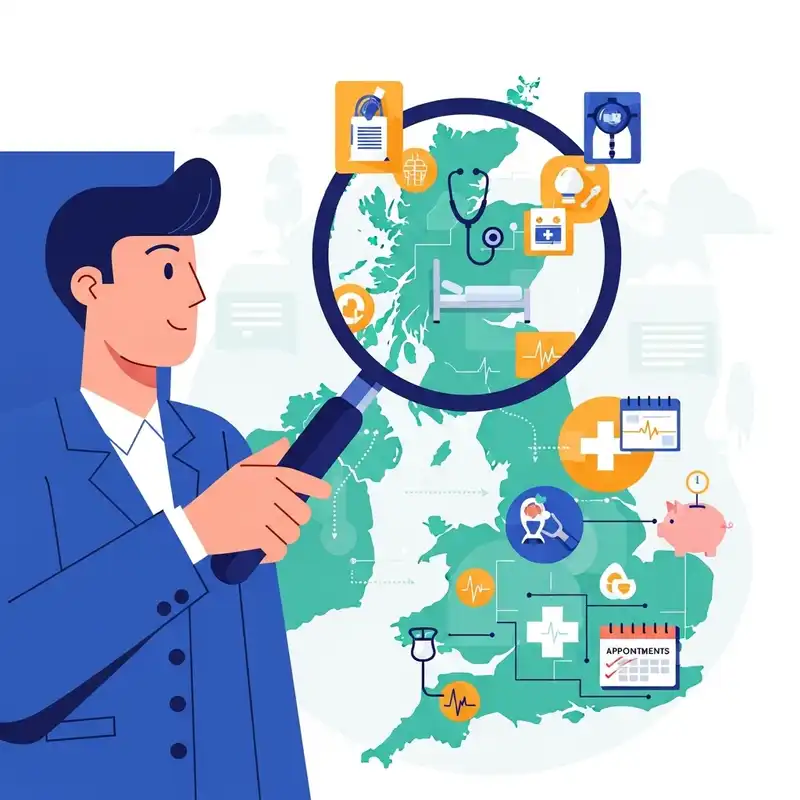
TL;DR
The United Kingdom is in the grip of a silent, creeping epidemic. Its not a novel virus, but a crisis unfolding on our doorsteps and in our homes. Shocking new data projected for 2025 reveals a stark reality: more than half of all Britons are now classified as overweight or obese.
Key takeaways
- Standard Rates: Applicants with a BMI in the healthy range (18.5-24.9) and no other health issues will typically be offered standard prices.
- Premium Loadings: If your BMI is in the overweight or obese categories, the insurer may still offer you cover but with a "loading" a percentage increase on the standard premium. For example, a 50% loading means you'll pay 1.5 times the standard price.
- Exclusions: In some cases, an insurer might offer cover but exclude claims related to a specific pre-existing condition, although this is less common for weight itself and more for its direct complications.
- Postponement or Decline: For very high BMIs (e.g., over 40) or where obesity is combined with other serious health conditions like uncontrolled diabetes or high blood pressure, an insurer may postpone a decision for 6-12 months pending lifestyle changes, or in some cases, decline to offer cover.
- Projections based on the latest NHS Digital and Office for National Statistics (ONS) data paint a concerning picture for 2025.
UK Weight Crisis Over Half of Britons At Risk
The United Kingdom is in the grip of a silent, creeping epidemic. It’s not a novel virus, but a crisis unfolding on our doorsteps and in our homes. Shocking new data projected for 2025 reveals a stark reality: more than half of all Britons are now classified as overweight or obese. This isn't just a headline; it's a ticking time bomb for our national health and personal wealth.
This escalating weight crisis is directly fueling a lifetime burden of chronic illness, costing individuals and their families an estimated £4.9 million over their lifetimes in lost earnings, private healthcare costs, and reduced financial opportunities. The gap between our lifespan (how long we live) and our healthspan (how long we live well) is widening into a chasm, filled with debilitating conditions and financial hardship.
As a nation, we’re facing a future with more type 2 diabetes, more heart attacks, more strokes, and a higher incidence of certain cancers. These conditions don’t just steal our health; they dismantle our financial security, threatening our ability to work, pay our mortgages, and provide for our loved ones.
In this definitive guide, we will unpack the staggering scale of the UK's weight crisis, explore the devastating link between excess weight and chronic illness, and reveal the profound financial consequences. Most importantly, we will show you how a robust financial shield – comprising Life Insurance, Critical Illness Cover, and Income Protection (LCIIP) – is no longer a 'nice-to-have'. It is an essential defence against the financial devastation of this modern epidemic.
The Scale of the Problem: Unpacking the 2025 UK Weight Crisis
The numbers are sobering. Projections based on the latest NHS Digital and Office for National Statistics (ONS) data paint a concerning picture for 2025. It is estimated that approximately 64% of adults in England will be overweight or obese, a figure that has been steadily climbing for decades.
This means that for every ten people you see on your morning commute, in the supermarket, or at the local park, more than six are carrying a weight that puts their long-term health at significant risk.
To understand this, it's crucial to know what these terms mean. Health professionals use the Body Mass Index (BMI) as a primary screening tool.
Understanding BMI Categories
| BMI Range | Classification | Health Implication |
|---|---|---|
| Below 18.5 | Underweight | Potential nutritional deficiencies |
| 18.5 - 24.9 | Healthy Weight | Lowest risk of weight-related illness |
| 25.0 - 29.9 | Overweight | Increased risk of chronic disease |
| 30.0 - 34.9 | Obese (Class I) | Moderate risk of chronic disease |
| 35.0 - 39.9 | Obese (Class II) | Serious risk of chronic disease |
| 40.0 and above | Obese (Class III) | Severe risk of chronic disease |
While BMI is not a perfect measure for every body type (it doesn't distinguish between fat and muscle mass), it is a reliable indicator of health risk across the general population. The 2025 data shows a worrying trend: not only are more people moving into the 'Overweight' category, but the numbers in the 'Obese' classes are also swelling, which correlates with a much higher incidence of severe health complications.
The £4 Million+ Lifetime Burden: What Does It Mean?
This headline figure isn't the cost to one individual but represents the aggregated lifetime financial impact on a group of individuals affected by severe, weight-related chronic illness. It’s a combination of:
- Lost Earnings: An individual diagnosed with a critical illness like a stroke at age 45 could face years of reduced work capacity or be forced into early retirement, losing hundreds of thousands of pounds in potential income.
- Reduced Pension Contributions: Less income means smaller contributions to pension pots, leading to a less secure retirement.
- Private Healthcare & Adaptations: The NHS is phenomenal, but it doesn't cover everything. This includes costs like private physiotherapy, specialist equipment, home modifications (e.g., stairlifts), and ongoing prescription costs in some parts of the UK.
- Informal Care Costs: The financial impact on a spouse or family member who has to reduce their working hours to become a carer.
When you multiply these potential losses across a cohort of people over their working lives, the financial devastation quickly runs into the millions, eroding family futures and creating immense personal stress.
The Health Domino Effect: How Excess Weight Triggers Chronic Illnesses
Excess body weight is not a passive state; it's an active metabolic condition that places immense strain on the body's systems. It acts like a trigger, setting off a domino effect that can lead to a host of serious, life-altering, and often insurable, medical conditions.
The Inevitable Link to Type 2 Diabetes
The single strongest risk factor for type 2 diabetes is being overweight or obese. In 2025, it's estimated that nearly 5.5 million people in the UK will be living with diabetes, with around 90% of those cases being type 2. Excess fat, particularly around the abdomen, can cause cells to become resistant to the hormone insulin, which is essential for regulating blood sugar. Uncontrolled, type 2 diabetes can lead to devastating complications, including heart disease, stroke, kidney failure, nerve damage, and even blindness.
The Strain on Your Heart: Cardiovascular Disease
Your heart is a muscle designed to pump blood around a certain body size. When weight increases, the heart has to work harder, 24/7. This leads to:
- High Blood Pressure (Hypertension): The most common weight-related condition, forcing the heart to pump against greater resistance. It's a major cause of both heart attacks and strokes.
- High Cholesterol: Obesity is linked to higher levels of "bad" (LDL) cholesterol and lower levels of "good" (HDL) cholesterol, leading to the buildup of fatty plaques in the arteries (atherosclerosis).
- Heart Attack & Stroke: When these plaques rupture or block blood flow to the heart or brain, the result is a heart attack or stroke – two of the most common triggers for a Critical Illness Cover claim.
The Cancer Connection
The link between obesity and cancer is now firmly established. Cancer Research UK states that obesity is the second biggest preventable cause of cancer in the UK after smoking. Excess body fat doesn't just sit there; it produces hormones and growth factors that can encourage cancer cells to divide and grow.
Cancers Linked to Obesity:
- Bowel
- Womb (endometrial)
- Oesophageal (food pipe)
- Kidney
- Breast (after menopause)
- Pancreatic
- Gallbladder
The Daily Pain: Musculoskeletal and Respiratory Issues
Carrying extra weight puts enormous strain on your skeleton and joints, particularly your knees, hips, and back. This accelerates wear and tear, leading to osteoarthritis, chronic back pain, and mobility problems. This can directly impact your ability to perform your job, especially in physically demanding roles, making Income Protection insurance critically important.
Furthermore, excess weight, especially around the neck and chest, can lead to conditions like Obstructive Sleep Apnoea, which severely disrupts sleep and increases the risk of high blood pressure and other cardiovascular problems.
Key Health Risks Associated with Excess Weight (2025 Projections)
| Condition | Increased Risk Factor Due to Obesity | Relevance to Insurance |
|---|---|---|
| Type 2 Diabetes | Up to 85% of risk is due to weight | Major trigger for CI claims (with complications) & IP claims |
| Heart Attack | 3-5x more likely | Core condition covered by all Critical Illness policies |
| Stroke | 2-4x more likely | Core condition covered by all Critical Illness policies |
| Certain Cancers | Up to 40% increased risk | Core condition covered by all Critical Illness policies |
| Severe Arthritis | Leads to joint replacement surgery | A potential trigger for CI claims (loss of independence) & IP claims |
| Kidney Disease | Doubles the risk | Often covered by Critical Illness policies |
The Financial Devastation: Beyond NHS Costs to Your Personal Bottom Line
While the headlines often focus on the cost to the NHS, the most immediate and painful financial consequences are felt by individuals and their families. A serious health diagnosis can trigger a financial crisis that is just as debilitating as the illness itself.
The Income Shock: When Your Salary Stops
Imagine your GP signs you off work for six months due to a heart condition or severe back pain. Statutory Sick Pay (SSP) in the UK is currently just £116.75 per week (as of April 2024). (illustrative estimate)
Could your family survive on that? Could you cover your mortgage, council tax, utility bills, and food shopping? For the vast majority of UK households, the answer is a resounding 'no'.
This is where Income Protection insurance becomes a lifeline. It's designed to replace a significant portion of your lost earnings (typically 50-60% of your gross salary) if you're unable to work due to any illness or injury. It pays out a regular, tax-free monthly income until you can return to work, retire, or the policy term ends. It is, without question, the bedrock of any financial protection plan.
The Lump Sum Emergency: Dealing with a Critical Illness
Now, imagine you're diagnosed with cancer. The emotional toll is immense, but the financial strain follows closely behind. You might need to stop working entirely. Your partner might have to reduce their hours to support you and attend hospital appointments. You might face extra costs for travel to specialist centres, or changes to your diet and home.
A Critical Illness Cover policy is designed for this exact scenario. Upon diagnosis of a specified serious condition (the policy document lists exactly which ones), it pays out a one-off, tax-free lump sum. This money is yours to use however you see fit:
- Clear your mortgage or other major debts
- Replace lost income for a period of time
- Pay for private treatment or specialist consultations
- Adapt your home to your new needs
- Give you the financial breathing space to focus purely on your recovery
The Ultimate Backstop: Protecting Your Family's Future
The worst-case scenario is one no one wants to consider. But for those you leave behind, the financial impact can be catastrophic. Without your income, how would your family maintain their home and lifestyle? How would they pay for childcare and university fees?
Life Insurance provides the answer. It pays out a lump sum to your beneficiaries upon your death. This financial cushion ensures that your dependents are looked after and that the plans you made for their future are not derailed by tragedy. For anyone with a mortgage or children, it is a fundamental responsibility.
Your Financial Shield: Demystifying Life, Critical Illness, and Income Protection (LCIIP)
Understanding these three core pillars of protection is the first step towards securing your financial future. While they are often discussed together, they serve distinct and complementary purposes.
| Protection Type | What Triggers a Payout? | What is the Payout? | Primary Purpose |
|---|---|---|---|
| Life Insurance | Death during the policy term | One-off tax-free lump sum | Protect dependents, clear mortgage/debts |
| Critical Illness Cover | Diagnosis of a specified serious illness | One-off tax-free lump sum | Cover major costs & lost income during recovery |
| Income Protection | Inability to work due to illness/injury | Regular tax-free monthly income | Replace lost salary to cover living costs |
Many insurers offer integrated policies, combining life and critical illness cover, which can be more cost-effective. However, it's crucial to understand that Income Protection is a standalone benefit that protects your most valuable asset: your ability to earn an income.
The Weight Factor in Underwriting: How Your BMI Impacts Your Premiums
When you apply for any LCIIP policy, insurers need to assess the level of risk you present. This process is called underwriting. Your age, smoking status, medical history, and, crucially, your BMI are all key factors.
From an insurer's perspective, a higher BMI statistically correlates with a higher likelihood of claiming on the policy due to the health risks we've discussed. This risk is reflected in the price you pay (your premium).
- Standard Rates: Applicants with a BMI in the healthy range (18.5-24.9) and no other health issues will typically be offered standard prices.
- Premium Loadings: If your BMI is in the overweight or obese categories, the insurer may still offer you cover but with a "loading" – a percentage increase on the standard premium. For example, a 50% loading means you'll pay 1.5 times the standard price.
- Exclusions: In some cases, an insurer might offer cover but exclude claims related to a specific pre-existing condition, although this is less common for weight itself and more for its direct complications.
- Postponement or Decline: For very high BMIs (e.g., over 40) or where obesity is combined with other serious health conditions like uncontrolled diabetes or high blood pressure, an insurer may postpone a decision for 6-12 months pending lifestyle changes, or in some cases, decline to offer cover.
The vital takeaway is this: the best and cheapest time to get insurance is when you are young and healthy. Delaying a decision until after health problems emerge will make cover significantly more expensive, or potentially, unavailable.
Hypothetical Premiums by BMI
Let's look at a hypothetical example for a 35-year-old, non-smoking office worker seeking £150,000 of Life & Critical Illness Cover and an Income Protection policy paying £2,000/month.
| Applicant BMI | BMI Category | Indicative Monthly Premium | Insurer's View |
|---|---|---|---|
| 24 | Healthy | £45 | Standard Risk - Standard Rates |
| 29 | Overweight | £60 (+33%) | Increased Risk - Moderate Loading |
| 34 | Obese Class I | £85 (+89%) | Higher Risk - Significant Loading |
| 39 | Obese Class II | £120+ (+166%) or Postponed | Serious Risk - Heavy Loading or Postponement |
These are illustrative figures only and do not constitute a quote.
The financial penalty for having a higher BMI is clear. However, even with a loading, having cover in place is infinitely better than having no protection at all when disaster strikes. A specialist broker can be invaluable here. At WeCovr, we have deep expertise in placing cases for individuals with higher BMIs or existing medical conditions, finding the insurers most sympathetic to your specific circumstances.
Taking Control: Proactive Steps for Your Health and Finances
Reading this guide might feel daunting, but it should be empowering. You have the ability to take control of both your physical and financial health, and the two are intrinsically linked.
Step 1: Prioritise Your Health
Even small, sustainable changes can have a profound impact on your long-term health, reducing your risk of chronic illness and potentially lowering your insurance premiums in the future.
- Mindful Eating: Focus on whole foods, reduce processed snacks and sugary drinks. Portion control is key.
- Incorporate Movement: You don't need to run a marathon. Aim for a brisk 30-minute walk five days a week. Take the stairs, get off the bus a stop early – it all adds up.
- Seek Support: Speak to your GP for advice and resources. Small changes make a big difference over time.
As part of our commitment to our clients' long-term wellbeing, we at WeCovr provide complimentary access to our innovative AI-powered calorie tracking app, CalorieHero. It’s a simple, effective tool designed to help you understand your eating habits and make those positive changes one step at a time, supporting your journey to better health.
Step 2: Secure Your Financial Health
The time to build your financial shield is now, before you need it.
- Conduct a Financial Review: Assess your income, debts (especially your mortgage), and monthly outgoings. How would your family cope if your income stopped tomorrow?
- Don't Go It Alone: The insurance market is vast and complex. Different insurers have different underwriting stances on weight and health conditions. Going direct to one insurer might result in a high premium or a decline, whereas a specialist broker knows which insurer to approach for your specific situation.
Navigating the insurance market can be a maze, especially with a higher BMI or pre-existing conditions. At WeCovr, we specialise in this. We do the hard work for you, comparing plans from all the UK's leading insurers to find the most suitable and affordable cover for your unique circumstances. We understand the underwriting nuances and can champion your application.
Real-Life Scenarios: How LCIIP Makes a Difference
These are not just policies; they are promises that provide real-world support when it's needed most.
Scenario 1: Sarah, the Project Manager (Income Protection) Sarah, 44, has a BMI of 31. She develops severe osteoarthritis in her knee, exacerbated by her weight, requiring surgery and a lengthy 8-month recovery. Her SSP runs out after 28 weeks. Thankfully, two years prior, she took out an Income Protection policy. After her 3-month deferral period, the policy started paying her £2,500 each month, allowing her to cover her rent and bills without worry, and focus fully on her physiotherapy. (illustrative estimate)
Scenario 2: David, the HGV Driver (Critical Illness Cover) David, 52, with a BMI of 35, suffers a major heart attack. He survives but is told he can no longer hold an HGV license, ending his career. The £125,000 payout from his Critical Illness Cover is a lifeline. He uses it to clear his remaining mortgage, pay for a private cardiac rehab programme, and gives his family the financial security they need while he retrains for a new, less stressful job. (illustrative estimate)
Scenario 3: The Thompson Family (Life Insurance) Mark and Chloe, both in their late 30s, have two young children and a £250,000 mortgage. They took out a joint life insurance policy for this amount when they bought their home. Tragically, Mark dies suddenly from a stroke, a risk increased by his high blood pressure and BMI of 33. The policy pays out, clearing the mortgage instantly and removing the biggest financial burden from Chloe, allowing her to grieve without the terror of losing the family home. (illustrative estimate)
Frequently Asked Questions (FAQs)
Can I get life insurance if I am overweight or obese? Yes, in the vast majority of cases. You will likely pay a higher premium than someone with a healthy BMI, but cover is usually attainable. Using a specialist broker is key to finding the most favourable terms.
Will my premiums go down if I lose weight? Yes, potentially. If you lose a significant amount of weight and maintain it for a period (usually 12 months or more), you can ask your insurer to review your policy. If your BMI and health have improved, they may be able to reduce your premiums.
What happens if I'm not honest about my weight or health on my application? This is known as 'non-disclosure' and is extremely serious. It could invalidate your policy, meaning the insurer could refuse to pay a claim, leaving your family with nothing. You must be completely honest and accurate on your application form.
Is Critical Illness Cover worth it if my BMI is high? Arguably, it's even more important. A higher BMI statistically increases your risk of suffering one of the core conditions covered by these policies, like a heart attack, stroke, or certain cancers. It is a vital part of your financial defence.
How much cover do I actually need? This is a personal calculation based on your mortgage, debts, dependents, and income. A common rule of thumb for life insurance is 10x your annual salary. For income protection, you should aim to cover your essential monthly outgoings. We can help you work out the precise level of cover you need.
Why use a broker like WeCovr instead of a price comparison site? Price comparison sites give you a price, not advice. They can't help you if your circumstances are complex, like having a high BMI. As expert brokers, we provide tailored advice, understand the nuances of each insurer's underwriting, and manage the entire application process for you to ensure you get a strong fit for your needs at the best possible price.
Your Future is in Your Hands
The 2025 data is not a prediction of an unavoidable fate; it is a call to action. The UK's weight crisis is a profound threat to our nation's health and our individual financial security.
While the journey to better physical health is a personal one, protecting yourself from the financial fallout is a practical, achievable step you can take today. A comprehensive shield of Life Insurance, Critical Illness Cover, and Income Protection is the single most powerful tool you have to ensure that a health crisis does not become a devastating financial catastrophe for you and your family.
Don't let the silent epidemic erode your future. Take control, get informed, and build your defence.
Sources
- Office for National Statistics (ONS): Mortality and population data.
- Association of British Insurers (ABI): Life and protection market publications.
- MoneyHelper (MaPS): Consumer guidance on life insurance.
- NHS: Health information and screening guidance.
Disclaimer: This is general guidance only and does not constitute formal tax or financial advice. Tax treatment depends on individual circumstances, policy terms, and HMRC interpretation, which cannot be guaranteed in advance. Whenever applicable, businesses and individuals should always consult a qualified accountant or tax adviser before arranging such policies.
Measure your family’s protection gap, then get the right life cover quote
Readers often understand the problem but never act. Starting with the score makes the need feel real and creates a clean bridge into life cover advice.
Check what happens if someone dies too soon
See whether debt, dependants and mortgage risk are covered
Move into tailored life cover options after the score
Get your score
Your next best move
Get your score in minutes, then explore the right next step for your situation.
Score your household protection
See how well your current setup protects dependants, debt and major commitments.
Find the shortfall
Know whether life cover, critical illness or income protection is the actual missing piece.
Continue to tailored life cover
If life cover is the gap, move straight into a quote journey.
What you get
A quick view of your current protection position
A clearer idea of where the biggest gaps may be
A direct route to tailored help if you want it