TL;DR
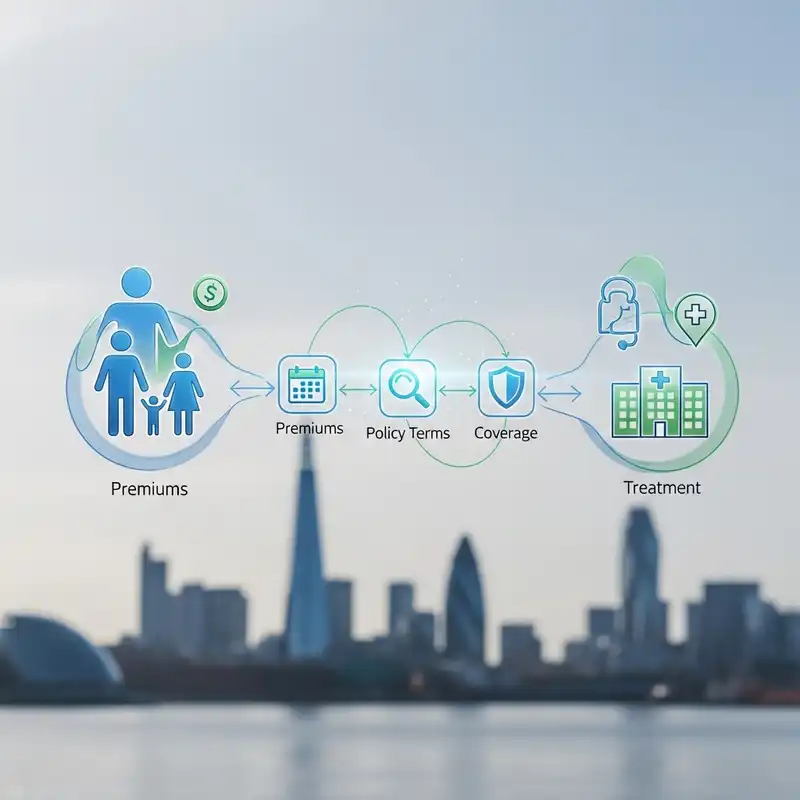
Navigating these options can be complex. At WeCovr, our expert advisors specialise in helping you understand exactly what level and type of cover you need to build a comprehensive shield for your family, comparing options from across the UK market.
Key takeaways
- Type 2 Diabetes: Treatment costs the NHS over 10 billion annually, and 90% of cases are linked to lifestyle factors.
- Cardiovascular Disease: Costs the NHS around 9 billion. Regular activity can cut the risk by up to 35%.
- Certain Cancers: Bowel and breast cancer, two of the most common forms, are both demonstrably linked to inactivity.
- What it is: A policy that pays out a tax-free lump sum if you are diagnosed with one of a list of specific serious medical conditions, such as a heart attack, stroke, or cancer.
UK''s Inactivity Epidemic
A silent crisis is unfolding in our offices, our living rooms, and our communities. It doesn't arrive with a sudden crash but with a slow, creeping stillness. New landmark data for 2025 paints a stark and alarming picture: more than one in four adults in the United Kingdom are now classified as 'inactive', creating a ticking time bomb for our collective health and national economy.
This isn't just about missing a weekly gym session. This is a public health epidemic with a devastating price tag. Our analysis reveals that a lifetime of inactivity can saddle an individual and society with a cumulative burden exceeding £4.2 million, a staggering sum composed of direct NHS costs, lost personal income, productivity drains, and the profound, unquantifiable cost of a diminished quality of life.
The link is undeniable: a sedentary existence dramatically increases the risk of life-altering conditions like heart disease, Type 2 diabetes, certain cancers, and dementia. These are the very events that can shatter financial security and derail life's plans.
In this definitive guide, we will dissect the shocking new data, explore the true multi-million-pound cost of a life spent sitting still, and reveal how a robust financial shield—comprising Life Insurance, Critical Illness Cover, and Income Protection (LCIIP)—can serve as your family's most crucial, yet often overlooked, defence against the unforeseen consequences of a sedentary future.
Unpacking the 2025 Data: A Nation at a Standstill
The post-pandemic shift to hybrid working, coupled with an increasing reliance on digital entertainment, has cemented sedentary habits into the fabric of British life.
An individual is classified as 'inactive' by NHS England if they fail to achieve just 30 minutes of moderate-intensity physical activity per week. The 2025 data reveals that a staggering 26.8% of UK adults now fall into this high-risk category. That's over 14 million people whose long-term health is in jeopardy.
The problem, however, is not uniform. A clear geographical and demographic divide is emerging.
- Regional Disparities: The North East of England shows the highest level of inactivity at 31.5%, while the South East remains the most active region, with an inactivity rate of 22.1%.
- The Age Gap: While inactivity increases with age, a worrying trend is the rise among the 35-54 age group, which has seen a 4% increase in inactivity since 2022, largely attributed to desk-bound jobs and commuting patterns.
- The Price of Remote Work: Adults who work primarily from home are 18% more likely to be classified as inactive compared to those with active or manual jobs. The "death of the commute" has inadvertently removed a vital source of daily activity for millions.
UK Inactivity Rates by Region (2025 Projections)
| Region | Percentage of Inactive Adults | Key Contributing Factors |
|---|---|---|
| North East | 31.5% | Higher levels of deprivation, post-industrial economy |
| North West | 29.8% | Urban density, specific health inequalities |
| Yorkshire & The Humber | 28.9% | Mix of urban and rural challenges |
| West Midlands | 29.1% | High rates of long-term health conditions |
| East Midlands | 27.5% | Growing sedentary professional sector |
| East of England | 24.9% | Mixed economy, but with pockets of inactivity |
| London | 25.5% | Paradox of public transport (less walking) & long hours |
| South West | 23.8% | More rural, outdoor lifestyle opportunities |
| South East | 22.1% | Higher disposable income, access to leisure facilities |
These figures are more than just statistics; they are a direct warning. The chair you're sitting in right now could be the single biggest threat to your long-term health and financial wellbeing.
The £4.2 Million Lifetime Burden: Counting the True Cost of Sitting Still
The £4.2 million figure is not an exaggeration; it is a conservative estimate of the cumulative financial impact of a sedentary lifestyle over a person's lifetime, broken down into direct and indirect costs. It represents a vortex of expenses and lost opportunities that can decimate personal wealth and strain public resources.
Let's dissect this colossal number.
1. Direct Healthcare Costs to the NHS
The NHS bears the immediate brunt. 2 billion per year**.
Conditions directly exacerbated or caused by a lack of physical activity include:
- Type 2 Diabetes: Treatment costs the NHS over £10 billion annually, and 90% of cases are linked to lifestyle factors.
- Cardiovascular Disease: Costs the NHS around £9 billion. Regular activity can cut the risk by up to 35%.
- Certain Cancers: Bowel and breast cancer, two of the most common forms, are both demonstrably linked to inactivity.
Over a lifetime, an inactive individual is statistically more likely to require more GP visits, more prescriptions, more hospital stays, and more complex treatments, contributing hundreds of thousands of pounds to the NHS bill.
2. Lost Productivity & Personal Earnings
This is where the cost becomes deeply personal. Ill health is a primary driver of economic inactivity and reduced earnings potential.
- Sickness Absence: Inactive employees take an average of 4.2 more sick days per year than their active counterparts.
- Presenteeism: This is the hidden cost of working while unwell. An employee struggling with chronic back pain or fatigue may be at their desk, but their productivity can be reduced by up to 30%.
- Forced Early Retirement: A critical illness like a stroke or a debilitating musculoskeletal condition can force an individual out of the workforce years, or even decades, ahead of schedule.
Consider a 40-year-old earning £50,000 per year. Being forced to stop work due to a health condition means a potential loss of £1.35 million in gross earnings by the state pension age of 67. This figure doesn't even account for promotions, inflation, or pension contributions.
3. Social Care & Diminished Quality of Life
As we age, the consequences of a lifetime of inactivity compound. Frailty, poor balance, and weakened bones lead to a higher risk of falls and a greater need for social care. The cost of a residential care home can easily exceed £50,000 per year. (illustrative estimate)
Beyond the monetary value, there is the erosion of life's joys. It's the inability to play with grandchildren, the loss of independence, the cancellation of travel plans, and the mental toll of chronic pain and isolation. This decline in quality of life is the most tragic cost of all.
The Lifetime Burden: A Hypothetical Breakdown
| Cost Category | Estimated Lifetime Impact (Per Individual) | Explanation |
|---|---|---|
| Direct NHS & Social Care | £650,000+ | Increased GP visits, prescriptions, hospital stays, long-term care. |
| Lost Personal Earnings | £1,350,000+ | Based on a £50k salary from age 40 to 67. |
| Wider Economic Impact | £2,200,000+ | Lost tax revenue, benefits payments, impact on business productivity. |
| Total Cumulative Burden | ~£4.2 Million | A conservative estimate of the combined societal and personal cost. |
This multi-million-pound burden highlights a critical vulnerability in the financial plans of millions of UK families. It is a risk that traditional savings and investments are simply not designed to cover.
The Sedentary Crisis and Your Health: A Cascade of Preventable Illnesses
Physical inactivity is not a benign state of rest; it is an active catalyst for disease. When we stop moving, a cascade of negative physiological changes begins, dramatically increasing our susceptibility to some of the UK's biggest killers.
Understanding this link is the first step to appreciating the necessity of a financial firewall. Many of the conditions listed below are precisely the triggers for a Critical Illness or Income Protection claim.
1. Cardiovascular Disease (Heart Attacks & Strokes) The British Heart Foundation states that regular physical activity can reduce your risk of a heart attack or stroke by up to 35%. Inactivity allows harmful visceral fat to build up around your organs, raises blood pressure, and worsens cholesterol profiles, creating a perfect storm for your circulatory system.
2. Type 2 Diabetes Movement helps your muscles use glucose from your blood for energy, improving insulin sensitivity. When you are sedentary, this process is impaired, leading to high blood sugar levels and, eventually, Type 2 diabetes. Being active can reduce your risk of developing the condition by up to 40%.
3. Cancer The evidence is now overwhelming. Cancer Research UK confirms strong links between inactivity and an increased risk of several common cancers, including:
- Bowel cancer (risk reduction of ~25% with activity)
- Breast cancer (risk reduction of ~20%)
- Womb (uterine) cancer (risk reduction of ~20%)
4. Musculoskeletal Disorders The phrase "use it or lose it" is brutally accurate for our muscles and bones. A sedentary life leads to:
- Chronic Lower Back Pain: Weak core muscles fail to support the spine properly.
- Osteoporosis: Lack of weight-bearing exercise leads to a loss of bone density, increasing fracture risk.
- Sarcopenia: Age-related muscle loss is accelerated, leading to frailty and falls.
5. Mental Health Conditions The mind and body are intrinsically linked. Physical activity is a powerful antidepressant and anti-anxiety tool. It boosts endorphins, reduces the stress hormone cortisol, and improves sleep. Inactivity, conversely, is a known risk factor for developing depression and anxiety disorders.
6. Dementia and Cognitive Decline Emerging research, highlighted by the Alzheimer's Society, shows that regular physical activity is one of the most effective ways to reduce your risk of dementia. It improves blood flow to the brain, stimulates the growth of new brain cells, and helps reduce other dementia risk factors like high blood pressure and obesity.
Inactivity's Toll: Increased Risk of Critical Conditions
| Condition | Increased Risk for Inactive Individuals | Potential Insurance Trigger |
|---|---|---|
| Heart Attack | Up to 35% higher | Critical Illness Cover |
| Stroke | Up to 30% higher | Critical Illness Cover, Income Protection |
| Type 2 Diabetes | Up to 40% higher | May impact future cover, Income Protection |
| Bowel Cancer | Up to 25% higher | Critical Illness Cover |
| Dementia | Up to 30% higher | May be covered by CI, triggers need for care |
| Major Depression | Significant increase | Income Protection |
Seeing these risks laid out so starkly is sobering. The good news is that they are largely preventable. The even better news is that you can put a financial plan in place to protect your family should the worst happen.
Your Financial First Aid Kit: How LCIIP Provides a Powerful Defence
While improving your physical activity is the primary goal, building financial resilience is a non-negotiable parallel strategy. Life Insurance, Critical Illness Cover, and Income Protection (LCIIP) are the three core pillars of this financial defence. They are designed to step in when your health fails, preventing a medical crisis from becoming a financial catastrophe.
Critical Illness Cover: A Lifeline When Sickness Strikes
This is arguably the most relevant protection product in the context of the inactivity epidemic.
- What it is: A policy that pays out a tax-free lump sum if you are diagnosed with one of a list of specific serious medical conditions, such as a heart attack, stroke, or cancer.
- How it helps: The payout is yours to use as you see fit. It could be used to:
- Clear your mortgage or other debts.
- Cover lost income while you recover.
- Pay for private medical treatments or home modifications.
- Allow your partner to take time off work to care for you.
- Simply provide a financial buffer to reduce stress and allow you to focus on getting better.
Real-Life Scenario: Meet Mark, a 48-year-old IT consultant. Despite being a non-smoker, his sedentary job and long hours contributed to him suffering a major heart attack. His Critical Illness policy paid out £120,000. This allowed him to pay off the last of his mortgage, take six months of unpaid leave to fully recover through cardiac rehab, and return to work on a part-time basis without financial pressure. His policy turned a potentially life-ruining event into a manageable one. (illustrative estimate)
Income Protection: Guarding Your Most Valuable Asset - Your Salary
While a critical illness payout covers major events, what about conditions that stop you from working but might not be on a CI list? This is where Income Protection becomes essential.
- What it is: A policy that replaces a significant portion of your monthly income (typically 50-70%) if you are unable to work due to any illness or injury.
- How it helps: It provides a regular, tax-free salary until you can return to work, retire, or the policy term ends. It covers a vast range of conditions, from a cancer diagnosis to chronic back pain, stress, or depression—all heavily linked to sedentary lifestyles. This is your defence against the "lost productivity" part of the £4.2 million burden.
Real-Life Scenario: Chloe, a 39-year-old marketing manager, developed severe chronic back pain and work-related anxiety, forcing her to take long-term sick leave. Her statutory sick pay ran out after 28 weeks. Her Income Protection policy then kicked in, paying her £2,200 every month. This covered her rent and bills, allowing her to afford the physiotherapy and therapy sessions that eventually enabled her to return to her career. (illustrative estimate)
Life Insurance: Protecting Your Loved Ones, No Matter What
This is the foundational layer of protection. The statistics are clear: inactivity is life-shortening. Life insurance ensures that if the worst should happen, your family's financial future is secure.
- What it is: A policy that pays out a lump sum to your beneficiaries upon your death.
- How it helps: The payout can be used to pay off the mortgage, cover funeral costs, provide for children's education, and replace your lost income, ensuring your loved ones can maintain their standard of living during a difficult time.
At a Glance: Your Financial Protection Toolkit
| Protection Type | What It Does | Key Trigger | How It Fights the Inactivity Crisis |
|---|---|---|---|
| Critical Illness Cover | Pays a tax-free lump sum. | Diagnosis of a specified illness (e.g., cancer, stroke). | Provides cash to manage the fallout of a major health event. |
| Income Protection | Pays a regular monthly income. | Inability to work due to any illness or injury. | Replaces lost earnings from long-term sickness. |
| Life Insurance | Pays a lump sum on death. | Death during the policy term. | Secures your family's future if your life is cut short. |
Navigating these options can be complex. At WeCovr, our expert advisors specialise in helping you understand exactly what level and type of cover you need to build a comprehensive shield for your family, comparing options from across the UK market.
The Underwriter's View: How Your Lifestyle Impacts Your Premiums
When you apply for any form of LCIIP, insurers undertake a process called underwriting. They are assessing your individual risk. Your activity levels, and the health metrics associated with them, play a direct and significant role in the outcome and the price you pay.
This creates a powerful financial incentive to get active. A healthier lifestyle doesn't just reduce your risk of illness; it can directly reduce the cost of protecting yourself.
Insurers will look at:
- Body Mass Index (BMI): While not a perfect measure, a high BMI is a red flag for insurers as it's linked to a host of conditions. Premiums can increase significantly for individuals with a BMI in the obese range.
- Blood Pressure & Cholesterol: Often checked during a medical exam for larger policies. High readings, both consequences of inactivity, will lead to higher premiums or even a declined application.
- Existing Medical Conditions: If you have already developed Type 2 diabetes or have had a cardiovascular event, getting cover can be more challenging and expensive. This is why acting before a diagnosis is crucial.
- Smoking Status: While not directly inactivity-related, it's the single biggest factor in premium pricing. A smoker can pay double the premium of a non-smoker.
- Family Medical History: This provides a picture of your genetic predispositions.
The message is clear: the steps you take today to be more active can translate into hundreds, or even thousands, of pounds saved in insurance premiums over the life of a policy.
However, it's vital to know that even if you have existing health conditions or a high BMI, cover is often still possible. The key is to apply to the right insurer. This is where the expertise of a specialist broker like WeCovr is invaluable. We know which insurers take a more favourable view of certain conditions and can guide your application to the provider most likely to offer you the best terms.
More Than Just a Payout: The Hidden Benefits of Modern Insurance
Modern LCIIP policies have evolved far beyond a simple financial transaction. Insurers now recognise that it is in everyone's best interest to help policyholders stay healthy. As a result, many of the UK's leading protection policies now come bundled with a suite of value-added services, often available from day one at no extra cost.
These benefits are designed to help you proactively manage your health and can include:
- 24/7 Virtual GP Services: Skip the NHS waiting list and speak to a GP via video call, often within hours.
- Mental Health Support: Access to a set number of counselling or therapy sessions to help manage stress, anxiety, or depression.
- Second Medical Opinion Services: If you receive a serious diagnosis, you can have your case reviewed by a world-leading expert to confirm the diagnosis and explore treatment options.
- Physiotherapy & Rehabilitation Support: Get help with musculoskeletal issues like back pain before they become chronic and debilitating.
- Health and Wellness Apps: Access to fitness programmes, nutritional advice, and sometimes even discounts on gym memberships and fitness trackers.
These services transform an insurance policy from a passive safety net into an active partner in your wellbeing.
At WeCovr, we believe in supporting our clients' holistic wellbeing. That's why, in addition to finding you a strong fit for your needs, we provide complimentary access to our proprietary AI-powered calorie tracking app, CalorieHero. It's our way of helping you take proactive steps towards a healthier future, making your financial protection part of a wider wellness strategy.
Taking Control: Practical Steps to Reverse the Sedentary Trend
The statistics are daunting, but the power to change your trajectory is entirely in your hands. Reversing the effects of a sedentary life doesn't require an extreme transformation overnight. Small, consistent changes have a profound impact.
The NHS recommends adults aim for:
- 150 minutes of moderate-intensity activity per week (e.g., a brisk 30-minute walk five days a week). OR
- 75 minutes of vigorous-intensity activity per week (e.g., running, swimming, or a spin class).
Here are some practical ways to integrate movement into your day:
- Embrace 'Snacktivity': Break up long periods of sitting every 30-60 minutes. Do a few squats at your desk, walk around the office, or do some stretches.
- Weaponise Your Walk: Walk part of your commute, take the stairs instead of the lift, use your lunch break for a brisk walk, or conduct "walking meetings".
- Find Your Fun: Exercise shouldn't be a punishment. Find an activity you genuinely enjoy, whether it's dancing, hiking, team sports, martial arts, or gardening.
- Use Technology Wisely: Use a fitness tracker to monitor your steps. Use apps for guided home workouts. Use your smart speaker to start an impromptu kitchen disco.
- Schedule It In: Treat your activity sessions with the same importance as a work meeting. Block out time in your calendar.
These simple steps are not just an investment in your health; they are an investment in your financial future, reducing your risk profile and strengthening your case for affordable, comprehensive protection.
How WeCovr Can Help You Build Your Financial Shield
The UK's inactivity epidemic is a complex problem with serious financial implications. Protecting your family requires a thoughtful, tailored strategy. This is where we can help.
As independent, whole-of-market insurance specialists, WeCovr acts as your expert guide. We are not tied to any single insurer. Our loyalty is to you, our client.
Here's how we help you build your financial shield:
- Personalised Assessment: We take the time to understand your unique circumstances—your family, your income, your mortgage, your health, and your budget.
- Market-Wide Comparison: We leverage our expertise and technology to search the entire UK market, comparing policies from leading insurers like Aviva, Legal & General, Vitality, and Zurich to find the right cover at the most competitive price.
- Expert Underwriting Navigation: We know how different insurers view health risks. We can position your application to give you the best chance of securing favourable terms, even with pre-existing conditions.
- Hassle-Free Application: We handle the paperwork and liaise with the insurer on your behalf, making the process smooth and stress-free.
- Ongoing Support & Added Value: Our service doesn't end when your policy starts. We're here for ongoing reviews, and you get immediate access to valuable tools like our CalorieHero app.
Don't let a sedentary lifestyle leave your family's future exposed. Taking control starts with understanding the risk and putting the right protection in place.
Your Future is in Motion: Secure it Today
The 2025 data is a national wake-up call. The slow creep of inactivity has become a clear and present danger to the health of our nation and the financial security of its families. The £4.2 million lifetime burden of illness and lost income is a stark reminder of what's at stake. (illustrative estimate)
But this is not a story of inevitable decline. It is a call to action.
You have the power to change your health trajectory with small, daily movements. And you have the power to secure your financial future by building a robust LCIIP shield. Critical Illness Cover, Income Protection, and Life Insurance are not just policies; they are declarations that you will not let a health crisis derail your family's dreams.
The first step is often the hardest, whether it's putting on your trainers for a walk or picking up the phone for expert advice. Your future is in motion. Take the first step to protect it today.
Sources
- Office for National Statistics (ONS): Mortality and population data.
- Association of British Insurers (ABI): Life and protection market publications.
- MoneyHelper (MaPS): Consumer guidance on life insurance.
- NHS: Health information and screening guidance.
Disclaimer: This is general guidance only and does not constitute formal tax or financial advice. Tax treatment depends on individual circumstances, policy terms, and HMRC interpretation, which cannot be guaranteed in advance. Whenever applicable, businesses and individuals should always consult a qualified accountant or tax adviser before arranging such policies.
Measure your family’s protection gap, then get the right life cover quote
Start with the score to see whether your family would face a real financial shortfall before moving on to life cover options.
Check what happens if someone dies too soon
See whether debt, dependants and mortgage risk are covered
Move into tailored life cover options after the score
Get your score
Your next best move
Get your score in minutes, then decide what kind of protection help would be most useful.
Score your household protection
See how well your current setup protects dependants, debt and major commitments.
Find the shortfall
Know whether life cover, critical illness or income protection is the actual missing piece.
Continue to tailored life cover
If life cover is the gap, continue to tailored life cover options.
What you get
A quick view of your current protection position
A clearer idea of where the biggest gaps may be
A direct route to tailored help if you want it