TL;DR
As an FCA-authorised expert broker that has helped arrange over 900,000 policies, WeCovr is at the forefront of helping UK families navigate their health and financial security. This article unpacks the UK's silent blood pressure crisis and explains how private medical insurance can offer a vital pathway to proactive health management.
Key takeaways
- 24-Hour Ambulatory Blood Pressure Monitoring (ABPM): The gold standard for diagnosis, this portable device measures your blood pressure over a full day and night, revealing patterns that a one-off reading in a clinic can't.
- Advanced Lipid Panel (ApoB, Lp(a)): A standard cholesterol test measures LDL ("bad") cholesterol. An advanced panel measures the number of cholesterol-carrying particles (ApoB) and checks for Lp(a), a potent genetic risk factor for heart disease. This gives a far more accurate risk assessment.
- High-Sensitivity C-Reactive Protein (hs-CRP): Measures the level of inflammation in your body. Chronic low-grade inflammation is a major driver of arterial plaque formation.
- Coronary Artery Calcium (CAC) Scan: A quick CT scan that measures the amount of hardened plaque in your heart's arteries. A score of zero is excellent; a high score is a powerful motivator to take immediate, aggressive preventative action.
- Electrocardiogram (ECG): Records the electrical activity of your heart, checking for underlying rhythm problems or signs of heart strain.
As an FCA-authorised expert broker that has helped arrange over 900,000 policies, WeCovr is at the forefront of helping UK families navigate their health and financial security. This article unpacks the UK's silent blood pressure crisis and explains how private medical insurance can offer a vital pathway to proactive health management.
UK's Silent Blood Pressure Crisis
A silent health emergency is unfolding across the United Kingdom. By 2025, it's estimated that more than one in three adults—potentially up to 16 million people—are living with high blood pressure, with a shocking 5 million of them completely unaware. This isn't just a number; it's a ticking time bomb for our nation's health and a precursor to devastating medical events.
High blood pressure, or hypertension, is the leading risk factor for cardiovascular disease. It quietly damages your arteries, heart, brain, and kidneys over years, often with no symptoms, until it triggers a life-altering catastrophe like a heart attack or stroke.
The economic fallout is just as staggering. The estimated lifetime burden of a severe cardiovascular event can exceed a staggering £4.1 million. This figure isn't just about hospital bills; it encompasses lost earnings, the cost of long-term care, home modifications, and the profound impact on family members who may become carers. It represents a total erosion of financial security and future potential.
While the NHS provides outstanding emergency care, its resources are stretched, often leading to a reactive rather than proactive approach to diagnostics. This is where Private Medical Insurance (PMI) transforms the narrative. It provides a powerful pathway to early, advanced health screening, access to leading specialists for personalised cardiovascular protocols, and innovative policy structures to protect your long-term health and financial vitality.
The Anatomy of a Silent Killer: What is High Blood Pressure?
Understanding high blood pressure is the first step to conquering it. When your blood pressure is measured, you get two numbers, expressed as 'millimetres of mercury' (mmHg).
- Systolic Pressure (the top number): The pressure in your arteries when your heart beats and pushes blood out.
- Diastolic Pressure (the bottom number): The pressure in your arteries when your heart rests between beats.
For years, you can have high blood pressure without a single outward sign. Internally, however, the relentless force on your artery walls is causing significant damage, making them less flexible and more prone to blockages.
UK Blood Pressure Categories (2025 Guidelines)
| Category | Systolic (mmHg) | Diastolic (mmHg) | What It Means |
|---|---|---|---|
| Ideal | Below 120 | Below 80 | The target for optimal health and low cardiovascular risk. |
| Normal | 120–129 | 80–84 | Still considered healthy, but a signal to maintain a healthy lifestyle. |
| High-Normal | 130–139 | 85–89 | A warning sign. Lifestyle changes are strongly recommended to prevent hypertension. |
| Hypertension (Stage 1) | 140–159 | 90–99 | High blood pressure. A GP will likely recommend lifestyle changes and may consider medication. |
| Hypertension (Stage 2) | 160–179 | 100–109 | More significant high blood pressure, often requiring medication and close monitoring. |
| Severe Hypertension | 180 or higher | 110 or higher | A medical emergency. Requires immediate attention to prevent severe complications. |
Source: Based on NHS and British Heart Foundation guidelines, projected for 2025.
The danger lies in the "High-Normal" and "Stage 1 Hypertension" zones, where millions of Britons currently reside, completely unaware of the risk they carry.
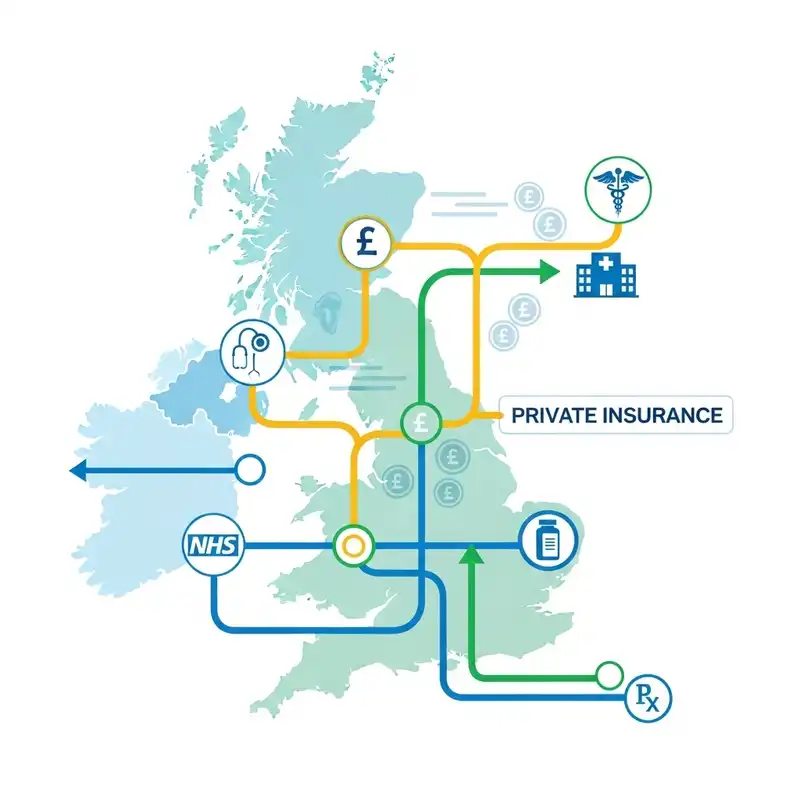
The NHS Path vs. The PMI Advantage: A Tale of Two Journeys
The NHS is the bedrock of UK healthcare, but it is primarily designed for acute and emergency treatment. For a condition like undiagnosed hypertension, the journey can look very different depending on whether you rely solely on the NHS or have private health cover.
The Typical NHS Journey:
- Opportunistic Discovery: Your high blood pressure might be discovered during a routine appointment for another issue, or as part of the free NHS Health Check offered to those aged 40-74 every five years.
- Standardised Tests: Your GP will confirm the diagnosis with further readings, possibly using a 24-hour monitor. Basic blood and urine tests will check for kidney function and cholesterol.
- Standard Treatment Protocol: Treatment typically begins with lifestyle advice (diet, exercise). If that's not enough, you'll be prescribed first-line medications according to a national formula.
- Reactive Follow-up: Follow-up appointments occur periodically to check if the treatment is working. Access to a specialist cardiologist is usually reserved for complex or severe cases.
The Private Medical Insurance (PMI) Pathway:
- Proactive Screening: Many comprehensive PMI policies include regular, in-depth health screenings. These go far beyond a simple blood pressure check, offering a full picture of your cardiovascular risk.
- Advanced Diagnostics: If an issue is flagged, PMI provides rapid access to advanced diagnostic tests that aren't routinely available on the NHS. This could include a Coronary Artery Calcium (CAC) score, advanced lipid panels (ApoB, Lp(a)), or detailed cardiac imaging.
- Rapid Specialist Access: You can see a leading private cardiologist within days or weeks, not months. This specialist will have the time to delve deep into your personal health profile, genetics, and lifestyle.
- Personalised Treatment Protocol: Your treatment plan is bespoke. It might include cutting-edge medications, a dedicated plan with a nutritionist, or a personalised exercise prescription from a biokineticist—all coordinated by your specialist.
The core difference is proactivity vs. reactivity. PMI empowers you to find and manage the risk before it becomes a life-changing event.
Unlocking Your Body's Secrets: Advanced Screening with Private Health Cover
A standard blood pressure cuff tells you part of the story. A comprehensive health screen included in a top-tier private medical insurance plan tells you the whole story. These checks are designed to build a 360-degree view of your health.
What might a premium PMI health screen include?
- 24-Hour Ambulatory Blood Pressure Monitoring (ABPM): The gold standard for diagnosis, this portable device measures your blood pressure over a full day and night, revealing patterns that a one-off reading in a clinic can't.
- Advanced Lipid Panel (ApoB, Lp(a)): A standard cholesterol test measures LDL ("bad") cholesterol. An advanced panel measures the number of cholesterol-carrying particles (ApoB) and checks for Lp(a), a potent genetic risk factor for heart disease. This gives a far more accurate risk assessment.
- High-Sensitivity C-Reactive Protein (hs-CRP): Measures the level of inflammation in your body. Chronic low-grade inflammation is a major driver of arterial plaque formation.
- Coronary Artery Calcium (CAC) Scan: A quick CT scan that measures the amount of hardened plaque in your heart's arteries. A score of zero is excellent; a high score is a powerful motivator to take immediate, aggressive preventative action.
- Electrocardiogram (ECG): Records the electrical activity of your heart, checking for underlying rhythm problems or signs of heart strain.
Accessing this level of detail allows you and your specialist to move from broad recommendations to precise, targeted interventions.
The Critical Rule of PMI: Pre-Existing and Chronic Conditions
It is absolutely vital to understand a fundamental principle of the UK private medical insurance market.
Standard PMI policies are designed to cover acute conditions that arise after your policy begins. They do not cover the treatment of pre-existing or chronic conditions.
- Pre-existing Condition: Any disease, illness, or injury for which you have experienced symptoms, received medication, advice, or treatment before your policy start date.
- Chronic Condition: A condition that is long-lasting and requires ongoing management, but cannot be cured. Examples include diabetes, asthma, and, once diagnosed, hypertension.
If a PMI health screen reveals you have high blood pressure, the policy has done its job by providing the diagnosis. The ongoing, long-term management of that now-diagnosed chronic condition—such as GP appointments for repeat prescriptions—would typically revert to the NHS.
However, the immense value of PMI lies in:
- Diagnosing the unknown: Finding the silent condition in the first place.
- Preventing the acute event: By diagnosing and helping you create a plan to manage hypertension, you drastically reduce your risk of the acute events—like a heart attack or stroke—which are covered by PMI.
WeCovr: Your Expert Guide to Navigating the PMI Market
Choosing the right private medical insurance UK policy can feel complex. Providers like Bupa, Aviva, AXA Health, and Vitality each offer different benefits, options, and pricing structures. This is where an expert, independent PMI broker like WeCovr becomes your most valuable asset.
We act as your advocate, not a salesperson for one insurer. Our job is to understand your specific health goals and budget, then search the market to find the policy that fits you perfectly. We do the hard work of comparing the small print, explaining the benefits, and ensuring you get the best possible value—all at no cost to you.
Our clients also benefit from:
- Complimentary access to CalorieHero: Our AI-powered calorie and nutrition tracking app to help you manage your diet and achieve your health goals.
- Exclusive discounts: When you take out a PMI or Life Insurance policy through us, you may be eligible for discounts on other types of cover, like home or travel insurance.
Financial Defence: Understanding LCIIP and Affordable Cover
Many people believe private health cover is prohibitively expensive, but modern policies offer incredible flexibility. One innovative feature is the Limited Cash for In-patient & In-person care (LCIIP) option, often called an "NHS Cash Benefit".
Here’s how it works:
- You opt for a lower premium policy that includes this benefit.
- If you require in-patient treatment and choose to use the NHS instead of a private hospital, the insurer pays you a tax-free cash sum for each night you spend in an NHS hospital.
- This can range from £100 to £250 per night, up to an annual limit.
This creates a win-win. You save money on your monthly premium, but you still have the peace of mind that you can access the private route if you need it. The cash payment helps cover incidental expenses (like travel or lost income) if you use the NHS, reducing the financial strain of being unwell.
Building Your Cardiovascular Shield: Actionable Lifestyle Protocols
While PMI provides the diagnostic tools and specialist access, the foundation of lifelong cardiovascular health is built on daily habits. A personalised protocol from a private specialist will likely focus on these core pillars.
1. The 'Know Your Numbers' Diet (DASH-inspired): The Dietary Approaches to Stop Hypertension (DASH) diet is proven to lower blood pressure. It's less of a diet and more of a sustainable way of eating.
- Focus on: Fruits, vegetables, whole grains, lean protein (fish, chicken), and low-fat dairy.
- Limit: Sodium (salt), sugary drinks, sweets, and red meat high in saturated fat.
- Rich in: Potassium, magnesium, and calcium, which help counterbalance sodium and relax blood vessels.
2. Movement as Medicine: Regular physical activity is non-negotiable. Aim for at least 150 minutes of moderate-intensity aerobic exercise per week.
- Moderate Aerobic Exercise: Brisk walking, cycling on level ground, swimming, or dancing. You should be able to talk, but not sing.
- Strength Training: Include muscle-strengthening activities (weights, bodyweight exercises) at least two days a week. Stronger muscles improve metabolic health.
- Consistency is Key: A 30-minute walk five days a week is more effective than one frantic 2.5-hour session at the weekend.
3. Master Your Sleep & Stress: Poor sleep and chronic stress are direct drivers of high blood pressure.
- Sleep Hygiene: Aim for 7-9 hours of quality sleep per night. Keep your bedroom dark, cool, and quiet. Avoid screens for an hour before bed.
- Stress Reduction: Find what works for you. This could be 10 minutes of daily mindfulness or meditation, yoga, spending time in nature, or a relaxing hobby.
- Mindful Breathing: When you feel stressed, take five slow, deep breaths. Inhale through your nose for four counts, hold for four, and exhale through your mouth for six. This simple act can immediately lower your heart rate and blood pressure.
4. Travel & Socialising Smartly: Maintaining a healthy lifestyle doesn't mean locking yourself away.
- When Flying: Stay hydrated, stretch regularly, and wear compression socks on long-haul flights to support circulation.
- Eating Out: Don't be afraid to ask for meals to be prepared with less salt. Look for grilled or steamed options over fried.
- Alcohol in Moderation: Stick within the recommended UK guidelines of no more than 14 units per week, spread over several days, with alcohol-free days in between. Excess alcohol is a major contributor to hypertension.
The Real Cost of Inaction vs. The Value of a PMI Policy
The monthly premium for a PMI policy is an investment in your future health. When compared to the potential financial devastation of a major cardiovascular event, its value becomes crystal clear.
| Scenario | The Cost of Inaction (No PMI) | The Value of Proactive PMI |
|---|---|---|
| Diagnosis | Potentially missed for years until a major health event occurs. | Found early via a comprehensive health screen, allowing for preventative action. |
| Treatment | Standardised NHS protocol. Long waits for specialist input if needed. | Rapid access to a leading specialist for a personalised, cutting-edge treatment plan. |
| Financial Impact | Risk of catastrophic costs: lost income (£50k+/year), private therapy (£100+/hr), home mods (£20k+), long-term care (£1k+/week). | A manageable monthly premium (e.g., £50-£150). The policy covers acute care costs, protecting your savings and income. |
| Outcome | Higher risk of premature death, disability, and a drastically reduced quality of life for you and your family. | Dramatically lower risk of a major event. Greater peace of mind, vitality, and longevity. |
With high customer satisfaction ratings and a commitment to clear, honest advice, WeCovr can help you find a plan that fits your life, providing a robust shield for your health and finances.
What happens if a private health screen finds I have high blood pressure?
Can I get private medical insurance if I already have high blood pressure?
Is private health cover worth it if I'm young and healthy?
Take Control of Your Cardiovascular Future Today
The silent blood pressure crisis is real, but you don't have to be a statistic. Proactive screening and personalised care are the most powerful tools you have to protect your long-term health, vitality, and financial security.
Contact WeCovr today for a free, no-obligation quote. Our expert advisors will help you compare the UK's leading insurers and design a private medical insurance plan that shields your health for years to come.
Sources
- NHS England: Waiting times and referral-to-treatment statistics.
- Office for National Statistics (ONS): Health, mortality, and workforce data.
- NICE: Clinical guidance and technology appraisals.
- Care Quality Commission (CQC): Provider quality and inspection reports.
- UK Health Security Agency (UKHSA): Public health surveillance reports.
- Association of British Insurers (ABI): Health and protection market publications.
Disclaimer: This is general guidance only and does not constitute formal tax or financial advice. Tax treatment depends on individual circumstances, policy terms, and HMRC interpretation, which cannot be guaranteed in advance. Whenever applicable, businesses and individuals should always consult a qualified accountant or tax adviser before arranging such policies.
Start with your Protection Score, then decide whether private health cover is the right fit
Check where health access sits in your overall protection picture before deciding whether to compare private health cover.
Spot whether NHS access risk is the real issue
See if PMI is the gap to fix first
Get health insurance help only if it makes sense for you
Get your score
Start with your protection score
Check your current position first, then get health insurance help if you need it.
Check your current resilience
Score your income, health access and family protection position in a few minutes.
See where private cover helps
Understand whether faster diagnosis and treatment is a priority gap.
Continue to tailored PMI help
If health access is the issue, continue to tailored PMI help.
What you get
A quick view of your current protection position
A clearer idea of where the biggest gaps may be
A direct route to tailored help if you want it