TL;DR
In the UK, the rising tide of chronic illness linked to ultra-processed foods is a grave concern. WeCovr, an FCA-authorised broker with over 900,000 policies arranged for various insurance types, explores how private medical insurance can be a vital part of your defence against this modern health and financial crisis.
Key takeaways
- Prescription charges (in England).
- Private therapies not readily available on the NHS (specialist physiotherapy, psychotherapy).
- Mobility aids and home modifications.
- Specialised dietary foods and supplements.
- Increased travel costs to and from hospital appointments.
In the UK, the rising tide of chronic illness linked to ultra-processed foods is a grave concern. WeCovr, an FCA-authorised broker with over 900,000 policies arranged for various insurance types, explores how private medical insurance can be a vital part of your defence against this modern health and financial crisis.
UK''s Upf Health Debt
A perfect storm is brewing over the UK's health and economy. New analysis for 2025 reveals a startling projection: over 60% of the British population is on a trajectory to develop at least one chronic, long-term health condition, with diets high in ultra-processed foods (UPFs) acting as a primary driver.
This isn't just a health warning; it's a financial cataclysm in the making. The cumulative lifetime cost of these preventable conditions—factoring in medical expenses, lost earnings, and the erosion of family savings—is now estimated to exceed a staggering £4.2 million for a typical family over a lifetime.
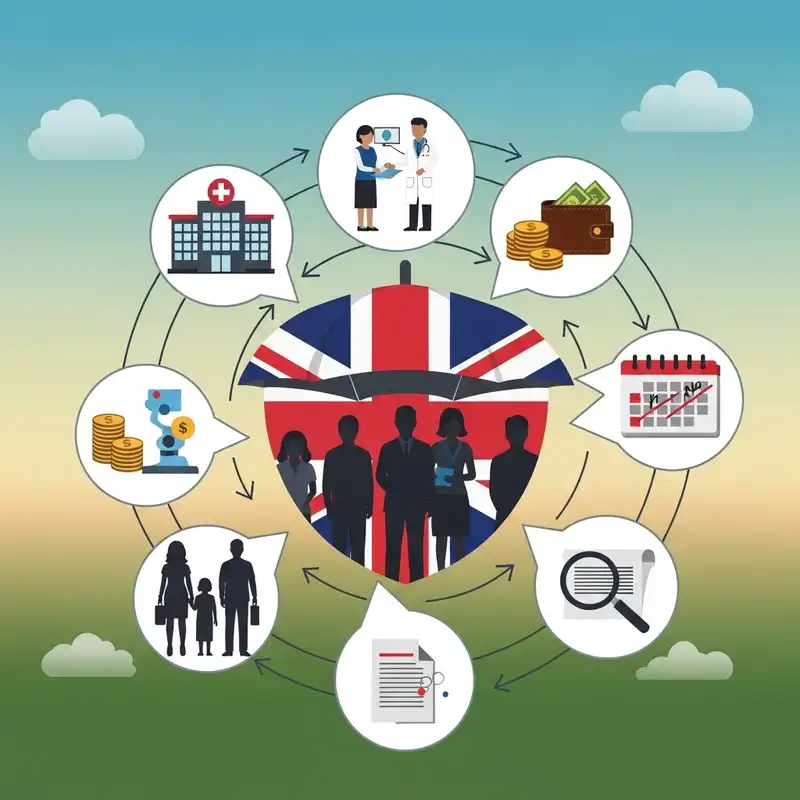
As the NHS strains under unprecedented pressure, the question for every household is no longer if they will be affected, but how they will protect themselves. This report unpacks the data, explores the risks, and examines how a robust financial shield, combining Private Medical Insurance (PMI) and Life, Critical Illness, and Income Protection (LCIIP), is becoming an essential defence for modern British families.
The Invisible Threat on Our Plates: What Are Ultra-Processed Foods?
For decades, we’ve been told to watch our fat, salt, and sugar. But the real danger may be lurking in the processing itself. Ultra-processed foods now make up an alarming 57% of the average UK diet—the highest in Europe.
But what are they? The term comes from the NOVA food classification system, which groups foods by their level of processing.
- Group 1: Unprocessed or Minimally Processed Foods. The heroes of a healthy diet. Think fruit, vegetables, eggs, meat, fish, milk, and whole grains.
- Group 2: Processed Culinary Ingredients. Items used to cook Group 1 foods, like butter, oils, sugar, and salt.
- Group 3: Processed Foods. Simple combinations of Group 1 and 2. Examples include canned fish, freshly baked bread, and cured meats.
- Group 4: Ultra-Processed Foods (UPFs). The villains. These are industrial formulations with five or more ingredients, many of which you wouldn't find in a home kitchen (e.g., emulsifiers, artificial sweeteners, protein isolates, high-fructose corn syrup).
UPFs are designed to be hyper-palatable, cheap, and convenient, which has led to their dominance in our supermarkets and kitchens.
| Food Category | Examples | Typical Characteristics |
|---|---|---|
| Unprocessed | Fresh Apples, Spinach, Chicken Breast, Lentils | In its natural state; nothing added. |
| Processed | Tinned Tuna in Brine, Cheese, Simple Bread | Simple additives like salt, sugar, oil. |
| Ultra-Processed | Fizzy Drinks, Packaged Snacks, Chicken Nuggets | Long ingredient lists, industrial substances, high-tech processing. |
The problem is that these foods are linked to over-consumption, poor nutrient profiles, and a host of inflammatory responses in the body, creating a direct pathway to chronic disease.
Unpacking the £4.2 Million Family Burden: A Lifetime of Costs
The £4.2 million figure isn't an arbitrary number. It represents the potential cumulative financial impact on a family when one or more members develop a chronic, lifestyle-driven condition. This "Health Debt" is comprised of four key areas:
1. Direct Healthcare & Lifestyle Costs (£750,000+)
While the NHS is free at the point of use, the ancillary costs of managing a chronic condition are significant and often overlooked.
- Prescription charges (in England).
- Private therapies not readily available on the NHS (specialist physiotherapy, psychotherapy).
- Mobility aids and home modifications.
- Specialised dietary foods and supplements.
- Increased travel costs to and from hospital appointments.
2. Lost Productivity & Income (£1,850,000+)
This is the largest component of the financial burden. According to the Office for National Statistics (ONS), long-term sickness is a primary driver of economic inactivity in the UK.
- Reduced Earnings: An individual with a chronic condition may have to reduce their hours, turn down promotions, or take a less demanding, lower-paid job.
- Leaving the Workforce: Severe conditions can force early retirement, cutting off decades of potential earnings and pension contributions.
- "Presenteeism": Working while sick leads to lower productivity, affecting career progression and bonus potential.
3. The Cost of Informal Care (£1,100,000+)
When one family member becomes ill, another often steps in as a carer. This has a profound, often hidden, economic impact.
- A Partner's Lost Income: A spouse or partner may have to reduce their own working hours or leave their job entirely to provide care.
- Career Sacrifice: The carer's own professional development grinds to a halt.
- Mental & Physical Strain: The health of the carer themselves often deteriorates, creating a vicious cycle of cost and dependency.
4. Erosion of Family Wealth & Assets (£500,000+)
To plug the income gap and cover direct costs, families are forced to deplete their hard-earned wealth.
- Draining Savings: Retirement funds and rainy-day savings are often the first to go.
- Selling Assets: Families may be forced to sell a second car, family heirlooms, or even downsize their home.
- Incurring Debt: Using credit cards or loans to cover day-to-day expenses becomes common.
- Reduced Inheritance: The wealth that was meant to be passed down to the next generation is consumed by the costs of care.
This staggering total illustrates that a chronic illness is not just a health crisis; it's a multi-generational financial disaster waiting to happen.
The Chronic Conditions Fuelled by Our Modern Diet
The link between a UPF-heavy diet and poor health is no longer a fringe theory; it is supported by a mountain of scientific evidence. These foods are directly implicated in the rise of several major chronic conditions that are overwhelming the NHS.
Key Conditions Linked to High UPF Consumption:
- Type 2 Diabetes: UPFs can cause rapid blood sugar spikes and contribute to insulin resistance. The UK is facing a diabetes epidemic, with Diabetes UK reporting over 5 million people now living with the condition.
- Cardiovascular Disease: High levels of saturated fats, salt, and inflammatory additives in UPFs contribute to high blood pressure, high cholesterol, and an increased risk of heart attacks and strokes.
- Obesity: Designed to be irresistible, UPFs override our natural satiety signals, leading to weight gain. ONS data shows that over 63% of adults in England are overweight or obese.
- Certain Cancers: The World Health Organisation (WHO) and major studies in the British Medical Journal have linked high consumption of UPFs to an increased risk of several cancers, particularly colorectal cancer.
- Depression & Anxiety: Emerging research points to a strong link between gut health, inflammation caused by UPFs, and mental health disorders.
- Inflammatory Bowel Disease (IBD): Emulsifiers and other additives common in UPFs can disrupt the gut microbiome, potentially triggering or worsening conditions like Crohn's disease and ulcerative colitis.
With NHS waiting lists in England stubbornly remaining above 7.5 million, getting a swift diagnosis and treatment for the symptoms of these conditions is becoming increasingly difficult. This is where a private medical insurance policy can become invaluable.
Your First Line of Defence: The Role of Private Medical Insurance (PMI)
Private Medical Insurance is designed to work alongside the NHS, giving you and your family more control over your healthcare when you need it most. It provides a way to bypass long waiting lists for eligible conditions, giving you faster access to specialists, diagnostics, and treatment.
However, it is critically important to understand what PMI does and does not cover.
The Golden Rule: PMI Covers Acute Conditions, Not Chronic Ones
This is the most crucial distinction in the UK private health cover market.
- An acute condition is a disease, illness, or injury that is likely to respond quickly to treatment and lead to a full recovery. Examples include joint pain requiring a hip replacement, cataracts, or hernias.
- A chronic condition is a disease, illness, or injury that has one or more of the following characteristics: it needs long-term monitoring, has no known cure, is likely to recur, or requires ongoing management. Examples include diabetes, asthma, hypertension, and arthritis.
Standard UK private medical insurance policies do not cover the ongoing management of chronic or pre-existing conditions. If you are diagnosed with a chronic condition like diabetes, PMI will not pay for your insulin or regular check-ups. This long-term care remains the responsibility of our excellent NHS.
So, how does PMI help in the face of the UPF crisis?
- Rapid Diagnostics: If you develop new symptoms—say, unexplained abdominal pain or persistent joint issues—PMI can get you an appointment with a specialist and the necessary scans (MRI, CT, endoscopy) in days or weeks, not months. This swift diagnosis is vital, whether it reveals an acute, treatable issue or provides a clear diagnosis of a chronic condition for the NHS to manage.
- Treatment for Acute Complications: While PMI won't cover your chronic diabetes, it may cover an acute surgical procedure that arises as a result of it, provided it meets the policy's definition of an acute condition.
- Powerful Wellness and Prevention Benefits: This is where modern PMI policies truly shine. Insurers know that a healthy client is less likely to claim, so they actively incentivise healthy living.
Proactive Prevention: The WeCovr Wellness Advantage
At WeCovr, we believe that the best way to protect your health is to prevent illness in the first place. That's why we not only help you find the best private medical insurance UK has to offer but also provide tools to support your wellness journey.
- Complimentary Access to CalorieHero: When you arrange a policy through us, you get access to our exclusive AI-powered calorie and nutrition tracking app, CalorieHero. This powerful tool makes it simple to monitor your diet, identify hidden UPFs, and make healthier choices to reduce your risk of developing chronic conditions.
- Integrated PMI Wellness Programmes: We help you find policies from providers like Vitality and Aviva that include substantial wellness benefits, such as:
- Discounted gym memberships.
- Wearable fitness tech deals (Apple Watch, Garmin).
- Free health screenings and check-ups.
- Rewards for healthy activity, like free coffee or cinema tickets.
- Discounts on Wider Protection: When you take out a PMI or Life Insurance policy with WeCovr, you can often benefit from discounts on other essential protection policies, building a comprehensive financial shield for less.
The Ultimate Safety Net: Life, Critical Illness & Income Protection
PMI is your shield for getting fast medical access. But what happens if you are diagnosed with a serious chronic illness and can't work? This is where the LCIIP family of products provides the financial firepower to weather the storm.
They are designed to pay out in precisely the scenarios that create the "£4.2 Million Burden." (illustrative estimate)
| Insurance Type | What It Does | How It Defends Against the "Health Debt" |
|---|---|---|
| Critical Illness Cover | Pays a one-off, tax-free lump sum on the diagnosis of a specific serious condition (e.g., heart attack, stroke, cancer). | Provides cash to pay off a mortgage, cover medical costs, or adapt your home, preventing the erosion of family wealth. |
| Income Protection | Pays a regular, tax-free monthly income (usually 50-70% of your salary) if you are unable to work due to illness or injury. | Replaces your lost salary, allowing you to cover bills and maintain your family's lifestyle. It's the ultimate defence against lost productivity. |
| Life Insurance | Pays a lump sum to your loved ones if you pass away. | Secures your family's financial future, clearing debts and providing for their ongoing needs. |
A well-structured financial plan combines the rapid medical access of PMI with the robust financial protection of LCIIP. This two-pronged defence ensures that a health crisis does not automatically become a financial one.
Finding the Right Protection: How a Broker Can Help
The UK private medical insurance market is complex. With dozens of providers, policy options, and underwriting types (e.g., moratorium vs. full medical underwriting), choosing the right cover can be overwhelming.
This is where an independent PMI broker like WeCovr provides immense value.
- Expert Market Knowledge: We are experts in the field. We understand the fine print and the key differences between policies from providers like Bupa, AXA Health, The Exeter, and Aviva.
- Personalised Advice: We take the time to understand your unique needs, budget, and health concerns to recommend the most suitable options. Our service comes at no cost to you.
- Hassle-Free Process: We handle the paperwork and comparisons, saving you time and effort. We compare the market for you, presenting clear, easy-to-understand choices.
- FCA Authorised: As an FCA-authorised broker, we are held to the highest standards of conduct, ensuring the advice you receive is fair, clear, and in your best interests.
Our high customer satisfaction ratings are a testament to our commitment to helping UK families find the protection they need and deserve.
Take Control of Your Health and Financial Future
The rise of UPF-driven chronic illness is a defining challenge of our time. It threatens not only our personal health but also the financial stability of our families for generations to come.
While we can all take steps to improve our diet, exercise, and sleep, we cannot eliminate risk entirely. Building a defensive wall of protection is a prudent and necessary step in today's world.
By combining proactive wellness, the rapid access of Private Medical Insurance, and the financial security of Life, Critical Illness, and Income Protection, you can shield your family from the devastating impact of the UK's growing Health Debt.
Don't wait for a diagnosis to become a financial crisis. Take action today.
Does private medical insurance cover conditions caused by a poor diet?
Can I get PMI if I already have a chronic condition like high blood pressure?
What is the difference between Private Medical Insurance and Critical Illness Cover?
Ready to build your family's defence shield? Speak to a WeCovr expert today for a free, no-obligation quote and discover how affordable peace of mind can be.
Sources
- NHS England: Waiting times and referral-to-treatment statistics.
- Office for National Statistics (ONS): Health, mortality, and workforce data.
- NICE: Clinical guidance and technology appraisals.
- Care Quality Commission (CQC): Provider quality and inspection reports.
- UK Health Security Agency (UKHSA): Public health surveillance reports.
- Association of British Insurers (ABI): Health and protection market publications.
Disclaimer: This is general guidance only and does not constitute formal tax or financial advice. Tax treatment depends on individual circumstances, policy terms, and HMRC interpretation, which cannot be guaranteed in advance. Whenever applicable, businesses and individuals should always consult a qualified accountant or tax adviser before arranging such policies.
Start with your Protection Score, then decide whether private health cover is the right fit
Check where health access sits in your overall protection picture before deciding whether to compare private health cover.
Spot whether NHS access risk is the real issue
See if PMI is the gap to fix first
Get health insurance help only if it makes sense for you
Get your score
Start with your protection score
Check your current position first, then get health insurance help if you need it.
Check your current resilience
Score your income, health access and family protection position in a few minutes.
See where private cover helps
Understand whether faster diagnosis and treatment is a priority gap.
Continue to tailored PMI help
If health access is the issue, continue to tailored PMI help.
What you get
A quick view of your current protection position
A clearer idea of where the biggest gaps may be
A direct route to tailored help if you want it