TL;DR
We're driven to build, to grow, to create a life that's not just stable, but exceptional. We meticulously plan our careers, save for mortgages, invest in our skills, and dream of a future filled with personal achievement and security for our loved ones. But what is this dream life truly built upon?
Key takeaways
- Tradespeople: Electricians, plumbers, builders, carpenters.
- Healthcare Professionals: Nurses, paramedics, dental hygienists.
- Manual Workers: Warehouse staff, delivery drivers, construction workers.
- Cancer (of a specified severity)
- Heart Attack
Unbreakable You Future Proofing Your Growth
We live in an era of ambition. We're driven to build, to grow, to create a life that's not just stable, but exceptional. We meticulously plan our careers, save for mortgages, invest in our skills, and dream of a future filled with personal achievement and security for our loved ones.
But what is this dream life truly built upon?
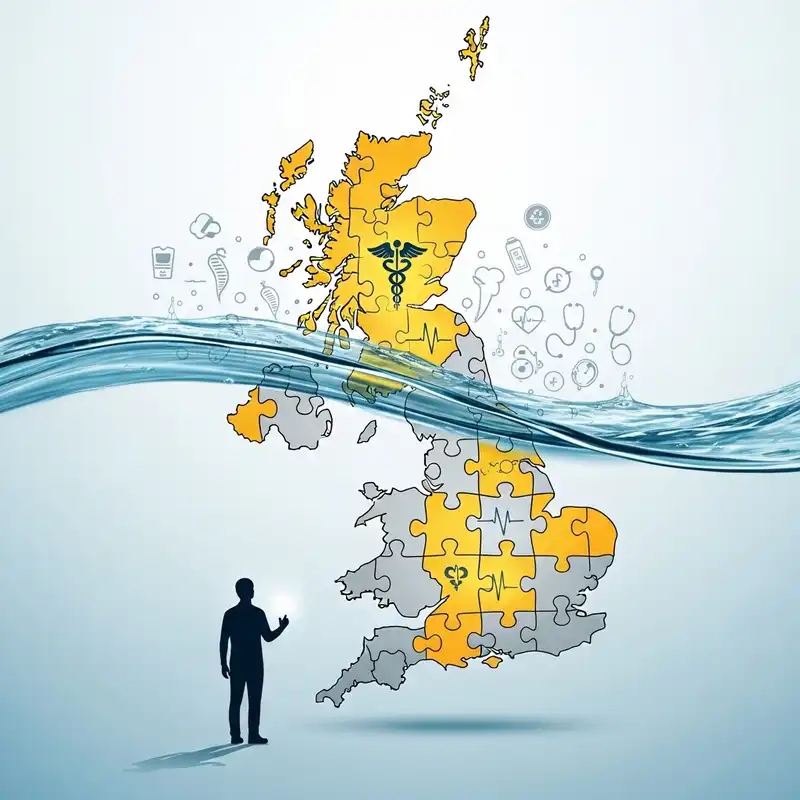
For many, the foundation is fragile. It rests on the assumption of unbroken health and a continuous ability to earn. It’s a foundation of sand, vulnerable to the unpredictable tides of life. A sudden illness, a serious accident, or an unexpected diagnosis can wash it all away, leaving plans in ruins and futures in jeopardy.
The statistics paint a stark picture. According to the Office for National Statistics (ONS), an estimated 185.6 million working days were lost because of sickness or injury in the UK in 2022 – the highest level in over a decade. Meanwhile, leading charities like Cancer Research UK project that 1 in 2 people in the UK will be diagnosed with cancer in their lifetime.
This isn't about fear-mongering; it's about foresight. True, lasting growth isn't just about reaching for the sky. It's about ensuring your launchpad is made of solid rock. This guide will show you how to build that unbreakable foundation through strategic financial protection, turning vulnerability into resilience and uncertainty into security.
The Cornerstone of Your World: Protecting Your Income
Your most valuable asset isn't your house, your car, or your investments. It's your ability to earn an income. Every bill, every mortgage payment, every holiday, and every future plan is funded by it. When that income stops, everything else is at risk.
Imagine being unable to work for six months, a year, or even longer due to illness or injury. Statutory Sick Pay (SSP) provides a minimal safety net, but at just over £116 per week (2024/25 rate), it's rarely enough to cover even the most basic household expenses, let alone a mortgage. (illustrative estimate)
This is where income protection insurance becomes the bedrock of your financial plan.
Income Protection (IP): Your Personal Salary in a Crisis
Income Protection is designed to do one thing brilliantly: replace a significant portion of your monthly income if you're unable to work due to any illness or injury that your GP signs you off for.
How it works:
- Pays a Regular Income: You receive a tax-free monthly payout, typically 50-70% of your gross salary.
- Long-Term Support: Policies can pay out for a set period (e.g., 2 or 5 years) or right up until you can return to work, retire, or the policy term ends.
- The "Deferred Period": This is the waiting period between when you stop working and when the policy starts paying out. You choose this period when you take out the policy – common options are 4, 8, 13, 26, or 52 weeks. The longer the deferred period, the lower your premium. You can align it with your employer's sick pay scheme or your personal savings.
Think of it as your own private, comprehensive sick pay scheme that you control.
Personal Sick Pay: Essential Cover for High-Risk Professions
While traditional Income Protection is a fantastic solution for many, it can sometimes be more expensive or have limitations for those in physically demanding or higher-risk jobs. This is where Personal Sick Pay (also known as Accident & Sickness cover) shines.
It’s an invaluable tool for the hands-on heroes of our economy:
- Tradespeople: Electricians, plumbers, builders, carpenters.
- Healthcare Professionals: Nurses, paramedics, dental hygienists.
- Manual Workers: Warehouse staff, delivery drivers, construction workers.
For these roles, a minor injury can mean a major loss of income. A broken wrist isn’t just an inconvenience for a self-employed electrician; it’s a complete stop to their earnings. Personal Sick Pay is specifically designed to provide short-term financial support, typically paying out for 12 or 24 months, to bridge the gap while you recover.
| Feature | Income Protection (IP) | Personal Sick Pay (PSP) |
|---|---|---|
| Payout Duration | Long-term (often until retirement) | Short-term (typically 12 or 24 months) |
| Typical User | Office workers, professionals, self-employed | Tradespeople, manual workers, high-risk roles |
| Definition of Incapacity | Often "own occupation" (can't do your specific job) | Can be broader (e.g., unable to do any work) |
| Cost | Generally higher premiums for comprehensive cover | More affordable, focused on short-term needs |
| Primary Goal | Replace income for career-ending scenarios | Cover bills and costs during recovery from injury/illness |
Protection for the Trailblazers: Self-Employed, Freelancers & Company Directors
The UK is a nation of entrepreneurs, with millions of people choosing to be their own boss. According to the ONS, there are over 4.2 million self-employed workers in the UK. This freedom comes with a unique set of vulnerabilities – there’s no employer sick pay, no death-in-service benefit, and no one else to keep the business running if you can't.
For this resilient group, personal protection isn't a luxury; it's a critical business continuity tool.
Must-Haves for the Sole Trader and Freelancer
If you work for yourself, Income Protection or Personal Sick Pay is non-negotiable. It's the only way to guarantee an income if you're ill or injured. Without it, your business and your personal life are completely exposed.
Smart Solutions for Company Directors
If you run your own limited company, you have access to highly tax-efficient ways to protect yourself and your business.
Executive Income Protection
This is Income Protection, but paid for by your business as a legitimate business expense. This means the premiums are typically tax-deductible for the company. The benefit is still paid to you personally, providing that crucial income replacement, but in a much more tax-efficient manner than paying for it out of your own post-tax pocket.
Key Person Insurance
Who is indispensable to your business? Is it you, with your technical expertise? Your top salesperson who brings in 60% of the revenue? A creative genius who drives innovation?
Key Person Insurance protects the business itself from the financial fallout of losing such an individual to death or critical illness. The policy pays a lump sum directly to the business, which can be used to:
- Recruit a replacement.
- Cover lost profits during the disruption.
- Reassure lenders and investors.
- Clear business debts.
It's the difference between a business surviving a crisis and collapsing.
Facing the Unthinkable: The Power of a Lump Sum with Critical Illness Cover
While Income Protection replaces your monthly salary, Critical Illness Cover (CIC) works differently. It pays out a one-off, tax-free lump sum if you are diagnosed with one of a list of predefined serious conditions.
The "big three" covered by almost all comprehensive policies are:
- Cancer (of a specified severity)
- Heart Attack
- Stroke
Most policies cover dozens of other conditions, including multiple sclerosis, major organ transplant, and Parkinson's disease. The Association of British Insurers (ABI) reports that in 2022, the protection industry paid out over £6.8 billion in claims, with the vast majority being for life, critical illness, and income protection. This demonstrates the real-world impact these policies have every single day.
A critical illness diagnosis is emotionally and physically devastating. The last thing you or your family need is the added stress of financial worries. A CIC payout gives you choices and breathing room. It can be used for anything, including:
- Paying off your mortgage or other debts.
- Funding private medical treatment not available on the NHS.
- Adapting your home (e.g., installing a ramp or stairlift).
- Replacing lost income for you or a partner who takes time off to care for you.
- Simply reducing financial stress so you can focus 100% on your recovery.
Leaving a Legacy, Not a Liability: Life Insurance in Focus
No one wants to think about the worst happening, but planning for it is one of the most selfless acts you can do for your family. Life Insurance (or Life Protection) is designed to provide a financial cushion for your loved ones if you are no longer around.
Lump-Sum Life Insurance (Term or Whole of Life)
This is the most common form of life cover. You choose a sum of money (the 'sum assured') and a period of time (the 'term'). If you pass away within the term, the policy pays out the lump sum. It's often used to cover large debts like a mortgage, ensuring your family can stay in their home without financial pressure.
A Smarter Choice for Families: Family Income Benefit (FIB)
While a large lump sum sounds appealing, managing a huge payout can be daunting for a grieving family. Family Income Benefit offers a more intuitive and often more affordable alternative.
Instead of a single lump sum, FIB pays out a regular, tax-free monthly or annual income to your family, from the time of the claim until the end of the policy term.
Why is this so powerful? It directly replaces your lost salary, making budgeting simple and stress-free. It covers the ongoing costs of childhood – bills, food, clothes, clubs, and future education – in a manageable way.
| Feature | Lump-Sum Term Life Insurance | Family Income Benefit (FIB) |
|---|---|---|
| Payout | A single, large, tax-free lump sum. | A regular, tax-free income (e.g., £2,000/month). |
| Purpose | Clear large debts like a mortgage. | Replace a lost salary for ongoing family costs. |
| Budgeting | Recipient must manage and invest the large sum. | Simple and intuitive, mimics a monthly salary. |
| Cost | Can be more expensive for a large sum assured. | Often more affordable, especially for young families. |
| Best For | Covering specific large liabilities. | Young families with ongoing financial commitments. |
At WeCovr, we often find that a combination of both provides the ultimate protection: a smaller lump-sum policy to clear the mortgage, and a Family Income Benefit policy to provide for the day-to-day cost of living.
Advanced Planning: Securing Your Generosity with Gift Inter Vivos
As you build wealth, you may want to pass it on to your children or grandchildren during your lifetime. Gifting assets is a wonderful way to help them when they need it most, perhaps for a house deposit or to start a business. It can also be an effective part of Inheritance Tax (IHT) planning.
However, there's a catch: the "7-year rule".
In the UK, if you give a gift (a 'Potentially Exempt Transfer') and die within seven years, that gift may still be considered part of your estate for IHT purposes. The amount of tax due on the gift reduces on a sliding scale after three years, but the liability only disappears completely after seven years have passed.
This can create an unexpected and significant tax bill for the person who received your gift.
Gift Inter Vivos Insurance is a clever and specific solution. It's a life insurance policy designed to pay out a sum that covers the potential IHT liability on the gift. The cover amount decreases over the seven-year term, mirroring the reducing tax liability. It ensures your generosity is a pure gift, not a future tax burden for your loved ones.
The Accelerator: Gaining Control with Private Health Insurance
While protection policies provide a financial safety net, Private Health Insurance (PMI) gives you something equally valuable: access, speed, and choice when it comes to your health.
With NHS waiting lists for consultant-led elective care remaining a significant challenge (with millions of treatments on the waiting list in England alone), PMI acts as a powerful complement to the public health service.
Key benefits of PMI include:
- Prompt Diagnosis and Treatment: Bypass long waits for specialist consultations, scans (MRI, CT), and non-urgent surgery. This can be crucial for a faster recovery and return to work.
- Choice of Care: You can often choose the specialist, consultant, and hospital where you receive your treatment.
- Enhanced Comfort: Access to private rooms, better facilities, and more flexible visiting hours can make a stressful time more comfortable.
- Access to Specialist Drugs: Some policies provide access to new or expensive drugs and treatments that may not be routinely available on the NHS.
For a business owner, a freelancer, or anyone whose income depends on their health, getting back on their feet quickly is paramount. PMI is an investment in minimising downtime and maintaining momentum in your life and career.
Building Your Fortress: A Proactive and Holistic Approach
Financial protection is the foundation, but building an unbreakable life also involves proactive steps to protect your health and wellbeing. Insurers recognise this, and many modern policies now include valuable wellness benefits at no extra cost, such as:
- Virtual GP services (24/7 access).
- Mental health support and counselling.
- Fitness and nutrition advice.
- Discounts on gym memberships and health tech.
Taking control of your health not only improves your quality of life but can also reduce your risk factors for many of the conditions that trigger a claim. Simple lifestyle habits can have a profound impact:
- Balanced Diet: Focus on whole foods, fruits, vegetables, and lean proteins.
- Regular Activity: Aim for at least 150 minutes of moderate-intensity exercise per week.
- Prioritise Sleep: Ensure you get 7-9 hours of quality sleep per night for physical and mental regeneration.
- Manage Stress: Incorporate mindfulness, hobbies, and social connection into your routine.
At WeCovr, we believe in supporting our clients holistically. Beyond finding you the best insurance, we want to empower your health journey. That’s why we provide our clients with complimentary access to CalorieHero, our exclusive AI-powered calorie and nutrition tracking app. It’s a small way we can help you build healthier habits that form part of your overall personal protection strategy.
Taking Action: From Sand to Solid Rock
You wouldn't build your dream house without solid foundations, so why build your dream life on the assumption of perpetual good fortune?
Securing your future is not about one single product. It’s about creating a bespoke fortress of protection tailored to your unique circumstances – your age, your health, your profession, your family, and your ambitions.
Navigating the world of protection insurance can feel complex, with hundreds of policies and options available. Working with an independent, expert broker like us at WeCovr is the key. We don't work for an insurance company; we work for you. Our role is to understand your life and your goals, then search the entire market to compare plans from all the UK’s leading insurers. We translate the jargon, handle the paperwork, and ensure you get the right cover at the right price, building a foundation of solid rock upon which you can achieve anything.
Your growth, your relationships, and your legacy deserve nothing less.
Is protection insurance expensive?
Do I need a medical examination to get cover?
What if I have a pre-existing medical condition?
I'm self-employed. What is the most important cover for me?
How much cover do I actually need?
Sources
- Office for National Statistics (ONS): Mortality and population data.
- Association of British Insurers (ABI): Life and protection market publications.
- MoneyHelper (MaPS): Consumer guidance on life insurance.
- NHS: Health information and screening guidance.
Disclaimer: This is general guidance only and does not constitute formal tax or financial advice. Tax treatment depends on individual circumstances, policy terms, and HMRC interpretation, which cannot be guaranteed in advance. Whenever applicable, businesses and individuals should always consult a qualified accountant or tax adviser before arranging such policies.
Measure your family’s protection gap, then get the right life cover quote
Start with the score to see whether your family would face a real financial shortfall before moving on to life cover options.
Check what happens if someone dies too soon
See whether debt, dependants and mortgage risk are covered
Move into tailored life cover options after the score
Get your score
Your next best move
Get your score in minutes, then decide what kind of protection help would be most useful.
Score your household protection
See how well your current setup protects dependants, debt and major commitments.
Find the shortfall
Know whether life cover, critical illness or income protection is the actual missing piece.
Continue to tailored life cover
If life cover is the gap, continue to tailored life cover options.
What you get
A quick view of your current protection position
A clearer idea of where the biggest gaps may be
A direct route to tailored help if you want it