TL;DR
Before we dive deep, let's get a top-level view of our three main competitors. While they all offer private health cover, their approach to wellness and rewards is strikingly different. It's crucial to understand a fundamental principle of private medical insurance in the UK: these policies are designed to cover acute conditionsillnesses that are curable and arise after you take out the policy.
Key takeaways
- Vitality Rewards: The famous, activity-driven programme.
- Bupa Wellbeing: A holistic approach focused on mental and physical support.
- Aviva DigiCare+: A practical, digitally-delivered suite of health services.
- For the Insurer: Healthier members make fewer claims. This reduces the insurer's costs and allows them to offer more competitive premiums. It also fosters loyalty and reduces the number of customers who switch providers.
- For You, the Member: You get access to discounts, services, and rewards that can directly improve your health and save you money. An engaging programme can motivate you to exercise more, eat better, and be more proactive about your health, potentially preventing serious illness down the line.
For years, the conversation around private medical insurance perks has been dominated by one thing: discounted cinema tickets. But as we look towards 2026, the market has evolved far beyond cheap popcorn. At WeCovr, an insurance broker that has helped arrange over 1,000,000 policies, we know that savvy UK consumers are now looking for tangible, real-world value from their private medical insurance. This guide cuts through the marketing noise to deliver a definitive comparison.
Vitality Rewards vs the Market Which Insurer Offers the Best Perks in
The landscape of UK private health cover is no longer just about paying for treatment when you fall ill. well-known insurers are now competing to support your health in the first place, using sophisticated rewards and wellness programmes to engage their members.
But are these perks a valuable benefit that can offset your premiums, or just a clever marketing gimmick?
This comprehensive analysis will dissect the three leading programmes in the UK market:
-
Vitality Rewards: The famous, activity-driven programme.
-
Bupa Wellbeing: A holistic approach focused on mental and physical support.
-
Aviva DigiCare+: A practical, digitally-delivered suite of health services.
We'll explore how they work, who they're best for, and crucially, which one offers the most significant financial and health value for your money in 2026.
What Are PMI Wellness Programmes and Why Should You Care?
At its core, a Private Medical Insurance (PMI) wellness programme is a system designed by an insurer to incentivise healthy lifestyle choices. The logic is simple and mutually beneficial:
- For the Insurer: Healthier members make fewer claims. This reduces the insurer's costs and allows them to offer more competitive premiums. It also fosters loyalty and reduces the number of customers who switch providers.
- For You, the Member: You get access to discounts, services, and rewards that can directly improve your health and save you money. An engaging programme can motivate you to exercise more, eat better, and be more proactive about your health, potentially preventing serious illness down the line.
The real question is whether the value of these perks justifies choosing one insurer over another. For many, the answer is a resounding yes—if the programme aligns with their lifestyle. Getting this choice right is where a WeCovr specialist or one of our broker partners becomes invaluable.
The Contenders: Vitality, Bupa, and Aviva at a Glance
Before we dive deep, let's get a top-level view of our three main competitors. While they all offer private health cover, their approach to wellness and rewards is strikingly different.
| Provider | Programme Name | Core Philosophy | Best For... |
|---|---|---|---|
| Vitality | Vitality Rewards | Active Engagement: Earn points for physical activity to unlock a wide range of lifestyle rewards and discounts. | The highly motivated, fitness-focused individual who wants to be rewarded for their daily activity. |
| Bupa | Bupa Wellbeing | Holistic Support: Provides direct access to a suite of health services, with a strong emphasis on mental health and 24/7 support. | Individuals and families prioritising prompt access, where available, to medical advice and robust mental health support. |
| Aviva | Aviva DigiCare+ | Digital & Preventative: A practical, app-based package of valuable health services like annual check-ups and second opinions. | The pragmatic individual who values preventative care and convenient digital access to core health services. |
It's crucial to understand a fundamental principle of private medical insurance in the UK: these policies are designed to cover acute conditions—illnesses that are curable and arise after you take out the policy. They do not cover pre-existing conditions or chronic conditions (long-term illnesses like diabetes or asthma) that require ongoing management. The wellness perks are an added benefit, not a replacement for this core function.
Deep Dive: Vitality Rewards (The 'Active' Approach)
Vitality revolutionised the UK PMI market by directly linking physical activity to financial rewards. Their model is built on a simple premise: the more you move, the more you save.
If you want to estimate your own points, try our Vitality Points Calculator.
When you buy Vitality cover through WeCovr, you still get Vitality's watches and rewards, plus our complimentary CalorieHero app subject to terms where applicable compared to buying direct from Vitality; Vitality does not include CalorieHero, only WeCovr does.
How It Works: You earn "Vitality points" for completing health-related activities. This can range from a daily walk tracked on your phone to a full gym session or completing an online health review.
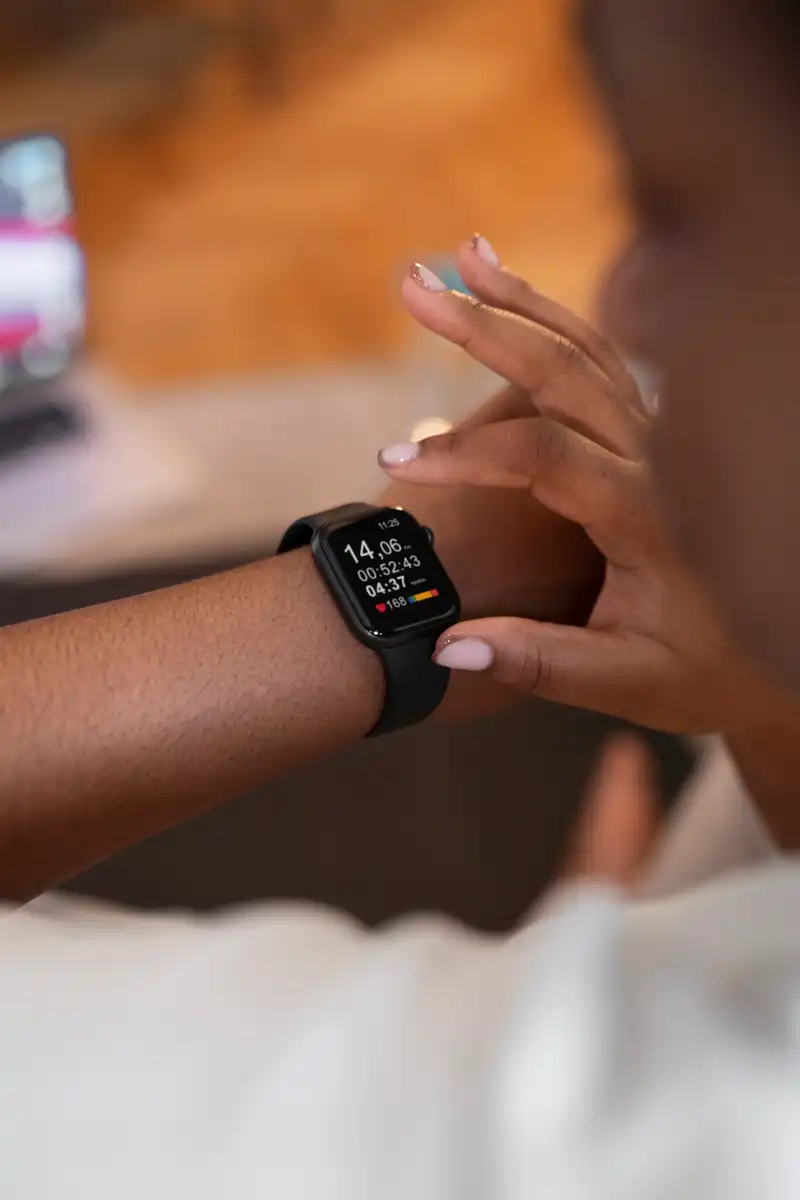
- Tracking: You link a compatible fitness tracker (like an Apple Watch, Garmin, or Fitbit) or use your smartphone's health app to your Vitality Member Zone app.
- Earning Points: Activities like steps, heart rate-monitored workouts, and attending a parkrun all contribute points.
- Achieving Status: The more points you earn, the higher your "Vitality Status" climbs—from Bronze, to Silver, Gold, and finally Platinum. A higher status unlocks better rewards and can even lead to a discount on your premium at renewal.
The Rewards—Separating Hype from Value:
| Reward Type | Examples | Real-World Value & Insider Take |
|---|---|---|
| Daily Perks | A weekly handcrafted drink from Caffè Nero. | Great for motivation, but low monetary value. It encourages consistent, small efforts. |
| Weekly Perks | Two cinema tickets per week from Odeon or Vue. | The most famous perk. If you're a regular cinema-goer, this can be worth over £1,000 a year for a couple. However, it requires hitting your weekly activity targets consistently. |
| Big-Ticket Items | Apple Watch, discounted gym memberships (Virgin Active, Nuffield Health), cashback on Waitrose "Good Health" food, British Airways flight discounts. | This is where the real value lies. The Apple Watch offer requires an upfront payment and monthly instalments, which are then reduced to £0 if you consistently meet high activity targets. The gym discount can be up to 50%, saving hundreds of pounds annually. These rewards require significant engagement. |
The 'Cost' of Engagement: Vitality's rewards are not free. They are earned. To reach Platinum status and unlock the maximum discounts, you may need to be consistently active throughout the year. For a sedentary person, this can be a daunting prospect. For someone who is already active, it's essentially getting paid for a lifestyle you already have.
Advisor's Verdict: Vitality is a fantastic choice for self-motivated individuals and families who are either already active or want a powerful incentive to become so. The potential savings are the highest on the market, but they demand commitment. If you won't use the app or track your activity, you'll be paying for a rewards programme you don't benefit from.
Deep Dive: Bupa Wellbeing (The 'Holistic' Approach)
Bupa, one of the most established names in UK health insurance, takes a different path. Their focus is less on gamified rewards and more on providing direct, prompt access, where available, to healthcare services and support through its Bupa Wellbeing programme.
How It Works: Bupa's value isn't found in earning points, but in the services that are available to you from day one, often without needing a GP referral. The focus is on support, peace of mind, and clinical expertise.
The Perks—Direct Health Interventions:
| Service | Description | Real-World Value & Insider Take |
|---|---|---|
| Digital GP (Bupa Blua Health) | 24/7 access to a GP via video or phone call. They can issue prescriptions, provide advice, and make referrals. | In an era of long NHS GP waiting times, this is arguably one of the most valuable perks available. It offers immediate peace of mind and swift access to care, potentially preventing a minor issue from becoming a major one. |
| Direct Access to Specialists | For certain conditions (like cancer, mental health, muscle, bone, and joint issues), Bupa members can often bypass their GP and go straight to a specialist. | This can shave weeks or even months off the diagnostic journey, which is invaluable when dealing with a worrying symptom. |
| Mental Health Support | Extensive cover for mental health is a cornerstone of Bupa's offering. This includes access to helplines and often therapy sessions without a GP referral. | Bupa is widely recognised for its well-known mental health pathways. The Family Mental Health Line allows parents to get advice from trained nurses about their child's emotional wellbeing, a unique and incredibly valuable feature. |
| Bupa Wellbeing Hub | An online portal and app filled with health assessments, articles, and programmes to support physical and mental health. | While not a 'reward', it's a useful resource for proactive health management, sitting somewhere between Vitality's active tracking and Aviva's practical tools. |
The 'Value' Proposition: The value of Bupa Wellbeing is clinical, not commercial. You don't earn a free coffee; you get to speak to a doctor at 10 pm on a Sunday. You don't get a discounted flight; you get a faster route to a physiotherapist or psychiatrist. For those who prioritise peace of mind and prompt access, where available, to medical expertise, Bupa's model is incredibly compelling.
Advisor's Verdict: Bupa is the ideal choice for individuals and families who see health insurance primarily as a tool for faster access, where available, to medical care. It's particularly strong for those concerned about mental health or who value the convenience of a 24/7 digital GP. The 'perks' are less about lifestyle and more about health security.
Deep Dive: Aviva DigiCare+ (The 'Digital & Practical' Approach)
Aviva has carved out a unique space in the market with its DigiCare+ app. It bundles a collection of highly practical, preventative health services into one easy-to-use digital platform. The value here is tangible and directly related to services you would otherwise have to pay for out of pocket.
How It Works: DigiCare+ is an app-based service available to most Aviva PMI policyholders. It provides a set number of uses per year for a range of valuable health services, regulated of you making a claim on your main policy.
The Perks—Preventative Health Tools at Your Fingertips:
| Service | Description | Real-World Value & Insider Take |
|---|---|---|
| Annual Health Check | A home-testing kit that checks 20 key health markers, including cholesterol, liver health, and diabetes risk. Results are reviewed by a GP. | This is Aviva's star feature. A similar private health check could easily cost £150-£250. It provides a clear, data-driven snapshot of your health each year, empowering you to make changes before problems arise. |
| Digital GP | Similar to Bupa's offering, providing app-based access to a GP for consultations and advice. | A high-value, high-convenience service that is fast becoming a standard expectation for top-tier private medical insurance in the UK. |
| Mental Health Support | Provides access to therapy sessions (typically via BACP accredited counsellors) and other mental wellbeing support services. | While perhaps not as extensive as Bupa's dedicated pathways, this provides crucial support for common mental health challenges like stress, anxiety, and depression. The value of even a few included therapy sessions can be several hundred pounds. |
| Second Medical Opinion | If you or a family member receive a life-changing diagnosis, this service provides access to a world-leading expert for a full review and second opinion. | This perk offers priceless peace of mind during a highly stressful time. The cost of sourcing this privately would be thousands of pounds. |
| Nutritional Support | A set number of consultations with a registered dietitian to help with dietary goals, from weight management to managing conditions through food. | Another practical tool with a clear monetary value, offering personalised advice that goes far beyond generic online articles. |
The 'Value' Proposition: Aviva's DigiCare+ is the epitome of practicality. It doesn't ask you to run 10k; it gives you the tools to check your cholesterol and speak to a nutritionist. The value is clear, preventative, and requires minimal ongoing effort beyond booking and using the services.
Advisor's Verdict: Aviva is perfect for the pragmatic buyer who wants their insurance to work for them in a tangible, preventative way. If you're the sort of person who would value a yearly health MOT and expert medical opinions over gym discounts, DigiCare+ is likely the suitable fit for you.
Head-to-Head Comparison: Which Perks Programme Delivers the Most Value in 2026?
So, who wins? The answer depends entirely on you. Let's compare them across key categories and then apply them to real-world scenarios.
Feature Comparison Table
| Feature | Vitality | Bupa | Aviva |
|---|---|---|---|
| Digital GP Access | Yes (via Vitality GP) | Yes (Bupa Blua Health 24/7) | Yes (via DigiCare+) |
| Gym Discounts | well-known (up to 50%) | Limited discounts available | Limited discounts available |
| Mental Health Support | Good (incl. therapy) | well-known (Direct Access & Family Line) | Good (incl. therapy via DigiCare+) |
| Annual Health Check | No (Healthcheck is points-based) | No (Available as paid extra) | Yes (Included via DigiCare+) |
| High-Value 'Wow' Factor | Apple Watch, Flight Discounts | Direct Access Pathways | Second Medical Opinion, Health Check |
| Engagement Required | High (Daily/weekly tracking) | Low (Use services as needed) | Low (Use services as needed) |
Real-World Scenarios:
-
The Fitness Fanatic: Sarah, 32, a Marketing Manager
- Profile: Sarah runs three times a week, loves her spin classes, and tracks her fitness meticulously on her Apple Watch. She's a regular cinema-goer.
- suitable fit: Vitality. Sarah is already doing the activities required to max out the rewards. For her, Vitality isn't asking for a lifestyle change; it's rewarding her for her existing one. She may fund her Apple Watch, get 50% off her Virgin Active membership, and earn two cinema tickets a week. The financial return for her is enormous and will likely far exceed any premium difference.
-
The Time-Poor Professional: David, 45, a Solicitor
- Profile: David works long hours and travels frequently. He doesn't have a consistent exercise routine but is proactive about his health and worried about the impact of stress. He values convenience above all else.
- suitable fit: Aviva. David doesn't have time to track steps, but the idea of an annual home health check he can do on his own schedule is hugely appealing. Having a Digital GP on his phone for a quick consultation between meetings is a game-changer. The value for him is in preventative data and on-demand access.
-
The Family Protector: Maria, 38, a Teacher with two children
- Profile: Maria's main priority is the wellbeing of her family. She's concerned about long NHS waits for both physical and mental health issues. She recently worried about her teenage son's anxiety.
- suitable fit: Bupa. The 24/7 Digital GP provides instant peace of mind when one of her kids gets sick. But the killer feature is the Family Mental Health Line, allowing her to get professional advice about her son's wellbeing. The ability to get a direct referral for physiotherapy for her husband's bad back without seeing a GP first is the kind of practical support her family needs.
The Cost Factor: Do Rewards Really Make PMI Cheaper?
This is the million-dollar question. A policy loaded with rewards is often not the lower-cost at face value.
- Vitality's premiums are calculated with the rewards model in mind. If you don't engage, you could be paying more than you would for a comparable policy elsewhere. However, if you do engage, the value of the rewards can make it the lower-cost option by a significant margin.
- Illustrative estimate: Aviva and Bupa's value is more intrinsic. The cost of a private GP appointment (£50-£100), an annual health check (£150+), or a course of therapy (£300+) is bundled into your premium. You are pre-paying for access to these high-value services.
The only way to know for sure is to get a tailored comparison. A specialist at WeCovr or one of our broker partners can analyse not just the headline premium, but the potential net cost after accounting for the rewards you are actually likely to use. We can also highlight where a slightly higher premium might grant you access to a perk, like Aviva's health check, that is worth far more than the price difference.
Don't Forget the Core Product: It's Called Health Insurance for a Reason
While perks are an exciting development, they must typically be a secondary consideration. The primary purpose of your policy is to provide cover when you may need it most.
generally not choose a policy based on rewards alone. you should consider whether you may need to help support the core product is right for you. Key factors to consider include:
- Hospital List: Which hospitals are you covered to use? A cheaper policy might have a more restrictive list that excludes hospitals in your area.
- Outpatient Limits: How much cover do you have for specialist consultations, tests, and diagnostics before you are admitted to hospital? This can range from £0 to unlimited.
- Excess (illustrative): This is the amount you agree to pay towards a claim. A higher excess (£500 or £1,000) will significantly lower your monthly premium.
- Underwriting Type:
- Moratorium: The insurer doesn't ask for your full medical history upfront but will exclude any condition you've had symptoms, treatment, or advice for in the last 5 years.
- Full Medical Underwriting (FMU): You declare your full medical history, and the insurer gives you a clear list of what is and isn't covered from day one.
Crucially, remember that standard UK PMI is for acute conditions. It does not and will not cover chronic conditions requiring ongoing management or pre-existing conditions you had before taking out the policy.
How WeCovr Specialists or broker partners Help You See the Full Picture
Navigating the complex world of hospital lists, outpatient limits, and competing wellness programmes can be overwhelming. This is where we come in.
WeCovr, sometimes working with broker partners job is to represent you, not the insurer.
- We compare the whole market, giving you a transparent view of how Vitality, Bupa, and Aviva stack up against other providers like AXA and The Exeter.
- We go beyond price, helping you understand the true value of the rewards and benefits based on your personal lifestyle and health priorities.
- We add extra value. When you arrange your policy through us, you get complimentary access to our AI-powered calorie and nutrition tracking app, CalorieHero. Furthermore, customers who take out PMI or Life Insurance with us can often benefit from discounts on other types of cover.
- Our advice is expert, regulated, and comes at no separate broker fee where applicable to you.
Our goal is to help support you don't just buy a policy, but invest in the right health and wellness partner for the years ahead.
Are the rewards from Vitality subject to terms?
Is it worth paying more for a private health insurance policy with better perks?
Can I get these wellness perks on a company health insurance scheme?
What is the most important thing to remember when comparing private medical insurance UK?
Find the Best Perks and Policy For You in 2026
The "best" PMI rewards programme is not a one-size-fits-all answer.
- Choose Vitality if you want to be rewarded for an active lifestyle.
- Choose Bupa if you prioritise prompt access, where available, to medical advice and robust mental health support.
- Choose Aviva if you value practical, preventative health tools that you can use from day one.
The right choice depends on a careful balance of premium cost, core insurance cover, and a wellness programme that fits your life.
Ready to cut through the confusion and find out which provider offers the best real-world value for you? Our friendly, expert team is ready to help.
Contact WeCovr today for a free, no-obligation quote and a personalised comparison of the UK's leading private health insurance providers.
Sources
- NHS England: Waiting times and referral-to-treatment statistics.
- Office for National Statistics (ONS): Health, mortality, and workforce data.
- NICE: Clinical guidance and technology appraisals.
- Care Quality Commission (CQC): Provider quality and inspection reports.
- UK Health Security Agency (UKHSA): Public health surveillance reports.
- Association of British Insurers (ABI): Health and protection market publications.
Important Information and Risks
No advice: This article is for general information only. It is not financial, legal, insurance, or tax advice, and it is not a personal recommendation. WeCovr does not assess your individual circumstances or recommend a specific product through this article.
Policy exclusions and underwriting: Insurance policies, including life insurance, private medical insurance, critical illness cover, and income protection, are subject to insurer underwriting, eligibility, acceptance criteria, terms, conditions, limits, and exclusions. Pre-existing medical conditions may be excluded, restricted, or accepted on special terms unless an insurer confirms otherwise in writing.
Tax treatment: References to tax treatment, HMRC rules, or business reliefs are based on current UK legislation and guidance, which can change. Tax treatment depends on your personal or business circumstances and may differ from examples in this article.
Before you buy: Always read the Insurance Product Information Document (IPID), policy summary, and full policy terms before buying, renewing, changing, or keeping cover. If you are unsure whether a policy is suitable for you, speak to an insurance adviser.
Start with your Protection Score, then decide whether private health cover is the right fit
Check where health access sits in your overall protection picture before deciding whether to compare private health cover.
Spot whether NHS access risk is the real issue
See if PMI is the gap to fix first
Get health insurance help only if it makes sense for you
Get your score
Start with your protection score
Check your current position first, then get health insurance help if you need it.
Check your current resilience
Score your income, health access and family protection position in a few minutes.
See where private cover helps
Understand whether faster diagnosis and treatment is a priority gap.
Continue to tailored PMI help
If health access is the issue, continue to tailored PMI help.
What you get
A quick view of your current protection position
A clearer idea of where the biggest gaps may be
A direct route to tailored help if you want it