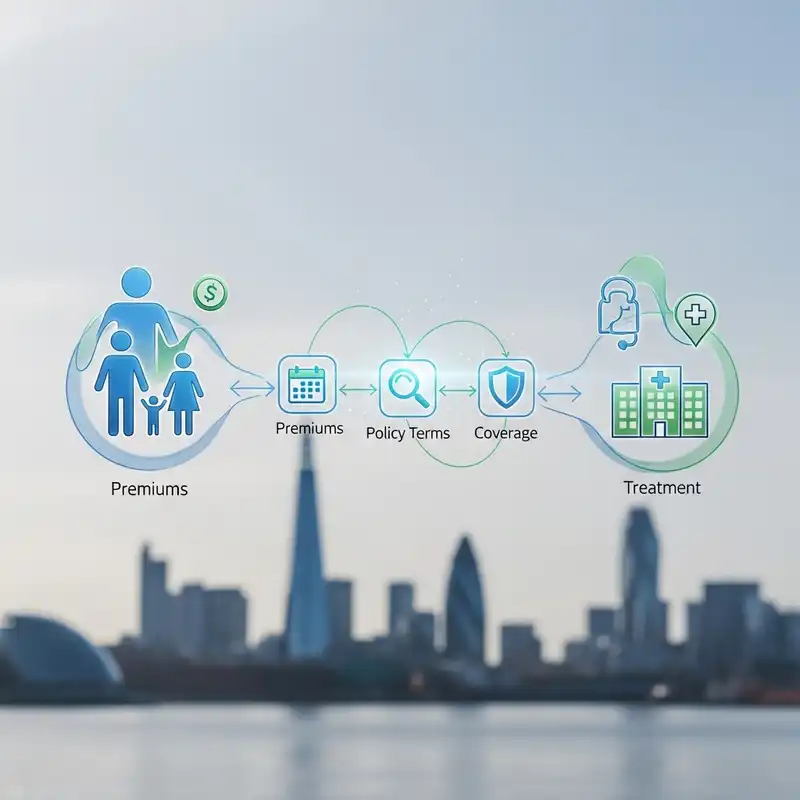
TL;DR
Recent data reveals a significant shift in the UK's private medical insurance (PMI) landscape, with the West Midlands emerging as a hotspot for growth. As an FCA-authorised broker that has helped arrange over 900,000 policies, WeCovr has analysed these trends to help you understand what they mean for your health cover.
Key takeaways
- Visit Your NHS GP: Your journey always starts with your GP. They are the gatekeepers to specialist care in both the NHS and the private sector. The NHS covers this visit.
- Get an Open Referral: If your GP agrees you need to see a specialist (in this case, an orthopaedic consultant), they will write you a referral letter. An "open referral" is best as it gives you flexibility.
- Contact Your Insurer: You call your PMI provider's claims line, explain the situation, and provide your referral details.
- Claim Authorisation: The insurer checks your policy details and authorises the claim. They will give you a pre-authorisation number and a list of approved specialists and hospitals you can use.
- Book Your Appointment: You book a consultation with a private specialist, often within days or a week or two.
Recent data reveals a significant shift in the UK's private medical insurance (PMI) landscape, with the West Midlands emerging as a hotspot for growth. As an FCA-authorised broker that has helped arrange over 900,000 policies, WeCovr has analysed these trends to help you understand what they mean for your health cover.
West Midlands Shows Highest Growth for PMI Admissions
The UK's private healthcare sector is experiencing a fascinating regional reshuffle. According to the latest 2025 analysis from the Private Healthcare Information Network (PHIN), the West Midlands has recorded a remarkable 5.2% increase in private medical insurance admissions. This surge means more people in areas like Birmingham, Coventry, and Wolverhampton are using their health insurance to access private treatment than ever before.
This growth is particularly striking when contrasted with trends in other major economic hubs. In the same period, London saw a decrease of 1.8% in PMI-funded admissions, while Yorkshire and the Humber experienced a 1.2% fall.
So, what do these numbers tell us?
- A Growing Market: The West Midlands is becoming a crucial growth area for private healthcare providers and insurers.
- Shifting Demand: The traditional dominance of London in the private healthcare market is being challenged by changing regional needs and priorities.
- Underlying Drivers: This shift isn't random. It's driven by a combination of NHS pressures, economic development, and evolving consumer behaviour in the heart of England.
This data highlights that where you live in the UK can significantly influence your experience with and need for private healthcare.
Unpacking the Reasons Behind the West Midlands' PMI Surge
The significant rise in PMI use across the West Midlands isn't down to a single cause. It's a perfect storm of local and national factors that are encouraging more individuals and businesses to invest in private health cover.
1. Intense Pressure on NHS Services
Perhaps the most significant driver is the strain on local NHS services. The West Midlands is home to some of the largest NHS trusts in the country, and like many parts of the UK, they are facing record-high waiting lists for elective procedures.
According to the latest NHS England statistics (Q2 2025), the median waiting time for consultant-led elective care in several West Midlands trusts exceeds the national average. For common procedures like hip replacements, cataract surgery, or hernia repairs, patients can face waits of over a year.
NHS Waiting List Snapshot - A Comparison (Illustrative Data)
| Procedure | Average NHS Wait Time (West Midlands) | Average Private Wait Time (via PMI) |
|---|---|---|
| Knee Arthroscopy | 45 weeks | 4 weeks |
| Cataract Surgery | 38 weeks | 3 weeks |
| Hernia Repair | 52 weeks | 5 weeks |
| Gynaecology Consultation | 25 weeks | 1 week |
Faced with the prospect of long delays, which can impact their ability to work, care for family, or simply live pain-free, many people are turning to private medical insurance as a solution. It offers them a tangible way to bypass queues and regain control over their health journey.
2. Economic Growth and a Changing Workforce
The West Midlands is no longer just the UK's industrial heartland; it's a thriving centre for professional services, technology, and finance. Major investments, including the HS2 railway project and the legacy of the 2022 Commonwealth Games in Birmingham, have attracted new businesses and skilled professionals to the region.
This economic shift has two key effects on the PMI market:
- More Employee Benefits: Companies are increasingly offering private health cover as a competitive perk to attract and retain top talent. A comprehensive benefits package is now a key differentiator in the job market.
- Increased Disposable Income: A growing population of higher-earning professionals means more individuals have the financial means to purchase private health insurance for themselves and their families.
3. Increased Supply and Visibility of Private Hospitals
Demand creates supply. In response to growing interest, private healthcare providers have been expanding their presence in the West Midlands. Major players like Circle Health Group, Spire Healthcare, and Nuffield Health have either opened new facilities or upgraded existing hospitals in and around Birmingham, Solihull, and the Black Country.
This increased visibility makes private healthcare a more accessible and obvious choice for residents. When you see a state-of-the-art private hospital on your commute, it serves as a constant reminder that an alternative to long NHS waits exists.
4. A Post-Pandemic Shift in Health Awareness
The COVID-19 pandemic fundamentally changed our relationship with health. Across the UK, people are now more proactive, more informed, and less willing to wait when a health concern arises. This heightened sense of personal responsibility for one's well-being has directly translated into greater interest in products like private medical insurance in the UK. People want the peace of mind that comes with knowing they can access specialist care quickly.
What This Regional Trend Means for Your Private Health Cover
These regional statistics are more than just numbers; they have real-world implications for anyone considering or currently holding a private health insurance policy.
For Residents of the West Midlands
- Potential for Premium Adjustments: Higher claims volumes in a region can, over time, lead insurers to adjust their pricing. This makes it more important than ever to compare the market to ensure you're getting fair value. An independent PMI broker can be invaluable here.
- Greater Choice of Facilities: The expansion of private hospitals gives you more options when you need treatment. However, it's crucial to check that your chosen policy includes your preferred local hospital in its list.
- Increased Importance of a strong fit for your needs: With more people using PMI, securing a swift appointment might still require having a policy with comprehensive out-patient cover to get you to the diagnostic stage quickly.
For Residents in London, Yorkshire, and the Humber
- A More Competitive Market? Falling admission volumes in these areas could lead to insurers offering more competitive premiums or enhanced benefits to attract new customers. It's a good time to review your existing cover or get a first-time quote.
- Different Local Priorities: The data suggests that factors like household budgets, local NHS performance in specific specialities, or a different employment landscape might be influencing decisions.
- A Reminder of PMI's Value: Even in areas with falling admissions, the core benefits of PMI—speed of access, choice of specialist, and comfort of a private room—remain powerful draws for those who can afford it.
No matter where you live, these trends underscore one key fact: the private health cover market is dynamic. Working with an expert like WeCovr ensures you get advice tailored to your local situation, not just a generic national overview.
Understanding Private Medical Insurance in the UK
If you're new to the world of private healthcare, the terminology can seem confusing. Let's break it down into simple, easy-to-understand terms.
The Golden Rule of PMI: Acute vs. Chronic Conditions
This is the most important concept to understand. Standard UK private medical insurance is designed to cover acute conditions that arise after you take out your policy.
- An acute condition is a disease, illness, or injury that is likely to respond quickly to treatment and lead to a full recovery. Examples include a joint injury requiring surgery, appendicitis, or cataracts.
- A chronic condition is an illness that persists for a long time, cannot be cured, and needs ongoing management. Examples include diabetes, asthma, high blood pressure, and arthritis.
- Pre-existing conditions are any health issues you had before your policy started. These are also not covered by standard PMI policies.
PMI is your partner for getting you back on your feet from new, unexpected health issues. Your day-to-day and long-term condition management will remain with the excellent care of the NHS.
How Does PMI Actually Work? A Step-by-Step Guide
Imagine you develop persistent knee pain that's affecting your daily life. Here’s the typical journey with PMI:
- Visit Your NHS GP: Your journey always starts with your GP. They are the gatekeepers to specialist care in both the NHS and the private sector. The NHS covers this visit.
- Get an Open Referral: If your GP agrees you need to see a specialist (in this case, an orthopaedic consultant), they will write you a referral letter. An "open referral" is best as it gives you flexibility.
- Contact Your Insurer: You call your PMI provider's claims line, explain the situation, and provide your referral details.
- Claim Authorisation: The insurer checks your policy details and authorises the claim. They will give you a pre-authorisation number and a list of approved specialists and hospitals you can use.
- Book Your Appointment: You book a consultation with a private specialist, often within days or a week or two.
- Diagnosis and Treatment: The specialist may recommend diagnostic tests like an MRI scan (which your PMI will cover). If surgery is needed, the insurer will authorise this as well, and you'll be treated quickly in a private hospital.
- Direct Settlement: The hospital and specialist will bill your insurance company directly. You only have to pay the "excess" on your policy, if you have one.
What Does a Typical PMI Policy Cover?
While policies vary, most quality plans from the best PMI providers include:
- In-patient and Day-patient Treatment: This covers costs when you are admitted to a hospital bed, including surgery, accommodation in a private room, nursing care, and specialist fees.
- Out-patient Cover: This is for consultations, diagnostic tests (like X-rays, MRI, and CT scans), and therapies that don't require a hospital stay. This is often the most variable part of a policy, with some offering full cover and others having annual financial limits (e.g., £1,000).
- Comprehensive Cancer Care: This is a cornerstone of modern PMI. It often includes access to the latest drugs and treatments, some of which may not be available on the NHS.
- Mental Health Support: Most policies now offer cover for mental health, from counselling sessions to in-patient psychiatric care, though the level of cover can vary.
- Therapies: This includes treatments like physiotherapy, osteopathy, and chiropractic care to aid your recovery.
Common Exclusions to Be Aware Of
It's just as important to know what isn't covered:
- Pre-existing and chronic conditions (as mentioned above).
- Emergency and A&E services (this is always handled by the NHS).
- Cosmetic surgery (unless it's reconstructive after an accident or eligible surgery).
- Normal pregnancy and childbirth.
- Drug and alcohol abuse treatment.
- Health issues related to risky hobbies or pursuits if not declared and agreed upon.
Choosing the Right Private Health Insurance for Your Needs
With so many options, finding a strong fit for your needs can feel overwhelming. The key is to match the cover to your personal needs and budget. A PMI broker like WeCovr can do this heavy lifting for you at no extra cost.
Here are the main factors you'll need to consider:
1. Your Level of Cover
PMI policies are generally categorised into three tiers.
| Feature | Basic Cover | Mid-Range Cover | Comprehensive Cover |
|---|---|---|---|
| Primary Focus | In-patient & Day-patient | In-patient & Limited Out-patient | Full In-patient & Out-patient |
| In-patient Care | ✅ Yes, usually full cover | ✅ Yes, full cover | ✅ Yes, full cover |
| Out-patient Cover | ❌ None, or post-op only | 💷 Capped (e.g., £500-£1,500) | ✅ Full cover |
| Cancer Care | ✅ Core cover included | ✅ Enhanced options | ✅ Full, advanced cover |
| Therapies | ❌ Usually excluded | 💷 Often included up to a limit | ✅ Generous limits or full cover |
| Ideal For | Those on a tight budget wanting cover for major procedures. | A good balance of cost and cover for most people. | Those wanting complete peace of mind and fast access for all stages of care. |
| Average Cost | £ | ££ | £££ |
2. The Type of Underwriting
This determines how the insurer deals with your past medical history.
- Moratorium Underwriting: This is the most common type. You don't have to declare your full medical history upfront. Instead, the insurer automatically excludes any condition you've had symptoms, treatment, or advice for in the last 5 years. However, if you then go 2 continuous years without any issues relating to that condition after your policy starts, it may become eligible for cover. It's simple and fast.
- Full Medical Underwriting (FMU): You complete a detailed health questionnaire when you apply. The insurer assesses your history and explicitly lists any conditions that will be permanently excluded from your policy. It takes longer but provides absolute clarity from day one about what is and isn't covered.
3. Your Hospital List
Insurers use "hospital lists" to control costs. You can often lower your premium by choosing a more restricted list.
- Local List: Includes private hospitals in your immediate area. A good budget-friendly option if you're happy to be treated locally.
- National List: Gives you access to a wide network of hospitals across the UK (excluding the most expensive ones in Central London). This is the most popular choice.
- Premium/London List: Includes the top-tier hospitals in Central London, which are often centres of excellence but come with higher price tags.
4. Policy Excess
An excess is the amount you agree to pay towards a claim each year. For example, if you have a £250 excess and your treatment costs £5,000, you pay the first £250 and the insurer pays the remaining £4,750.
Choosing a higher excess (e.g., £500 or £1,000) is one of the most effective ways to reduce your monthly premium. (illustrative estimate)
Beyond Insurance: Added Benefits for a Healthier Life
The best private medical insurance UK providers understand that health is about more than just treating illness; it's about promoting well-being. Many policies now come with a suite of added-value benefits designed to help you live a healthier, happier life.
At WeCovr, we champion this holistic approach. That's why, when you arrange your PMI policy through us, you get more than just insurance:
- Complimentary Access to CalorieHero: All our clients receive free access to our AI-powered calorie and nutrition tracking app, CalorieHero. This powerful tool helps you make smarter food choices, manage your weight, and understand your dietary habits—empowering you to take proactive control of your health.
- Discounts on Other Cover: We believe in comprehensive protection. Our PMI and life insurance clients are eligible for exclusive discounts on other policies, such as income protection or critical illness cover, helping you build a complete safety net for less.
These benefits, combined with wellness tips and guidance, help you stay healthier, reducing the likelihood you'll need to claim. Here are a few simple tips to integrate into your life:
- Balanced Diet: Use an app like CalorieHero to ensure you're getting a good mix of lean protein, complex carbohydrates, healthy fats, and plenty of fruit and vegetables.
- Prioritise Sleep: Aim for 7-9 hours of quality sleep per night. It's crucial for mental clarity, immune function, and physical recovery.
- Stay Active: The NHS recommends at least 150 minutes of moderate-intensity activity a week. Find something you enjoy, whether it's a brisk walk in a West Midlands park, a cycle along a canal, or a local fitness class.
By partnering with a broker that provides these tools, you're not just buying a policy; you're investing in a healthier lifestyle. WeCovr's high customer satisfaction ratings reflect our commitment to supporting our clients' overall well-being.
The Symbiotic Relationship Between the NHS and Private Healthcare
It's a common misconception that having PMI means you leave the NHS behind. This couldn't be further from the truth. Private healthcare in the UK is designed to work alongside the NHS, not replace it.
- The NHS is always there for emergencies. If you have a heart attack, a stroke, or are in a serious accident, you go to A&E. Your PMI policy does not cover emergencies.
- Your GP remains your first port of call. You will continue to see your NHS GP for day-to-day medical advice and referrals.
- The NHS manages chronic conditions. Your GP and NHS specialists will continue to provide ongoing care for long-term conditions like diabetes or asthma.
Think of PMI as a targeted tool. It gives you a choice to bypass waiting lists for specific, eligible treatments. In doing so, you also help the NHS by freeing up a space on the waiting list for someone who may not have the option of private care.
A Real-Life Example:
Sarah, a 45-year-old marketing manager from Solihull, was suffering from debilitating back pain. Her NHS GP referred her to a specialist, but the waiting time for an initial consultation was six months, with a further wait of over a year for potential spinal surgery. This was impacting her work and her ability to care for her two young children.
Sarah had a company PMI policy arranged through WeCovr. She contacted her insurer and was booked in to see a private spinal surgeon within a week. An MRI scan a few days later confirmed she needed a discectomy. The surgery was scheduled for two weeks later at a private hospital in Birmingham. Four weeks after her initial GP visit, Sarah was back at home, recovering and pain-free. Her use of PMI allowed her to return to her life quickly and freed up her spot on the NHS waiting list.
Frequently Asked Questions About UK Private Medical Insurance
Do I need to declare my pre-existing conditions when applying for PMI?
Can I buy private health insurance if I'm over 65?
How can a broker like WeCovr help me find the best PMI policy?
- Comparing policies from a wide range of leading UK insurers.
- Explaining complex jargon in simple terms.
- Tailoring options to your specific budget and health needs.
- Ensuring you don't pay for cover you don't need.
- Assisting you with the application process.
Is cancer treatment always included in private health insurance?
Ready to take control of your health and explore your options? The UK's private medical insurance market is complex, but the data shows a clear and growing need for timely, accessible healthcare, especially in regions like the West Midlands. You don't have to navigate this landscape alone.
Get a free, no-obligation quote from WeCovr today. Our friendly, experienced insurance specialists will help you compare leading providers and find the perfect private health cover for your peace of mind.
Sources
- NHS England: Waiting times and referral-to-treatment statistics.
- Office for National Statistics (ONS): Health, mortality, and workforce data.
- NICE: Clinical guidance and technology appraisals.
- Care Quality Commission (CQC): Provider quality and inspection reports.
- UK Health Security Agency (UKHSA): Public health surveillance reports.
- Association of British Insurers (ABI): Health and protection market publications.
Disclaimer: This is general guidance only and does not constitute formal tax or financial advice. Tax treatment depends on individual circumstances, policy terms, and HMRC interpretation, which cannot be guaranteed in advance. Whenever applicable, businesses and individuals should always consult a qualified accountant or tax adviser before arranging such policies.
Start with your Protection Score, then decide whether private health cover is the right fit
Check where health access sits in your overall protection picture before deciding whether to compare private health cover.
Spot whether NHS access risk is the real issue
See if PMI is the gap to fix first
Get health insurance help only if it makes sense for you
Get your score
Start with your protection score
Check your current position first, then get health insurance help if you need it.
Check your current resilience
Score your income, health access and family protection position in a few minutes.
See where private cover helps
Understand whether faster diagnosis and treatment is a priority gap.
Continue to tailored PMI help
If health access is the issue, continue to tailored PMI help.
What you get
A quick view of your current protection position
A clearer idea of where the biggest gaps may be
A direct route to tailored help if you want it