TL;DR
We praise it as the key to navigating a world of constant change. We invest in our physical resilience at the gym and our mental resilience through therapy, mindfulness, and self-care. These are vital pillars of a strong life.
Key takeaways
- Shorter-Term Focus: These policies are typically designed to cover you for 12 or 24 months per claim, aligning with recovery times for common injuries.
- Accident & Sickness: Often available as a combined policy or with an emphasis on accidental injury, reflecting the risks of manual work.
- Guaranteed Benefit: Instead of being linked to your income, you might choose a fixed weekly or monthly benefit (e.g., 300 per week).
- Clearing a mortgage or other major debts.
- Paying for private medical treatment or specialist care not available on the NHS.
Your Unbreakable Future the Growth Blueprint
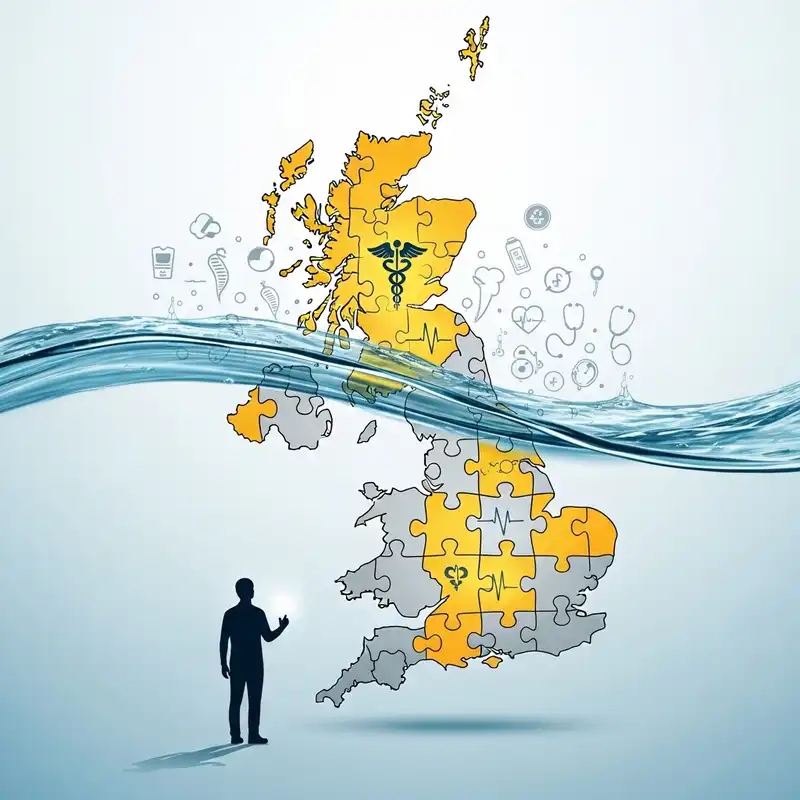
We talk a lot about resilience. We praise it as the key to navigating a world of constant change. We invest in our physical resilience at the gym and our mental resilience through therapy, mindfulness, and self-care. These are vital pillars of a strong life. But they are incomplete.
True, unshakeable resilience—the kind that allows you not just to bounce back but to continue growing—has a third, often overlooked, pillar: financial resilience.
Imagine this: you've built a career, a family, a life you're proud of. Then, a diagnosis or an accident pulls the rug from under your feet. Your physical and mental strength are tested, but what happens to your income? Your mortgage payments? Your family's lifestyle? Your business's future? Without a financial safety net, even the strongest mindset can crumble under the weight of financial stress.
The statistics paint a stark picture. Projections from Cancer Research UK for 2025 suggest a sobering reality: one in every two people in the UK will be diagnosed with cancer in their lifetime. Meanwhile, the Health and Safety Executive (HSE) reports that in 2023/24, hundreds of thousands of workers sustained non-fatal injuries, with countless more suffering from work-related ill health. For those in physically demanding jobs—our invaluable nurses, electricians, plumbers, and construction workers—the daily risks are significantly higher.
This is where the blueprint for an unbreakable future begins. It's a strategic plan that goes beyond positive thinking and prepares you for life's realities. It’s about building a fortress of financial protection around you, your family, and your business, so that when challenges arise, you have the resources and the peace of mind to focus on what truly matters: your recovery and your continued growth.
The Modern Resilience Gap: Why Savings Alone Aren't Enough
In the UK, our collective financial buffer is thinner than we'd like to believe. The Office for National Statistics (ONS) has consistently shown that a significant portion of households have little to no savings. For many, an unexpected drop in income would trigger a financial crisis within weeks, not months.
Statutory Sick Pay (SSP) offers a minimal safety net, but at just over £116 per week (2024/25 rate), it's rarely enough to cover even the most basic living costs like rent, mortgages, and utility bills.
Consider the average monthly expenses for a UK family:
| Expense | Average Monthly Cost (Approx.) |
|---|---|
| Mortgage/Rent | £1,100+ |
| Utility Bills (Gas, Elec, Water) | £250 |
| Council Tax | £175 |
| Food & Groceries | £500 |
| Transport | £200 |
| Total (Basic) | £2,225+ |
When you compare this to a monthly income from SSP of around £500, the gap is alarming. This is the modern resilience gap. It's the chasm between our assumed ability to cope and the harsh financial reality of long-term illness or injury.
This is why a proactive strategy is not a luxury; it's a necessity for anyone who wants to secure their future.
The Cornerstone of Your Financial Fortress: Income Protection
If you could only choose one policy to protect your financial wellbeing, it would be Income Protection (IP). It is arguably the most fundamental form of financial resilience.
What is Income Protection?
Income Protection is a long-term insurance policy designed to provide you with a regular, tax-free replacement income if you are unable to work due to any illness or injury. Unlike other policies that pay out for specific conditions, IP covers you for almost any medical reason that stops you from doing your job.
It pays out after a pre-agreed waiting period (known as the 'deferred period'), which can range from one week to 12 months, and continues to pay until you can return to work, the policy term ends, or you retire—whichever comes first.
Who is Income Protection for?
Simply put, it's for anyone whose lifestyle depends on their income. This is especially critical for:
- The Self-Employed and Freelancers: You have no employer sick pay to fall back on. If you don't work, you don't earn. IP acts as your personal sick pay scheme.
- Company Directors: While you may have control over your company's finances, paying yourself a full salary during a long-term absence could put the business under immense strain.
- Employees with Limited Sick Pay: Many employer schemes only cover full pay for a few weeks or months. IP kicks in when your employer's support runs out.
- High-Risk Professions: While the risk of an accident might be higher, IP covers you for illness too, which is statistically a far more common reason for long-term absence.
Key Features of Income Protection:
| Feature | Description | Why It Matters |
|---|---|---|
| Benefit Amount | Typically 50-70% of your gross annual income. | Provides a substantial income to cover your core living expenses. |
| Deferred Period | The waiting time before payments start (e.g., 4, 13, 26 weeks). | You can align this with your savings or employer sick pay to reduce premiums. |
| Payment Term | How long the policy will pay out for (e.g., 2 years, 5 years, or until retirement). | A 'full term' policy offers the most comprehensive protection. |
| Definition of Incapacity | Defines when you can claim. 'Own Occupation' is the gold standard. | 'Own Occupation' means you can claim if you can't do your specific job, even if you could do another. |
An expert broker, like us at WeCovr, can help you navigate these options, comparing policies from leading UK insurers to find the definition, deferred period, and benefit level that perfectly matches your personal and professional circumstances.
Specialised Cover for Hands-On Professionals: Personal Sick Pay
For some, particularly those in the trades—electricians, plumbers, builders—or other physically demanding roles like nurses, a slightly different type of cover might be more suitable: Personal Sick Pay insurance.
While it operates on a similar principle to Income Protection, it's often structured differently:
- Shorter-Term Focus: These policies are typically designed to cover you for 12 or 24 months per claim, aligning with recovery times for common injuries.
- Accident & Sickness: Often available as a combined policy or with an emphasis on accidental injury, reflecting the risks of manual work.
- Guaranteed Benefit: Instead of being linked to your income, you might choose a fixed weekly or monthly benefit (e.g., £300 per week).
This can be a more straightforward and affordable option for those who want to ensure their immediate bills are covered during a period of recovery from an accident or short-term illness, without committing to a long-term policy that runs until retirement.
Facing a Serious Diagnosis Head-On: Critical Illness Cover
Remember the statistic: 1 in 2 of us will face a cancer diagnosis. Add to that the prevalence of heart attacks and strokes, and the need for a different kind of financial tool becomes clear. This is where Critical Illness Cover (CIC) comes in. (illustrative estimate)
What is Critical Illness Cover?
CIC pays out a tax-free lump sum if you are diagnosed with one of a list of specified serious medical conditions. Unlike Income Protection, it's not linked to your ability to work. You receive the money simply by meeting the definition of the illness on your policy.
How can the lump sum be used?
The power of CIC is its flexibility. The lump sum is yours to use as you see fit, providing financial breathing space at a time of immense stress. Common uses include:
- Clearing a mortgage or other major debts.
- Paying for private medical treatment or specialist care not available on the NHS.
- Adapting your home (e.g., installing a ramp or stairlift).
- Replacing a lost income for you or a partner who takes time off to care for you.
- Funding a recuperative holiday or simply taking time to recover without financial worry.
What does it cover?
While policies vary, most comprehensive plans from major UK insurers will cover dozens of conditions. The "big three" are always included:
- Cancer (of a specified severity)
- Heart Attack (of a specified severity)
- Stroke
Other commonly covered conditions include Multiple Sclerosis, major organ transplant, kidney failure, and permanent paralysis. Some policies also make smaller, partial payments for less severe conditions.
| Condition Group | Examples of Covered Illnesses |
|---|---|
| Cancer | Invasive Cancers, Carcinoma in Situ |
| Heart & Circulatory | Heart Attack, Stroke, Coronary Artery Bypass Surgery |
| Neurological | Multiple Sclerosis, Parkinson's Disease, Motor Neurone Disease |
| Other Major Conditions | Major Organ Transplant, Kidney Failure, Third-Degree Burns |
Understanding the definitions and the number of conditions covered is vital. Working with a specialist can ensure you get a policy that offers broad and relevant protection.
Securing Your Family's Legacy: Life Cover and Family Income Benefit
The ultimate act of financial resilience is ensuring that your loved ones are protected even after you're gone. This is the role of life insurance, which comes in two main forms.
1. Traditional Life Cover (Lump Sum)
This is the most well-known type of cover. It pays out a single, tax-free lump sum to your beneficiaries upon your death. It's designed to handle major financial obligations.
- Decreasing Term Assurance: The payout amount reduces over time, typically in line with a repayment mortgage. It's a cost-effective way to ensure your biggest debt is cleared.
- Level Term Assurance: The payout amount remains fixed throughout the policy term. This is ideal for covering an interest-only mortgage, providing a set inheritance, or covering future costs like university fees.
- Whole of Life Cover: This policy has no end date. It's guaranteed to pay out whenever you die, making it a powerful tool for covering a guaranteed liability like an Inheritance Tax (IHT) bill.
2. Family Income Benefit (Regular Income)
A less-known but incredibly practical alternative is Family Income Benefit (FIB). Instead of a large lump sum, FIB pays out a regular, tax-free monthly or annual income to your family, from the point of claim until the policy's end date.
Why choose Family Income Benefit?
Imagine your partner, while grieving, suddenly receives a £500,000 lump sum. They would need to manage and invest that money wisely to make it last. FIB removes that pressure. It replaces your lost monthly income directly, making budgeting simple and secure. It feels like a salary, providing stability during an emotional time. (illustrative estimate)
Lump Sum vs. Regular Income: A Comparison
| Feature | Life Cover (Lump Sum) | Family Income Benefit (Income Stream) |
|---|---|---|
| Payout | Single, large tax-free payment. | Regular, tax-free monthly/annual payments. |
| Purpose | Clearing large debts (e.g., mortgage), providing a large inheritance. | Replacing lost monthly income, covering day-to-day living costs. |
| Management | Beneficiary must manage and invest the large sum. | Simple, easy-to-manage monthly budget. |
| Cost | Can be more expensive for a large sum insured. | Often significantly more affordable for the same level of protection. |
For young families, a combination can be ideal: a decreasing term policy to clear the mortgage and a Family Income Benefit policy to cover the monthly bills until the children are financially independent.
Beyond the Individual: Protection for Business Owners & Directors
If you run your own business, your personal resilience and the resilience of your company are intrinsically linked. A personal health crisis can quickly become a business crisis. Specialised insurance products exist to protect against this.
Key Person Insurance
Who in your business is indispensable? A star salesperson? A technical genius? You? Key Person Insurance is a policy taken out by the business on the life or health of a crucial employee.
If that person dies or suffers a critical illness, the policy pays a lump sum directly to the business. This money can be used to:
- Recruit and train a replacement.
- Cover lost profits during the disruption.
- Reassure lenders and investors.
- Clear business loans that the key person may have guaranteed.
It’s a business continuity plan in the form of an insurance policy.
Executive Income Protection
This is a tax-efficient way for a limited company to provide Income Protection for its directors and employees. The key difference is that the company pays the premiums, not the individual.
The benefits are significant:
- For the Company: The premiums are typically treated as an allowable business expense, reducing the company's corporation tax bill.
- For the Employee/Director: It's not usually treated as a P11D benefit-in-kind, so there's no personal tax to pay on the premiums. If a claim is made, the benefit is paid to the company, which then pays it to the employee via PAYE, taxed as normal income.
This is a highly effective way to attract and retain top talent while building a robust layer of protection for the company's most valuable assets: its people.
Strategic Wealth Preservation: Gift Inter Vivos & Inheritance Tax
For those with significant assets, building a resilient future also means planning for an efficient transfer of wealth. Inheritance Tax (IHT) can significantly erode the legacy you leave behind.
One common IHT planning strategy is to gift assets during your lifetime. However, under the 7-year rule, if you die within seven years of making a large gift, it may still be subject to IHT. This creates uncertainty and a potential tax liability for the recipient of the gift.
This is where a Gift Inter Vivos policy comes in.
It's a specialised type of life insurance policy designed to pay out a sum that covers the potential IHT liability on a gift. The cover amount decreases over the seven years, in line with the tapering relief offered by HMRC. If the donor dies within the 7-year window, the policy pays out, and the recipient can use the funds to settle the tax bill, ensuring they receive the full value of the gift as intended.
It’s a smart, simple way to remove the 7-year gamble from your estate planning.
Accelerating Your Recovery: The Power of Private Medical Insurance
The protection policies we've discussed provide the financial resources to weather a storm. Private Medical Insurance (PMI), however, can help you avoid the worst of the storm altogether.
With NHS waiting lists remaining a significant concern, PMI provides a direct path to faster diagnosis and treatment. This has two profound benefits for your overall resilience:
- Better Health Outcomes: Early diagnosis and prompt treatment can dramatically improve the prognosis for many conditions, including cancer.
- Reduced Financial Impact: The sooner you are diagnosed and treated, the sooner you can get back to work. This can shorten or even prevent a claim on your Income Protection policy, preserving your financial stability.
PMI is the complementary piece of the puzzle. It doesn't replace your income, but by giving you rapid access to the best care, it minimises the health-related disruption to your life and career.
As part of our commitment to holistic wellbeing at WeCovr, we believe in empowering our clients not just financially, but with their health too. That's why we provide our protection and PMI clients with complimentary access to CalorieHero, our AI-powered calorie and nutrition tracking app. It's a small but powerful tool to help you stay on top of your health, reinforcing the proactive mindset that is key to an unbreakable future.
Building Your Blueprint: How to Weave It All Together
No single policy is a silver bullet. True financial resilience comes from weaving together a bespoke portfolio of protection that matches your unique circumstances.
Let's look at two examples:
Case Study 1: Sarah, a 35-year-old self-employed electrician, married with two young children.
- Income Protection: Essential. An 'own occupation' policy running until age 67 ensures her income is safe from any illness or injury.
- Critical Illness Cover (illustrative): A lump sum policy of £100,000 would provide a buffer to cover costs and allow her husband to take time off work if she became seriously ill.
- Family Income Benefit (illustrative): A policy to pay out £2,500 a month until her youngest child turns 21. This replaces her income for her family in a manageable way if she were to pass away.
- Personal Sick Pay: As an alternative or supplement, a short-term policy could provide rapid cover for a common injury, with a deferred period of just one or two weeks.
Case Study 2: David, a 45-year-old company director, with a business partner and a large mortgage.
- Executive Income Protection: The company pays for his IP, making it tax-efficient and protecting both him and the business.
- Key Person Insurance: The business takes out a policy on both David and his partner. If one of them were to die or become critically ill, the company receives funds to ensure business continuity.
- Life Cover: A joint Level Term policy with his wife to provide a lump sum to clear their remaining mortgage and provide an inheritance for their children.
- Private Medical Insurance: To ensure he gets fast access to treatment, minimising his time away from the business he has built.
Navigating these choices can seem complex. This is the value of independent, expert advice. At WeCovr, our role is to be your architect. We listen to your story, understand your goals, and analyse your circumstances. We then search the entire UK market to design a protection blueprint that is robust, affordable, and perfectly tailored to you.
Beyond Insurance: Habits for a Holistically Resilient Life
While financial protection is the foundation, your daily habits are the bricks and mortar. An unbreakable future is supported by:
- Mindful Nutrition: A balanced diet rich in whole foods is proven to reduce the risk of many chronic illnesses.
- Consistent Movement: Regular physical activity, whether it's walking, cycling, or weight training, boosts both physical and mental health.
- Prioritised Sleep: Quality sleep is non-negotiable for cognitive function, immune response, and emotional regulation. Aim for 7-9 hours per night.
- Stress Management: Chronic stress is a silent threat. Incorporate practices like mindfulness, time in nature, or hobbies that bring you joy to keep stress levels in check.
Building an unbreakable future is an active, ongoing process. It’s about taking control of the controllables. You can control your lifestyle habits, and you can control how prepared you are for the uncontrollable. By combining a resilient mindset, healthy habits, and a bespoke fortress of financial protection, you create a blueprint for a life where you don't just survive challenges—you thrive through them.
Do I really need all these different types of insurance cover?
Isn't this kind of protection incredibly expensive?
Can I get cover if I have a pre-existing medical condition?
What is the difference between 'Own Occupation' and other definitions of incapacity for Income Protection?
- Own Occupation: This is the best definition. The policy will pay out if you are unable to perform your specific job. For example, a surgeon who injures their hand and can no longer operate would be covered, even if they could still work as a lecturer.
- Suited Occupation: The policy pays out if you can't do your own job or any other job you are reasonably suited to by education, training, or experience.
- Any Occupation / Work Tasks: This is the most restrictive definition. The policy will only pay out if you are so ill or injured that you are unable to perform any job at all.
Should I put my life insurance policy in trust?
Sources
- Office for National Statistics (ONS): Mortality and population data.
- Association of British Insurers (ABI): Life and protection market publications.
- MoneyHelper (MaPS): Consumer guidance on life insurance.
- NHS: Health information and screening guidance.
Disclaimer: This is general guidance only and does not constitute formal tax or financial advice. Tax treatment depends on individual circumstances, policy terms, and HMRC interpretation, which cannot be guaranteed in advance. Whenever applicable, businesses and individuals should always consult a qualified accountant or tax adviser before arranging such policies.
Measure your family’s protection gap, then get the right life cover quote
Start with the score to see whether your family would face a real financial shortfall before moving on to life cover options.
Check what happens if someone dies too soon
See whether debt, dependants and mortgage risk are covered
Move into tailored life cover options after the score
Get your score
Your next best move
Get your score in minutes, then decide what kind of protection help would be most useful.
Score your household protection
See how well your current setup protects dependants, debt and major commitments.
Find the shortfall
Know whether life cover, critical illness or income protection is the actual missing piece.
Continue to tailored life cover
If life cover is the gap, continue to tailored life cover options.
What you get
A quick view of your current protection position
A clearer idea of where the biggest gaps may be
A direct route to tailored help if you want it