TL;DR
As an FCA-authorised expert broker, WeCovr helps UK drivers navigate the complex world of motor insurance. With a deep understanding of the market, we provide clear, authoritative guidance to ensure you find the best vehicle cover, whether for your personal car, business van, or entire commercial fleet.
Key takeaways
- Astronomical Repair Costs: The ABI reports that the average repair cost for an EV is now 25% higher than for an equivalent internal combustion engine (ICE) vehicle. Even a minor bump that would be a simple panel-beating job on a petrol car can involve complex sensor recalibration and specialist procedures on an EV, dramatically increasing the labour and parts bill.
- The Battery Dilemma: The lithium-ion battery is the heart of an EV and its most expensive component. Damage to the battery pack or its housing, even from a seemingly minor scrape underneath the car, can be catastrophic. Many manufacturers have strict repair protocols that often lead to the entire battery pack being replaced – a cost that can exceed £15,000 to £20,000. In many cases, this makes the vehicle an economic write-off, even with minimal visible damage.
- Specialist Skills Shortage: Repairing an EV is not a job for a general mechanic. It requires technicians with specific qualifications to work safely with high-voltage systems. The UK currently has a significant shortage of these specialists. This skills gap means longer waiting times for repairs and higher labour charges, both of which increase the cost of an insurance claim.
- Heavier and More Powerful: EVs are typically 20-30% heavier than their ICE counterparts due to the battery pack. They also deliver instant torque, leading to rapid acceleration. Insurers' data is beginning to show that this combination can lead to more significant impacts in collisions, both for the EV itself and for third-party vehicles and property.
- The Diagnosis: The car was taken to a Tesla-approved repair centre. The technician's first job was to inspect the battery pack housing for any deformation or damage, as this is a structural part of the car.
As an FCA-authorised expert broker, WeCovr helps UK drivers navigate the complex world of motor insurance. With a deep understanding of the market, we provide clear, authoritative guidance to ensure you find the best vehicle cover, whether for your personal car, business van, or entire commercial fleet.
Electric Car Insurance Shock
The electric vehicle (EV) revolution was meant to usher in an era of cheaper, cleaner, and simpler motoring. Yet, for a growing number of UK drivers, the reality in 2025 is a sharp financial shock. Alarming new data reveals a perfect storm of soaring insurance premiums, eye-watering repair bills, and hidden ownership costs that are making the switch to electric a costly endeavour.
According to a comprehensive 2025 market analysis by the RAC, over one in four (27%) of UK EV owners are now paying annual insurance premiums exceeding £1,500. This is not just a minor adjustment; it represents a significant financial burden that many early adopters did not anticipate. This premium surge, coupled with other unforeseen expenses, is creating a potential lifetime financial strain of over £5,000 compared to traditional petrol or diesel cars.
This article unpacks the critical reasons behind the EV insurance crisis, reveals the hidden costs you must be aware of, and provides a clear, actionable guide to help you find affordable, comprehensive motor insurance that truly protects your electric future.
The £1,500 Elephant in the Room: Why Are EV Insurance Premiums Soaring?
The dream of lower running costs is a key reason drivers switch to electric. While you may save on fuel and road tax (for now), insurers are looking at a different set of numbers. The data they see is painting a picture of higher risk and greater expense, which is being passed directly on to you, the policyholder.
Analysis from the Association of British Insurers (ABI) in early 2025 highlights several core factors driving this trend:
- Astronomical Repair Costs: The ABI reports that the average repair cost for an EV is now 25% higher than for an equivalent internal combustion engine (ICE) vehicle. Even a minor bump that would be a simple panel-beating job on a petrol car can involve complex sensor recalibration and specialist procedures on an EV, dramatically increasing the labour and parts bill.
- The Battery Dilemma: The lithium-ion battery is the heart of an EV and its most expensive component. Damage to the battery pack or its housing, even from a seemingly minor scrape underneath the car, can be catastrophic. Many manufacturers have strict repair protocols that often lead to the entire battery pack being replaced – a cost that can exceed £15,000 to £20,000. In many cases, this makes the vehicle an economic write-off, even with minimal visible damage.
- Specialist Skills Shortage: Repairing an EV is not a job for a general mechanic. It requires technicians with specific qualifications to work safely with high-voltage systems. The UK currently has a significant shortage of these specialists. This skills gap means longer waiting times for repairs and higher labour charges, both of which increase the cost of an insurance claim.
- Heavier and More Powerful: EVs are typically 20-30% heavier than their ICE counterparts due to the battery pack. They also deliver instant torque, leading to rapid acceleration. Insurers' data is beginning to show that this combination can lead to more significant impacts in collisions, both for the EV itself and for third-party vehicles and property.
These factors combine to create a higher-risk profile for EVs in the eyes of insurers, leading directly to the £1,500+ premiums that are becoming increasingly common. (illustrative estimate)
Beyond the Premium: Uncovering the Hidden Costs of EV Ownership
The annual insurance premium is only part of the story. A true understanding of the cost of "going green" requires looking at the entire ownership lifecycle. The promised savings can be quickly eroded by a series of hidden expenses.
The £5,000+ Lifetime Financial Strain
Let's break down how these costs can accumulate over an average 8-year ownership period, creating that potential £5,000+ financial strain.
| Cost Factor | Average EV (8-Year Total) | Equivalent Petrol Car (8-Year Total) | The "Green" Strain |
|---|---|---|---|
| Insurance Premiums | £9,600 (£1,200/year avg.) | £5,200 (£650/year avg.) | +£4,400 |
| Tyre Replacement | £1,600 (2 sets) | £1,000 (2 sets) | +£600 |
| Specialist Servicing | £1,200 | £2,000 | -£800 |
| Home Charger Install | £900 (one-off) | £0 | +£900 |
| Total Additional Cost | £13,300 | £8,200 | +£5,100 |
Note: Figures are illustrative estimates based on 2025 market data. Fuel/energy savings are excluded to isolate specific ownership costs but can significantly offset this strain depending on mileage and energy prices.
Key Hidden Costs Explained:
- Accelerated Tyre Wear: Due to their extra weight and instant torque, EVs wear through their tyres faster than ICE cars. Not only that, they often require specialist tyres designed to handle the weight and reduce road noise, which come at a premium price.
- The "Write-Off" Risk: As mentioned, a minor accident can lead to a total write-off. If your motor policy only pays out the "market value" of your car at the time of the accident, you could be left significantly out of pocket, especially if you have outstanding finance.
- Charging Cable Conundrums (illustrative): A charging cable is an essential and expensive accessory, often costing £300-£500 to replace. If it's stolen from your driveway or damaged at a public charger, is it covered by your insurance? Some basic policies exclude this, leaving you with another unexpected bill.
Understanding Your Motor Insurance UK Policy: The Legal Essentials
In the UK, it is a legal requirement under the Road Traffic Act 1988 to have at least a basic level of motor insurance for any vehicle used or kept on public roads. Failing to do so can result in unlimited fines, penalty points on your licence, and even having your vehicle seized and destroyed.
It's crucial to understand the different levels of cover available.
The Three Main Levels of Cover
| Cover Type | What It Covers (You) | What It Covers (Others) | Ideal For |
|---|---|---|---|
| Third-Party Only (TPO) | Nothing. No cover for damage to your own car. | Injuries to other people and damage to their property/vehicle. The legal minimum. | Very few drivers. Often not the cheapest option anymore. |
| Third-Party, Fire & Theft (TPFT) | Your car if it's stolen or damaged by fire. | Same as TPO: injuries to others and damage to their property. | Owners of older, lower-value cars where accidental damage repair costs would be uneconomical. |
| Comprehensive | Fullest cover. Damage to your own car, even if the accident was your fault. | Same as TPO: injuries to others and damage to their property. | Almost all drivers, especially for new, valuable, or financed vehicles like most EVs. |
Business and Fleet Insurance Obligations
If you use your vehicle for work—even for simple commuting—you need to ensure you have the correct class of use on your policy. For businesses running multiple vehicles, a dedicated fleet insurance policy is essential. This consolidates all vehicles under one policy, simplifying administration and often providing cost benefits. Fleet policies must meet the same legal minimums but can be tailored with specific cover for goods in transit, public liability, and different driver profiles.
Decoding Your Insurance Quote: Key Factors Influencing Your Premium
An insurance premium isn't just a random number. It's a highly calculated risk assessment based on a wide range of factors. Understanding these can empower you to make smarter choices.
- The Driver: Your age, postcode, occupation, driving history (including any claims or convictions), and how long you've held your licence are all critical.
- The Vehicle: The make, model, value, power (0-60 time), and, crucially, its insurance group rating (1-50). EVs often fall into higher insurance groups due to their repair costs and performance.
- No-Claims Bonus (NCB): Sometimes called a no-claims discount, this is a valuable reward for claim-free driving. Each consecutive year without a claim adds to your discount, which can slash premiums by up to 70% or more. Making a claim, even a small one, can significantly reduce or wipe out your NCB.
- The Excess: This is the amount you agree to pay towards any claim. It's made up of two parts:
- Compulsory Excess: A fixed amount set by the insurer.
- Voluntary Excess: An additional amount you choose to pay. A higher voluntary excess signals to the insurer that you won't make small, trivial claims, which can lower your premium. However, you must be able to afford this amount if you need to claim.
- Optional Extras: These add-ons can provide valuable peace of mind but will increase your premium. Common extras include:
- Breakdown Cover: Essential for any driver.
- Motor Legal Protection: Covers legal costs if you're involved in a non-fault accident and need to recover uninsured losses.
- Courtesy Car: Vital, but for EV owners, you must check if the policy guarantees an electric courtesy car. Being given a small petrol hatchback for weeks while your EV is repaired is a major inconvenience.
The Anatomy of an EV Repair: Why a Minor Bump Can Lead to a Major Bill
To truly grasp the insurance challenge, you need to understand what happens after an EV has an accident. It's a world away from a traditional body shop repair.
Case Study: The Kerbed Tesla
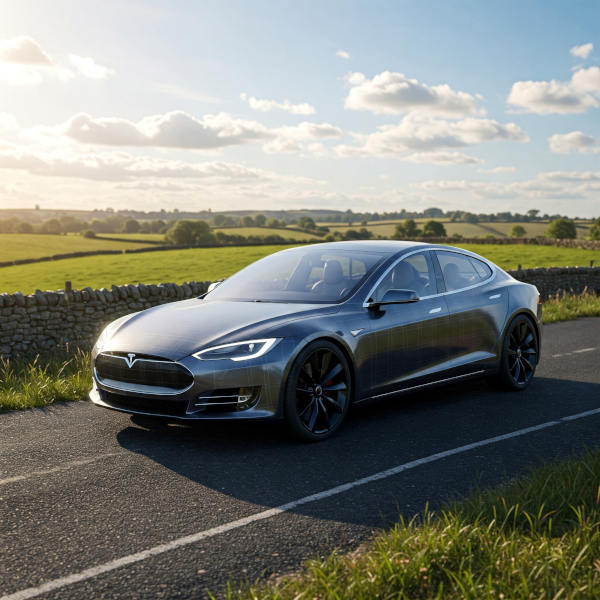
A driver in London misjudged a tight turn and scraped the underside of their Tesla Model 3 on a high kerb. The visible damage was minimal—just a few scratches on the plastic under-tray.
- The Diagnosis: The car was taken to a Tesla-approved repair centre. The technician's first job was to inspect the battery pack housing for any deformation or damage, as this is a structural part of the car.
- The Protocol: Tesla's official procedure dictates that any damage to the high-voltage battery enclosure, no matter how small, requires the entire pack to be replaced. This is a safety-critical protocol to eliminate any risk of a future thermal event (fire).
- The Bill (illustrative): The cost of a new battery pack was over £16,000. Labour to safely remove the old pack and install the new one, plus recalibrating all associated systems, added another £3,000.
- The Outcome (illustrative): The total repair bill of £19,000 was more than the car's market value at the time. The insurer declared the vehicle an economic write-off. The owner received a payout, but it was a stressful and shocking outcome from a low-speed kerb strike.
This scenario is playing out across the UK with various EV makes and models. The complex electronics, integrated sensors for driver-assist systems, and the overriding importance of battery integrity mean that "minor" accidents are becoming major insurance events.
How WeCovr Can Help You Navigate the EV Insurance Maze
The EV insurance market is volatile and complex. Prices can vary by hundreds, even thousands, of pounds between different providers for the exact same driver and vehicle. Simply renewing with your current provider or using a single comparison site is no longer enough to guarantee a fair price.
This is where an expert, independent broker like WeCovr becomes your most powerful tool.
As an FCA-authorised insurance broker, WeCovr works for you, not the insurance companies. Our service is provided at no cost to you. Here's how we help:
- Access to Specialist Insurers: We have access to a wide panel of UK insurers, including specialist providers who truly understand the EV market and have priced their products accordingly. Many of these specialists are not available on mainstream comparison websites.
- Tailored Policy Expertise: We don't just find the cheapest price; we find the right policy. We ensure your cover includes crucial elements like battery cover, charging cable protection, and options for a guaranteed EV courtesy car.
- Navigating the Jargon: Our experts speak your language. We can explain the difference between market value and agreed value cover, the implications of protecting your No-Claims Bonus, and help you set an excess that works for your budget.
- High Customer Satisfaction: Our focus on clear communication and finding the right fit for our clients has earned us consistently high ratings on customer review platforms. We've helped over 900,000 policyholders find the right cover, and our expertise extends from private cars to complex commercial fleet insurance.
- Bundled Discounts: When you arrange your motor policy through WeCovr, you may also be eligible for exclusive discounts on other insurance products, such as home or life insurance, providing even greater value.
Practical Tips to Lower Your EV Insurance Premium in 2025
While the market is challenging, you are not powerless. There are several proactive steps you can take to secure the best car insurance provider and lower your annual premium.
- Shop Around with a Broker: This is the single most effective tip. Using an expert broker like WeCovr gives you the widest possible view of the market.
- Pay Annually: If you can afford to, paying your premium in one lump sum avoids interest charges that can add 10-20% to the total cost.
- Increase Your Voluntary Excess: Carefully consider how much you could afford to pay in the event of a claim. Increasing your voluntary excess from £250 to £500, for example, can lead to a noticeable premium reduction.
- Enhance Your Security: Fitting a Thatcham-approved alarm, immobiliser, or tracking device can earn you a discount from many insurers. Parking in a garage or on a private driveway overnight is also seen as lower risk than parking on the street.
- Consider a Telematics Policy: Also known as "black box" insurance, these policies monitor your driving style (speed, acceleration, braking, time of day). Good driving is rewarded with lower premiums, making them a great option for careful drivers.
- Choose Your Next EV Wisely: Before you buy, check the insurance group of the model you're considering. A less powerful model in a lower insurance group will be significantly cheaper to insure.
- Build and Protect Your NCB: Drive carefully to build your No-Claims Bonus. If you have a high NCB (e.g., 5+ years), consider paying a small extra fee to protect it. This allows you to make one or two claims within a set period without losing your entire discount.
Fleet Management Focus: Electrifying Your Fleet Without Breaking the Bank
For business owners and fleet managers, the challenges of EV insurance are magnified across multiple vehicles. The potential cost of having several vehicles off the road waiting for specialist repairs can be devastating for business operations.
Key Strategies for Electric Fleet Insurance:
- Implement a Robust Risk Management Programme: This should include regular driver training, focusing on the specific characteristics of EVs like regenerative braking and instant acceleration.
- Utilise Fleet Telematics: Go beyond simple tracking. Modern telematics can monitor driver behaviour, vehicle health, and battery status, providing invaluable data to prove your fleet's low-risk profile to insurers.
- Establish Clear Accident Protocols: Ensure drivers know exactly what to do in an accident to capture all necessary third-party details and evidence. This helps defend against fraudulent or inflated claims.
- Partner with a Specialist Fleet Broker: Standard business insurers may not have the appetite or expertise for an electric fleet. A broker like WeCovr can connect you with fleet insurance specialists who offer tailored policies that cover vehicle downtime, specialist repair networks, and liability for charging equipment.
Transitioning a fleet to electric requires a parallel transition in your insurance strategy. Proactive management is the key to controlling costs and ensuring business continuity.
Is my expensive EV battery covered by a standard comprehensive motor insurance policy?
Do I need to tell my insurer that I have installed a home charging point?
Will making a claim for a stolen or damaged charging cable affect my No-Claims Bonus (NCB)?
The road to an electric future has hit a significant financial bump. With soaring premiums and hidden costs, securing the right motor insurance UK policy is no longer a simple task—it's an essential part of protecting your investment. Don't let your green ambitions lead to financial strain. Take control by understanding the risks and partnering with an expert who can navigate the market for you.
Ready to find out if you're overpaying? Get a free, no-obligation quote from WeCovr today and let our experts find you the best EV insurance deal from our panel of specialist UK providers.
Sources
- Department for Transport (DfT): Road safety and transport statistics.
- DVLA / DVSA: UK vehicle and driving regulatory guidance.
- Association of British Insurers (ABI): Motor insurance market and claims publications.
- Financial Conduct Authority (FCA): Insurance conduct and consumer information guidance.