TL;DR
As an FCA-authorised expert broker that has helped arrange over 900,000 policies, WeCovr understands that finding affordable motor insurance in the UK is a top priority for drivers. With premiums reflecting economic pressures and repair costs, choosing the right car is the single most powerful step you can take to lower your annual spend.
Key takeaways
- Pay Annually: Paying for your insurance in one go avoids interest charges that are applied to monthly payment plans.
- Increase Your Voluntary Excess: As discussed, offering to pay a bit more towards a claim can reduce your premium. Just ensure it's an affordable amount.
- Use an Expert Broker: A broker like WeCovr does the hard work for you. We compare policies from a wide panel of leading UK insurers to find the best car insurance provider for your specific needs, at no extra cost to you.
- Build and Protect Your No-Claims Bonus: Drive carefully. Your NCB is your golden ticket to cheaper insurance. Consider paying a small extra fee to protect it once you have several years built up.
- Limit Modifications: Alloy wheels, body kits, and engine tuning all increase your premium. Keep your car standard for the lowest rates.
As an FCA-authorised expert broker that has helped arrange over 900,000 policies, WeCovr understands that finding affordable motor insurance in the UK is a top priority for drivers. With premiums reflecting economic pressures and repair costs, choosing the right car is the single most powerful step you can take to lower your annual spend.
WeCovr lists the most affordable models to insure this year
This definitive 2026 guide cuts through the noise. We will break down which cars sit in the lowest insurance groups, explain the system that governs your premium, and provide actionable advice for private drivers, families, and business fleet managers alike. Let's get you on the road for less.
Understanding the Car Insurance Group System (1-50)
Before we reveal the most affordable models, it’s crucial to understand why some cars are cheaper to insure than others. In the UK, insurers use a system managed by the Thatcham Research centre on behalf of the Association of British Insurers (ABI). Nearly every new car is assigned an insurance group rating from 1 (the cheapest) to 50 (the most expensive).
Several key factors determine a car's group:
- New Car Value: Cheaper cars are generally less expensive to replace if written off.
- Cost of Parts: The price of standard replacement parts is a huge factor. A bumper for a Dacia will be far cheaper than one for a Porsche.
- Repair Times: The complexity and time required to fix common accident damage are assessed. Simpler cars are quicker (and cheaper) to repair.
- Performance: High-performance cars with rapid acceleration and top speeds fall into higher groups due to the increased risk of a serious accident.
- Safety & Security: Cars fitted with advanced safety features like Autonomous Emergency Braking (AEB), effective alarms, and immobilisers can be placed in a lower group.
As a driver, your goal is to find a vehicle in the lowest possible group that still meets your needs. A car in Group 1 or 2 will almost always be significantly cheaper to insure than one in Group 15 or 20, assuming all other driver details are the same.
The Top 10 Cheapest Cars to Insure in the UK for 2026
Here is our expert list of the standout models for 2026 that combine low insurance group ratings with reliability, practicality, and modern features.
1. Volkswagen Polo (Life Trim)
Insurance Group: 1
A perennial favourite for new and experienced drivers, the Volkswagen Polo offers a premium feel without the premium insurance cost. The entry-level 1.0-litre 80PS engine in 'Life' trim qualifies for the coveted Group 1 rating, making it one of the most affordable cars on the road to insure. It’s a superb all-rounder, comfortable on the motorway and nimble in the city.
| Pros | Cons |
|---|---|
| Superb build quality and refined interior | Higher purchase price than some rivals |
| Excellent safety features as standard | Base model engine is not powerful |
| Strong resale values | Can feel a little conservative |
2. Skoda Fabia (SE Comfort Trim)
Insurance Group: 2
Sharing its platform and engineering with the VW Polo, the Skoda Fabia offers much of the same quality and practicality but often at a lower purchase price. The 1.0 MPI 80PS engine in SE Comfort specification sits in Group 2. It boasts a huge boot for a supermini and a spacious cabin, making it a brilliant choice for young families on a budget.
| Pros | Cons |
|---|---|
| Class-leading boot space and practicality | Interior plastics are not as premium as the Polo's |
| Excellent value for money | Styling is safe rather than exciting |
| Comfortable ride and easy to drive | Infotainment in base models is basic |
3. Hyundai i10 (Advance Trim)
Insurance Group: 3
The Hyundai i10 is a city car that feels a class above. It's surprisingly spacious, packed with technology, and comes with Hyundai’s excellent five-year warranty. The 1.0-litre 67PS petrol engine in the 'Advance' trim is a perfect example of a low-risk vehicle, placing it in a very affordable insurance group. It's an ideal first car or a reliable city runabout.
| Pros | Cons |
|---|---|
| Generous standard equipment levels | Small boot limits its practicality |
| High-quality cabin for a city car | Engine can feel strained on motorways |
| Long manufacturer warranty | Rear passenger space is tight for adults |
4. Kia Picanto ('2' Trim)
Insurance Group: 3
A close cousin to the Hyundai i10, the Kia Picanto offers a sportier design and Kia’s famous seven-year warranty. The entry-level 1.0 DPi engine in '2' trim is the one to go for to secure a low insurance grouping. It’s fun to drive, incredibly easy to park, and its running costs are rock-bottom.
| Pros | Cons |
|---|---|
| Industry-leading seven-year warranty | Ride can be firm on rough roads |
| Sporty styling and agile handling | Not as refined as a VW Polo |
| Very low running costs | Lacks the luggage space of larger superminis |
5. Dacia Sandero (Essential Trim)
Insurance Group: 4
The Dacia Sandero proudly holds the title of the UK's cheapest new car. It provides incredible value, offering the space of a larger supermini for the price of a small city car. The entry-level SCe 65 engine in 'Essential' trim sits in a low insurance group, making it a fantastic choice for cost-conscious buyers who need practicality above all else.
| Pros | Cons |
|---|---|
| Unbeatable value for money | Interior is built to a price with hard plastics |
| Deceptively spacious cabin and boot | Basic 'Essential' trim is very sparse |
| Uses proven Renault technology | Less refined driving experience than rivals |
6. SEAT Ibiza (SE Trim)
Insurance Group: 3
The SEAT Ibiza brings a touch of Spanish flair to the supermini class. Based on the same excellent platform as the Polo and Fabia, it offers a sharper driving experience and more distinctive styling. The 1.0 MPI 80PS engine in the entry-level SE trim is the key to unlocking its low Group 3 insurance rating.
| Pros | Cons |
|---|---|
| Sharp, stylish design | Firmer ride might not suit all tastes |
| Fun and engaging to drive | Interior quality isn't quite up to VW Polo standards |
| Good level of standard equipment | More expensive than a Dacia or Hyundai |
7. Toyota Aygo X (Pure Trim)
Insurance Group: 5
A city car with a crossover twist, the Toyota Aygo X stands out with its chunky styling and raised driving position. It’s powered by a frugal 1.0-litre petrol engine and benefits from Toyota’s legendary reputation for reliability. The entry 'Pure' trim keeps it in a low insurance bracket, while standard safety features like adaptive cruise control are a big plus.
| Pros | Cons |
|---|---|
| Unique crossover styling | Engine is noisy when worked hard |
| Excellent standard safety kit | Tiny boot and limited rear space |
| Renowned Toyota reliability and warranty | Four seats only |
8. Fiat 500 Hybrid
Insurance Group: 9
The iconic Fiat 500 remains a hugely popular choice, especially among younger drivers. The mild-hybrid engine not only improves fuel economy but helps it achieve a reasonably low insurance group. While not the most practical car, its timeless style, fun-to-drive character, and low running costs make it an appealing and affordable option.
| Pros | Cons |
|---|---|
| Iconic, timeless design | Cramped rear seats and small boot |
| Very easy to drive and park in town | Dated interior compared to modern rivals |
| Efficient mild-hybrid engine | Not comfortable on long motorway journeys |
9. Citroen C3 (YOU! Trim)
Insurance Group: 8
If comfort is your priority, the Citroen C3 is a fantastic option. It’s designed to smooth out Britain's bumpy roads with its soft suspension. The entry-level 'YOU!' model, with its 1.2-litre 83hp PureTech engine, is the one that secures the attractive insurance rating. Its quirky looks and focus on a relaxed driving experience set it apart.
| Pros | Cons |
|---|---|
| Supremely comfortable ride quality | Vague steering and lots of body roll in corners |
| Unique and characterful styling | Interior build quality is mixed |
| Practical with a good-sized boot | Infotainment system can be sluggish |
10. MG3 (Excite Trim)
Insurance Group: 7
The MG3 offers a lot of car for the money and comes with a reassuring seven-year warranty. It’s a straightforward, no-frills supermini that provides space, a decent level of equipment in 'Excite' trim, and a surprisingly nippy feel from its 1.5-litre engine. Its low purchase price helps it achieve an affordable Group 7 rating.
| Pros | Cons |
|---|---|
| Very low purchase price | Engine is inefficient and has high CO2 emissions |
| Generous seven-year warranty | Firm ride and below-par refinement |
| Spacious for its class | Outdated interior and technology |
Your Essential Guide to UK Motor Insurance
Choosing a cheap-to-insure car is just the first step. Understanding your policy is vital. In the UK, it is a legal requirement under the Road Traffic Act 1988 to have at least third-party motor insurance for any vehicle used on public roads.
The Three Levels of Car Insurance Cover
| Cover Level | What It Covers | Who It's For |
|---|---|---|
| Third-Party Only (TPO) | Covers injury to other people (including your passengers) and damage to their property or vehicle. It does not cover damage to your own car. | This is the absolute legal minimum. It is often chosen by drivers of very low-value cars, but it is not always the cheapest option. |
| Third-Party, Fire & Theft (TPFT) | Includes everything from TPO, plus it covers your car if it is stolen or damaged by fire. | A popular mid-level choice, offering more protection than TPO without the full cost of a comprehensive policy. |
| Comprehensive | Includes everything from TPFT, but crucially, it also covers damage to your own car in an accident, even if you were at fault. | The highest level of cover. Surprisingly, it can often be cheaper than TPO or TPFT because insurers view drivers who choose it as more responsible. |
Business and Fleet Insurance: If you use a vehicle for work purposes—beyond commuting—you need business car insurance. For companies operating multiple vehicles, a fleet insurance policy is essential. This single policy covers all company vehicles and drivers, simplifying administration and often reducing costs. It is a legal obligation to ensure vehicles are properly insured for business use, including cover for employees, goods, and public liability.
As an expert motor insurance broker, WeCovr can arrange comprehensive cover for private cars, vans, motorcycles, and specialised fleet insurance policies, ensuring your business is fully compliant and protected.
Decoding Your Policy: Key Terms You Must Know
- No-Claims Bonus (NCB) / No-Claims Discount (NCD): This is your most valuable asset for cheap insurance. For every year you drive without making a claim, you earn a discount on your premium. This can rise to 70% or more after five or more claim-free years.
- Excess: This is the amount you must pay towards any claim. It’s made up of two parts:
- Compulsory Excess: A fixed amount set by the insurer.
- Voluntary Excess: An amount you agree to pay on top of the compulsory excess. A higher voluntary excess can lower your premium, but you must be able to afford it if you need to claim.
- Optional Extras: These can be added to your policy for greater peace of mind:
- Breakdown Cover: Roadside assistance if your car breaks down.
- Motor Legal Protection: Covers legal costs if you're involved in a non-fault accident and need to recover uninsured losses.
- Courtesy Car: Provides a replacement vehicle while yours is being repaired after a claim.
- How Claims Affect Premiums: Making an at-fault claim will almost certainly lead to a higher premium at renewal and a reduction of your NCB (typically two years' worth for one claim).
Beyond the Car: Other Powerful Factors That Shape Your Premium
While your choice of car is critical, insurers analyse a wide range of data points to calculate your specific risk profile.
- Your Age and Experience: Drivers under 25 face the highest premiums due to statistics showing they are more likely to be involved in an accident. Premiums generally fall significantly with age and experience.
- Your Postcode: Where you live and keep your car overnight matters. Insurers use postcode data to assess the risk of theft, vandalism, and accidents in your area.
- Your Occupation: Your job title can influence your premium. A job that involves a lot of driving or is perceived as high-stress might attract a higher premium than an office-based role.
- Driving History: Any convictions, such as an SP30 for speeding, will increase your premium. A clean licence is key.
- Annual Mileage: The more miles you cover, the higher the statistical chance of an accident. Be honest, but don't overestimate your mileage.
- Telematics (Black Box) Insurance: A GPS device monitors your driving habits (speed, braking, acceleration, time of day). Good driving is rewarded with lower premiums, making it an excellent option for young or new drivers.
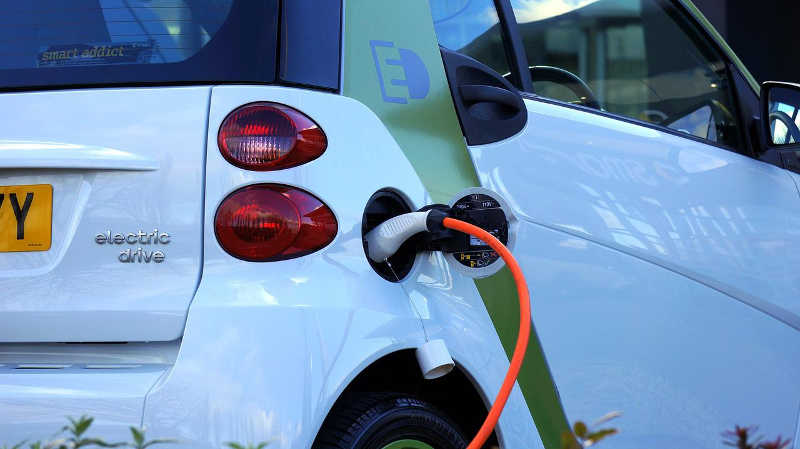
Are Electric Vehicles (EVs) Cheap to Insure?
The EV revolution is here, but what does it mean for your motor insurance UK costs? It's a mixed picture.
Factors Making EVs Cheaper to Insure:
- Many EVs are in lower insurance groups than their petrol equivalents due to less complex engines.
- They are often packed with the latest safety technology (AEB, lane-keep assist).
Factors Making EVs More Expensive to Insure:
- High Purchase Price: EVs are currently more expensive to buy than comparable petrol cars.
- Specialist Repairs: Repairing an EV, particularly its battery pack, requires specialist technicians and equipment, driving up costs.
- Battery Risk: The high cost of replacing a damaged battery pack (which can be worth half the car's value) is a major concern for insurers.
Some smaller EVs, like the Fiat 500e, can be reasonably affordable to insure, but on the whole, they still command higher premiums than the Group 1-5 petrol cars on our list.
Pro Tips for Slashing Your Car Insurance Costs in 2026
- Pay Annually: Paying for your insurance in one go avoids interest charges that are applied to monthly payment plans.
- Increase Your Voluntary Excess: As discussed, offering to pay a bit more towards a claim can reduce your premium. Just ensure it's an affordable amount.
- Use an Expert Broker: A broker like WeCovr does the hard work for you. We compare policies from a wide panel of leading UK insurers to find the best car insurance provider for your specific needs, at no extra cost to you.
- Build and Protect Your No-Claims Bonus: Drive carefully. Your NCB is your golden ticket to cheaper insurance. Consider paying a small extra fee to protect it once you have several years built up.
- Limit Modifications: Alloy wheels, body kits, and engine tuning all increase your premium. Keep your car standard for the lowest rates.
- Improve Security: If your car doesn't have a Thatcham-approved alarm or immobiliser, fitting one can earn you a discount.
- Take an Advanced Driving Course: Passing a course like the one offered by IAM RoadSmart can sometimes lead to a discount from certain insurers.
Frequently Asked Questions (FAQ)
What is the cheapest car insurance group in the UK? The cheapest car insurance group is Group 1. Cars in this group, such as the entry-level Volkswagen Polo, have the lowest risk profile based on factors like low purchase price, cheap repair costs, and modest performance. This makes them the most affordable models to insure.
Can I get insurance on a high-performance car as a new driver? It is extremely difficult and prohibitively expensive. Insurers view the combination of an inexperienced driver and a powerful car as a very high risk. Most mainstream insurers will decline to quote, and specialist providers will charge exceptionally high premiums, often running into many thousands of pounds.
Does modifying my car affect my insurance premium? Yes, absolutely. You must declare all modifications to your insurer, whether they are for performance (engine remap, exhaust) or cosmetic (alloy wheels, body kit). Most modifications will increase your premium as they can make the car more attractive to thieves or more expensive to repair. Failure to declare modifications can invalidate your insurance.
Why is my renewal price higher if I haven't made a claim? Renewal prices can increase for several reasons beyond your personal driving record. These include rising overall costs for insurers (e.g., more expensive parts and labour for repairs across the industry), an increase in claims in your local area, or changes to insurance-related taxes like Insurance Premium Tax (IPT). This is why it is crucial to compare the market every year rather than simply accepting your renewal quote.
Ready to put our advice into practice and see how much you could save?
Finding the right motor policy doesn't have to be complicated. At WeCovr, our UK-based experts are ready to help you compare quotes from a wide range of insurers for your car, van, motorcycle, or entire business fleet. We also offer our motor and life insurance customers exclusive discounts on other types of cover.
Sources
- Department for Transport (DfT): Road safety and transport statistics.
- DVLA / DVSA: UK vehicle and driving regulatory guidance.
- Association of British Insurers (ABI): Motor insurance market and claims publications.
- Financial Conduct Authority (FCA): Insurance conduct and consumer information guidance.