TL;DR
Imagine your health as an operating system. It's the core engine that powers your life, enabling you to work, play, connect, and thrive. For many years, the National Health Service (NHS) has been the default, universally acclaimed OS for the UK populace free at the point of use, comprehensive, and a source of immense national pride.
Key takeaways
- Faster Access to Diagnosis and Treatment: This is often the most compelling benefit. Instead of potentially long waiting lists for consultations, scans, or surgery on the NHS, private insurance allows you to be seen by a specialist much more quickly. Early diagnosis can be critical, especially for serious conditions.
- Choice of Consultant and Hospital: You often have the flexibility to choose your consultant (a specialist doctor), allowing you to research their expertise and track record. You can also select the private hospital that suits your needs, considering location, facilities, or reputation.
- Comfort and Privacy: Private hospitals typically offer private rooms with en-suite facilities, allowing for a more comfortable and dignified recovery experience. Visiting hours are often more flexible, and the overall environment can be less stressful than a busy public ward.
- Access to New Treatments and Technologies: Private healthcare providers sometimes offer access to newer drugs, therapies, or medical technologies that may not yet be widely available on the NHS due to funding or approval processes.
- Flexible Appointment Times: Private practitioners often offer a wider range of appointment times, making it easier to fit treatment around your work or family commitments.
UK Private Health Insurance: Your Health's OS Upgrade
Imagine your health as an operating system. It's the core engine that powers your life, enabling you to work, play, connect, and thrive. For many years, the National Health Service (NHS) has been the default, universally acclaimed OS for the UK populace – free at the point of use, comprehensive, and a source of immense national pride. It's a robust system, an engineering marvel, designed to serve everyone.
However, like any complex system, the NHS is under perpetual pressure. Increasing demand, an ageing population, and the ever-evolving landscape of medical advancements mean that, at times, its performance can feel strained. Waiting lists can grow, choices might be limited, and the speed of access might not always match the urgency of your needs.
This is where UK private health insurance steps in – not as a replacement for the NHS, but as your health's essential 'OS upgrade'. It’s an enhancement, a premium layer that provides faster access, greater choice, and a more personalised experience when you need it most. It allows you to bypass some of the common bottlenecks, ensuring your health, your most vital system, runs at optimal efficiency.
In this comprehensive guide, we'll delve deep into the world of UK private health insurance, explaining exactly what it is, what it covers (and crucially, what it doesn't), who benefits most, and how to navigate the options to find the perfect 'upgrade' for your health.
The NHS: A Stalwart, But Facing Challenges
Before we explore the benefits of private health insurance, it’s vital to acknowledge the foundational role of the NHS. Since its inception in 1948, it has provided outstanding care, free at the point of need, to millions of people across the UK. Its core principles of universality, comprehensiveness, and free access remain deeply ingrained in the fabric of British society. When it comes to emergencies, critical care, and chronic condition management, the NHS is unparalleled and continues to be the backbone of our nation’s health.
However, the reality of an ever-growing demand for healthcare, coupled with finite resources, means the NHS is under constant strain. We frequently hear about:
- Growing Waiting Lists: Particularly for elective surgeries, specialist consultations, and diagnostic tests. Patients can sometimes wait months, or even years, for non-urgent procedures.
- Funding Pressures: Despite significant government investment, the cost of advanced medical technology, new drugs, and an expanding workforce continues to rise, outstripping available funds.
- Capacity Issues: Hospitals are often operating at or beyond full capacity, leading to bed shortages and delays in patient flow.
- Reduced Choice: While clinical excellence is paramount, patients often have limited choice over their consultant, hospital, or appointment times.
It's important to reiterate: private health insurance is not designed to replace the NHS. It works in conjunction with it. You'll still rely on the NHS for A&E services, routine GP appointments, and the management of long-term chronic conditions. What private cover offers is an alternative pathway for acute medical needs, providing a much-needed layer of speed, choice, and comfort. It's about having options when your health takes an unexpected turn, ensuring you're not left waiting for a crucial diagnosis or treatment.
What Exactly is UK Private Health Insurance?
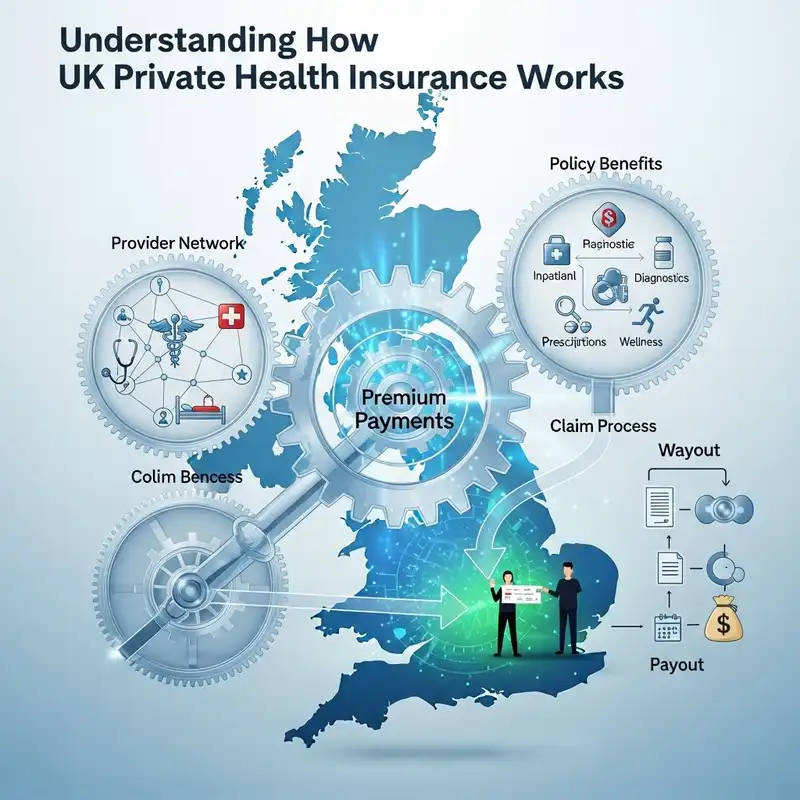
At its core, UK private health insurance (often referred to as Private Medical Insurance, or PMI) is a policy that covers the costs of private medical treatment for acute conditions. Unlike the NHS, where treatment is free at the point of use, private healthcare involves fees for consultations, diagnostic tests, hospital stays, and surgical procedures. Your insurance policy pays these costs, either directly to the provider or by reimbursing you, up to specified limits.
Think of it as a financial safety net specifically for your health. If you fall ill or suffer an injury (that isn't a pre-existing or chronic condition), your policy ensures you can access private healthcare quickly and efficiently.
Key Benefits: Why Consider the Upgrade?
The advantages of having a private health insurance policy are numerous and often deeply valued by those who use them:
- Faster Access to Diagnosis and Treatment: This is often the most compelling benefit. Instead of potentially long waiting lists for consultations, scans, or surgery on the NHS, private insurance allows you to be seen by a specialist much more quickly. Early diagnosis can be critical, especially for serious conditions.
- Choice of Consultant and Hospital: You often have the flexibility to choose your consultant (a specialist doctor), allowing you to research their expertise and track record. You can also select the private hospital that suits your needs, considering location, facilities, or reputation.
- Comfort and Privacy: Private hospitals typically offer private rooms with en-suite facilities, allowing for a more comfortable and dignified recovery experience. Visiting hours are often more flexible, and the overall environment can be less stressful than a busy public ward.
- Access to New Treatments and Technologies: Private healthcare providers sometimes offer access to newer drugs, therapies, or medical technologies that may not yet be widely available on the NHS due to funding or approval processes.
- Flexible Appointment Times: Private practitioners often offer a wider range of appointment times, making it easier to fit treatment around your work or family commitments.
- Peace of Mind: Knowing that you have prompt access, where available, to high-quality medical care, should you need it, offers significant reassurance for you and your family. This peace of mind is an invaluable aspect of the 'OS upgrade'.
In essence, private health insurance is like having a dedicated fast-lane for your health. When an unexpected health issue arises, it ensures you can quickly move from concern to diagnosis to treatment, minimising disruption to your life and prioritising your well-being.
Get a quote through WeCovr, and a specialist from WeCovr or one of its broker partners will help you compare policies from a range of UK insurers.
The Core Components: What's Typically Covered (and Not Covered)
Understanding what your private health insurance policy will and won't cover is paramount. The details can vary significantly between insurers and policies, so always read the terms and conditions carefully. However, here's a general overview of typical inclusions and, crucially, the exclusions.
What's Typically Covered?
Private health insurance policies primarily cover the costs of treatment for acute conditions. An acute condition is a disease, illness or injury that is likely to respond quickly to treatment and restore you to the state of health you were in immediately before you became ill or injured.
Common elements of cover include:
- In-patient treatment: This is the bedrock of most policies. It covers costs associated with an overnight stay in a private hospital. This includes:
- Surgical procedures (e.g., knee replacement, hernia repair, appendectomy).
- Anaesthetist fees.
- Hospital accommodation and nursing care.
- Drugs and dressings used during your stay.
- Diagnostic tests (e.g., blood tests, X-rays, MRI scans, CT scans) conducted while an in-patient.
- Day-patient treatment: Treatment or surgery that requires a hospital bed but not an overnight stay.
- Out-patient treatment (often an optional extra): This covers treatment that doesn't require an overnight or day-patient stay. It's a crucial component for comprehensive cover and typically includes:
- Consultations with specialists (e.g., orthopaedists, cardiologists, dermatologists).
- Diagnostic tests (e.g., MRI, CT, ultrasound, blood tests, endoscopies) when referred by a consultant.
- Radiotherapy and chemotherapy.
- Therapies: Many policies include coverage for a range of therapies, often after a consultant referral. This can include:
- Physiotherapy.
- Osteopathy.
- Chiropractic treatment.
- Acupuncture (less common, but available with some plans).
- Mental Health Support: A growing number of policies now offer comprehensive mental health cover, including psychiatric consultations, therapy sessions (e.g., CBT, psychotherapy), and even in-patient treatment if required. This reflects the increasing recognition of mental health as being just as important as physical health.
- Cancer Care: This is often a significant and highly valued aspect of private health insurance. Comprehensive cancer cover typically includes:
- Rapid diagnosis.
- Consultations with oncologists.
- Chemotherapy and radiotherapy.
- Targeted drug therapies.
- Surgical procedures.
- Reconstructive surgery (if related to cancer treatment).
- Palliative care.
- Many policies offer access to the latest approved cancer drugs, even if not yet available on the NHS.
- Hospital Cash Benefit: Some policies provide a cash sum for each night you stay in an NHS hospital if the private equivalent treatment would have been covered by your policy.
- Digital GP Services: Many modern policies offer virtual GP consultations via app or video call, providing quick access to advice, prescriptions, and referrals.
Important Exclusions: What's Generally NOT Covered?
This section is vital. To maintain affordability and manage risk, private health insurance policies have specific exclusions. Understanding these is critical to avoiding disappointment.
- Pre-existing Conditions: This is the most significant and widely misunderstood exclusion. A pre-existing condition is typically defined as any disease, illness, or injury for which you have received medication, advice, or treatment, or had symptoms, in the period (usually 2–5 years) before you take out your policy. Insurers will generally not cover any costs related to these conditions. The purpose of insurance is to cover unforeseen future events, not conditions you already have.
- Example: If you had shoulder pain and saw a physio six months before buying your policy, future treatment for that specific shoulder pain would likely be excluded.
- Chronic Conditions: These are conditions that:
- Cannot be cured.
- Are likely to require ongoing medical attention or rehabilitation.
- Require long-term supervision, medication, or therapy.
- Examples: Diabetes, asthma, epilepsy, multiple sclerosis, high blood pressure (unless acute exacerbation). Private health insurance is designed for acute conditions that can be treated and resolved. Management of chronic conditions remains the domain of the NHS.
- Emergency Services: Private health insurance does not cover emergency A&E visits or immediate life-threatening situations. For genuine emergencies, you should always go to an NHS A&E department.
- Routine GP Visits: Most policies do not cover standard visits to your NHS GP for minor ailments, check-ups, or repeat prescriptions. The digital GP services offered by some insurers are supplementary, not a replacement for your registered NHS GP.
- Cosmetic Surgery: Procedures primarily for aesthetic improvement are not covered unless they are medically necessary (e.g., reconstructive surgery after an accident or cancer).
- Normal Pregnancy and Childbirth: While some limited complications of pregnancy might be covered by very few specific (and often expensive) policies, routine maternity care is generally excluded.
- Drug or Alcohol Abuse: Treatment related to substance abuse or addiction is typically excluded.
- Self-inflicted Injuries: Injuries resulting from intentional self-harm.
- HIV/AIDS: Treatment for these conditions is generally excluded.
- Fertility Treatment: Most policies do not cover IVF or other fertility treatments.
- Organ Transplants: The initial cost of organ transplants and related care is usually excluded, though some policies might cover post-transplant care.
- Experimental/Unproven Treatments: Treatments that are not yet widely accepted or are still in clinical trials may not be covered.
- Travel-related Incidents: If you're injured or fall ill while abroad, travel insurance is usually the appropriate cover, not your UK private health insurance.
It’s crucial to be completely honest about your medical history when applying for a policy. Failure to disclose relevant information can lead to your policy being voided or claims being denied.
Navigating the Policy Landscape: Key Terms and Options
Choosing the right private health insurance policy means understanding a few key terms and options that directly impact your cover and premium.
Underwriting: How Insurers Assess Your Health
Underwriting is the process by which an insurer assesses your health and determines what they will and won't cover, and at what price. There are three main types:
-
Full Medical Underwriting (FMU):
- How it works: You'll complete a comprehensive medical questionnaire, detailing your full medical history. The insurer will review this (and may contact your GP for further information with your consent) before offering cover.
- Pros: You know upfront exactly what is excluded based on your history. No surprises later.
- Cons: Can be a longer application process. May require GP reports.
- Best for: Those who want absolute clarity from day one, or those with a very clean medical history.
-
Moratorium Underwriting:
- How it works: This is the most common type. You don't need to provide your full medical history upfront. Instead, the insurer automatically excludes any condition for which you've had symptoms, advice, or treatment in a set period (usually the past 5 years) before the policy starts. However, if you remain symptom-free and don't require treatment for that condition for a continuous period (usually 2 years) after the policy starts, that exclusion may then be lifted.
- Pros: Quick and easy to set up.
- Cons: You won't know definitively what's covered until a claim arises and the insurer reviews your history at that point. Requires careful understanding of the "moratorium period".
- Best for: Most people who want a quick setup and are comfortable with the "wait and see" approach for potential past conditions.
-
Continued Personal Medical Exclusions (CPME):
- How it works: This applies if you're switching from an existing private health insurance policy. It allows you to transfer your existing exclusions to the new policy, meaning you don't face new exclusions for conditions that developed while on your previous cover.
- Pros: Seamless transition, maintaining existing cover level.
- Cons: Only applicable if you already have PMI.
- Best for: Individuals looking to switch insurers without losing cover for conditions that might otherwise become new exclusions.
Excess: Your Contribution to a Claim
Similar to car insurance, an excess is the amount you agree to pay towards the cost of any claim before your insurer pays the rest.
- How it works (illustrative): If your policy has a £250 excess and your treatment costs £2,000, you pay the first £250, and the insurer pays £1,750. Some policies apply the excess per condition, others per policy year.
- Impact on Premium: Opting for a higher excess will generally reduce your annual premium, as you're taking on more of the initial financial risk.
- Strategy: Choose an excess you're comfortable paying out-of-pocket if you need to make a claim.
No Claims Discount (NCD): Rewarding Good Health
Many insurers offer an NCD, similar to car insurance. If you don't make a claim in a policy year, you earn a discount on your next year's premium. The NCD often builds up over several years, reaching a maximum discount percentage. If you do make a claim, your NCD may be reduced.
Hospital List: Where Can You Get Treatment?
Insurers partner with specific private hospitals and clinics. The "hospital list" defines where you can receive treatment under your policy.
- Restricted List: Limits you to a specific, often smaller, network of hospitals. This typically results in a lower premium.
- Unrestricted (or Comprehensive) List: Gives you access to a much wider range of private hospitals, including many of the more prestigious facilities in London and major cities. This will result in a higher premium.
- Strategy: Consider your location and willingness to travel for treatment. If you live outside a major city, a restricted list might still offer ample local options.
Benefit Limits: How Much Will the Insurer Pay?
Most policies have annual limits on how much they may pay for different types of treatment. This could be:
- Illustrative estimate: An overall annual limit for all claims (e.g., £1 million).
- Illustrative estimate: Specific limits for out-patient consultations (e.g., 10 per year or £1,000 limit).
- Illustrative estimate: Limits for specific therapies (e.g., 10 physio sessions, or £500 limit).
- Limits for mental health treatment.
Always check these limits to ensure they align with your expectations for cover.
Optional Extras: Tailoring Your Policy
Most insurers offer a range of optional extras that you can add to your core policy to enhance your cover:
- Out-patient Cover: As mentioned, this is often optional, but highly recommended for comprehensive cover, allowing you to access consultants and diagnostics without an overnight stay.
- Mental Health Cover: Enhanced cover for psychiatric care, counselling, and therapies.
- Dental and Optical Cover: Contributions towards routine dental check-ups, treatments, and optical care (glasses, contact lenses). This is usually a separate, specific benefit, not part of general medical cover.
- Therapies: Broader access to complementary therapies beyond standard physio.
- Travel Insurance: Some providers offer integrated travel insurance as an add-on.
- Wellness and Prevention: Benefits like health assessments, discounts on gym memberships, and incentives for healthy living.
By understanding these terms and tailoring your choices, you can build a private health insurance policy that fits your budget and provides the specific 'OS upgrade' your health needs.
Who Benefits Most from a Private Health Insurance "Upgrade"?
While private health insurance offers advantages to many, certain groups tend to find the 'OS upgrade' particularly valuable.
- Busy Professionals and Business Owners: Time is money. Long waiting lists for diagnosis or treatment can severely impact productivity and earnings. Faster access, where available, to care means a quicker return to work and fewer missed opportunities. Business owners might also consider group policies to safeguard their employees' health and reduce absenteeism.
- Families with Young Children: Children can be prone to unexpected illnesses or injuries. Quick access to paediatric specialists, diagnostic tests, and comfortable private rooms for treatment can reduce parental anxiety and make a potentially stressful time much easier. Being able to choose a hospital with a good children's ward, or having a parent stay overnight, is a significant comfort.
- Individuals Prioritising Choice and Control: For those who want the ability to choose their consultant, hospital, and appointment times, private insurance offers a level of autonomy not always available through the NHS. This can be especially important for complex or sensitive conditions.
- People Living in Areas with Long NHS Waiting Lists: If local NHS services are particularly stretched, or if you've personally experienced long waits, private insurance offers a valuable alternative pathway.
- Those Seeking Enhanced Mental Health Support: With increasing awareness of mental health, many individuals are actively seeking prompt access to therapists, counsellors, and psychiatric care, which private policies can facilitate, often without the long waiting times associated with NHS services.
- Individuals Concerned About Cancer Care: The comprehensive cancer cover offered by many private policies, including access to advanced drugs and treatments, is a major draw for those who want peace of mind concerning this particularly devastating disease.
- Anyone Who Values Peace of Mind: Knowing that you have a private route for acute conditions, that you can be seen quickly, and that you have options for comfortable treatment environments, provides invaluable reassurance. It's an investment in your future well-being and reduces the stress associated with potential health issues.
Ultimately, anyone who values speed, choice, comfort, and peace of mind when it comes to their health can benefit from private medical insurance. It's about taking proactive control of your health journey.
The Cost of Your Health's OS Upgrade: What Influences Premiums?
The cost of private health insurance is not one-size-fits-all. Premiums are calculated based on a variety of factors, reflecting the level of risk the insurer is taking on and the benefits you're receiving. Understanding these factors can help you make informed decisions to manage your premium.
- Age: This is arguably the biggest factor. As we age, the likelihood of developing acute health conditions increases, and so does the cost of treatment. Consequently, premiums rise significantly with age. Starting a policy when you're younger can be more affordable.
- Location: Healthcare costs can vary across the UK. London, for example, typically has higher hospital and consultant fees than other regions, which can lead to higher premiums for those living in or opting for treatment in the capital.
- Level of Cover / Policy Type:
- In-patient only: This is the most basic and lower-cost option, covering only overnight hospital stays and day-patient procedures.
- Comprehensive: Includes in-patient, day-patient, and often generous out-patient cover (consultations, diagnostics, therapies). This is more expensive but provides much broader coverage.
- Optional Extras: Adding mental health cover, dental/optical, or enhanced therapy benefits will increase your premium.
- Excess Chosen: As discussed, opting for a higher excess (the amount you pay towards a claim) will reduce your monthly or annual premium, as you're taking on more of the initial financial burden.
- Underwriting Method: Moratorium underwriting can sometimes lead to a slightly lower initial premium than Full Medical Underwriting, as the insurer isn't doing as much upfront assessment. However, this is not always the case, and the long-term cost can depend on claims.
- Hospital List: Choosing a restricted list of hospitals (which excludes some of the more expensive central London facilities) will result in a lower premium compared to a comprehensive, unrestricted list.
- Medical History (for FMU): If you opt for Full Medical Underwriting, any past medical conditions you declare will be assessed and may lead to specific exclusions on your policy. While the condition itself won't be covered, a history of certain conditions might also subtly influence the base premium. For moratorium, it doesn't affect the initial premium directly but will affect what's covered if you claim.
- No Claims Discount (NCD): A good NCD history will significantly reduce your premium. Conversely, making a claim might lead to a reduction in your NCD and an increase in your renewal premium.
- Insurer: Different insurers have different pricing models, networks, and benefit structures. Shopping around is crucial to find good value for your needs.
- Lifestyle Factors: While less direct than car insurance, some insurers may offer incentives or have different pricing for non-smokers, or those with a healthy BMI, particularly as part of wellness programmes.
It's clear that there's no single price for private health insurance. The key is to balance the level of cover you need with a premium you can comfortably afford, making intelligent choices about excesses, hospital lists, and optional extras.
Get a quote through WeCovr, and a specialist from WeCovr or one of its broker partners will help you compare policies from a range of UK insurers.
Real-Life Scenarios: How Private Health Insurance Makes a Difference
To truly grasp the value of a private health insurance 'OS upgrade', let's look at a few hypothetical, but very common, real-life situations.
Scenario 1: The Unexpected Sporting Injury
- Situation: Sarah, 35, a keen amateur runner, twists her knee badly during a park run. Excruciating pain, swelling, and she can't put weight on it.
- NHS Route: Sarah goes to A&E, gets an X-ray (negative for fracture). She's referred for an MRI scan and then an orthopaedic consultation. The wait for the MRI is 6 weeks, and another 8 weeks for the consultant appointment. In the meantime, she's in pain, struggling to work and exercise. Once diagnosed with a significant ligament tear, the wait for surgery could be another 3-6 months.
- Private Insurance Route: Sarah calls her insurer's digital GP service the next day where available. The GP provides an immediate referral to a private orthopaedic consultant. Within 3 days, Sarah has seen the consultant, who refers her for an MRI. The MRI is done within 48 hours. Within a week of the injury, she has a diagnosis of a significant ligament tear and a treatment plan (surgery). The surgery is scheduled for the following week at a private hospital, followed by swift access to private physiotherapy.
- Outcome: Sarah is back on her feet and rehabilitating within weeks, not months, minimising disruption to her active lifestyle and work.
Scenario 2: The Worrying Lump (Cancer Scare)
- Situation: David, 52, discovers a small, worrying lump. His mind immediately goes to the worst-case scenario.
- NHS Route: David sees his GP, who refers him for tests. The referral takes a week, the initial scan another 2-3 weeks, and the follow-up biopsy results a further 1-2 weeks. Each stage involves anxious waiting, impacting his sleep, concentration at work, and overall mental well-being. If cancer is diagnosed, the wait for specialist oncology consultation and commencement of treatment could be significant, depending on the cancer type and local NHS capacity.
- Private Insurance Route: David contacts his insurer. He gets a referral to a private specialist within 2 days. The consultant arranges immediate diagnostic tests (ultrasound, mammogram, biopsy). Within a week, David has a definitive diagnosis (fortunately, benign in this case). If it had been cancerous, his policy would cover faster access, where available, to an oncologist, choice of treatment centre, and access to new cancer drugs, significantly reducing treatment commencement time.
- Outcome: The period of anxious waiting is dramatically shortened. David either gets the all-clear quickly, or if it is serious, begins treatment without delay, which is crucial for cancer prognosis and peace of mind.
Scenario 3: Child's Ear Infection Requiring Grommets
- Situation: Emily, 6, suffers from recurrent ear infections and hearing difficulties, impacting her speech development and school performance. Her GP suggests grommets.
- NHS Route: Emily is referred to an ENT specialist. The waiting list for an initial consultation can be several months, and then a further wait for the grommet insertion procedure. The procedure would be in a busy children's ward, possibly with less flexible visiting hours.
- Private Insurance Route: Emily's parents use their private health insurance. They quickly get an appointment with a leading paediatric ENT specialist. The specialist confirms the need for grommets, and the procedure is scheduled at a local private hospital within two weeks, at a time that suits the family. Emily has a private room, and a parent can stay with her throughout her recovery.
- Outcome: Emily's hearing is restored quickly, preventing further developmental delays and allowing her to thrive at school. The family experiences a less stressful, more comfortable process.
These examples highlight the core value proposition of private health insurance: it's not just about covering costs, but about providing timely access to quality care, reducing stress, and getting you or your loved ones back to full health as quickly and comfortably as possible. It's the 'faster access' button for your health.
Choosing Your Upgrade Path: Finding a strong fit for your needs
With numerous insurers and countless policy variations, finding the right private health insurance can feel overwhelming. It's a significant financial commitment, so making an informed choice is essential.
Self-Research vs. Expert Guidance
-
Self-Research (Online Comparison Sites/Direct from Insurers):
- Pros: You can get a quick sense of market prices and general offerings.
- Cons: Online comparison sites often don't provide the depth of information needed, may not include all insurers, and don't advise on underwriting nuances. Going direct to an insurer means you're only seeing their products, not comparing across our panel. It's easy to misunderstand policy wording, leading to inadequate cover or unnecessary expenses. You might miss out on bespoke options or deals.
-
Using a Specialist Health Insurance Broker (like WeCovr):
- Pros: This is often the most effective and efficient way to find a strong fit for your needs. Specialist brokers work with all the major UK insurers, giving you access to a wide range of options.
- Expert Guidance: We understand the complex jargon, different underwriting types, and the subtle differences between policies that can make a huge impact on your cover.
- Tailored Advice: We take the time to understand your specific needs, budget, and medical history (within the bounds of underwriting rules) to recommend policies that truly fit.
- Market Comparison: We can quickly compare quotes and benefits from multiple insurers, ensuring you get good value for your money.
- Access to Exclusive Deals: Brokers sometimes have access to WeCovr car insurance rates or policy enhancements not available directly to the public.
- Claim Support (sometimes): While not involved in every claim, some brokers offer assistance and advice if you encounter issues with a claim.
- Time-Saving: We do the legwork of researching and comparing, saving you hours of frustration.
- Crucially, we do this with no separate broker fee. Our service is typically funded by the insurer once a policy is taken out, meaning you benefit from regulated guidance without paying an extra fee.
- Cons: None, really! It streamlines the process and offers valuable expertise.
- Pros: This is often the most effective and efficient way to find a strong fit for your needs. Specialist brokers work with all the major UK insurers, giving you access to a wide range of options.
WeCovr specialists and broker partners focus on being your trusted guide through this process. We believe that understanding your options is the first step towards securing your health's 'OS upgrade'. We simplify the complexities, presenting clear, concise options that empower you to make the best decision for your well-being. Our dedicated team is here to help you navigate the landscape of private health insurance, ensuring you find a policy that provides genuine peace of mind and access to the care you deserve.
Dispelling Myths and Addressing Concerns
Despite its growing popularity, private health insurance is still subject to several common misconceptions. Let's address them head-on.
-
Myth 1: Private Health Insurance Replaces the NHS.
- Reality: Absolutely not. As highlighted throughout this guide, private health insurance complements the NHS. You'll still use the NHS for emergencies (A&E), routine GP visits, and the management of chronic conditions. Private insurance offers an alternative for acute, non-emergency conditions, providing faster access, choice, and comfort. It acts as an additional layer of healthcare provision.
-
Myth 2: It's Only for the Wealthy.
- Reality: While comprehensive policies can be expensive, there's a wide range of options available to suit different budgets. By adjusting your excess, choosing a more restricted hospital list, or opting for in-patient-only cover, you can significantly reduce premiums. Many middle-income families find policies surprisingly affordable, especially when considering the value of faster access, where available, to care.
-
Myth 3: Once You Make a Claim, Your Premiums Skyrocket.
- Reality: While making a claim can affect your No Claims Discount (NCD) and therefore your renewal premium, it doesn't necessarily lead to exorbitant price hikes. Insurers factor in various elements at renewal, including your NCD, age, medical inflation, and the overall claims experience of their client base. A single claim isn't likely to make a policy unaffordable unless you make frequent and very expensive claims.
-
Myth 4: Private Health Insurance Covers Everything.
- Reality: This is a dangerous misconception. As detailed in the "Important Exclusions" section, policies do not cover pre-existing conditions, chronic conditions, emergency care, or routine GP visits, among other things. It's crucial to understand what's excluded to avoid disappointment when you need to claim. The purpose is to cover acute and unforeseen medical events.
-
Myth 5: It's Too Complicated to Understand.
- Reality: While the terminology can seem daunting, a good broker will simplify everything for you. Our role at WeCovr is to demystify the process, explain policy options in plain English, and help you compare benefits and costs clearly. We make it easy for you to understand what you're buying.
-
Myth 6: I'll Just Self-Pay if I Need Private Treatment.
- Reality (illustrative): While self-paying is an option, it can be incredibly expensive. A single MRI scan can cost £500-£2,000. A hip replacement could be £10,000-£15,000. Cancer treatment can run into tens or even hundreds of thousands of pounds. Private health insurance spreads this risk, making unforeseen medical costs manageable rather than devastating.
Beyond the Individual: Business Health Insurance
Private health insurance isn't just for individuals and families; it's also a powerful tool for businesses, both large and small. Offering group health insurance to employees is becoming an increasingly popular and valuable benefit.
Why Businesses Offer It:
- Employee Retention and Attraction: In a competitive job market, a comprehensive benefits package that includes health insurance can be a significant draw for top talent and helps retain valuable employees.
- Reduced Absenteeism: By providing faster access to diagnosis and treatment, employees can return to work sooner after illness or injury, improving overall productivity.
- Improved Employee Well-being: Investing in employee health demonstrates care and commitment, leading to higher morale, reduced stress, and a healthier, happier workforce.
- Increased Productivity: A healthy workforce is a productive workforce. Employees are less distracted by health concerns and more focused on their roles.
- Tax Efficiency (Benefit in Kind): While private health insurance is typically treated as a "Benefit in Kind" for employees (meaning they pay tax on the value of the premium), businesses can usually deduct the cost of the premiums as a legitimate business expense.
Group Schemes vs. Individual Policies:
- Group Schemes: These are designed for companies, offering cover to multiple employees. They often benefit from WeCovr car insurance rates compared to individual policies due to the larger pool of insured members. Group schemes often have simplified underwriting (e.g., Medical History Disregarded, where previous conditions may be covered after a qualifying period, which is excellent for employees) and can be highly flexible in terms of benefits.
- Individual Policies: If a business only has a few employees, or if it wants to offer health insurance as a perk rather than a universal benefit, individual policies can be taken out for specific employees, though they won't benefit from group rates or simplified underwriting.
Businesses can tailor group health insurance to suit their budget and workforce needs, from basic in-patient cover to comprehensive schemes that include mental health, dental, and optical benefits. It's a strategic investment that pays dividends in employee welfare and business performance.
The Future of Health: Proactive Well-being and Digital Integration
The 'OS upgrade' analogy extends beyond just reactive care. The private health insurance landscape is constantly evolving, with many providers now focusing on proactive health and well-being, leveraging digital technologies to enhance the member experience.
- Preventative Care: Some insurers are moving beyond just covering illness to actively promote healthy living. This might include:
- Discounts on gym memberships, fitness trackers, and healthy food.
- Rewards for hitting activity goals.
- Access to health assessments, nutritional advice, and well-being coaching.
- These initiatives aim to keep you healthier, reducing the likelihood of needing costly treatment in the first place.
- Digital GP Services: As mentioned, virtual GP consultations are a standard offering with many policies. This provides quick access, where available, to medical advice, referrals, and prescriptions, streamlining the initial step of the healthcare journey.
- Health Apps and Wearables: Integration with health apps and wearable technology allows individuals to monitor their health data, track progress, and share relevant information with their GP or specialists (with consent), facilitating more personalised care.
- Telemedicine and Remote Monitoring: The pandemic accelerated the adoption of telemedicine. Private insurers are at the forefront of providing remote consultations with specialists and even remote monitoring for certain conditions, offering greater convenience and accessibility.
- Personalised Pathways: The future will likely see even more personalised health pathways, guided by AI and data analytics, directing individuals to the most appropriate care faster, based on their unique health profile.
These advancements mean that private health insurance is no longer just about covering treatment; it's about becoming a partner in your ongoing health journey, supporting your well-being proactively and leveraging technology to make healthcare more accessible and efficient. It's about ensuring your 'health OS' isn't just upgraded, but continually optimised.
Making the Smart Choice for Your Health
The decision to invest in private health insurance is a personal one, but for many, the benefits far outweigh the costs. It's an investment in:
- Your Time: Minimising delays in diagnosis and treatment.
- Your Choice: Empowering you to select your care providers and treatment settings.
- Your Comfort: Ensuring a more pleasant and private healthcare experience.
- Your Peace of Mind: Knowing you have a faster option when health issues arise.
In a world where speed, convenience, and personalisation are increasingly valued, your health should be no exception. The NHS remains a national treasure, but private health insurance offers a complementary layer of care that provides crucial advantages for acute conditions.
WeCovr specialists and broker partners understand the nuances of the UK private health insurance market. We're here to guide you through the options, answer your questions, and help you compare policies from all major insurers, ensuring you get the most suitable cover tailored to your individual needs – all with no separate broker fee. We believe that an informed decision is the best decision, and we are committed to providing that clarity.
Conclusion: Investing in Your Future Health
Your health is your most valuable asset, the fundamental 'operating system' that enables every aspect of your life. While the NHS provides a robust default system, the pressures it faces mean that sometimes, an 'upgrade' is exactly what's needed to ensure optimal performance.
UK private health insurance is that upgrade. It’s an intelligent investment in your future well-being, providing a powerful complement to the NHS. It’s about taking proactive control, securing faster access to care, enjoying greater choice, and experiencing a level of comfort and privacy that can make all the difference during challenging times.
Don't leave your health to chance or to the vagaries of waiting lists. Explore the possibilities. Understand your options. Take control of your health journey and give your health the 'OS upgrade' it truly deserves. It's not just about treating illness; it's about investing in a healthier, more secure, and more comfortable future.
Sources
- NHS England: Waiting times and referral-to-treatment statistics.
- Office for National Statistics (ONS): Health, mortality, and workforce data.
- NICE: Clinical guidance and technology appraisals.
- Care Quality Commission (CQC): Provider quality and inspection reports.
- UK Health Security Agency (UKHSA): Public health surveillance reports.
- Association of British Insurers (ABI): Health and protection market publications.
Important Information and Risks
No advice: This article is for general information only. It is not financial, legal, insurance, or tax advice, and it is not a personal recommendation. WeCovr does not assess your individual circumstances or recommend a specific product through this article.
Policy exclusions and underwriting: Insurance policies, including life insurance, private medical insurance, critical illness cover, and income protection, are subject to insurer underwriting, eligibility, acceptance criteria, terms, conditions, limits, and exclusions. Pre-existing medical conditions may be excluded, restricted, or accepted on special terms unless an insurer confirms otherwise in writing.
Tax treatment: References to tax treatment, HMRC rules, or business reliefs are based on current UK legislation and guidance, which can change. Tax treatment depends on your personal or business circumstances and may differ from examples in this article.
Before you buy: Always read the Insurance Product Information Document (IPID), policy summary, and full policy terms before buying, renewing, changing, or keeping cover. If you are unsure whether a policy is suitable for you, speak to an insurance adviser.
Compare private health insurance quotes from leading UK insurers
Answer a few quick questions and a specialist from WeCovr or one of its broker partners will help you compare cover from insurers such as Bupa, AXA, Aviva and Vitality. No obligation.
Takes about 2-3 minutes
Compare cover from leading UK insurers
No obligation to buy
Get a quote
Get a private health insurance quote
Answer a few questions, then a specialist helps you compare cover and prices.
Tell us who needs cover
Just you, a partner, your family or your staff.
Compare your options
A specialist compares cover and prices from leading UK insurers.
Decide in your own time
There is no obligation to buy.
What you get
A specialist from WeCovr or one of its broker partners
Options compared across leading UK insurers
No obligation to buy