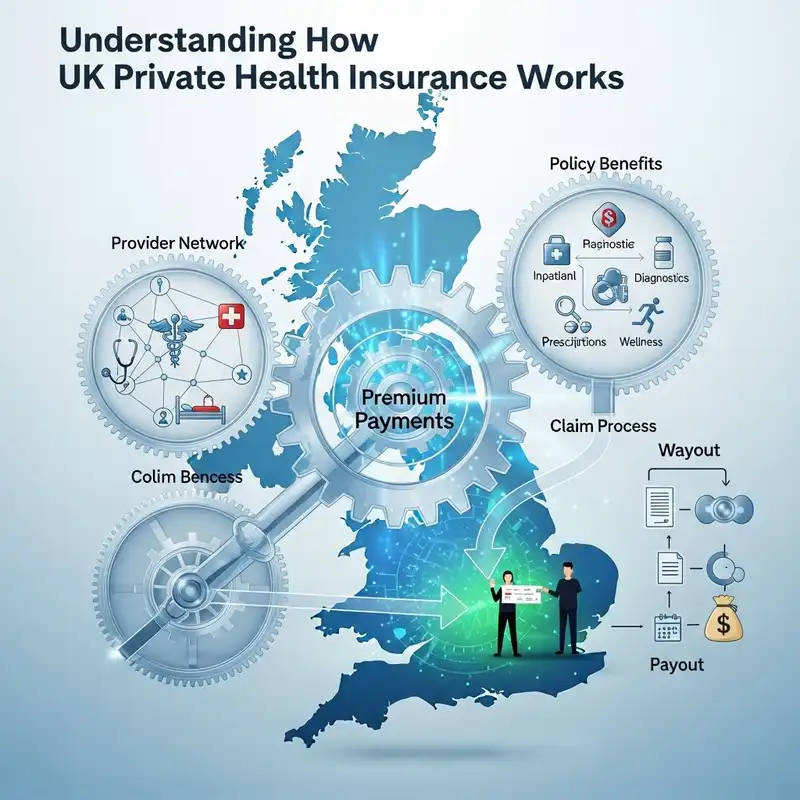
TL;DR
Private Medical Insurance (PMI) has traditionally been seen as a product more suited to older adults, families with young children, or individuals managing ongoing health conditions. It's often associated with people who anticipate regular medical needs or who want to avoid long NHS waiting times for specific treatments. As a result, many younger individualsparticularly those in their twenties and thirtiestend to assume that PMI isnt relevant to them.
Key takeaways
- Securing PMI while youre still young often means lower premiums and a better chance of getting comprehensive cover without exclusions.
- However, this perception is rapidly changing.
- With increasing awareness around health, wellbeing, and the value of preventative care, more young people are starting to recognise the advantages of having PMI early on.
- Even if youre currently fit and healthy, the unpredictability of life means that accidents, injuries, and unexpected diagnoses can happen at any age.
- Many PMI policies also include digital health services like 24/7 virtual GP access, allowing you to get advice and answers within hours rather than days.
Why Young People Should Consider Private Medical Insurance (PMI)
Private Medical Insurance (PMI) has traditionally been seen as a product more suited to older adults, families with young children, or individuals managing ongoing health conditions. It's often associated with people who anticipate regular medical needs or who want to avoid long NHS waiting times for specific treatments. As a result, many younger individuals—particularly those in their twenties and thirties—tend to assume that PMI isn’t relevant to them. However, this perception is rapidly changing. With increasing awareness around health, wellbeing, and the value of preventative care, more young people are starting to recognise the advantages of having PMI early on.
Even if you’re currently fit and healthy, the unpredictability of life means that accidents, injuries, and unexpected diagnoses can happen at any age. Securing PMI while you’re still young often means lower premiums and a better chance of getting comprehensive cover without exclusions. It also allows faster access to treatment, which can be particularly important if you’re working, studying, or self-employed—situations where extended downtime isn’t ideal. Beyond just medical care, many PMI policies now include valuable extras like mental health support, physiotherapy, and virtual GP access, all of which appeal to younger generations seeking convenience and holistic health solutions. Ultimately, taking out PMI early can be a strategic move—protecting your future health, ensuring continuity in work and lifestyle, and laying the groundwork for long-term financial and personal wellbeing.
1. Quick Access to Healthcare
One of the most valuable and immediate benefits of Private Medical Insurance (PMI) is the speed and efficiency with which you can access healthcare services. While the National Health Service (NHS) in the UK is renowned for providing high-quality care to millions, it is also under considerable strain—particularly when it comes to non-urgent or elective treatments. Waiting lists for diagnostic tests, specialist consultations, or routine surgeries can often stretch into months, and in some cases, over a year. For many young people, this delay can be more than just an inconvenience—it can be a serious disruption to their personal and professional lives.
If you're a student preparing for important exams, a young professional building momentum in your career, or someone self-employed who relies on consistent availability for work, waiting weeks or months for medical treatment could lead to missed opportunities, financial strain, and prolonged discomfort or stress. PMI offers a reliable alternative, enabling you to bypass lengthy NHS queues and access private healthcare at a much faster pace.
From initial GP appointments to specialist referrals and treatment plans, everything is streamlined. Many PMI policies also include digital health services like 24/7 virtual GP access, allowing you to get advice and answers within hours rather than days. This kind of access is especially helpful if you have a busy schedule, limited time to attend in-person appointments, or simply want reassurance without delay.
Prompt treatment also helps prevent minor issues from escalating into more serious health problems. Early intervention means better outcomes, quicker recovery, and less disruption to your life. For a generation that values efficiency, independence, and wellbeing, the ability to take control of your health journey without unnecessary delays is not just a convenience—it's a powerful advantage.
2. Early Detection and Peace of Mind
Even when you're in your twenties or thirties and feel healthy, life can be unpredictable. Sudden health concerns can appear without warning—whether it's persistent headaches, abdominal discomfort, skin changes, or unexplained fatigue. These issues might not seem serious at first, but they often need medical investigation to rule out anything more significant. Private Medical Insurance (PMI) gives you the ability to act quickly, access answers fast, and avoid long periods of worry or uncertainty.
One of the most important advantages of PMI is how it streamlines the path from concern to diagnosis. Instead of navigating long NHS waiting lists or needing to “wait and see” due to appointment backlogs, PMI allows you to book in with a GP or specialist quickly and move straight to diagnostics like MRIs, ultrasounds, blood tests, or endoscopies if needed. The impact of having that speed of access—especially in cases where symptoms turn out to be more serious—cannot be overstated. Whether it’s identifying a thyroid condition, a digestive disorder, or something that needs minor surgery, early detection often leads to better, less invasive treatment and a quicker return to everyday life.
For young professionals building careers, students trying to focus on their studies, or business owners relying solely on their own ability to work, this matters. Waiting months for answers or delaying treatment could not only worsen a health issue—it could mean lost income, missed opportunities, or added stress and anxiety. PMI puts you in control of your healthcare timeline. You’re not reliant on the pace of the public system or left wondering when you’ll be seen.
It’s also about peace of mind. Knowing that if something doesn’t feel right, you have the means to get it looked at quickly gives a huge sense of reassurance. You don’t have to “put up with it” or wonder whether it's worth bothering the doctor—you can simply book an appointment and find out. For many young people today who value independence, convenience, and wellbeing, PMI offers exactly that. It empowers you to act, rather than wait, and provides clarity when you need it most. In a fast-paced world, where time and health are two of your most valuable assets, PMI ensures you don’t have to compromise on either.
3. Affordable Plans for Younger Adults
One of the most compelling reasons young adults should consider Private Medical Insurance (PMI) is the cost advantage. Insurers typically assess premiums based on age and overall health, and because younger people are statistically less likely to make frequent or high-value claims, they’re often offered significantly lower premiums. This means that if you're in your twenties or thirties, PMI may be far more affordable than you imagine—sometimes costing less per month than a takeaway or a gym membership.
But it’s not just about what you pay today. Starting a PMI policy early can lock in lower rates for the long term. Many insurers reward continuous cover by offering renewal terms that don’t jump in price as steeply as they might if you were to take out a brand-new policy later in life. By joining while you’re young and healthy, you can benefit from “age-banding” or continuous underwriting, which helps keep your premiums manageable as you get older—especially if you stay with the same provider.
Another important point is that starting early can help you avoid exclusions. If you take out a policy before you develop any conditions, you’re more likely to have those conditions covered should they arise in the future. Once you have a documented medical issue, future policies might apply permanent exclusions or additional costs. In that sense, PMI isn’t just a safety net—it’s a smart, forward-thinking move that can protect your access to care and your wallet down the line.
For young entrepreneurs, freelancers, or self-employed individuals—who may not have access to company-provided benefits—PMI offers a way to gain security and peace of mind without breaking the bank. There’s also growing flexibility in the PMI market, with many providers offering modular policies that let you choose only the cover you need. For example, you might start with basic inpatient cover and add outpatient or mental health support later as your needs or budget change.
Ultimately, PMI can become a foundational part of your personal or financial wellbeing strategy. It’s not just a backup for emergencies—it’s a tool that helps you stay in control of your health, finances, and time, all while taking advantage of your lower risk profile to secure excellent value. Investing early in your health is one of the smartest financial decisions a young person can make, and PMI makes that investment practical and accessible.
4. Avoiding Future Health Problems Even if you’re currently in great shape, the reality is that health can change quickly and often without warning. Illnesses and injuries don’t wait for a convenient time to strike, and many chronic conditions begin developing quietly, long before any symptoms are noticed. As a young adult, it might be tempting to assume that serious health problems are a concern for “future you,” but thinking ahead can make all the difference in how easily and affordably you can access care when you need it most.
Private Medical Insurance (PMI) taken out while you’re young and healthy acts as a proactive safeguard against future exclusions. Many people only start considering PMI after experiencing a medical issue—whether it’s back pain from a sports injury, digestive disorders, recurring migraines, or mental health struggles like anxiety or depression. Unfortunately, if you wait until after a diagnosis or symptoms appear, insurers may apply exclusions for that condition, or charge significantly more to provide cover, limiting your access to the treatment you need.
By taking out PMI early, you’re essentially “locking in” protection before any complications arise. This means if you later develop a health issue while insured, you’re far more likely to be covered for diagnosis, treatment, and aftercare. Without PMI, you may find yourself waiting months on NHS lists or having to self-fund private care—both of which can be financially and emotionally draining.
The risks aren’t always dramatic or life-threatening either. Common problems among young adults—such as repetitive strain injuries from tech-heavy jobs, stress-induced digestive issues, or fatigue-related conditions—can still require ongoing care, diagnostics, or specialist input. Having PMI already in place ensures these types of issues can be addressed quickly and comprehensively, reducing the risk of them escalating into more serious, longer-term health challenges.
Moreover, many young adults today are working in non-traditional job structures—freelancers, gig economy workers, entrepreneurs—which means they don’t have the safety net of employer-provided health insurance or paid sick leave. For these individuals, a health setback could mean time off work and a direct hit to their income. Having PMI can minimise downtime by providing quick access to physiotherapy, mental health support, diagnostics, and even surgical procedures that help them recover faster and return to their responsibilities sooner.
In short, securing PMI early is not about expecting the worst—it’s about preparing wisely and avoiding complications later. It puts you in control of your future, allowing you to focus on your life, career, or studies without the looming concern of what will happen if your health suddenly changes. The earlier you get protected, the fewer limitations you’ll face, and the greater the peace of mind you'll carry into the years ahead.
5. Mental Health Support
Mental health is no longer a topic on the sidelines—it’s front and centre in conversations about well-being, particularly among younger generations. As awareness around mental health has grown, so too has the understanding that emotional and psychological wellness is just as important as physical health. For many young people navigating high-pressure environments—whether it’s university, a demanding job, financial stress, or social challenges—the need for accessible, timely mental health support is more vital than ever.
Fortunately, many modern Private Medical Insurance (PMI) plans now recognise this growing need and have responded by expanding their mental health coverage. This includes access to services such as one-to-one counselling, cognitive behavioural therapy (CBT), specialist psychiatric assessments, ongoing psychological treatment, and even inpatient care if required. These services are often difficult to access promptly through public channels like the NHS, where high demand and limited resources can lead to waiting lists of several months, even for serious mental health concerns.
PMI allows young people to bypass those delays, getting timely support from qualified professionals when they need it most. This early intervention can make all the difference in managing mental health challenges before they escalate. Rather than waiting months for an initial consultation, private plans can connect individuals with specialists in a matter of days—helping them to regain control of their mental well-being quickly and effectively.
Moreover, PMI often includes access to wellness tools and digital mental health platforms, offering resources like mindfulness coaching, stress management programmes, and virtual therapy sessions. These features can be particularly valuable for younger users who prefer the flexibility of online and app-based support, especially when juggling busy schedules or if they’re uncomfortable with in-person therapy.
The stigma around mental health is steadily decreasing, and as a result, more young people are seeking help. Having PMI in place not only removes the financial barrier but also the logistical one. It provides reassurance that, should you face a mental health issue—be it anxiety, depression, burnout, or something more complex—you can access professional care discreetly, swiftly, and without adding financial strain.
In today’s fast-paced and often overwhelming world, the ability to prioritise and care for your mental health is not just a luxury—it’s essential. Private Medical Insurance empowers young people to do just that, ensuring they have the support systems in place to thrive emotionally as well as physically. Whether you’re trying to maintain balance, bounce back from a difficult experience, or build long-term resilience, PMI can play a critical role in supporting your mental health journey.
6. Access to Specialist Care
While the NHS remains a cornerstone of UK healthcare, there are certain limitations when it comes to accessing specialist care—especially for non-urgent conditions or those requiring niche expertise. Long waiting times, limited appointment availability, and funding constraints can mean that some specialist services are not readily accessible, or in some cases, not available at all. This is where Private Medical Insurance (PMI) can provide a valuable advantage, particularly for younger individuals with specific health needs or active lifestyles.
PMI opens the door to a broader network of consultants and specialists across a wide range of medical disciplines. Whether you're looking for a second opinion, want faster access to a diagnosis, or require treatment from a consultant with highly specialised knowledge, PMI can give you more control and choice. You’re not restricted to the standard referral pathways or limited hospital lists that may apply in the public system. Instead, you can select from a variety of healthcare providers, often choosing who you see and when you see them.
This is especially beneficial for young adults who may encounter lifestyle-related issues, such as sports injuries, repetitive strain injuries from desk-based work, or musculoskeletal conditions. With PMI, you can access physiotherapists, osteopaths, or chiropractors without the long wait typically associated with the NHS. Timely intervention from these professionals not only leads to faster recovery but can also prevent minor issues from becoming chronic conditions.
Furthermore, some private hospitals offer innovative treatments, surgical techniques, and medical technologies that are either not yet approved for widespread NHS use or are deemed too costly for general provision. This means you may have access to therapies that are on the cutting edge of medicine—be it minimally invasive procedures, advanced diagnostic tools like MRI or CT scans, or personalised rehabilitation programmes. For someone pursuing a high-performance lifestyle, training at an elite level, or simply aiming to stay in optimal health, this level of access can be invaluable.
Another key benefit of PMI is the continuity of care it can provide. Rather than seeing different specialists each time or facing delays between appointments, private healthcare often ensures a more seamless journey with the same consultant or care team from diagnosis through to treatment and recovery. This fosters a more personalised and responsive healthcare experience, helping patients feel more supported throughout their health journey.
In addition, for those who might have rare conditions diagnosed or complex medical issues, the ability to access a wider array of specialists through private healthcare can be life-changing. Instead of facing uncertainty or delayed referrals, you’re empowered with quicker access to expert insights, targeted treatment plans, and potentially better outcomes.
In summary, the ability to access specialist care quickly and on your terms is one of the most compelling reasons to consider PMI. It puts young people in the driver’s seat of their healthcare, offering greater choice, advanced treatment options, and the flexibility to manage their health proactively—without the frustration of long delays or limited service availability.
7. Peace of Mind and Protection
Life is inherently unpredictable, and no one is immune to the possibility of sudden health issues or accidents. These unexpected health events can disrupt both personal and professional life, adding unnecessary stress and complications. For young people, the idea of navigating an unexpected health crisis can be particularly daunting, especially if it impacts their career or daily activities. The reassurance of having private medical insurance (PMI) offers a level of security that ensures timely and appropriate care, reducing the stress associated with unforeseen medical issues.
PMI provides peace of mind by offering access to immediate treatment, whether for surgeries, specialist consultations, diagnostics, or rehabilitation services. With private coverage, you can avoid long waiting times commonly found in the NHS system, allowing you to receive prompt and effective care. This quick access to treatment not only aids in faster recovery but also reduces the chances of your condition worsening while waiting for care, giving you the confidence that your health is being prioritised.
In the event of an illness or injury, PMI ensures that you are not left waiting for essential treatments, allowing you to focus on your recovery. This timely care is invaluable, especially for young professionals whose health could affect their work or personal commitments. Whether you need to see a specialist or undergo a simple procedure, PMI provides a streamlined path to treatment, so you don’t have to worry about delays or being placed on lengthy waiting lists.
Moreover, PMI coverage gives you the peace of mind that your health is being taken seriously and treated quickly, without the uncertainty of waiting for a consultation or procedure. This can be especially beneficial for those with busy lives, where any health disruption could impact their productivity or overall well-being. With PMI, you have the certainty that you will receive the care you need when you need it most, enabling you to stay on track with your goals and responsibilities without the interruption of prolonged health issues.
Ultimately, PMI offers a safety net by ensuring that if health issues arise, you can rely on swift, professional care. It eliminates the stress of worrying about treatment delays, allowing you to focus solely on getting better. With private health cover, young individuals can continue their daily lives and careers with the peace of mind that they may be covered and well looked after when health concerns do occur.
8. Access to a Wide Range of Treatments
One of the standout benefits of Private Medical Insurance (PMI) is the vast array of treatment options available to policyholders. While the NHS provides a high standard of care, it often faces budget constraints and resource limitations that can impact the availability of certain treatments. This can mean waiting longer for procedures, or in some cases, not having access to specific treatment options that might be more appropriate for your needs. In contrast, PMI opens up a broader spectrum of healthcare services, ensuring you have the flexibility to choose what’s best for your health.
With PMI, you’re not just limited to the basic, essential treatments. You have the opportunity to access quicker, more comfortable, and often more personalised care. This could mean expedited access to physiotherapy following an injury, consultations with private specialists who have expertise in a specific field, or alternative therapies that align with your personal health philosophy. For example, if you're an athlete or someone who engages in regular physical activity, access to frequent physiotherapy or sports injury care can significantly enhance your recovery and overall performance.
Furthermore, private insurers often go above and beyond traditional medical treatments by offering wellness packages as part of their policies. These packages may include treatments such as acupuncture, chiropractic care, massage therapy, and other complementary therapies that can aid in overall wellness and long-term health. These services can be beneficial not just for those recovering from injuries, but for anyone seeking to maintain their physical and mental health in a holistic manner. Whether it's for relaxation, pain management, or stress reduction, these therapies can be a crucial part of your health routine.
The flexibility in treatment options provided by PMI ensures that your healthcare plan is tailored to your individual needs. Whether you require cutting-edge treatments for a specific medical condition, or you prefer alternative therapies that complement traditional medicine, private insurers are better equipped to cater to a variety of preferences. This level of care and the opportunity to choose treatments that are suited to your lifestyle gives you control over your health in a way that is often not possible through the NHS.
In addition to treatment options, the increased availability of private hospital beds and specialist care means you can receive the highest level of attention in a comfortable, stress-free environment. The reduced waiting times and greater choice of healthcare services contribute to a sense of security and confidence, knowing that you will receive the best possible treatment without the delays often associated with public healthcare.
Ultimately, PMI offers far more than just the standard healthcare provision—it provides a level of choice, convenience, and comprehensive care that allows you to manage your health proactively, ensuring you have the treatments and therapies that best suit your needs and lifestyle. Whether for injury prevention, ongoing care, or wellness maintenance, having access to a wide range of treatments ensures that you can prioritise your health effectively, leading to a healthier and more balanced life.
9. Building a Long-Term Relationship with Your Provider
One of the most significant advantages of taking out Private Medical Insurance (PMI) at a young age is the opportunity to establish a long-term relationship with your insurer. By committing to a policy early on, you create a foundation of continuous coverage that can benefit you as your health needs evolve over the years. If you develop any health conditions later in life, your insurer is more likely to offer you better terms and lower premiums than if you waited to apply until you were older. This is because the insurer has a history of your health and is more familiar with your medical background, which can work in your favour when it comes to managing future claims or underwriting.
In addition to the financial benefits, many insurers value long-term clients and reward loyalty by offering various perks as you renew your policy each year. This could include discounts, reduced premiums, or more flexible terms to accommodate your changing healthcare needs. Insurers often recognise that long-term customers are less likely to switch providers, and as such, they may provide incentives to encourage continued business. By staying with the same insurer for many years, you can build a beneficial relationship that goes beyond just the coverage—it becomes a partnership that adapts to your health journey.
Moreover, having a longstanding relationship with your insurer offers peace of mind, knowing that your coverage will evolve as your health needs change over time. As you age or encounter different life events, your healthcare requirements may shift. Whether it’s the need for more frequent check-ups, or accessing specialist treatments, having an insurer who understands your medical history means they are better equipped to provide you with a plan that suits your evolving needs. This continuity ensures that your health is always prioritised, and that you can access the care you need without being penalised for developing conditions that might be seen as pre-existing by other insurers.
Additionally, some insurers provide the option to build upon your coverage over time. For instance, if you initially opted for basic coverage when you were younger, you can later adjust your policy to include more comprehensive treatments or add additional features such as dental or optical care. This flexibility is invaluable as it allows your policy to grow alongside you, without the hassle of reapplying or facing new underwriting assessments.
Ultimately, by starting your PMI coverage early, you set yourself up for a future where your insurer is familiar with your health history and able to offer you more personalised and affordable options. As you get older and your health needs become more complex, a provider who has been with you throughout your journey can ensure that your coverage remains appropriate, cost-effective, and aligned with your long-term health goals. This long-term relationship not only provides consistency and stability in your healthcare but also allows you to manage your health proactively without the added stress of changing insurers or dealing with unfamiliar providers.
10. Staying Ahead of Health Trends
Young people today are increasingly conscious of their health and well-being, often staying ahead of the latest health trends, from innovative fitness routines to cutting-edge diet changes, and adopting preventative health measures. As part of this growing focus on proactive health, many Private Medical Insurance (PMI) providers now offer services that go beyond just treatment and medical care. These wellness services can complement and enhance the healthy habits young individuals are already cultivating, ensuring they stay on track and continue to optimise their health for the long term.
For instance, many PMI plans now include access to nutritionists, fitness programmes, lifestyle coaching, and even mental health support. These services are particularly valuable for those who are already focused on maintaining a healthy lifestyle and want additional expert guidance to improve their physical and mental well-being. Whether you’re looking for personalised fitness plans, advice on balancing nutrition with your fitness goals, or support in managing stress and sleep patterns, these additional services provide young people with the tools they need to succeed.
Young adults are particularly well-positioned to take advantage of such offerings, as they are often more engaged in adopting new health trends and technologies that enhance their lives. If you’re passionate about fitness, for example, your PMI provider might offer resources to help you further optimise your performance, track your progress, and even ensure you’re recovering properly after intense workouts. Similarly, if you’re interested in adopting a plant-based diet or following a specific nutritional plan, access to nutritionists or dietitians through your PMI plan can offer regulated guidance and create personalised meal plans that align with your health goals.
Additionally, with so many young people seeking ways to prevent future health problems, having a comprehensive approach to wellness—one that incorporates fitness, nutrition, and mental health—becomes even more important. By incorporating such services into your PMI plan, you can get expert guidance and preventative care that helps you stay ahead of potential health issues, ensuring that you maintain peak performance and well-being well into your 30s and beyond.
The ability to stay ahead of health trends not only helps optimise your lifestyle now but also significantly reduces the likelihood of developing chronic health conditions in the future. By establishing healthy habits at a young age and having access to a broad range of wellness services, you are essentially setting yourself up for a healthier and more fulfilling life. PMI providers that offer such comprehensive services ensure that you don’t just address health issues as they arise but actively work to prevent them, giving you the best chance to maintain vitality throughout your life.
In an era where fitness, mental wellness, and nutrition are increasingly intertwined with overall health, having a PMI plan that supports these priorities can give you an edge in staying ahead of trends, avoiding health setbacks, and continuing to thrive in both your personal and professional life.
Conclusion: The Smart Investment for the Future
Private Medical Insurance (PMI) is often perceived as something reserved for older adults, those with existing medical conditions, or families looking to cover healthcare costs. However, this perception overlooks the significant advantages that PMI can offer to younger individuals. In reality, PMI is a highly beneficial and strategic investment for young people who want to secure their health and well-being for the long term. It provides quick and efficient access to healthcare, comprehensive support for various health needs, and a wider range of treatment options than what may be available through the NHS or public systems.
One of the most compelling reasons to invest in PMI early is the peace of mind it provides. For young adults who are just starting out in their careers, PMI offers a reliable healthcare safety net, giving them the assurance that, if illness or injury strikes, they will receive prompt treatment and expert care without long waiting times. Beyond that, PMI plans offer extensive benefits that can help catch potential health issues early through regular screenings, and they provide much-needed support for mental health challenges, a priority for many young individuals today.
In addition to offering faster access to essential healthcare services, PMI plans often provide young people with access to specialists who can offer more tailored and personalised treatment plans, as well as the flexibility to choose the type of treatment that suits their needs. This is especially crucial for those with specific or niche health concerns, such as sports injuries, mental health struggles, or conditions that may require ongoing management. With private healthcare, you are not confined to the limitations of the public system but have the freedom to explore a wider range of options, enhancing both your treatment outcomes and overall experience.
Moreover, PMI offers comprehensive mental health support, an area that is becoming increasingly important for many younger individuals facing stress, anxiety, and other psychological challenges. Given that mental health care through the NHS can often come with long waiting times, PMI gives young people the advantage of quick access to counselling, therapy, and psychiatric care, enabling them to take control of their mental well-being when they need it most.
By taking out PMI while you're young, you're not just investing in healthcare for the present; you are also setting yourself up for a healthier future. The premiums for younger individuals are typically more affordable, and securing a plan early ensures that you lock in lower rates as you age, without the burden of facing higher premiums or exclusions due to developing conditions later in life. PMI also offers flexibility, allowing you to adjust your coverage as your health needs evolve, meaning that your policy grows with you.
Investing in PMI at an early stage is not just about addressing your immediate health needs but also about safeguarding your health and financial security for the future. It’s a proactive approach that ensures you remain in control of your health, so you can focus on your personal and professional growth, rather than worrying about the potential impact of unexpected health issues. Whether you're a young professional, an entrepreneur, or simply someone who wants to prioritise their well-being, PMI offers a reliable, supportive, and strategic investment in your future.
In conclusion, Private Medical Insurance is a smart and forward-thinking decision for young people who want to ensure that they have access to the most appropriate care, minimise potential health risks, and maintain their overall well-being. It’s not just about covering the costs of today but about taking proactive steps to protect your future health and financial security, ensuring that you can live life to the fullest with the peace of mind that comes with knowing you’re covered.
Sources
- NHS England: Waiting times and referral-to-treatment statistics.
- Office for National Statistics (ONS): Health, mortality, and workforce data.
- NICE: Clinical guidance and technology appraisals.
- Care Quality Commission (CQC): Provider quality and inspection reports.
- UK Health Security Agency (UKHSA): Public health surveillance reports.
- Association of British Insurers (ABI): Health and protection market publications.
Important Information and Risks
No advice: This article is for general information only. It is not financial, legal, insurance, or tax advice, and it is not a personal recommendation. WeCovr does not assess your individual circumstances or recommend a specific product through this article.
Policy exclusions and underwriting: Insurance policies, including life insurance, private medical insurance, critical illness cover, and income protection, are subject to insurer underwriting, eligibility, acceptance criteria, terms, conditions, limits, and exclusions. Pre-existing medical conditions may be excluded, restricted, or accepted on special terms unless an insurer confirms otherwise in writing.
Tax treatment: References to tax treatment, HMRC rules, or business reliefs are based on current UK legislation and guidance, which can change. Tax treatment depends on your personal or business circumstances and may differ from examples in this article.
Before you buy: Always read the Insurance Product Information Document (IPID), policy summary, and full policy terms before buying, renewing, changing, or keeping cover. If you are unsure whether a policy is suitable for you, speak to an insurance adviser.
Start with your Protection Score, then decide whether private health cover is the right fit
Check where health access sits in your overall protection picture before deciding whether to compare private health cover.
Spot whether NHS access risk is the real issue
See if PMI is the gap to fix first
Get health insurance help only if it makes sense for you
Get your score
Start with your protection score
Check your current position first, then get health insurance help if you need it.
Check your current resilience
Score your income, health access and family protection position in a few minutes.
See where private cover helps
Understand whether faster diagnosis and treatment is a priority gap.
Continue to tailored PMI help
If health access is the issue, continue to tailored PMI help.
What you get
A quick view of your current protection position
A clearer idea of where the biggest gaps may be
A direct route to tailored help if you want it