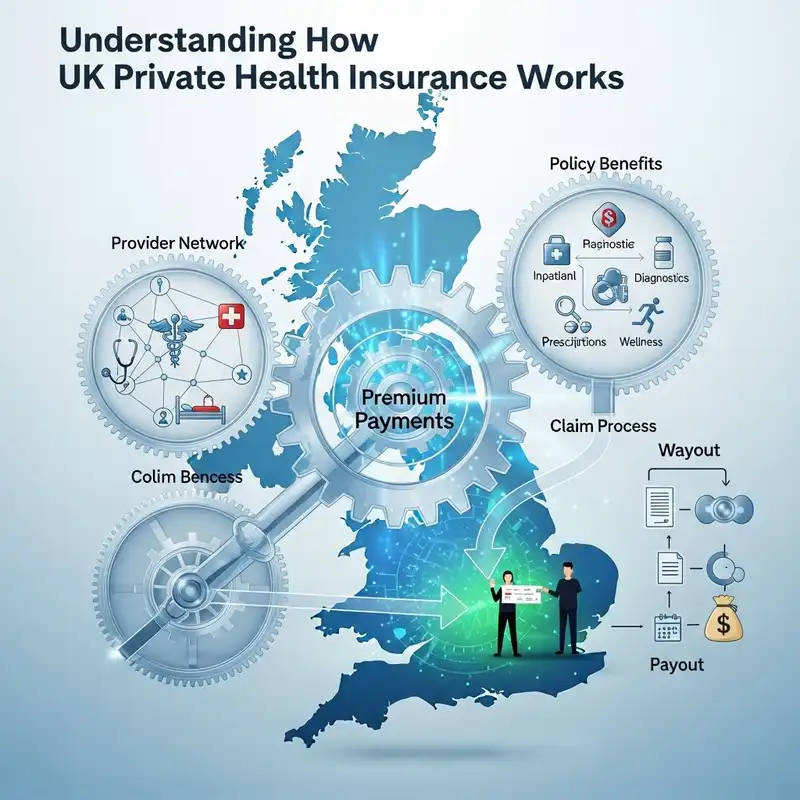
TL;DR
The state of dentistry in the UK has reached a critical juncture. This profound challenge forces many to consider private dental options, often at a significant out-of-pocket cost. But what role does private health insurance play in this landscape?
Key takeaways
- Funding Model: The current NHS dental contract, introduced in 2006, is widely criticised by dentists for prioritising volume over complexity and quality of care. It discourages preventative work and makes it economically challenging for practices to treat patients with complex needs.
- Workforce Shortages: Many dentists are choosing to reduce their NHS work or leave the service entirely due to burnout, administrative burdens, and frustration with the contract. Recruitment and retention, particularly in rural areas, are significant challenges.
- Pandemic Backlog: The COVID-19 pandemic severely disrupted dental services, creating a massive backlog of appointments and treatments that the system is still struggling to clear.
- Public Awareness: While awareness of the importance of oral health is growing, some people still only seek dental care when a problem becomes severe, adding to the burden on emergency services.
UK Private Health Insurance and the Dental Crisis Accessing Specialist and Cosmetic Care
The state of dentistry in the UK has reached a critical juncture. For millions, accessing timely and affordable NHS dental care has become an insurmountable challenge, leading to what many are calling a full-blown "dental crisis." Long waiting lists, the emergence of "dental deserts" where no NHS dentists are taking new patients, and the sheer difficulty in securing even routine check-ups have left a significant portion of the population in pain, distress, and facing deteriorating oral health.
This profound challenge forces many to consider private dental options, often at a significant out-of-pocket cost. But what role does private health insurance play in this landscape? Can your private medical insurance (PMI) policy truly unlock access to the specialist and cosmetic dental care you might need? The answer, as with many aspects of insurance, is nuanced.
In this comprehensive guide, we'll delve deep into the UK dental crisis, explore the intricacies of private dental care, and most importantly, clarify how private health insurance fits into this complex picture. We'll examine the types of dental coverage available, demystify what's covered (and what isn't), and provide practical advice on how to navigate your options to ensure your oral health doesn't become a casualty of the current system.
The UK Dental Crisis: A Deep Dive into Access and Impact
The signs of a struggling NHS dental service are everywhere. From queues forming outside practices for rare appointment slots to national surveys revealing widespread inability to access care, the situation is dire.
The Scale of the Problem: NHS Access in Decline
Recent years have seen a dramatic decline in the accessibility of NHS dentistry. A survey by the British Dental Association (BDA) in 2022 revealed that 9 out of 10 NHS dental practices across the UK were unable to offer appointments to new adult patients. For children, the figure was only marginally better, with 8 out of 10 practices unable to take on new young patients.
This lack of access manifests in several alarming ways:
- Dental Deserts: Vast swathes of the country have become "dental deserts," areas where there are effectively no NHS dental practices accepting new adult patients. These are often in rural or deprived areas, exacerbating health inequalities.
- Emergency Care Strain: With routine care elusive, many patients defer treatment until their condition becomes an emergency. This puts immense pressure on hospital A&E departments, which are ill-equipped to provide comprehensive dental care, and often simply offer pain relief or antibiotics. In 2022, there were over 100,000 attendances at A&E for dental problems, a clear indicator of the system's failure to provide preventative care.
- Waiting Lists: Even for existing patients, securing timely appointments for anything beyond a check-up can involve significant waiting periods for treatments like extractions or root canals.
- Geographical Disparities: The crisis isn't uniform. Some regions are hit far harder than others, with the North East, Yorkshire, and the South West frequently cited as areas with the most severe access issues.
Impact on Public Health and Wellbeing
The inability to access dental care has profound consequences that extend far beyond toothache:
- Deteriorating Oral Health: Untreated dental problems can rapidly escalate. A small cavity, if left, can lead to painful abscesses, infections, and eventually tooth loss. This not only causes physical discomfort but can also affect a person's ability to eat, speak, and socialise.
- Wider Health Implications: Oral health is inextricably linked to general health. Poor dental hygiene and untreated infections have been associated with a higher risk of serious conditions, including heart disease, stroke, diabetes complications, and even certain types of cancer. For pregnant women, poor oral health can pose risks to both mother and baby.
- Mental Health Impact: Chronic pain, difficulty eating, and embarrassment over one's smile can significantly impact mental wellbeing, leading to anxiety, depression, and reduced quality of life.
- Economic Consequences: Individuals missing work due to dental pain, or having to pay for costly emergency private care, face direct economic burdens.
Why is NHS Dentistry Struggling?
The crisis is multifaceted, stemming from a combination of long-standing issues and more recent pressures:
- Funding Model: The current NHS dental contract, introduced in 2006, is widely criticised by dentists for prioritising volume over complexity and quality of care. It discourages preventative work and makes it economically challenging for practices to treat patients with complex needs.
- Workforce Shortages: Many dentists are choosing to reduce their NHS work or leave the service entirely due to burnout, administrative burdens, and frustration with the contract. Recruitment and retention, particularly in rural areas, are significant challenges.
- Pandemic Backlog: The COVID-19 pandemic severely disrupted dental services, creating a massive backlog of appointments and treatments that the system is still struggling to clear.
- Public Awareness: While awareness of the importance of oral health is growing, some people still only seek dental care when a problem becomes severe, adding to the burden on emergency services.
In the face of these challenges, an increasing number of individuals and families are turning their attention to private dental care, seeking a more reliable and comprehensive solution to their oral health needs.
Understanding Private Dental Care in the UK
Private dental care offers a stark contrast to the NHS system, primarily in terms of access, choice, and the range of services available.
Distinction Between NHS and Private Dental Care
The fundamental difference lies in funding and the scope of treatment:
- NHS Dentistry: Focused on providing a basic level of care to keep your mouth healthy, prevent disease, and address urgent issues. Treatments are subsidised by the government, meaning patients pay a set charge (band 1, 2, or 3) regardless of the specific procedures within that band. Cosmetic treatments or more advanced restorative procedures are generally not available unless deemed clinically necessary.
- Private Dentistry: Patients pay the full cost of treatment, which is set by the individual practice. This allows practices to invest in the latest technology, offer a wider range of materials, provide longer appointment times, and perform elective or cosmetic procedures. There's no limit on the number of patients a private practice can take on, and wait times are typically much shorter.
Types of Private Dental Treatments
Private practices offer a full spectrum of dental services, often categorised as:
-
General/Routine Care:
- Check-ups and examinations
- Scale and polish (hygiene)
- Fillings (often with a wider choice of materials like white composite)
- X-rays
- Extractions
-
Major Restorative Care:
- Crowns (ceramic, porcelain, gold)
- Bridges
- Dentures (partial and full)
- Inlays and onlays
- Root canal treatment (endodontics)
-
Specialist Care:
- Orthodontics: Braces (traditional, ceramic, lingual), clear aligners (e.g., Invisalign) for correcting misaligned teeth and bites.
- Periodontics: Treatment for gum disease, including deep cleaning, gum surgery, and bone grafting.
- Oral Surgery: Procedures like complex tooth extractions (e.g., impacted wisdom teeth), dental implant placement, and jaw surgery.
- Endodontics: Highly specialised root canal treatments, especially for complex or re-treatment cases.
- Prosthodontics: Advanced restorative dentistry, including complex full mouth rehabilitations, implants, and intricate crown and bridge work.
-
Cosmetic Dentistry:
- Teeth whitening
- Veneers (porcelain or composite)
- Composite bonding
- Gum contouring
- Smile makeovers
Costs Involved in Private Dental Care
The cost of private dental care varies significantly depending on the practice's location, the dentist's experience, and the complexity of the procedure. However, it's generally much higher than NHS charges for comparable treatments.
Here's an estimated range of average private dental procedure costs in the UK:
| Procedure | Average Cost Range (£) | Notes |
|---|---|---|
| General/Routine Care | ||
| Routine Check-up | £40 - £80 | Excl. X-rays |
| X-ray (Per film) | £10 - £25 | |
| Scale & Polish (Hygienist) | £50 - £120 | Depending on time and severity |
| White Filling (Composite) | £80 - £300 | Price varies significantly by size and tooth location |
| Amalgam Filling (Silver) | £60 - £200 | Less common in private practice unless preferred by patient |
| Major Restorative Care | ||
| Simple Extraction | £90 - £250 | More complex extractions will be higher |
| Root Canal Treatment (Front Tooth) | £300 - £600 | Incisor/Canine |
| Root Canal Treatment (Premolar) | £450 - £800 | |
| Root Canal Treatment (Molar) | £600 - £1,200 | More complex due to multiple root canals |
| Crown (Porcelain/Ceramic) | £500 - £1,500+ | Material and lab fees influence cost |
| Bridge (Per unit) | £450 - £1,200+ | Each tooth involved is a 'unit' |
| Dentures (Partial) | £400 - £1,500+ | Acrylic or metal, number of teeth |
| Dentures (Full Arch) | £1,000 - £3,000+ | |
| Specialist & Complex Care | ||
| Dental Implant (Single) | £2,000 - £4,000+ | Includes implant, abutment, and crown; can be more for bone grafts |
| Orthodontics (Traditional Braces) | £1,500 - £4,500+ | Upper and lower arches |
| Orthodontics (Clear Aligners/Invisalign) | £2,500 - £5,500+ | Comprehensive treatment |
| Periodontal Treatment (Deep Cleaning) | £150 - £300 per session | Multiple sessions often required |
| Cosmetic Dentistry | ||
| Teeth Whitening (Home Kit) | £200 - £400 | |
| Teeth Whitening (In-Surgery) | £300 - £600 | Often combined with home kit |
| Porcelain Veneer (Per tooth) | £500 - £1,200+ | |
| Composite Bonding (Per tooth) | £150 - £450 |
Note: These are average estimates. Actual costs will vary by practice and individual case complexity.
Advantages of Private Dental Care
Despite the higher costs, private dental care offers compelling advantages for those who can access it:
- Faster Access to Care: Significantly reduced waiting times for appointments and treatments, often next-day or within a few days.
- Choice and Continuity of Care: You can choose your dentist and hygienist, build a relationship, and see the same practitioner for all your appointments.
- Advanced Techniques and Materials: Access to the latest dental technologies, high-quality materials (e.g., advanced ceramics for crowns, digital scanning), and a wider range of treatment options.
- Flexible Appointment Times: Many private practices offer early morning, late evening, or weekend appointments to fit around work and family commitments.
- Focus on Patient Experience: Private practices often prioritise comfort, offering amenities like comfortable waiting areas, private treatment rooms, and a more personalised approach to care.
- Aesthetic Focus: Private dentistry can incorporate aesthetic considerations into all treatments, not just purely cosmetic ones, aiming for results that are both functional and visually pleasing.
Given the significant costs associated with private dental care, many people wonder if their private health insurance can step in to ease the financial burden. This leads us to a crucial question: what exactly does private health insurance cover when it comes to your teeth?
Does Private Health Insurance Cover Dental Care? The Nuances Explained
This is perhaps the most common question we receive at WeCovr, and it's essential to understand the distinction. In short, while private health insurance (PMI) primarily covers medical conditions, many insurers offer separate dental plans or dental modules that can be added to a PMI policy.
Core Private Medical Insurance (PMI): A Separate Entity from Dental
Generally speaking, your standard private medical insurance policy is designed to cover the costs of medical treatment for acute conditions that develop after your policy starts. This includes:
- Consultant fees
- Hospital charges (inpatient and outpatient)
- Diagnostic tests (MRIs, X-rays, blood tests)
- Surgery
- Cancer treatment
- Physiotherapy
Crucially, core PMI typically does NOT cover routine dental check-ups, fillings, extractions, or most specialist dental procedures. This is because dental care is traditionally considered a distinct area of healthcare, often managed under separate professional bodies and funding structures.
However, there are exceptions: If a dental issue arises directly as a result of a medical condition covered by your PMI (e.g., oral cancer requiring jaw surgery and subsequent dental reconstruction), or if a procedure requires hospital admission and is performed by an oral surgeon (who is considered a medical specialist), then parts of the treatment might be covered. We'll explore this further in the next section.
Dental Add-ons and Modules: Where Coverage Begins
To bridge this gap, many private health insurers and specialist dental insurers offer specific dental insurance plans or optional add-ons to their PMI policies. These are designed to help with the costs of private dental care.
These plans typically fall into categories, with different levels of cover:
-
Routine Dental Care:
- What it covers: This is the most basic level, usually covering a percentage of the cost (e.g., 80% or 100% up to an annual limit) for:
- Check-ups
- Scale and polish (hygiene appointments)
- X-rays
- Simple fillings (e.g., white or amalgam)
- Limits: Typically, there's an annual limit for routine care, which can range from £100 to £500, depending on the policy.
- What it covers: This is the most basic level, usually covering a percentage of the cost (e.g., 80% or 100% up to an annual limit) for:
-
Major Restorative Care:
- What it covers: This level adds coverage for more complex procedures:
- Crowns
- Bridges
- Dentures
- Root canal treatments (endodontics)
- Complex extractions
- Limits (illustrative): Higher annual limits apply for major restorative work, often ranging from £500 to £1,500 or more. Co-payments (where you pay a percentage of the cost) are common with these types of claims.
- What it covers: This level adds coverage for more complex procedures:
-
Specialist Dental Care:
- What it covers: Some higher-tier dental plans or specific add-ons may extend to a percentage of specialist treatments:
- Orthodontics: Often limited, particularly for adults, and may only cover children for medically necessary (not cosmetic) cases, with significant waiting periods or co-payments.
- Periodontics: Treatment for gum disease beyond routine scale and polish, such as deep cleaning or minor gum surgery.
- Oral Surgery: Procedures performed by an oral surgeon, often in a dental practice setting (as opposed to a hospital).
- Limits: These categories often have sub-limits or a lower percentage of reimbursement.
- What it covers: Some higher-tier dental plans or specific add-ons may extend to a percentage of specialist treatments:
-
Accidental Damage:
- What it covers: This is a common and valuable feature, covering costs if your teeth are damaged due to an accident (e.g., a fall, sporting injury). This can include emergency treatment, repairs, or even replacement of teeth.
- Limits: Often has a separate, higher limit, as these can be very costly incidents.
-
Dental Cancer Treatment:
- What it covers: Some policies offer specific coverage for dental treatment necessitated by oral cancer or its treatment (e.g., radiotherapy damage). This is often linked more closely to the medical insurance component.
Get a quote through WeCovr, and a specialist from WeCovr or one of its broker partners will help you compare policies from a range of UK insurers.
Limits, Exclusions, and the Crucial Role of Pre-existing Conditions
Understanding the limitations of dental insurance is vital to avoid disappointment:
- Annual Limits: All dental plans have maximum annual limits for each category of treatment. Once you hit that limit, you'll pay out-of-pocket for the rest of the policy year.
- Waiting Periods: Most dental insurance policies impose waiting periods before certain benefits become active.
- Routine care: Often 0-3 months.
- Major restorative work: Typically 3-6 months, sometimes up to a year.
- Orthodontics: Can be 6-12 months or even longer.
- This prevents people from buying a policy just to cover immediate, expensive treatment.
- Excesses/Co-payments: You might need to pay an excess (a fixed amount) or a co-payment (a percentage of the claim) for certain treatments. For example, the insurer might pay 70% of a crown, and you pay the remaining 30%.
- Pre-existing Conditions: This is a critical point across all private insurance. Private health insurance and dental insurance will generally NOT cover conditions that existed before you took out the policy. This means if you have an ongoing gum disease issue, a missing tooth, or a condition that requires an immediate root canal when you apply, these specific issues are very unlikely to be covered. Insurers look for acute conditions that arise after the policy begins.
- Chronic Conditions: Similarly, chronic dental conditions (e.g., ongoing periodontitis requiring continuous treatment) are also typically excluded, as insurance is designed for acute, short-term issues, not long-term maintenance.
- Elective/Cosmetic Procedures: Unless explicitly stated and almost universally, purely cosmetic procedures (like teeth whitening, veneers for aesthetic reasons, or orthodontic treatment solely for improving appearance) are not covered by dental insurance or PMI.
Cosmetic Dentistry: A Universal Exclusion (with Rare Exceptions)
The vast majority of private health and dental insurance policies specifically exclude cosmetic dentistry. Why? Because these procedures are elective and performed for aesthetic enhancement rather than medical necessity.
- Examples of Excluded Cosmetic Treatments:
- Teeth whitening
- Porcelain veneers or composite bonding for aesthetic purposes
- Cosmetic orthodontic treatment (e.g., Invisalign for minor alignment)
- Gum contouring purely for aesthetic reasons
Rare Exceptions: In very specific circumstances, a procedure that has a cosmetic outcome might be covered if it is a direct and medically necessary consequence of an injury or illness covered by your primary PMI. For example, if you are involved in an accident and damage your front teeth, the repair or replacement might be covered under the accidental damage clause, even if the new tooth looks aesthetically pleasing. However, this is distinct from choosing to have veneers purely to improve your smile.
Understanding these nuances is key. It highlights why it's so important to read policy documents carefully and, ideally, speak to an expert who can clarify what is and isn't covered.
The Link Between Private Medical Insurance and Specialist Dental Care
While core PMI generally excludes routine dental care, there are specific scenarios where your private medical insurance can provide coverage for dental-related issues, particularly those requiring specialist intervention or hospitalisation.
The key distinction here is whether the dental procedure is considered a 'medical' necessity falling under the remit of a medical specialist (like an oral surgeon) rather than a general dentist.
When PMI Might Cover Dental-Related Issues:
-
Oral Surgery Performed in a Hospital Setting:
- What's covered: If a dental issue requires a surgical procedure that is complex enough to necessitate hospital admission (e.g., general anaesthesia, overnight stay) and is performed by an oral and maxillofacial surgeon (who is a medically qualified specialist), your PMI might cover it.
- Examples:
- Impacted Wisdom Teeth: If wisdom teeth are severely impacted, causing infection, cysts, or damage to adjacent teeth, and require removal under general anaesthesia in a hospital.
- Cysts or Tumours in the Jaw/Mouth: Removal of benign or malignant growths from the jawbone, gums, or oral soft tissues.
- Jaw Problems (TMJ): Severe temporomandibular joint (TMJ) disorders that require surgical intervention.
- Complex Extractions: Very difficult extractions that cannot be performed safely in a dental chair and require a hospital environment.
- Key Criterion: The procedure must be listed as an eligible surgical procedure within your PMI policy, and performed by a recognised specialist (oral and maxillofacial surgeon or consultant).
-
Dental Treatment Arising from a Covered Medical Condition:
- What's covered: If a dental problem is a direct complication of a medical condition that your PMI is covering, then the necessary dental treatment might also be included.
- Examples:
- Oral Cancer: If you are undergoing treatment for oral cancer, and the cancer or its treatment (e.g., radiotherapy) damages your teeth or jawbone, subsequent dental reconstruction (e.g., implants, bridges) to restore function might be covered.
- Trauma/Accident: As mentioned earlier, if a severe accident causes facial trauma that impacts your teeth, and the overall injury may be covered by your PMI, then the necessary dental repairs might be included as part of the reconstructive surgery. This is distinct from a standalone dental accidental damage policy.
-
Consultations with Oral Surgeons:
- If your GP or a dentist refers you to a consultant oral and maxillofacial surgeon for a diagnosis or treatment plan related to a potentially coverable medical condition (e.g., jaw pain, suspicious lump, complex wisdom tooth issue), the consultation fees are often covered by your PMI, similar to seeing any other medical specialist.
The Referral and Pre-authorisation Process
Accessing cover through your PMI for dental-related issues typically follows the standard private medical insurance process:
- GP Referral: You would usually start by seeing your NHS GP or a private GP (if covered by your PMI's GP module).
- Specialist Referral: Your GP or a dentist would then refer you to an appropriate medical specialist, such as a Consultant Oral and Maxillofacial Surgeon.
- Pre-authorisation: Before any consultation or treatment, you must contact your private health insurer to obtain pre-authorisation. This is crucial. You'll need to provide details of the specialist, the proposed treatment, and the medical necessity. The insurer will assess if the condition is acute, eligible for cover, and not pre-existing.
- Treatment: Once pre-authorised, you can proceed with the consultation, diagnostics, and treatment in an approved hospital or outpatient facility.
It's imperative to always seek pre-authorisation. Failure to do so can result in your claim being denied, leaving you responsible for the full cost.
Get a quote through WeCovr, and a specialist from WeCovr or one of its broker partners will help you compare policies from a range of UK insurers.
Navigating Specialist Dental Care: Orthodontics, Periodontics & Endodontics
Beyond the general PMI crossover, dedicated dental insurance plans or modules have specific provisions, often limited, for various specialist dental fields.
Orthodontics: Limited Coverage, Especially for Adults
Orthodontic treatment (braces, aligners) aims to correct misaligned teeth and jaws. It's often one of the most expensive dental treatments.
- NHS Orthodontics: Heavily restricted. Only available to children under 18 with severe malocclusion (defined by the IOTN scale – Index of Orthodontic Treatment Need). Waiting lists are notoriously long.
- Private Dental Insurance Coverage:
- Children: Some policies may offer limited coverage for children's orthodontics, usually if it meets a certain level of medical necessity (similar to the NHS IOTN criteria). There will almost certainly be an annual limit (e.g., £500-£1,000) and a significant waiting period (e.g., 12-24 months) before claims can be made. This usually only covers a small portion of the overall cost.
- Adults: Adult orthodontics is almost universally considered cosmetic unless there's a severe underlying medical condition impacting bite and function. Therefore, it's rarely, if ever, covered by private dental insurance. Clear aligners like Invisalign are typically treated as purely cosmetic.
- Accidental Damage: If orthodontic work is required due to an accident (e.g., teeth knocked out of alignment), the accidental damage clause might kick in, potentially covering the repair or new treatment.
Periodontics: Coverage for Gum Disease
Periodontics focuses on the prevention, diagnosis, and treatment of gum disease (gingivitis and periodontitis).
- Private Dental Insurance Coverage:
- Many dental plans will offer some level of coverage for periodontal treatment beyond routine scale and polish. This can include:
- Deep cleaning (root planing and scaling)
- Gum surgery (though this might fall under major restorative or a specific surgical dental benefit).
- Conditions: Coverage is usually subject to:
- Annual limits (often shared with major restorative categories).
- Co-payments (you pay a percentage).
- A clear diagnosis of periodontal disease from a periodontist or dentist.
- Pre-existing Conditions: If you already have active, diagnosed periodontitis when you take out the policy, future treatment for that specific pre-existing condition would typically be excluded. Coverage would apply to new or worsening conditions that develop after the waiting period.
- Many dental plans will offer some level of coverage for periodontal treatment beyond routine scale and polish. This can include:
Endodontics: Root Canal Treatment
Endodontics is the branch of dentistry dealing with the dental pulp and tissues surrounding the roots of a tooth. The most common procedure is root canal treatment.
- Private Dental Insurance Coverage:
- Root canal treatment is generally covered under the "major restorative" or "complex treatment" category of most private dental insurance plans.
- Limits: Subject to the annual limit for major restorative work.
- Co-payments: Often, there's a co-payment percentage (e.g., insurer pays 70%, you pay 30%).
- Specialist Endodontist: If the root canal is complex and requires a specialist endodontist, the insurer might cover a percentage of their fees, provided the overall cost is within your policy's limits.
- Re-treatment: If a previous root canal fails and requires re-treatment, this might also be covered, but again, pre-existing clauses would apply if the initial issue was present before the policy.
In summary, while specialist dental care can be covered by private dental insurance add-ons, the coverage is often limited by annual caps, co-payments, and strict exclusions for pre-existing conditions and purely cosmetic motivations. It's vital to read the policy wording carefully.
The Appeal of Cosmetic Dentistry & Its Lack of PMI Coverage
Cosmetic dentistry has seen a surge in popularity, driven by social media, celebrity culture, and increased awareness of aesthetic possibilities. It focuses on improving the appearance of teeth, gums, and bite.
Types of Popular Cosmetic Procedures
- Teeth Whitening: Non-invasive procedure to lighten the shade of teeth.
- Veneers: Thin, custom-made shells of porcelain or composite resin bonded to the front surface of teeth to improve shape, colour, and alignment.
- Composite Bonding: Using tooth-coloured resin to repair chips, cracks, or reshape teeth aesthetically.
- Dental Implants: While often used for functional tooth replacement, they can be part of a cosmetic smile makeover.
- Clear Aligners (e.g., Invisalign): Popular alternative to traditional braces for discreet teeth straightening.
- Gum Contouring: Reshaping gum tissue to improve the appearance of the gum line.
Why Private Medical Insurance (and Most Dental Insurance) Doesn't Cover It
The reason for the widespread exclusion of cosmetic dentistry from private health insurance and most dental insurance policies is fundamental:
- Elective vs. Medically Necessary: Insurance is designed to cover medically necessary treatment for acute conditions that impact health or function. Cosmetic procedures are, by definition, elective – chosen by the patient for aesthetic improvement, not because they are required to treat a disease or injury.
- No Underlying Health Condition: There's no underlying 'illness' or 'injury' that cosmetic dentistry is treating. It's a choice to enhance appearance.
- Cost vs. Benefit: The costs of cosmetic procedures can be substantial, and allowing coverage would open the door to limitless claims for aesthetic desires, making insurance premiums unaffordable.
Reiteration: While some policies may cover reconstructive work following an injury or disease that results in an aesthetic improvement, this is distinct from choosing to have veneers purely to enhance your smile. If the primary reason for treatment is cosmetic, it will not be covered.
Alternative Payment Options for Cosmetic Dentistry
Given the lack of insurance cover, individuals seeking cosmetic dentistry typically rely on:
- Self-Funding: Paying for the treatment out-of-pocket, upfront or in stages.
- Dental Payment Plans: Many private dental practices offer in-house payment plans or interest-free credit options to spread the cost over several months or years.
- Dental Savings Plans/Memberships: Some practices offer monthly membership schemes that provide discounts on treatments and include routine check-ups and hygiene. While not insurance, they can make private care more affordable.
- Personal Loans: Obtaining a personal loan from a bank or credit union.
For purely cosmetic dental work, the responsibility for funding falls squarely on the individual.
Benefits of Combining Private Health Insurance with Dental Cover
Despite the limitations, there are significant advantages to having both private medical insurance and a robust dental cover add-on, especially in the current UK climate.
Peace of Mind and Comprehensive Protection
- Knowing you have a pathway to swift medical and dental care provides immense peace of mind. You won't be left navigating the uncertainties of NHS waiting lists for critical conditions, whether medical or complex dental.
- It offers a more holistic approach to your health, recognising the interconnectedness of oral and general wellbeing.
Faster Access to Care
- Medical: Faster access, where available, to consultations, diagnostics, and treatment for medical conditions, avoiding lengthy NHS waiting times.
- Dental: Significantly reduced waiting times for routine appointments, fillings, and even more complex procedures compared to NHS dentistry.
Choice and Control
- Medical: Choose your consultant, hospital, and appointment times.
- Dental: Choose your private dentist and specialist, and often have more flexibility with appointment slots. You have a greater say in treatment plans and materials used.
Access to Advanced Techniques and Materials
- Medical: Access to the latest medical technologies, drugs, and surgical techniques.
- Dental: Private dental practices often use state-of-the-art equipment, advanced materials (e.g., high-quality ceramics for crowns, digital scanners), and offer a wider range of treatments not available on the NHS.
Reduced Out-of-Pocket Costs
- While dental add-ons don't cover everything, they significantly reduce the financial burden of unexpected dental issues or even routine care, potentially saving hundreds or thousands of pounds annually.
- For eligible medical conditions, PMI covers the vast majority of costs, removing the financial stress from a health crisis.
Continuity of Care
- Having a private GP and private dentist allows for a more integrated and personalised approach to your health. Your private GP can readily refer you to an appropriate medical specialist, while your chosen private dentist can manage your oral health consistently.
In a system where both medical and dental NHS services face significant pressures, a comprehensive private health and dental package provides a robust safety net and a pathway to high-quality, timely care.
Choosing the Right Private Dental & Health Insurance Plan
Selecting a strong fit for your needs requires careful consideration of your needs, budget, and the intricacies of different plans. This is where expert guidance becomes invaluable.
Assess Your Needs
Before you start comparing policies, ask yourself:
- How often do you visit the dentist? Are you diligent with routine check-ups and hygiene, or do you only go when there's a problem?
- What is your current oral health like? Do you have any ongoing issues? (Remember pre-existing conditions are generally excluded).
- Do you anticipate needing specialist care? (e.g., orthodontics for children, periodontics if you have gum concerns).
- Are you looking for coverage for your whole family? Many policies offer family discounts.
- What's your budget? Premiums vary widely based on the level of cover.
- Are you purely looking for dental, or a combined medical and dental package?
Understand Policy Types
- Standalone Dental Insurance: You purchase a dental policy independently of your medical insurance. This is good if you only want dental cover.
- Dental Module/Add-on to PMI: Many private medical insurers offer dental cover as an optional extra to their core PMI policy. This can sometimes be more convenient or offer better value if you're already buying PMI.
Key Features to Compare
When looking at policies, pay close attention to:
- Annual Limits:
- How much may be covered for routine care?
- What are the limits for major restorative work (crowns, root canals)?
- Are there separate limits for specialist treatments like orthodontics or accidental damage?
- Example Table: Typical Dental Benefits & Limits
| Benefit Category | Annual Limit Range (Approx.) | Typical Reimbursement (% of cost) | Common Waiting Period |
|---|---|---|---|
| Routine Care (Check-ups, X-rays, Scale & Polish) | £100 - £500 | 80% - 100% | 0-3 months |
| General Restorative (Fillings, Simple Extractions) | £200 - £750 | 80% - 100% | 0-3 months |
| Major Restorative (Crowns, Bridges, Dentures, Root Canals) | £500 - £1,500+ | 50% - 80% | 3-6 months |
| Accidental Damage | £1,000 - £10,000+ | 100% | 0 months (immediate) |
| Oral Cancer Treatment | Unlimited (often under main PMI) | 100% | Varies (often 3-6 months) |
| Orthodontics (Children) | £500 - £1,000 | 25% - 50% | 12-24 months |
| Emergency Dental Treatment | £100 - £300 | 100% | 0 months |
- Waiting Periods: Be clear on how long you need to wait before you can claim for different types of treatment.
- Excesses/Co-payments: Understand what percentage of the cost you'll still be responsible for, especially for major treatments.
- Network of Dentists/Specialists: Do you have to use dentists within a specific network, or can you go to any registered private dentist?
- Pre-existing Conditions Clause: Reconfirm that existing issues won't be covered. Be honest and thorough in your application to avoid later claim rejections.
- Claim Process: How easy is it to make a claim? Is it done online, by post, or through an app?
- Renewal Terms: How do premiums increase at renewal? Are there loyalty benefits?
- Customer Service: What is the insurer's reputation for customer service?
The Invaluable Role of a WeCovr Specialist or Trusted Broker Partner
Navigating the multitude of private health and dental insurance options can be overwhelming. Each insurer has slightly different policy wordings, limits, and exclusions. This is where an WeCovr specialist or one of our broker partners can make a significant difference.
- Unbiased Advice: As regulated brokers, we don't work for a single insurer. Our loyalty is to you. We provide regulated advice tailored to your specific circumstances and budget.
- Comprehensive Comparison: We have access to policies from all major UK health and dental insurers. We can quickly compare plans side-by-side, highlighting the pros and cons of each, saving you hours of research.
- Expert Knowledge: We understand the nuances of policy wordings, limits, waiting periods, and the critical pre-existing conditions clauses. We can clarify exactly what will and won't be covered, especially regarding specialist and cosmetic dental care.
- Simplifying the Process: We assist you through the application process, ensuring all necessary information is provided accurately, which helps prevent future claim issues.
- Ongoing Support: Our support doesn't end once you've purchased a policy. We're here to answer questions throughout your policy year and help with renewals or changes.
- No Separate Broker Fee: Our services are entirely free to you. We are paid a commission directly by the insurer if you take out a policy through us, which does not affect your premium. This means you get regulated guidance and support without any additional financial burden.
Choosing the right cover can feel complex, but with WeCovr, you have a partner dedicated to finding the right fit for your health and dental needs.
The Application and Claim Process
Understanding how to apply for and claim on your private health or dental insurance is crucial for a smooth experience.
Applying for a Policy
- Initial Contact (e.g., WeCovr): Start by discussing your needs with an expert broker. We will gather information about your age, lifestyle, existing health (and dental) conditions, and what you want to cover.
- Policy Comparison: We will present you with suitable options from various insurers, explaining the benefits, limits, excesses, and premiums for each.
- Application Form: Once you've chosen a policy, you'll complete an application form. This requires full disclosure of your medical and dental history. Be truthful and comprehensive, especially regarding pre-existing conditions. Insurers will often ask specific questions about any dental problems you've had in the last 5 years.
- Underwriting: The insurer will assess your application based on the information provided. They might ask for further details from your GP or dentist (with your consent).
- Policy Issuance: If approved, you'll receive your policy documents, outlining your coverage, terms, and conditions. Read these carefully.
Making a Claim
The claim process varies slightly between insurers but generally follows these steps:
- Consult a Professional:
- Medical: For medical conditions, usually see your GP first for a referral to a specialist.
- Dental: For dental issues, see your private dentist.
- Obtain a Diagnosis and Treatment Plan: Your specialist or dentist will diagnose your condition and propose a treatment plan, including estimated costs.
- Contact Your Insurer (Pre-authorisation is Key!):
- Medical: For all medical treatments (consultations, diagnostics, surgery), you must contact your private medical insurer before undergoing any procedure to get pre-authorisation. They will check if the condition may be covered and if the proposed treatment is eligible.
- Dental (illustrative): For routine dental care, some policies allow you to simply pay and claim back. For major restorative or specialist dental work, many dental plans also require pre-authorisation if the cost exceeds a certain amount (e.g., £250). Always check your policy.
- Undergo Treatment: Once pre-authorised, you can proceed with the treatment.
- Submit Your Claim:
- Direct Settlement: For medical claims, hospitals and consultants often bill the insurer directly, provided you have pre-authorisation.
- Pay and Reclaim: For dental claims, you will typically pay the dentist upfront and then submit your receipt and claim form to your insurer for reimbursement.
- Reimbursement: The insurer will process your claim and reimburse you according to your policy's terms (e.g., after deducting any excess or applying the co-payment percentage).
What to Do If a Claim is Rejected
If your claim is rejected, it's important to understand why:
- Review the Reason: The insurer will provide a reason for rejection (e.g., pre-existing condition, exclusion, no pre-authorisation, exceeded limits).
- Check Policy Wording: Compare the rejection reason against your policy documents.
- Appeal: If you believe the rejection is incorrect, gather any supporting documentation (medical reports, dental notes, communication with the insurer) and submit a formal appeal to the insurer.
- Ombudsman: If your appeal is unsuccessful and you remain dissatisfied, you can escalate your complaint to the Financial Ombudsman Service (FOS), an independent body that resolves disputes between consumers and financial firms.
Clear communication with your insurer and understanding your policy are your best tools for a smooth claims experience.
Future Outlook: Bridging the Gap
The UK's dental crisis is unlikely to abate quickly. While the government has made some pledges to address NHS dental access, fundamental reform of the dental contract and a significant increase in funding and workforce capacity will be required for a substantial turnaround.
In the interim, and likely for the foreseeable future, private dental care will play an increasingly vital role in meeting the nation's oral health needs.
- Growing Private Sector: We can anticipate continued growth in the private dental market as more people are forced to seek solutions outside the NHS.
- Increased Demand for Insurance: This will naturally drive demand for private dental insurance and more comprehensive health insurance packages that offer some level of dental cover. Insurers may innovate to offer more competitive and varied dental plans.
- Technological Advancements: Private dentistry will continue to lead in adopting new technologies (e.g., AI diagnostics, 3D printing, advanced materials), further differentiating it from the more constrained NHS offerings.
- Prevention Focus: There's a growing recognition within the private sector of the value of preventative care and regular hygiene appointments to reduce the need for more costly, complex treatments down the line.
While private options offer a lifeline, they also highlight a widening disparity in access to quality dental care based on ability to pay. The challenge for policymakers will be to ensure that while the private sector grows, the core principles of universal access to essential healthcare, including dentistry, are not entirely eroded. For now, for those who can, private health and dental insurance offers a pragmatic and necessary solution.
Conclusion
The UK dental crisis is a stark reality, leaving millions struggling to access even basic care. In this challenging environment, private dental care has emerged as a crucial alternative, offering faster access, greater choice, and advanced treatment options.
While your core private medical insurance policy typically doesn't cover routine dental care, many well-known insurers offer comprehensive dental add-ons or standalone plans. These can significantly ease the financial burden of check-ups, fillings, crowns, and even some specialist treatments like root canals and gum therapy. However, it's vital to remember that pre-existing conditions are generally excluded, and purely cosmetic procedures are almost universally not covered. In very specific circumstances, if a dental issue arises from a covered medical condition or requires a hospital-based oral surgeon, your main PMI might step in.
Navigating the complexities of these policies can be daunting. Understanding annual limits, waiting periods, excesses, and crucial exclusions like pre-existing and chronic conditions is paramount to avoiding disappointment.
WeCovr specialists and broker partners understand these complexities inside out. We are dedicated to helping you find the most suitable private health and dental insurance from all major UK insurers, tailored to your unique needs and budget. Our regulated guidance is completely unbiased and comes with no separate broker fee, ensuring you get the most suitable coverage without the hassle.
Don't let the dental crisis compromise your oral health or overall wellbeing. Explore your private options, understand what’s available, and secure the peace of mind that comes with knowing your dental and medical needs may be covered.
Get a quote through WeCovr, and a specialist from WeCovr or one of its broker partners will help you compare policies from a range of UK insurers.
Sources
- NHS England: Waiting times and referral-to-treatment statistics.
- Office for National Statistics (ONS): Health, mortality, and workforce data.
- NICE: Clinical guidance and technology appraisals.
- Care Quality Commission (CQC): Provider quality and inspection reports.
- UK Health Security Agency (UKHSA): Public health surveillance reports.
- Association of British Insurers (ABI): Health and protection market publications.
Important Information and Risks
No advice: This article is for general information only. It is not financial, legal, insurance, or tax advice, and it is not a personal recommendation. WeCovr does not assess your individual circumstances or recommend a specific product through this article.
Policy exclusions and underwriting: Insurance policies, including life insurance, private medical insurance, critical illness cover, and income protection, are subject to insurer underwriting, eligibility, acceptance criteria, terms, conditions, limits, and exclusions. Pre-existing medical conditions may be excluded, restricted, or accepted on special terms unless an insurer confirms otherwise in writing.
Tax treatment: References to tax treatment, HMRC rules, or business reliefs are based on current UK legislation and guidance, which can change. Tax treatment depends on your personal or business circumstances and may differ from examples in this article.
Before you buy: Always read the Insurance Product Information Document (IPID), policy summary, and full policy terms before buying, renewing, changing, or keeping cover. If you are unsure whether a policy is suitable for you, speak to an insurance adviser.
Compare private health insurance quotes from leading UK insurers
Answer a few quick questions and a specialist from WeCovr or one of its broker partners will help you compare cover from insurers such as Bupa, AXA, Aviva and Vitality. No obligation.
Takes about 2-3 minutes
Compare cover from leading UK insurers
No obligation to buy
Get a quote
Get a private health insurance quote
Answer a few questions, then a specialist helps you compare cover and prices.
Tell us who needs cover
Just you, a partner, your family or your staff.
Compare your options
A specialist compares cover and prices from leading UK insurers.
Decide in your own time
There is no obligation to buy.
What you get
A specialist from WeCovr or one of its broker partners
Options compared across leading UK insurers
No obligation to buy