TL;DR
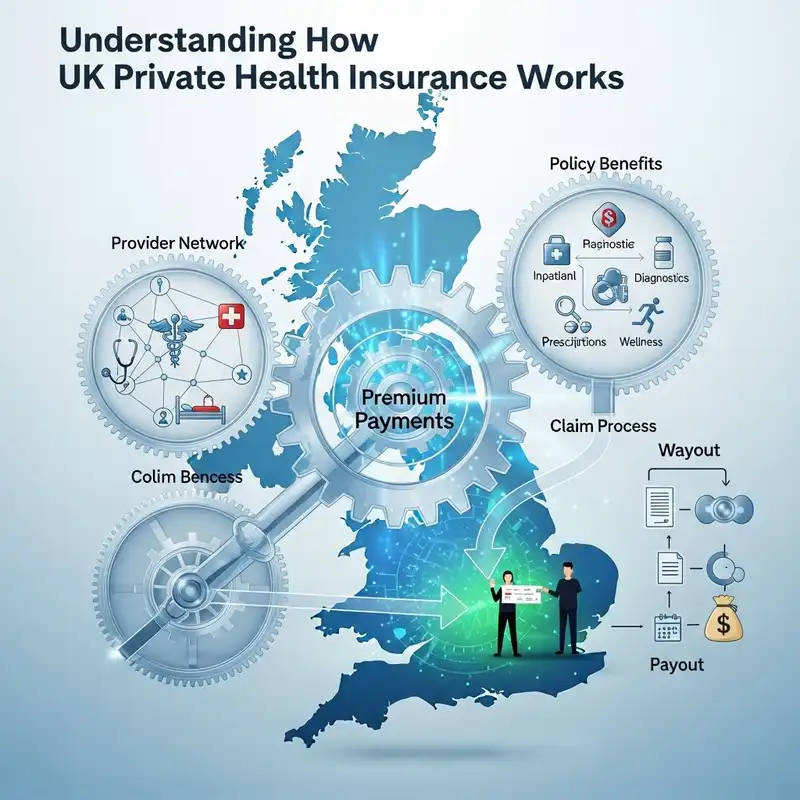
Navigating the complexities of a multi-specialty health condition can be an overwhelming journey. From the initial symptoms to diagnosis, treatment, and ongoing management, these conditions often require the expertise of various medical professionals, state-of-the-art diagnostics, and highly coordinated care. This comprehensive guide delves into how UK Private Medical Insurance can offer a pathway to more seamless care for conditions requiring multi-specialty input, focusing on the acute phases of illnesses.
Key takeaways
- Expedited Access to Specialists: Perhaps the most compelling benefit. Instead of months on an NHS waiting list, PMI often allows for consultations with a chosen specialist within days or weeks. This faster access (where available) is invaluable when symptoms are worsening or a diagnosis is urgently needed.
- Quicker Diagnostics: Access to advanced diagnostic tools like MRI, CT scans, and specific blood tests without delay is crucial for timely and accurate diagnoses in complex cases. PMI typically covers these, accelerating the diagnostic journey.
- Choice and Continuity of Care: PMI allows patients to choose their consultant and often the hospital. This choice can be particularly reassuring when dealing with a complex condition, as it allows for selection based on expertise, reputation, or personal recommendation. It can also foster better continuity of care with the same specialist throughout the acute treatment pathway.
- Access to Specific Treatments and Technologies: Private hospitals often have access to the latest medical technologies, equipment, and sometimes, new treatments or medications not yet widely available or routinely funded on the NHS.
- Coordinated Care: While not universally true for all private providers, many private hospitals and consultants offer a more coordinated approach, especially for complex cases. This can involve facilitating rapid referrals between specialists and ensuring a holistic treatment plan is followed.
Seamlessly Navigate Complex Care: Tailored Pathways for Multi-Specialty Needs
UK Private Health Insurance & Complex Care Pathways – Seamless Navigation for Multi-Specialty Needs
Navigating the complexities of a multi-specialty health condition can be an overwhelming journey. From the initial symptoms to diagnosis, treatment, and ongoing management, these conditions often require the expertise of various medical professionals, state-of-the-art diagnostics, and highly coordinated care. In the UK, while the National Health Service (NHS) provides universal healthcare, the increasing demand and persistent waiting lists, particularly post-pandemic, have led many individuals to explore the benefits of Private Medical Insurance (PMI).
This comprehensive guide delves into how UK Private Medical Insurance can offer a pathway to more seamless care for conditions requiring multi-specialty input, focusing on the acute phases of illnesses. We will explore the nuances of complex care pathways, the specific advantages PMI can offer, and critically, its limitations, particularly regarding pre-existing and chronic conditions. Our aim is to provide an authoritative, insightful, and highly practical resource for anyone considering PMI as a complement to their healthcare provision.
Understanding Complex Care Pathways
A 'complex care pathway' refers to the structured journey a patient undertakes when their health condition requires input from multiple medical specialities, often simultaneously or sequentially. These conditions are typically not straightforward, involving various systems of the body, and their diagnosis and management can be intricate and lengthy.
What Constitutes Complex Care?
Complex care goes beyond a single specialist treating a single ailment. It involves a coordinated approach to a patient's health, often requiring:
- Consultations with several different consultants (e.g., rheumatologist, gastroenterologist, neurologist).
- A wide array of diagnostic tests (e.g., advanced imaging, genetic testing, complex pathology).
- Multidisciplinary team (MDT) meetings to discuss the optimal treatment strategy.
- Coordinated treatment plans that may involve surgery, medication, various therapies (e.g., physiotherapy, occupational therapy, psychological support).
- Ongoing monitoring and adjustments to care.
Examples of Conditions Requiring Multi-Specialty Care
Many conditions fall under the umbrella of complex care, primarily because their symptoms can affect various organs or systems, or their underlying pathology is systemic.
| Condition Type | Examples of Conditions | Key Specialities Often Involved | Why Multi-Specialty Care is Needed |
|---|---|---|---|
| Autoimmune Diseases | Rheumatoid Arthritis, Lupus, Crohn's Disease, MS | Rheumatology, Gastroenterology, Neurology, Dermatology, Ophthalmology, Immunology | Systemic inflammation affects joints, organs, skin; diverse symptoms require varied expertise. |
| Cancers | Lung Cancer, Breast Cancer, Colorectal Cancer | Oncology, Surgery, Radiotherapy, Pathology, Imaging, Palliative Care | Diagnosis, staging, treatment (surgery, chemo, radio), and follow-up require a coordinated approach. |
| Neurological Disorders | Parkinson's Disease, Motor Neurone Disease, Epilepsy | Neurology, Neurosurgery, Physiotherapy, Occupational Therapy, Speech & Language | Progressive conditions affecting various body functions; need for rehabilitation and symptom management. |
| Cardiovascular Diseases | Complex Arrhythmias, Heart Failure, Post-MI Care | Cardiology, Cardiothoracic Surgery, Dietetics, Physiotherapy | Interconnected issues involving heart, vessels, and lifestyle; often requiring surgical and medical input. |
| Long COVID | Post-viral Syndrome | Respiratory, Cardiology, Neurology, Pain Management, Psychiatry, Physiotherapy | Persistent, multi-systemic symptoms requiring a holistic and evolving treatment plan. |
| Rare Diseases | Ehlers-Danlos Syndrome, Cystic Fibrosis | Genetics, Orthopaedics, Gastroenterology, Pulmonology, Pain Management | Inherited conditions with wide-ranging symptoms affecting multiple body systems. |
Challenges within the NHS for Complex Care
While the NHS is a cornerstone of UK healthcare, its capacity and structure can present significant challenges when dealing with conditions requiring complex care pathways.
- Waiting Lists: The most prominent challenge, exacerbated by the pandemic. Patients often face long waits for initial specialist consultations, diagnostic tests, and subsequent treatments. Data from NHS England consistently shows millions of people on waiting lists, with many waiting over 18 weeks for elective care. As of early 2024, the total waiting list for elective care was still over 7 million, with some patients waiting over a year for initial consultations. This delay can be particularly critical for conditions where early diagnosis and intervention can significantly impact prognosis.
- Referral Pathways: Navigating multiple referrals between different specialities can be slow and disjointed within the public system.
- Access to Specific Technologies/Drugs: While the NHS eventually provides access, there can be delays or strict criteria for accessing newer, more expensive treatments or cutting-edge diagnostics.
- Time Constraints: NHS consultations can be time-limited, which can be challenging for discussing complex symptoms and treatment options in detail.
- Geographic Variations: Access to certain specialists or centres of excellence can vary significantly by region.
These challenges highlight why many individuals seek alternative or supplementary options, and this is where Private Medical Insurance can play a pivotal role for the acute phases of complex conditions.
The Role of Private Medical Insurance (PMI) in Complex Care
Private Medical Insurance offers a significant alternative or complement to NHS care, particularly when dealing with acute phases of complex conditions. It is designed to provide faster access to private healthcare facilities, specialists, and treatments for new, acute conditions that arise after your policy begins.
How PMI Enhances Care for Acute Phases of Complex Conditions
For individuals facing an acute phase of a complex medical issue (e.g., a new, severe flare-up of an undiagnosed autoimmune condition, or the initial diagnosis and treatment of a cancer), PMI can offer several critical advantages:
- Expedited Access to Specialists: Perhaps the most compelling benefit. Instead of months on an NHS waiting list, PMI often allows for consultations with a chosen specialist within days or weeks. This faster access (where available) is invaluable when symptoms are worsening or a diagnosis is urgently needed.
- Quicker Diagnostics: Access to advanced diagnostic tools like MRI, CT scans, and specific blood tests without delay is crucial for timely and accurate diagnoses in complex cases. PMI typically covers these, accelerating the diagnostic journey.
- Choice and Continuity of Care: PMI allows patients to choose their consultant and often the hospital. This choice can be particularly reassuring when dealing with a complex condition, as it allows for selection based on expertise, reputation, or personal recommendation. It can also foster better continuity of care with the same specialist throughout the acute treatment pathway.
- Access to Specific Treatments and Technologies: Private hospitals often have access to the latest medical technologies, equipment, and sometimes, new treatments or medications not yet widely available or routinely funded on the NHS.
- Coordinated Care: While not universally true for all private providers, many private hospitals and consultants offer a more coordinated approach, especially for complex cases. This can involve facilitating rapid referrals between specialists and ensuring a holistic treatment plan is followed.
CRITICAL CLARIFICATION: PMI and Chronic/Pre-existing Conditions
It is absolutely crucial to understand a fundamental principle of UK Private Medical Insurance:
Standard UK Private Medical Insurance policies are designed to cover the diagnosis and treatment of acute conditions that arise after the policy has started. They generally DO NOT cover chronic conditions or conditions that were pre-existing before you took out the policy.
- Pre-existing Condition: This typically refers to any medical condition for which you have received advice, treatment, or had symptoms before the start date of your insurance policy, whether diagnosed or not. Insurers assess these during underwriting.
- Chronic Condition: A chronic condition is generally defined as an illness, disease, or injury that has one or more of the following characteristics:
- It continues indefinitely.
- It has no known cure.
- It comes back or is likely to come back.
- It requires long-term monitoring or management.
- It requires rehabilitation.
Examples of chronic conditions include diabetes, asthma, epilepsy, many autoimmune diseases (e.g., rheumatoid arthritis, lupus), and long-term mental health conditions.
What does this mean for complex care?
If you have a newly diagnosed acute condition that leads to a complex care pathway (e.g., a new cancer diagnosis, or the initial diagnosis of a specific acute phase of an autoimmune condition), PMI can be invaluable for the acute treatment of that specific episode.
However, once a condition is classified as chronic, ongoing management, routine monitoring, or subsequent acute flare-ups of that same chronic condition are generally not covered by standard PMI. For instance, if you are diagnosed with Crohn's disease through your PMI, the initial diagnostic work-up and treatment of the acute flare-up might be covered. But the long-term management, regular medications, and subsequent, recurring flare-ups of your Crohn's disease would typically revert to the NHS for ongoing care.
PMI might cover an acute complication of a chronic condition if it is an entirely new, distinct issue, but this is assessed on a case-by-case basis and is usually an exception rather than the rule.
This distinction is paramount. PMI is an excellent tool for navigating acute, complex diagnostic and treatment pathways, but it is not a substitute for the NHS in the long-term management of chronic or pre-existing conditions.
Get a quote through WeCovr, and a specialist from WeCovr or one of its broker partners will help you compare policies from a range of UK insurers.
Key Benefits of PMI for Multi-Specialty Needs
For individuals seeking swift, coordinated, and choice-driven healthcare for acute complex conditions, PMI offers several compelling advantages over relying solely on the NHS's capacity for such issues.
1. Faster Access to Consultants and Diagnostics
The most immediate and tangible benefit of PMI is the dramatic reduction in waiting times. In the NHS, a GP referral for a specialist consultation can lead to waits of several weeks or even months, especially for non-urgent but potentially serious conditions. Diagnostic tests, like MRI or CT scans, also often have their own waiting lists.
With PMI, once a GP referral is obtained (which is almost always required), appointments with specialists can often be secured within days. Diagnostic scans can be booked promptly, significantly speeding up the pathway to diagnosis and treatment. This rapid turnaround is critical for complex conditions where early intervention can improve outcomes and alleviate anxiety.
2. Choice of Specialist and Facilities
PMI empowers patients with choice. You can often select your preferred consultant based on their expertise, experience, or reputation. This is particularly valuable for complex conditions where a specific specialist's background might align perfectly with your unique needs. You also typically have a choice of private hospitals or clinics, offering:
- Private Rooms: Greater privacy and comfort during inpatient stays.
- Flexible Visiting Hours: More freedom for family and friends.
- Catering and Amenities: Higher standard of non-clinical services.
- Dedicated Nursing Staff: Often a higher nurse-to-patient ratio.
3. Coordinated Care
While not all private healthcare is perfectly integrated, the model often lends itself better to coordinated care for acute complex conditions. Private consultants often work closely within a network of specialists, making it easier to facilitate multi-disciplinary discussions and expedited referrals between different fields (e.g., from an oncologist to a radiologist and then to a surgeon). This can help ensure that all aspects of an acute complex condition are addressed holistically and efficiently.
4. Access to Advanced Diagnostics & Treatments
Private medical facilities frequently invest in the latest medical technology and advanced diagnostic equipment. This can mean access to cutting-edge imaging techniques, more sophisticated pathology labs, or minimally invasive surgical procedures that might have longer waiting times or limited availability within the NHS. Furthermore, some policies may cover certain new drugs or treatments that are not yet routinely available on the NHS, provided they fall within the policy's acute coverage terms.
5. Comfort and Privacy
For many patients, the enhanced comfort and privacy of private healthcare are significant considerations. Private rooms, dedicated facilities, and a more personalised approach can greatly improve the patient experience during what can be a very stressful time, particularly when undergoing extensive diagnostic work-ups or treatment for a complex condition.
The table below illustrates a general comparison between NHS and Private Care in the context of acute phases of complex conditions.
| Feature | NHS Care (General) | Private Medical Insurance (PMI) Care (Acute Phases) |
|---|---|---|
| Access Speed | Often significant waiting lists for specialist consultations, diagnostics, and treatment. | Faster access, where available, to specialists (days/weeks), quick diagnostic appointments, faster treatment initiation. |
| Choice of Specialist | Limited to available NHS consultants in your region. | Often allows choice of consultant based on expertise, availability, and reputation. |
| Choice of Facility | Assigned to nearest NHS hospital/clinic. | Choice of private hospitals or clinics within the insurer's network, often with enhanced amenities. |
| Care Coordination | Can be fragmented between departments; relies heavily on GP for referrals. | Often more streamlined; consultants may have established networks for multi-disciplinary input. |
| Privacy/Comfort | Often multi-bed wards; less privacy. | Typically private rooms; enhanced comfort, amenities, and flexibility for visitors. |
| Advanced Treatments/Tech | Access dictated by national guidelines (NICE); may have delays for newer options. | Faster access to latest diagnostics and some newer treatments, subject to policy terms and medical necessity. |
| Cost to Patient | Free at the point of use (tax-funded). | Paid through monthly/annual premiums; potential for excess/co-payments, but direct treatment costs may be covered. |
| Chronic Conditions | Primary provider for long-term management of chronic conditions. | Generally EXCLUDED for ongoing management of chronic conditions (ONLY covers acute phases/new acute conditions). |
Navigating the PMI Landscape: Policy Types & Features
Understanding the different components of Private Medical Insurance is essential for choosing a policy that aligns with your specific needs, particularly for potentially complex care pathways.
Inpatient vs. Outpatient Cover
PMI policies typically categorise benefits into inpatient and outpatient.
- Inpatient Cover: This is the core of almost all PMI policies. It covers treatment requiring an overnight stay in a hospital. This includes major surgery, extensive diagnostic procedures, and hospital stays for acute illnesses. For complex conditions, this is crucial for surgical interventions, intensive diagnostics requiring hospitalisation, or acute treatment of severe flare-ups.
- Outpatient Cover: This covers treatment that doesn't require an overnight stay, such as specialist consultations, diagnostic tests (e.g., X-rays, MRI scans, blood tests), and therapies (e.g., physiotherapy, osteopathy) that occur outside of a hospital admission. For complex conditions, robust outpatient cover is vital for initial consultations, extensive diagnostic work-ups, and follow-up appointments before and after inpatient treatment. Most policies offer outpatient cover as an add-on or as part of a comprehensive plan, often with a monetary limit.
Levels of Cover
PMI policies usually come in varying levels, offering different scopes of coverage:
- Basic/Budget Cover: Often focuses solely on inpatient treatment and may have limited or no outpatient cover. It's the most affordable but offers less flexibility.
- Standard/Mid-Level Cover: Includes inpatient care plus a defined level of outpatient cover, often with monetary limits for consultations and diagnostics. It might include some therapies.
- Comprehensive Cover: Provides extensive inpatient and outpatient benefits, often with higher or unlimited outpatient limits, broader access to therapies, and sometimes additional benefits like mental health support or optical/dental (as optional extras). This level is often preferred for complex conditions due to the extensive diagnostic and follow-up requirements.
Underwriting Methods
How an insurer assesses your medical history and applies exclusions is known as underwriting. This is a critical aspect, especially given the strict rules around pre-existing and chronic conditions.
| Underwriting Method | Description | Implications for Complex Care |
|---|---|---|
| Full Medical Underwriting (FMU) | You complete a detailed medical questionnaire at the application stage. The insurer reviews your full medical history, potentially contacting your GP. They will then explicitly list any conditions that are excluded from your cover at the outset. | Pros: Clear exclusions from day one, so you know exactly what is not covered. Less uncertainty when making a claim. Cons: Can be a lengthy application process. Any identified pre-existing conditions, even minor ones, will be excluded. This is the clearest method for understanding what aspects of a complex condition (or any condition) would be excluded from the start. |
| Moratorium Underwriting | No detailed medical questionnaire at application. Instead, the insurer automatically excludes any condition for which you have had symptoms, advice, or treatment in a set period (e.g., the last 5 years) before the policy starts. These exclusions are lifted if you go a continuous period (e.g., 2 years) without symptoms, advice, or treatment for that condition after the policy starts. | Pros: Quicker and simpler application. Cons: Uncertainty. You won't know for sure if a condition may be covered until you make a claim. If you make a claim for a new acute symptom, the insurer will investigate if it relates to a pre-existing condition under the moratorium rules. This can be complex for multi-system complex conditions where new symptoms might be linked to an underlying, un-diagnosed pre-existing issue. |
| Continued Personal Medical Exclusions (CPME) | If you are switching from an existing PMI policy, CPME allows you to carry over your existing medical exclusions to the new policy, without the need for new underwriting. | Pros: Useful for maintaining continuity of cover if you're happy with your existing exclusions and want to switch insurers. Prevents new exclusions being added simply by changing provider. Cons: You remain bound by your previous policy's exclusions. |
| Medical History Disregarded (MHD) | Typically only available for large corporate schemes (e.g., 250+ employees). Under this method, an individual's past medical history is not taken into account at all. | Pros: Comprehensive cover for all employees regardless of medical history, including pre-existing conditions, which is highly advantageous for complex care. Cons: Rarely available for individual or small group policies due to the high risk for insurers. If you work for a large company, this is the most beneficial option for complex care pathways as it bypasses the chronic/pre-existing exclusion. |
Important Exclusions
Beyond pre-existing and chronic conditions (which, as reiterated, are the most significant exclusions for complex care), other common exclusions typically include:
- Emergency Services: Life-threatening emergencies are handled by the NHS.
- Maternity and Childbirth: Unless specifically added as an optional extra, and even then, often with waiting periods.
- Cosmetic Surgery: Unless medically necessary due to injury or illness.
- Drug or Alcohol Abuse: Treatment for addictions is usually excluded.
- HIV/AIDS: Specific exclusions often apply.
- Routine Health Checks/Screening: (e.g., routine GP check-ups, standard mammograms, unless part of a covered diagnostic pathway).
- Overseas Treatment: Unless specified international cover is added.
It is absolutely vital to read the policy terms and conditions carefully, especially the sections on definitions of "acute" and "chronic" and the full list of exclusions.
Optional Extras
Many insurers offer optional add-ons to enhance your cover:
- Mental Health Cover: Can provide access to private psychiatric care, therapy, and counselling. While chronic mental health conditions are typically excluded, acute episodes or initial diagnoses might be covered.
- Outpatient Benefits: As discussed, often an add-on to basic inpatient policies.
- Therapies: (e.g., physiotherapy, osteopathy, chiropractic) – can be crucial for recovery or symptom management, particularly for musculoskeletal aspects of complex conditions, but often limited by session or monetary caps.
- Optical and Dental Cover: Usually separate and very basic, not for major treatments.
- Travel/International Cover: For medical treatment outside the UK.
Choosing a strong fit for your needs requires careful consideration of these factors, balancing the desired level of cover with your budget.
Get a quote through WeCovr, and a specialist from WeCovr or one of its broker partners will help you compare policies from a range of UK insurers.
The Claims Process for Complex Conditions
Understanding how to make a claim is crucial for seamless navigation, especially when dealing with complex health issues. While the specific steps may vary slightly between insurers, the general process remains consistent.
1. Initial GP Referral
Even with private medical insurance, your journey almost always begins with your NHS GP. If you develop new symptoms that concern you, your GP is your first point of contact. They will assess your condition and, if appropriate, provide a 'private referral letter'. This letter is essential as it confirms the medical necessity of seeing a specialist and is required by your insurer to authorise treatment. The GP effectively acts as the gateway to both NHS and private specialist care.
2. Contact Your Insurer for Pre-Authorisation
Before booking any private consultation or diagnostic test, it is vital to contact your PMI provider to 'pre-authorise' the treatment. You will need:
- Details of your GP referral (including the specialist's name and the condition they are referring you for).
- Your policy number.
- The symptoms you are experiencing.
The insurer will then assess if the condition falls within your policy's terms and conditions and is not a pre-existing or chronic exclusion. They will confirm what is covered and issue an authorisation number. This step is critical to avoid unexpected bills.
3. Consultant Consultation and Diagnostics
Once authorisation is granted, you can book an appointment with the specialist. The consultant will conduct an examination, discuss your symptoms, and may recommend further diagnostic tests (e.g., blood tests, X-rays, MRI scans, biopsies) to arrive at a diagnosis. Each of these subsequent steps (further tests, follow-up consultations) typically requires separate pre-authorisation from your insurer. This ensures that every stage of the diagnostic pathway may be covered.
4. Treatment Approval
Upon diagnosis, your consultant will propose a treatment plan. This could involve medication, therapies, or surgical intervention. You (or your consultant's secretary) must submit this proposed treatment plan to your insurer for approval. The insurer will review the plan to ensure it's medically necessary, covered under your policy, and within any benefit limits. Once approved, you can proceed with the treatment.
5. Acute Treatment and Follow-up
The insurer may cover the approved acute treatment, which might involve a stay in a private hospital. Post-treatment, any necessary follow-up consultations, physical therapy, or acute post-operative care, will also need to be pre-authorised.
Key Point: Managing the Acute Phase
For complex conditions, the claims process specifically covers the acute phase of diagnosis and treatment. For example, if you develop a new, acute neurological symptom and your GP refers you to a private neurologist, your PMI could cover:
- The initial consultation.
- Diagnostic scans (e.g., brain MRI, nerve conduction studies).
- A definitive diagnosis (e.g., an acute demyelinating event).
- The acute treatment for this specific event (e.g., steroid therapy administered privately).
- Initial follow-up consultations related to this acute episode.
However, if this acute event leads to a diagnosis of a chronic condition (e.g., Multiple Sclerosis), the ongoing, long-term management of the MS, including regular monitoring, routine medication for chronic symptom control, and subsequent non-acute flare-ups of the same chronic condition, would revert to the NHS. PMI would only cover further acute complications of the MS if they were deemed a separate, new acute event, and this is at the insurer's discretion.
It's a fine but critical line: PMI handles the diagnosis and treatment of the acute problem, but not the long-term, ongoing management once a condition is classified as chronic.
Choosing a strong fit for your needs: A Step-by-Step Guide
Selecting the optimal Private Medical Insurance policy, especially with potential complex care needs in mind, requires careful consideration. It's not a one-size-fits-all solution.
1. Assess Your Needs and Health History
- Current Health: Are you generally healthy, or do you have a family history of certain conditions? Remember the pre-existing exclusion – anything you've had symptoms for or been treated for recently is likely excluded.
- Budget: Determine how much you can comfortably afford each month or year for premiums. Be realistic, as premiums increase with age and potentially with claims history.
- Desired Level of Access: How important is fast access to consultants and diagnostics? Do you need comprehensive outpatient cover for extensive investigations?
- Comfort and Choice: How highly do you value private rooms, choice of consultant, and enhanced hospital amenities?
2. Understand Underwriting Methods
Decide which underwriting method you prefer.
- Full Medical Underwriting (FMU) offers clarity from the outset about what's excluded. If you have a complex medical history, this might be better as you'll know exactly where you stand.
- Moratorium is simpler to apply for but leaves more uncertainty about coverage for conditions that might be deemed pre-existing.
3. Compare Insurers and Policies
This is where expert guidance becomes invaluable. Don't just pick the first policy you see.
- Major UK Insurers: Look at providers like Bupa, AXA Health, Vitality, Aviva, The Exeter, WPA, and Freedom Health Insurance. Each has different strengths, networks, and policy structures.
- Policy Inclusions/Exclusions: Pay close attention to what is and isn't covered, especially the definitions of acute and chronic, and any specific limits on outpatient consultations or diagnostic tests.
- Hospital Lists: Some policies have restricted hospital lists, which can affect your choice of facility or specialist. Ensure your preferred hospitals or a suitable range of facilities are included.
- Customer Service and Claims Process: Research insurer reputations for handling claims efficiently and offering good customer support.
This comparison process can be time-consuming and complex. WeCovr, sometimes working with broker partners, specialises in helping individuals and businesses navigate the UK private health insurance market. We compare plans from all major UK insurers, providing unbiased advice to help you find the right coverage that meets your specific needs and budget, ensuring you understand the nuances of each policy, particularly concerning complex care pathways.
4. Read the Small Print
This cannot be stressed enough. The policy wording contains critical definitions, limitations, and exclusions. Pay particular attention to:
- The definition of "acute" and "chronic" conditions.
- The specific wording around pre-existing conditions.
- Any benefit limits (e.g., maximum claim payment per condition, limits on outpatient consultations).
- Any waiting periods before certain benefits become active.
5. Consider Excesses and Co-payments
- Excess: This is the amount you agree to pay towards the cost of your claim. A higher excess could reduce your premium. Consider what you are comfortable paying out-of-pocket if you need to make a claim.
- Co-payment/Co-insurance: Some policies require you to pay a percentage of the claim cost in addition to the excess. This can also lower premiums but means you'll share the cost of treatment.
6. Seek Regulated Guidance
Given the complexities of PMI, especially when considering its role in multi-specialty care, consulting a regulated specialist broker is highly recommended. We (WeCovr) can assess your individual circumstances, explain the intricacies of different policies and underwriting methods, and help you compare plans that right fit your health profile and financial situation. We can often access deals not available directly to the public and provide clarity on crucial aspects like pre-existing conditions and chronic care limitations. Our expertise ensures you make an informed decision, confident that you have the most suitable cover for your needs.
Case Studies/Examples
To illustrate how PMI can assist with acute aspects of complex care, let's consider a few scenarios.
Case Study 1: Rapid Diagnosis of New, Acute Autoimmune Symptoms
Scenario: Sarah, 45, suddenly develops severe joint pain, extreme fatigue, and a rash that doesn't go away. Her GP suspects an autoimmune condition but warns her of a 4-month wait to see a rheumatologist on the NHS, and further waits for MRI scans. Sarah has a comprehensive PMI policy.
PMI Intervention:
- GP Referral: Sarah gets a private referral letter from her GP to a specific rheumatologist.
- Pre-authorisation: She contacts her insurer, who pre-authorises the initial consultation and necessary diagnostic blood tests and MRI scans, as these are new, acute symptoms.
- Faster Access (Where Available): Within a week, Sarah sees the rheumatologist. Within another 10 days, she has had her MRI and advanced blood tests.
- Diagnosis & Acute Treatment: The tests confirm a new, acute flare-up of an undiagnosed autoimmune condition. The rheumatologist prescribes a course of high-dose steroids to manage the acute inflammation, which may be covered by her PMI.
- Seamless Pathway: The private rheumatologist also refers Sarah to a private dermatologist for her rash and recommends a physiotherapy course, all pre-authorised and covered for the acute phase.
Outcome: Sarah receives a diagnosis and initial acute treatment within three weeks, preventing prolonged discomfort and potential long-term damage, rather than waiting months.
Crucial Clarification: While the initial acute flare-up and diagnosis may be covered, once the condition is formally diagnosed as chronic (e.g., Lupus), the ongoing management, routine medication, and any subsequent, recurring flare-ups of the same chronic condition would typically revert to the NHS for long-term care. PMI has covered the acute diagnostic pathway and initial acute treatment.
Case Study 2: Expedited Cancer Diagnosis and Initial Treatment
Scenario: Mark, 58, experiences persistent coughing and breathlessness. His NHS GP refers him for a chest X-ray but mentions a potential wait for a respiratory specialist. Concerned, Mark activates his PMI.
PMI Intervention:
- GP Referral: Mark obtains a private referral to a leading private respiratory consultant.
- Pre-authorisation: His insurer immediately pre-authorises the consultation and an urgent CT scan, as his symptoms are acute and concerning.
- Swift Diagnostics: Within days, Mark has his CT scan. The results are concerning, and a biopsy is immediately arranged.
- Multi-disciplinary Approach: The private consultant quickly organises an MDT meeting with a private oncologist and surgeon. They confirm a lung cancer diagnosis.
- Initial Treatment Covered: Mark's PMI covers his initial acute treatment – for example, a lobectomy to remove the tumour in a private hospital, followed by immediate post-operative care and acute chemotherapy if required by his policy.
Outcome: Mark receives a cancer diagnosis and starts life-saving acute treatment weeks, possibly months, earlier than if he had relied solely on the NHS, significantly improving his prognosis.
Crucial Clarification: PMI would cover the acute diagnosis and initial acute treatment of the cancer (surgery, initial chemotherapy/radiotherapy). However, ongoing surveillance, long-term follow-up (once the acute phase is over), or maintenance therapies (if classified as chronic management) for the cancer would typically revert to the NHS unless a specific complication arises that is classified as a new, acute episode eligible for cover.
These examples highlight PMI's strength in providing rapid, high-quality care during the acute, critical phases of complex medical conditions, which can make a profound difference in outcomes and patient experience.
Statistics & Trends in UK Private Health Insurance
The landscape of UK Private Medical Insurance has been significantly influenced by recent events, particularly the impact of the COVID-19 pandemic on NHS waiting lists. These trends underscore the growing role of PMI as a viable option for many.
Growth in PMI Uptake
- Post-Pandemic Surge: The most significant driver of PMI growth has been the record-breaking NHS waiting lists. As of early 2024, the NHS England waiting list for elective care remained above 7.5 million, with millions waiting over 18 weeks. This backlog has pushed more people towards private options for faster access to diagnosis and treatment.
- Association of British Insurers (ABI) Data: The ABI reported that in 2022, the number of people covered by health insurance in the UK reached its highest level since 2008, with 7.2 million people having PMI. This represents a 4% increase from 2021 and a sustained upward trend.
- Claims Paid: In 2022, ABI members paid out a record £4.5 billion in health insurance claims, a 16% increase on 2021, reflecting both increased uptake and higher treatment costs.
Reasons for Growth (Beyond NHS Waiting Lists)
- Employer-Sponsored Schemes: A significant portion of PMI policies are group schemes provided by employers. Many businesses offer PMI as a key employee benefit to attract and retain talent, and to ensure employees can return to work quickly after illness. Group PMI often has more lenient underwriting (sometimes MHD for large groups), making it attractive for individuals with complex histories.
- Increased Awareness: A greater public awareness of the benefits of private healthcare for acute conditions, coupled with increased disposable income for some households, contributes to the rise.
- Focus on Wellbeing: A growing emphasis on holistic wellbeing and proactive health management also plays a role, with some PMI policies incorporating preventative health benefits or digital health tools.
Average Costs and Claims
- Premiums: PMI premiums vary widely based on age, location, chosen level of cover, excess, and medical history. As of early 2024, an average comprehensive policy for an individual could range from £80 to £200+ per month, significantly more for older individuals or extensive cover.
- Average Claim Size (illustrative): The average cost of a private medical claim is typically in the low thousands of pounds, but can easily exceed £10,000 for complex surgeries or diagnostic pathways, demonstrating the financial protection PMI offers for acute events.
Key UK PMI Statistics (Recent Trends)
| Metric | Data (Approx. Latest Available) | Source / Context |
|---|---|---|
| Individuals Covered by PMI | ~7.2 million (2022) | Association of British Insurers (ABI) – Highest since 2008, showing sustained growth. |
| Total Value of Claims Paid | £4.5 billion (2022) | ABI – Record claim payment, reflecting increased usage and costs. |
| NHS England Waiting List (Elective) | ~7.54 million (March 2024, for start of treatment) | NHS England – A major driver for PMI uptake; highlights demand on public services. |
| Waiting over 18 Weeks (NHS) | ~3.2 million (March 2024) | NHS England – Significant proportion of patients waiting beyond the standard target. |
| Growth in Corporate PMI Schemes | Over 2.5 million employees covered by corporate PMI (2022) | ABI – Indicates employers are increasingly providing PMI as a benefit. |
| Average Annual Premium (Individual) | Highly variable: £960-£2,400+ for comprehensive cover, depending on age/area. | Market averages – Significantly higher for older individuals or those seeking extensive outpatient and inpatient cover. |
These statistics underscore a clear trend: more individuals and employers are turning to Private Medical Insurance in the UK, driven by the desire for faster access to care, greater choice, and the ability to reduce waiting times compared with NHS lists (subject to policy terms) for acute conditions.
The Synergy Between PMI and the NHS
It is vital to view Private Medical Insurance not as a replacement for the NHS, but rather as a complementary service. The UK healthcare system operates with these two pillars, each serving distinct, yet sometimes overlapping, purposes.
PMI as a Complement, Not a Replacement
- NHS for Emergencies: For true life-threatening emergencies (e.g., heart attack, stroke, major trauma), the NHS remains the primary and most appropriate service. Private hospitals are generally not equipped to handle such emergencies and will almost always transfer patients to the nearest NHS Accident & Emergency department.
- NHS for Chronic Conditions (Long-Term Management): As repeatedly stressed, the NHS is the backbone for managing chronic, long-term illnesses. Once a condition is diagnosed as chronic (e.g., diabetes, ongoing MS management, chronic heart failure, long-term mental health conditions), the continuous monitoring, prescription of maintenance medications, and routine follow-up are typically provided by the NHS. PMI's role is for the acute diagnostic phase and acute treatment of new conditions or acute complications, not the perpetual management of existing chronic ones.
- NHS for Pre-existing Conditions: If you have a pre-existing condition, the NHS is your default provider for any related care, as PMI will almost certainly exclude it.
- NHS for Complex, High-Cost Care Beyond Policy Limits: While PMI offers significant cover, there may be instances of extremely rare, experimental, or exceptionally high-cost treatments that even comprehensive private policies might not fully cover, or where a patient exceeds their policy's benefit limits. In such cases, the NHS steps in.
How They Work Together
- GP as the Gateway: Your NHS GP remains the essential first point of contact for any new health concern. They can refer you to an NHS specialist or provide the necessary referral letter for a private consultant.
- Seamless Transition: In many complex cases, a patient might use PMI for rapid diagnosis and initial acute treatment, then transition back to the NHS for long-term chronic management. For instance, a patient might receive an urgent cancer diagnosis and initial surgery via their PMI, then receive ongoing chemotherapy or radiotherapy via the NHS (if their private policy limits are reached or if they prefer).
- Leveraging Strengths: This synergy allows patients to leverage the strengths of both systems: the faster access (where available), choice, and comfort of private care for acute needs, combined with the comprehensive, long-term, and emergency support of the NHS.
Understanding this dynamic is key to making informed decisions about your healthcare strategy and ensures that you have realistic expectations of what PMI can and cannot provide.
Challenges and Limitations of PMI for Complex Care
While Private Medical Insurance offers substantial advantages, particularly for acute complex care pathways, it's crucial to acknowledge its limitations. A clear understanding of these challenges is vital for managing expectations and making an informed decision.
1. The Most Critical Limitation: No Cover for Chronic or Pre-existing Conditions
This cannot be overstressed. For multi-specialty needs, this is paramount:
- Chronic Conditions: If a condition is long-term, requires ongoing management, or has no known cure (e.g., diabetes, most autoimmune diseases, long-term heart conditions, certain neurological disorders), standard PMI policies will not cover its ongoing care. This includes routine consultations, monitoring, and regular medication. PMI covers the acute phase (diagnosis, initial acute treatment) but not the chronic management itself.
- Pre-existing Conditions: Any condition you've had symptoms for, received advice or treatment for, or that was otherwise known about before your policy started will be excluded. This is regardless of whether it's acute or chronic. For complex, multi-system conditions, it can be challenging to determine what constitutes a 'new' acute condition versus a flare-up of an un-diagnosed (and therefore pre-existing) underlying issue, particularly with moratorium underwriting. This is why Full Medical Underwriting provides more clarity from the outset.
2. Cost
PMI premiums can be substantial, especially for comprehensive policies, older individuals, or those living in areas with higher medical costs. Premiums typically increase with age and annually due to medical inflation. Furthermore, excesses and co-payments can add to out-of-pocket expenses when making a claim. This financial commitment needs to be sustainable over the long term.
3. Exclusions and Benefit Limits
Beyond pre-existing and chronic conditions, policies have other exclusions (e.g., emergency care, cosmetic surgery, often mental health without specific add-ons). There are also often benefit limits – a maximum amount the insurer may pay for a particular condition or type of treatment (e.g., a limit on the number of physiotherapy sessions or the total cost of outpatient diagnostics). For highly complex or rare conditions, these limits could potentially be reached, requiring a transition back to the NHS.
4. Need for a GP Referral
Despite having PMI, you almost always need a referral from your NHS GP to access private specialist care. This means you still depend on your GP to initiate the private pathway, which can sometimes be a source of frustration if your GP is hesitant or if their appointments are also subject to delays.
5. Potential for Disjointed Care (for chronic aspects)
While PMI offers excellent coordination for the acute treatment pathway, the necessity of transitioning back to the NHS for chronic management can sometimes lead to disjointed care. Patients may need to repeat their medical history, transfer records, and adapt to a different system of follow-up. This is where the synergy between the two systems needs careful navigation.
6. Portability Issues
If you switch insurers, you may face new underwriting for any conditions that have arisen or been treated under your previous policy, unless you are able to transfer on a Continued Personal Medical Exclusions (CPME) basis. This means a condition previously covered as acute might become excluded if you change policies and it has since become chronic or re-emerges after a break in cover.
These limitations highlight that PMI is a valuable, but not a perfect, solution. It excels in providing faster access (where available) and choice for new, acute medical needs, but it is not designed to replace the comprehensive, cradle-to-grave care provided by the NHS for chronic or pre-existing conditions.
Future Outlook: Innovation in Private Healthcare
The UK private healthcare market is not static; it is continually evolving, driven by technological advancements, changing patient expectations, and the ongoing pressures on the NHS. These innovations are likely to further enhance the value of PMI for complex care pathways.
1. Digital Health and Telemedicine
- Virtual GP Services: Many PMI policies now include 24/7 access to online GPs. This speeds up the initial consultation and referral process, critical for starting a complex care pathway quickly.
- Remote Monitoring: For conditions requiring ongoing oversight, digital tools for remote monitoring (e.g., wearables, apps for symptom tracking) are becoming more prevalent, potentially allowing for more proactive and personalised care, even if the primary management remains with the NHS.
- Virtual Consultations: The pandemic accelerated the adoption of video consultations with specialists, which can reduce travel time and make specialist advice more accessible, particularly for follow-up appointments.
2. Personalised Medicine and Genomics
- Tailored Treatments: Advances in genomics and personalised medicine allow for treatments to be precisely tailored to an individual's genetic makeup or the specific characteristics of their disease (e.g., certain cancers). PMI policies are beginning to adapt to cover these more advanced and often expensive diagnostic tests (like genetic sequencing for cancer treatment pathways) and targeted therapies for acute phases.
- Preventative Focus: While PMI is primarily for acute treatment, there's a growing interest in preventative health assessments and genetic screening, which could identify predispositions to complex conditions earlier, potentially leading to earlier intervention (though preventative aspects are usually separate from acute treatment cover).
3. Integrated Care Pathways
- Enhanced Coordination: Private providers are increasingly focused on developing highly integrated care pathways, especially for complex conditions like cancer or neurological disorders. This involves streamlined referrals, multi-disciplinary team meetings, and a patient navigator or care coordinator role to guide individuals through their journey. This model aims to reduce fragmentation and improve the overall patient experience.
- Data Sharing: Improved digital infrastructure can facilitate better and more secure data sharing between different private specialists and facilities, leading to more cohesive care.
4. Specialised Centres of Excellence
Private hospitals are increasingly developing specialised centres for specific complex conditions (e.g., dedicated cancer centres, orthopaedic units, neurological rehabilitation clinics). These centres offer concentrated expertise, state-of-the-art equipment, and a patient-centric approach that can be highly beneficial for individuals with multi-specialty needs requiring acute intervention.
These innovations promise a future where private healthcare can offer even more streamlined, efficient, and personalised care for acute complex conditions, further strengthening the case for PMI as a valuable component of a comprehensive healthcare strategy in the UK.
Conclusion
Navigating a complex health condition requiring multi-specialty input can be one of life's most challenging experiences. While the NHS provides an invaluable universal service, the pressures it faces, particularly in terms of waiting times, often lead individuals to seek alternatives or supplements to ensure timely access to diagnosis and treatment.
Private Medical Insurance in the UK offers a compelling solution for the acute phases of such conditions. It provides faster access, where available, to leading specialists, state-of-the-art diagnostics, choice of facilities and consultants, and often a more coordinated approach to care. For new, emergent symptoms that lead to a complex diagnostic pathway, or for the initial acute treatment of a serious condition, PMI can significantly reduce anxiety, improve outcomes, and provide a higher degree of comfort and control over your healthcare journey.
However, it is crucial to reiterate the fundamental principle: standard UK Private Medical Insurance policies do not cover chronic conditions or conditions that were pre-existing before the policy began. PMI is designed for acute illnesses and injuries that arise after your cover starts. Long-term management of chronic conditions, routine monitoring, or care for pre-existing issues will typically remain the domain of the NHS.
By understanding these distinctions, and by carefully selecting a policy that aligns with your needs and budget, PMI can serve as an invaluable tool. It acts as a powerful complement to the NHS, ensuring that you have options for swift, high-quality private care during those critical, acute periods of complex health challenges.
When considering the right PMI policy, especially with the intricate nature of multi-specialty needs in mind, expert guidance is paramount. WeCovr is here to help you navigate this complex landscape. WeCovr, sometimes working with broker partners, works with major UK insurers, offering regulated advice and helping you compare plans to find the right coverage for your specific circumstances. Our goal is to ensure you make an informed decision, providing peace of mind knowing you have access to the care you might need, when you need it most, for acute conditions.
Sources
- NHS England: Waiting times and referral-to-treatment statistics.
- Office for National Statistics (ONS): Health, mortality, and workforce data.
- NICE: Clinical guidance and technology appraisals.
- Care Quality Commission (CQC): Provider quality and inspection reports.
- UK Health Security Agency (UKHSA): Public health surveillance reports.
- Association of British Insurers (ABI): Health and protection market publications.
Important Information and Risks
No advice: This article is for general information only. It is not financial, legal, insurance, or tax advice, and it is not a personal recommendation. WeCovr does not assess your individual circumstances or recommend a specific product through this article.
Policy exclusions and underwriting: Insurance policies, including life insurance, private medical insurance, critical illness cover, and income protection, are subject to insurer underwriting, eligibility, acceptance criteria, terms, conditions, limits, and exclusions. Pre-existing medical conditions may be excluded, restricted, or accepted on special terms unless an insurer confirms otherwise in writing.
Tax treatment: References to tax treatment, HMRC rules, or business reliefs are based on current UK legislation and guidance, which can change. Tax treatment depends on your personal or business circumstances and may differ from examples in this article.
Before you buy: Always read the Insurance Product Information Document (IPID), policy summary, and full policy terms before buying, renewing, changing, or keeping cover. If you are unsure whether a policy is suitable for you, speak to an insurance adviser.
Compare private health insurance quotes from leading UK insurers
Answer a few quick questions and a specialist from WeCovr or one of its broker partners will help you compare cover from insurers such as Bupa, AXA, Aviva and Vitality. No obligation.
Takes about 2-3 minutes
Compare cover from leading UK insurers
No obligation to buy
Get a quote
Get a private health insurance quote
Answer a few questions, then a specialist helps you compare cover and prices.
Tell us who needs cover
Just you, a partner, your family or your staff.
Compare your options
A specialist compares cover and prices from leading UK insurers.
Decide in your own time
There is no obligation to buy.
What you get
A specialist from WeCovr or one of its broker partners
Options compared across leading UK insurers
No obligation to buy