TL;DR
In the bustling landscape of modern life, our health remains our most invaluable asset. While the National Health Service (NHS) stands as a cornerstone of British society, providing universal healthcare, many individuals and families are increasingly exploring the complementary benefits of private medical insurance (PMI). Navigating the intricate world of private health insurance can feel like an overwhelming task, fraught with complex terminology, myriad policy options, and a multitude of providers.
Key takeaways
- Overwhelming Choice and Complexity: Imagine comparing dozens of policies, each with different levels of cover, excesses, hospital lists, and underwriting methods. It's a full-time job. A broker simplifies this, presenting you with tailored options.
- Market Expertise: Brokers possess in-depth knowledge of the available market. They know the strengths and weaknesses of each insurer, their latest products, their claims processes, and their nuances. This expertise is almost impossible for an individual to gain.
- Tailored Solutions, Not Just Quotes: An insurer will only quote on their own products. A broker, however, looks across the available market to find a policy that genuinely fits your specific needs, budget, and circumstances. They don't have a single product to push.
- Saving Time and Money: While their service is often free to you (they are paid a commission by the insurer if you take out a policy), brokers can save you significant time in research and often find you better value for money than you might find yourself, preventing you from overpaying for cover you don't need or under-insuring yourself.
- Understanding the Fine Print: Policy documents are dense and filled with jargon. A broker can explain complex terms like "underwriting methods," "excesses," "hospital lists," and "exclusions" in plain English, ensuring you fully understand what you're buying.
UK Private Health Insurance Your Broker More than Just a Sale Your Lifelong Health Partner
In the bustling landscape of modern life, our health remains our most invaluable asset. While the National Health Service (NHS) stands as a cornerstone of British society, providing universal healthcare, many individuals and families are increasingly exploring the complementary benefits of private medical insurance (PMI). Navigating the intricate world of private health insurance can feel like an overwhelming task, fraught with complex terminology, myriad policy options, and a multitude of providers. This is precisely where a dedicated private health insurance broker transcends the role of a mere salesperson, evolving into an indispensable, lifelong health partner.
This comprehensive guide will delve deep into the critical role a broker plays in securing not just a policy, but peace of mind and tailored healthcare solutions. We'll explore why a broker is essential, what they offer beyond an initial quote, and how they empower you to make informed decisions for your health and wellbeing, not just today, but for every stage of your life's journey.
The UK Healthcare Landscape: Navigating NHS and Private Options
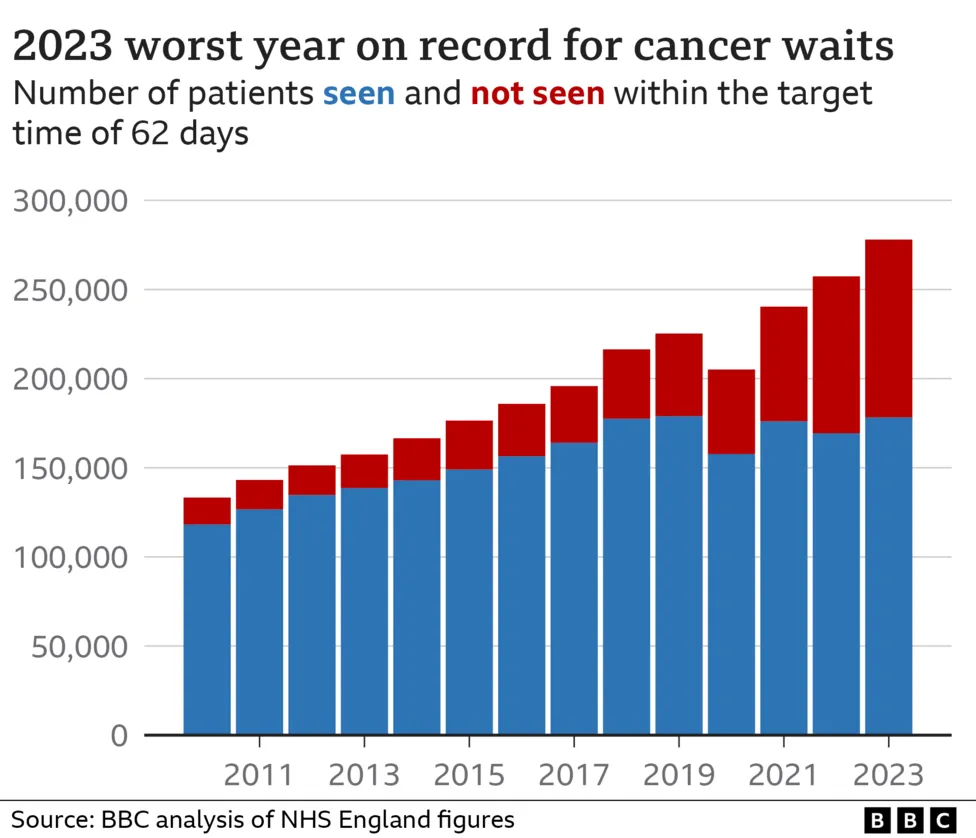
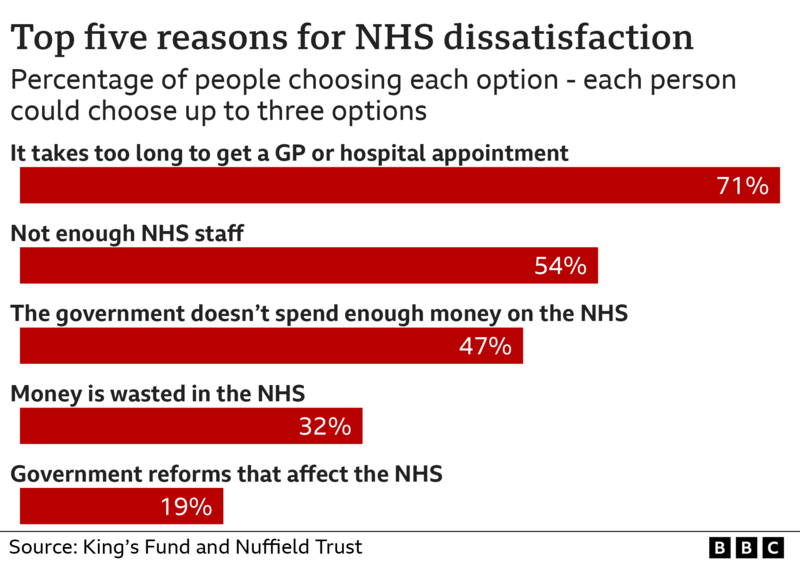
The United Kingdom is renowned for its National Health Service, a publicly funded healthcare system providing comprehensive medical care to all permanent residents, free at the point of use. The NHS offers incredible benefits, from emergency care to routine check-ups and complex surgeries. However, like any large system, it faces inherent pressures, including:
- Growing Waiting Lists: Particularly for elective procedures, specialist appointments, and diagnostic tests.
- Limited Choice: While the quality of care is high, patients often have less choice over their consultants, specific hospitals, or appointment times.
- Regional Variations: Access to certain services or specialists can vary depending on your location.
These pressures often lead individuals to consider private healthcare as a complementary option. Private Medical Insurance (PMI) is designed to give you access to private medical treatment for acute conditions, often with benefits such as:
- Reduced Waiting Times: Faster access to consultations, diagnostics, and treatment.
- Choice of Consultants: The ability to choose a consultant you trust, often with an extensive network.
- Comfort and Privacy: Private hospital rooms with en-suite facilities, more flexible visiting hours, and greater personal space.
- Convenient Appointments: Scheduling appointments at times that suit your lifestyle.
It's crucial to understand that PMI is not a replacement for the NHS, but rather a parallel system that offers choice and speed for specific types of medical conditions.
What is Private Medical Insurance (PMI)?
Private Medical Insurance, often simply referred to as health insurance, is an insurance policy that covers the cost of private medical treatment for a range of acute medical conditions.
What are Acute Conditions? An acute condition is generally defined as a disease, illness or injury that is likely to respond quickly to treatment and return you to the state of health you were in immediately before suffering the disease, illness or injury, or which will get better by itself. Examples include appendicitis, a broken bone, or cataracts.
What PMI Typically Covers: A standard PMI policy typically covers the costs associated with:
- In-patient treatment: Stays in hospital, including surgical procedures, accommodation, nursing care, and consultant fees.
- Day-patient treatment: Procedures or treatments that require a hospital bed for a day but not an overnight stay.
- Out-patient treatment: Consultations with specialists, diagnostic tests (e.g., MRI scans, X-rays), and some therapies (e.g., physiotherapy), usually up to a certain limit or requiring a GP referral.
What PMI Typically Does NOT Cover (Crucial Understanding): This is perhaps the most important aspect to grasp. Private health insurance is generally designed for new, acute conditions. It does not typically cover:
- Chronic Conditions: Any disease, illness or injury that has no known cure, requires long-term monitoring, has recurring symptoms, or requires rehabilitation. Examples include diabetes, asthma, hypertension, arthritis, and multiple sclerosis. These are typically managed by the NHS.
- Pre-existing Conditions: Any disease, illness or injury for which you have received advice, treatment, or had symptoms before taking out the policy. The exact definition and look-back period vary by insurer (often 5 years).
- Emergency Services: Accidents and emergencies are always handled by the NHS.
- Normal Pregnancy and Childbirth: While complications might be covered, routine maternity care is usually excluded.
- Cosmetic Surgery: Procedures primarily for aesthetic improvement.
- Self-inflicted Injuries or Drug/Alcohol Abuse: Conditions arising from these factors.
- Long-Term Care: Care homes or nursing facilities for age-related conditions.
- Fertility Treatment: Usually excluded, though some policies may offer limited cover.
- Experimental Treatments: Procedures not widely recognised or approved.
Understanding these distinctions is paramount when considering PMI and highlights why professional advice from a broker is so valuable. They will ensure you have realistic expectations and a clear understanding of your policy's scope.
Why You Need a Private Health Insurance Broker
The UK private health insurance market is a labyrinth of options. With over 20 major insurers and countless policy variations, trying to navigate it alone can lead to confusion, frustration, and potentially an ill-suited policy. This is precisely why a private health insurance broker becomes an indispensable asset.
Here's why engaging a broker is not just beneficial, but often essential:
- Overwhelming Choice and Complexity: Imagine comparing dozens of policies, each with different levels of cover, excesses, hospital lists, and underwriting methods. It's a full-time job. A broker simplifies this, presenting you with tailored options.
- Market Expertise: Brokers possess in-depth knowledge of the available market. They know the strengths and weaknesses of each insurer, their latest products, their claims processes, and their nuances. This expertise is almost impossible for an individual to gain.
- Tailored Solutions, Not Just Quotes: An insurer will only quote on their own products. A broker, however, looks across the available market to find a policy that genuinely fits your specific needs, budget, and circumstances. They don't have a single product to push.
- Saving Time and Money: While their service is often free to you (they are paid a commission by the insurer if you take out a policy), brokers can save you significant time in research and often find you better value for money than you might find yourself, preventing you from overpaying for cover you don't need or under-insuring yourself.
- Understanding the Fine Print: Policy documents are dense and filled with jargon. A broker can explain complex terms like "underwriting methods," "excesses," "hospital lists," and "exclusions" in plain English, ensuring you fully understand what you're buying.
- Advocacy and Support: Should you have questions about your policy, need to make a claim (though they don't process claims, they can guide you), or wish to review your cover, your broker is your dedicated point of contact, acting as your advocate.
In essence, a broker acts as your personal guide and expert, ensuring you don't just buy a policy, but invest in the right healthcare solution for your unique situation.
Get a quote through WeCovr, and a specialist from WeCovr or one of its broker partners will help you compare policies from a range of UK insurers.
The Broker's Role: Beyond Initial Comparison
The value of a broker extends far beyond merely providing a comparison table. Their service is a multi-faceted process designed to ensure optimal outcomes for their clients.
1. Understanding Your Unique Needs
This is the foundational step. A reputable broker doesn't jump straight to quotes. Instead, they engage in a comprehensive fact-finding mission to understand:
- Your Current Health Status: While they cannot cover pre-existing conditions, understanding your medical history helps them advise on suitable underwriting methods and potential exclusions.
- Your Healthcare Priorities: Are you most concerned about speed of access, choice of consultant, or comfort? Do you value mental health support or alternative therapies?
- Your Budget: What is a realistic monthly or annual premium you are comfortable with?
- Your Family Situation: Are you looking for individual cover, joint cover, or a family policy that includes children?
- Your Location: Access to hospitals and specialists can vary regionally, influencing hospital list options.
- Your Lifestyle: Do you travel frequently? Are you an athlete? These factors can influence the type of cover you need.
This detailed consultation allows the broker to paint a complete picture, ensuring their recommendations are truly personalised.
2. Expert Market Navigation and Analysis
With your needs identified, the broker then leverages their deep market knowledge. This involves:
- Accessing Panel-based Products: Unlike an insurer's direct sales team, a broker has access to policies from all major UK providers, including Aviva, Bupa, AXA Health, Vitality, WPA, National Friendly, Freedom Health, and more.
- Comparing Policy Features: They look beyond the price to compare:
- Levels of Cover: Basic, mid-range, comprehensive.
- Benefit Limits: How much may be covered for out-patient, therapies, mental health.
- Hospital Lists: From restricted local lists to extensive national networks including central London hospitals.
- Optional Extras: Are dental, optical, travel, or wellness programmes included or available?
- Demystifying Underwriting Methods: This is a crucial area where a broker provides immense value. They will explain the pros and cons of:
- Full Medical Underwriting (FMU): You complete a detailed medical questionnaire, and the insurer decides what conditions to cover or exclude upfront. This provides certainty.
- Moratorium Underwriting: No medical questions are asked initially, but the insurer applies a default exclusion period (e.g., 5 years) for conditions you've had in the preceding period (e.g., 5 years). After a claim-free period (usually 2 years) for that condition, it might become covered.
- Continued Personal Medical Exclusions (CPME): If you're switching from an existing policy, this method may allow you to transfer without re-underwriting, maintaining your existing exclusions.
- Medical History Disregarded (MHD): Primarily available for corporate schemes, where an insurer disregards past medical history.
Understanding these methods is vital, especially concerning pre-existing conditions, which are almost always excluded. A broker helps you choose the method that offers the most appropriate balance of certainty and coverage for your individual health history.
3. Crafting Tailored Recommendations
Based on their analysis, the broker will present you with a selection of options, often 2-3 of the most suitable policies. They won't just hand you a printout; they will:
- Explain the Rationale: Detail why each recommended policy is a good fit for your specific needs.
- Highlight Key Differences: Point out the pros and cons of each option, helping you weigh up factors like price, coverage limits, and hospital access.
- Address Your Questions: Patiently answer any queries you have, ensuring full clarity.
4. Streamlining the Application Process
Once you've made a decision, the broker assists with the practicalities:
- Form Completion: Guiding you through the application forms, ensuring accuracy and completeness.
- Liaison with Insurers: Handling all communication with the chosen insurer, from submission to policy issuance.
- Troubleshooting: Addressing any queries or issues that arise during the application, saving you time and stress.
This comprehensive approach ensures that the initial policy selection and setup are handled efficiently and correctly, setting the stage for a long-term, beneficial relationship.
The Lifelong Partnership: Ongoing Support from Your Broker
The purchase of a health insurance policy is not a one-off transaction. Your health needs evolve, the market changes, and your circumstances shift. This is where the "lifelong partner" aspect of a broker truly shines.
1. Annual Policy Reviews and Renewals
As your policy approaches its renewal date, your broker becomes invaluable. They will proactively:
- Assess Renewal Terms: Review the proposed new premium and any changes to your policy terms from your current insurer.
- Re-evaluate Your Needs: Discuss any changes in your health, lifestyle, or financial situation since the last review. Have you developed new acute conditions that are now covered? Have your family circumstances changed?
- Scan the Market Again: Check if there are better value options or more suitable policies available from other insurers, given your current needs and any new health information. This ensures you're always on the most suitable terms.
- Negotiate (where possible): While less common in individual PMI, for corporate schemes, brokers may have some scope to negotiate with insurers. For individuals, their value lies in finding the best current deal across our panel.
This annual review ensures your policy remains fit for purpose and cost-effective, preventing you from staying on an outdated or overpriced plan out of inertia.
2. Policy Adjustments and Mid-Term Changes
Life happens, and your policy needs to adapt. Your broker is there to assist with:
- Adding New Dependents: Getting married, having children, or adding an elderly parent (if applicable to the policy type).
- Changing Levels of Cover: Perhaps you need to increase your out-patient limit, add mental health cover, or adjust your excess.
- Amending Personal Details: Updating addresses, payment details, or names.
- Understanding Policy Implications: Explaining how these changes might affect your premiums or coverage.
3. Claim Guidance and Understanding the Process
While brokers do not process claims directly, they play a crucial advisory role:
- Clarifying Your Coverage: Before you undergo treatment, they can help you understand if a specific condition or treatment is likely to be covered by your policy, thus avoiding unexpected bills.
- Explaining the Claims Process: Guiding you on how to initiate a claim with your insurer, what information is required (e.g., GP referral, pre-authorisation), and what to expect.
- Troubleshooting Issues: If you encounter difficulties or confusion during a claim, your broker can act as an intermediary, helping to clarify misunderstandings with the insurer.
- Setting Realistic Expectations: Reinforcing the understanding of what is and isn't covered (e.g., the continued exclusion of chronic or pre-existing conditions).
4. Advocacy and Intervention
In rare instances where a client feels an insurer's decision is unclear or unfair, a broker can often step in to advocate on your behalf, using their industry relationships and knowledge to seek clarification or a review of the decision. They act as your representative, ensuring your voice is heard.
5. Health and Wellness Insights
Beyond policy administration, some modern brokers, like WeCovr, offer value-added services or insights into wellness programmes often integrated with PMI policies. We understand that health insurance is part of a broader commitment to wellbeing, and we can guide you towards resources or benefits that help you live a healthier life, often provided by insurers themselves. We believe in empowering our clients with knowledge that extends beyond just the policy document.
This continuous engagement ensures that your private health insurance remains a dynamic tool that adapts to your evolving health journey, rather than a static purchase that quickly becomes irrelevant.
Key Considerations When Choosing a Private Health Insurance Policy
When a broker presents you with options, they will guide you through various elements that determine the scope and cost of your policy. Understanding these helps you make informed choices.
1. In-patient vs. Out-patient Coverage
- In-patient: Covers treatment requiring an overnight stay in hospital. This is the core of almost all PMI policies.
- Day-patient: Covers treatment or procedures requiring a hospital bed for a day, but no overnight stay.
- Out-patient: Covers consultations with specialists, diagnostic tests (like MRI, CT, X-rays), and often therapies, without requiring a hospital admission. This is usually an optional add-on or has specific limits. Many policies offer different levels (e.g., full cover, limited cover per year, or a set number of sessions).
2. Excess and Co-payment
- Excess: An agreed amount you pay towards a claim before the insurer pays the rest. Choosing a higher excess will generally lower your premium. For example, a £250 excess means you pay the first £250 of an eligible claim.
- Co-payment (or Co-insurance): Some policies require you to pay a percentage of the treatment cost. For example, an 80/20 co-payment means the insurer pays 80% and you pay 20%. Less common in UK individual PMI but present in some schemes.
3. Hospital Lists
Insurers categorise hospitals into different lists, which affect your premium and choice of facility:
- Basic/Restricted List: Usually includes local private hospitals or private wings within NHS hospitals. Generally lower premiums.
- Comprehensive/Mid-Range List: Covers a wider selection of private hospitals across the UK, excluding some of the most expensive central London hospitals.
- Extensive/Central London List: Includes virtually all private hospitals, including the most prestigious ones in central London. This is the most expensive option.
Your broker will discuss which list suits your needs and location.
4. Underwriting Methods (Revisited for Importance)
As highlighted, this is critical, especially concerning pre-existing conditions.
| Underwriting Method | Description | Pros | Cons |
|---|---|---|---|
| Full Medical Underwriting (FMU) | You complete a detailed medical questionnaire, and the insurer decides upfront what conditions will be excluded. | Provides certainty of what is covered and what is not from day one. | Can be time-consuming; insurer may request GP reports; can lead to more exclusions if you have a complex medical history. Pre-existing conditions usually excluded. |
| Moratorium Underwriting | No initial medical questions. Instead, the insurer applies a default exclusion for any condition for which you've had symptoms, advice, or treatment in a set period (e.g., 5 years) before the policy starts. After a claim-free period (usually 2 years) for that specific condition, it may become covered. | Simpler and quicker to set up. | Less upfront certainty; requires careful monitoring of symptoms; you might not know if a condition may be covered until you claim. Pre-existing conditions usually excluded initially, or permanently if symptoms recur during moratorium period. |
| Continued Personal Medical Exclusions (CPME) | When switching insurers, your new insurer agrees to carry over the existing exclusions from your previous policy, without re-underwriting. | Useful for maintaining continuity of cover and exclusions when switching insurers. | Only applicable if you're already insured; you continue to be subject to the same exclusions from your old policy. Pre-existing conditions that were excluded on your old policy remain excluded. |
| Medical History Disregarded (MHD) | The insurer ignores your past medical history. | Comprehensive cover regardless of past conditions. | Typically only available for large corporate schemes (e.g., 20+ employees) and is generally not an option for individual or small business policies. Extremely rare for individual policies. |
A broker will carefully explain these options, particularly emphasizing how pre-existing and chronic conditions will be handled under each method, ensuring you select the most transparent and suitable approach for your health history.
5. Optional Extras
Most policies allow you to customise your cover with extras:
- Mental Health Cover: Access to private psychiatrists, psychologists, and therapies.
- Dental and Optical Cover: Contributions towards routine check-ups, treatments, glasses, and contact lenses.
- Physiotherapy/Complementary Therapies: Access to a wider range of therapists without immediate GP referral.
- Travel Cover: Health cover when travelling abroad.
- Cash Benefits: Payments for using NHS facilities for treatment that would have been covered privately.
These choices allow you to build a policy that precisely meets your needs and budget, guided by your broker's expertise.
Understanding Exclusions: What Private Health Insurance Typically Doesn't Cover
It bears repeating and detailing: understanding exclusions is as important as understanding coverage. Misconceptions about what PMI covers can lead to disappointment and financial strain.
Private health insurance policies in the UK are designed to cover the costs of diagnosis and treatment for acute medical conditions that develop after the policy has started. Here is a more detailed list of common exclusions:
-
Chronic Conditions: This is the most significant and widely misunderstood exclusion. Chronic conditions are long-term illnesses or injuries that have no known cure, require ongoing monitoring, have recurring symptoms, or require long-term rehabilitation.
- Examples: Diabetes, asthma, epilepsy, hypertension (high blood pressure), arthritis, multiple sclerosis, Crohn's disease, heart disease, long-term mental health conditions (like schizophrenia or bipolar disorder).
- Why excluded: PMI is designed for acute, curable conditions, not for ongoing management of lifelong conditions, which falls under the purview of the NHS. If an acute flare-up of a chronic condition occurs, the treatment for that acute flare-up might be covered, but the ongoing management of the underlying chronic condition will not be.
-
Pre-existing Conditions: Any disease, illness, or injury for which you have already received symptoms, advice, or treatment within a specified period (e.g., 5 years) before the start date of your policy.
- Why excluded: This prevents individuals from taking out insurance only when they know they need immediate treatment for an existing problem.
- Important Note: Depending on your underwriting method (e.g., moratorium), a pre-existing condition might eventually become covered after a specified claim-free period for that condition, but this is not guaranteed and requires careful understanding of your policy terms.
-
Emergency Treatment: Accident and Emergency (A&E) services, ambulance services, or urgent care for life-threatening conditions are always provided by the NHS. PMI does not cover these. If you're stabilised at an NHS hospital and need ongoing elective private treatment, your insurer might then cover the transfer and subsequent private care.
-
Normal Pregnancy and Childbirth: Routine maternity care, including antenatal and postnatal care, and uncomplicated deliveries, are typically excluded. Some policies may cover complications arising from pregnancy, or offer cash benefits for using NHS maternity services.
-
Cosmetic Surgery: Procedures primarily for aesthetic purposes, rather than medical necessity (e.g., breast augmentation purely for appearance, not post-mastectomy reconstruction).
-
Self-Inflicted Injuries, Drug and Alcohol Abuse: Treatment arising from intentional self-harm or conditions directly linked to drug or alcohol dependency.
-
HIV/AIDS: While some policies may offer limited benefits, comprehensive long-term care for HIV/related conditions is often excluded.
-
Fertility Treatment: Routine fertility investigations or treatments (e.g., IVF) are generally excluded.
-
Overseas Treatment: Unless you have specific international cover or travel insurance added to your policy, treatment received outside the UK is not covered.
-
Experimental or Unproven Treatment: Procedures, drugs, or technologies that are not widely accepted, licensed, or recognised by the medical community as standard treatment for a condition.
-
Long-Term Care/Geriatric Care: Nursing home fees, domiciliary care, or any form of long-term care for age-related conditions or disabilities.
Your broker will provide explicit details on these exclusions and how they apply to the policies they recommend. It's vital to have an open conversation about your medical history and any concerns you have to ensure you fully grasp the limitations of your chosen policy.
Get a quote through WeCovr, and a specialist from WeCovr or one of its broker partners will help you compare policies from a range of UK insurers.
Real-Life Scenarios: How a Broker Makes a Difference
Let's illustrate the broker's impact with a few common scenarios:
Scenario 1: The Young Professional, New to PMI
- Client: Sarah, 28, earns well, wants faster access to care, but is budget-conscious. No significant medical history.
- Challenge: Overwhelmed by online comparisons, unsure about "excess," "hospital lists," and "underwriting."
- Broker's Role:
- Explained Full Medical Underwriting (FMU) vs. Moratorium, advising FMU for certainty given her clean health record.
- Recommended a policy with a mid-range hospital list (excluding central London to save cost) and a moderate excess.
- Highlighted optional out-patient mental health cover, which Sarah valued.
- Walked her through the application, ensuring all details were correct.
- Outcome: Sarah secured a comprehensive policy that met her needs and budget, understood exactly what she was buying, and felt confident in her choice.
Scenario 2: The Family with Growing Children
- Client: The Roberts family, two adults and two young children. One child has had recurring ear infections in the past.
- Challenge: Concerned about NHS waiting lists for paediatric ENT specialists. Worried about the ear infections being a "pre-existing condition."
- Broker's Role:
- Discussed the child's ear infections and how they might be treated under Moratorium vs. FMU. Explained the implications of it being a pre-existing condition and its potential for exclusion, or being covered after a clear period.
- Recommended a family policy with excellent paediatric care options and comprehensive out-patient benefits for diagnostic tests.
- Showcased policies with integrated wellness programmes that offer digital GP services and discounts on family activities.
- Outcome: The Roberts family chose a policy that gave them peace of mind regarding their children's access to specialists, fully understanding how the past ear infections would be treated under the policy.
Scenario 3: The Established Professional Considering a Switch
- Client: David, 55, has had PMI for 15 years with the same insurer. Premium has risen significantly, and he's had a few minor claims over the years.
- Challenge: Worried about switching due to his age and past claims, fearing new exclusions.
- Broker's Role:
- Evaluated David's current policy against the latest market offerings, focusing on Continued Personal Medical Exclusions (CPME) to carry over his existing exclusions without re-underwriting.
- Identified a competitor offering similar or better cover at a substantially lower premium, despite his claims history, due to better pricing for his age group.
- Explained that while his old claims were unlikely to be covered by a new policy (as they were no longer acute), the new policy could still cover future acute, unrelated conditions.
- Outcome: David switched insurers seamlessly, saving hundreds of pounds annually while maintaining a similar level of cover and understanding exactly what his new policy covered from day one. He continued to be covered for any new, acute conditions.
These examples underscore that a broker's expertise isn't just about finding the lower-cost deal, but about finding the right deal, explaining the complexities, and providing ongoing support throughout your health insurance journey.
Choosing the Right Broker
Just as choosing a strong fit for your needs is crucial, so too is selecting the right broker. Here are key attributes to look for:
-
Independence and Panel-based Access: Ensure they are not tied to a single insurer and can genuinely compare policies from all major providers. This is designed to give you get unbiased advice. A WeCovr specialist or trusted broker partner pride ourselves on being panel-based, allowing us to find you the most suitable coverage from all major insurers.
-
Experience and Qualifications: Look for brokers with a proven track record and appropriate financial conduct authority (FCA) regulation. This ensures they operate ethically and professionally.
-
Client-Centric Approach: Do they genuinely listen to your needs? Are they patient in explaining complex terms? Do they prioritise your interests over making a quick sale? Read testimonials and reviews.
-
Service Model: Do they offer the type of interaction you prefer (phone, online, face-to-face)? Do they offer proactive annual reviews?
-
Transparency: Are they transparent about how they are paid (typically by commission from the insurer, meaning their service is at no direct cost to you)? Are they clear about what policies cover and, crucially, what they exclude?
-
Ongoing Support Commitment: Confirm their commitment to being a "lifelong partner," not just for the initial purchase but for renewals, adjustments, and ongoing advice. This is where WeCovr truly shines, providing continuous support and guidance throughout your policy's lifetime, all with no separate broker fee. A WeCovr specialist or trusted broker partner can help you navigate the most suitable coverage options from all major insurers, making your health insurance journey simple and stress-free.
When you engage with a broker, consider it an interview process. Ask questions, assess their responsiveness, and trust your instincts. The right broker will feel like a trusted advisor, not a salesperson.
The Future of Private Health Insurance and the Broker's Enduring Role
The private health insurance landscape is continually evolving, driven by technological advancements, changing consumer expectations, and shifts in the broader healthcare environment.
- Digitalisation: More insurers are offering digital GP services, virtual consultations, and AI-powered health tools. Brokers will help clients understand and leverage these digital benefits.
- Personalisation: Policies are becoming increasingly tailored to individual lifestyles, with rewards for healthy living and more granular customisation options. Brokers will be key in navigating these highly personalised offerings.
- Wellness Integration: Beyond just covering illness, PMI is increasingly focusing on preventative health and wellbeing programmes. Brokers can guide clients towards policies that offer these value-added services.
- Complexities Remain: Despite these advancements, the core complexities of underwriting, exclusions (especially around pre-existing and chronic conditions), and comparing intricate policy terms will persist. This ensures the broker's role remains vital.
As the market grows more sophisticated, the need for expert guidance only intensifies. The broker will continue to serve as the bridge between the intricate world of insurance and the individual client, ensuring informed decisions and optimised health outcomes. They will remain the constant, trusted advisor in a dynamic healthcare landscape.
Conclusion
In a world where healthcare choices are becoming increasingly varied and complex, the traditional role of a private health insurance broker has evolved dramatically. They are no longer simply facilitators of a sale but strategic partners in your long-term health and wellbeing journey.
From deciphering the intricacies of policy documents and underwriting methods (with a clear focus on understanding exclusions for pre-existing and chronic conditions) to providing ongoing support through annual reviews and life changes, a dedicated specialist at WeCovr or one of our broker partners offers invaluable expertise, time-saving convenience, and peace of mind.
By choosing to work with a reputable, panel-based broker, you are not just purchasing a policy; you are investing in expert guidance, ongoing advocacy, and a lifelong partnership designed to ensure you always have the most suitable and cost-effective private medical insurance for your unique needs. Your health is your wealth, and with the right broker by your side, you can protect it with confidence and clarity.
Sources
- NHS England: Waiting times and referral-to-treatment statistics.
- Office for National Statistics (ONS): Health, mortality, and workforce data.
- NICE: Clinical guidance and technology appraisals.
- Care Quality Commission (CQC): Provider quality and inspection reports.
- UK Health Security Agency (UKHSA): Public health surveillance reports.
- Association of British Insurers (ABI): Health and protection market publications.
Important Information and Risks
No advice: This article is for general information only. It is not financial, legal, insurance, or tax advice, and it is not a personal recommendation. WeCovr does not assess your individual circumstances or recommend a specific product through this article.
Policy exclusions and underwriting: Insurance policies, including life insurance, private medical insurance, critical illness cover, and income protection, are subject to insurer underwriting, eligibility, acceptance criteria, terms, conditions, limits, and exclusions. Pre-existing medical conditions may be excluded, restricted, or accepted on special terms unless an insurer confirms otherwise in writing.
Tax treatment: References to tax treatment, HMRC rules, or business reliefs are based on current UK legislation and guidance, which can change. Tax treatment depends on your personal or business circumstances and may differ from examples in this article.
Before you buy: Always read the Insurance Product Information Document (IPID), policy summary, and full policy terms before buying, renewing, changing, or keeping cover. If you are unsure whether a policy is suitable for you, speak to an insurance adviser.
Start with your Protection Score, then decide whether private health cover is the right fit
Check where health access sits in your overall protection picture before deciding whether to compare private health cover.
Spot whether NHS access risk is the real issue
See if PMI is the gap to fix first
Get health insurance help only if it makes sense for you
Get your score
Start with your protection score
Check your current position first, then get health insurance help if you need it.
Check your current resilience
Score your income, health access and family protection position in a few minutes.
See where private cover helps
Understand whether faster diagnosis and treatment is a priority gap.
Continue to tailored PMI help
If health access is the issue, continue to tailored PMI help.
What you get
A quick view of your current protection position
A clearer idea of where the biggest gaps may be
A direct route to tailored help if you want it