TL;DR
While the NHS excels in emergency care and chronic condition management, private medical insurance in the UK typically offers faster access to planned treatments and enhanced comfort. WeCovr, an FCA-regulated broking firm, and its broker partners can help you compare options to find a suitable policy.
Key takeaways
- The NHS provides comprehensive, free-at-point-of-use care including emergencies.
- Private healthcare typically offers faster access to elective treatments.
- PMI is designed for acute conditions arising after your policy starts.
- Chronic and pre-existing conditions are usually excluded from private cover.
- WeCovr and its broker partners help you compare policies.
When considering your healthcare options in the UK, a common question is whether private healthcare is "better" than the National Health Service (NHS). In reality, neither system is objectively superior in every scenario; they serve different purposes and often work very well alongside each other.
The NHS provides comprehensive, free-at-point-of-use care, which includes life-saving emergency treatment and the long-term management of chronic diseases. Private healthcare, usually funded through private medical insurance (PMI) or self-paying, typically offers faster access to elective (planned) treatments, a choice of consultants, and private hospital rooms.
WeCovr is an FCA-regulated broking firm. If you are exploring your options, a specialist at WeCovr or one of its broker partners can help you understand these differences and compare UK private medical insurance policies to find a suitable fit for your circumstances.
A balanced look at private healthcare benefits, such as private rooms and fast-tracked treatments, versus the comprehensive, free-at-point-of-use NHS
To understand how the two systems compare, it helps to look at where each one excels.
What the NHS does well
The NHS is the backbone of UK healthcare. Its primary strengths lie in its comprehensive nature and its ability to handle complex, urgent, and long-term medical needs:
- Accident and Emergency (A&E): The NHS is unmatched for emergency care. If you suffer a severe injury, a heart attack, or a stroke, you need the rapid, intensive care provided by an NHS A&E department. Private hospitals generally do not have A&E facilities.
- Chronic condition management: The NHS manages long-term, incurable conditions such as diabetes, asthma, and epilepsy. This includes regular monitoring, ongoing prescriptions, and specialist clinics.
- Free at the point of use: NHS treatment is funded by taxation, meaning you do not receive a medical bill for your care, regardless of how complex or expensive your treatment is.
Where private healthcare adds value
Private healthcare is generally designed to complement the NHS by focusing on elective, non-emergency care. People often choose private medical insurance for the following benefits:
- Shorter waiting times: One of the main reasons people explore private cover is to bypass NHS waiting lists for planned procedures, such as joint replacements or cataract surgery.
- Faster diagnostics: Private healthcare can often provide quicker access to diagnostic tests. For example, if you are concerned about joint pain, you might look into private MRI scan costs or use a PMI policy to get scanned and diagnosed promptly.
- Choice and control: Private patients often have the flexibility to choose their consultant, the hospital they are treated in, and a convenient time for their appointments or surgery.
- Enhanced facilities: Private hospitals typically offer private en-suite rooms, unrestricted visiting hours, and a wider menu of food options, making a hospital stay more comfortable.
- Access to certain treatments: Some private policies may cover specific drugs or therapies that are not currently approved or funded by the NHS, subject to the insurer's terms and conditions.
Key differences between NHS and private healthcare
The table below highlights the general differences between the two systems for a typical patient in the UK.
| Feature | The NHS | Private Healthcare (via PMI) |
|---|---|---|
| Cost at point of use | Free | Funded via insurance premiums, plus any policy excess |
| Emergency care (A&E) | Comprehensive, 24/7 emergency departments | Not typically covered; emergencies are directed to the NHS |
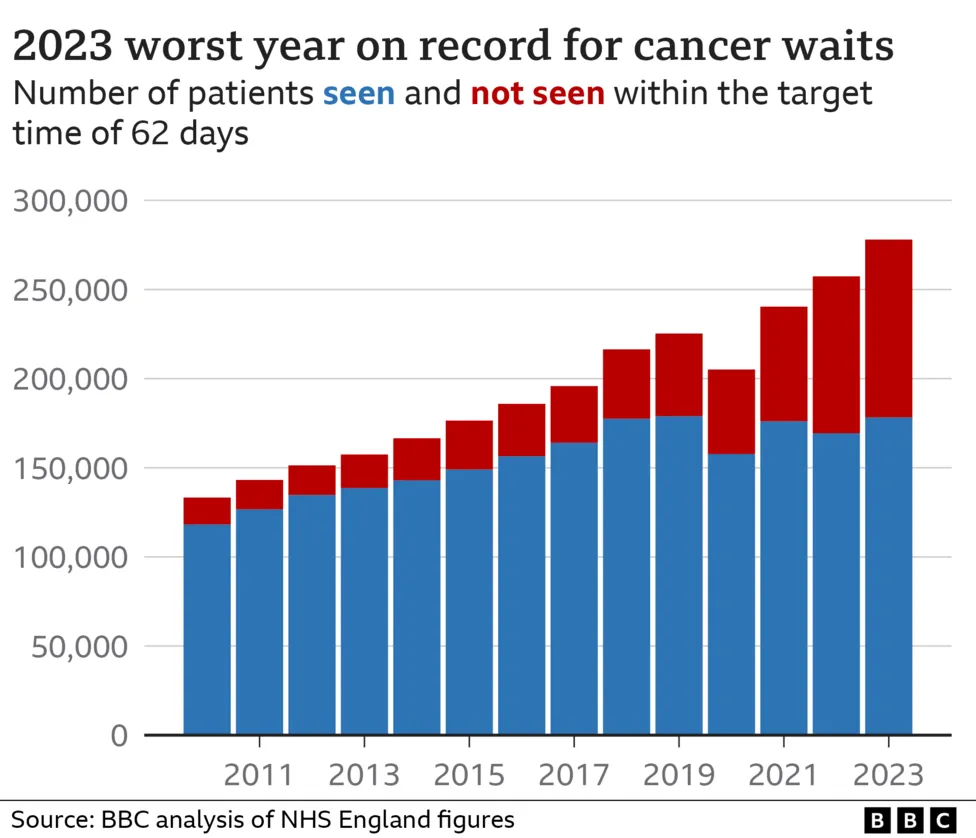
| Waiting times | Can be lengthy for non-urgent, elective treatments | Usually much shorter for consultations, diagnostics, and surgery |
| Hospital accommodation | Usually shared wards | Typically private, en-suite rooms |
| Choice of specialist | Assigned based on availability and location | You can often choose your consultant from an approved list |
| Chronic conditions | Fully managed and monitored | Ongoing management is generally excluded |
Understanding what private medical insurance covers
If you decide to take out private medical insurance, it is vital to understand how it works. Standard UK PMI is designed to cover acute conditions that start after your policy begins. An acute condition is a disease, illness, or injury that is likely to respond quickly to treatment and return you to your previous state of health.
Pre-existing and chronic conditions
Private health insurance is not designed to cover everything. Two major limitations to be aware of include:
- Pre-existing conditions: Medical issues you have experienced before taking out the policy are usually excluded from cover. The exact way these are excluded depends on your chosen underwriting method (such as moratorium or full medical underwriting).
- Chronic conditions: A chronic condition is an illness that cannot be cured and requires ongoing management, such as arthritis or diabetes. While a PMI policy might cover the initial diagnosis or an acute flare-up of a chronic condition, the ongoing, routine management of the illness is generally not covered.
When arranging cover, it is important to balance the benefits with these limitations. Policies also typically include an excess (an amount you pay towards a claim) and may have financial limits on certain benefits, such as outpatient consultations or physiotherapy.
How NHS and private healthcare work together
Choosing private healthcare does not mean you lose your right to use the NHS. In fact, the two systems frequently work together.
For example, imagine you develop knee pain. You might visit your NHS GP for an initial assessment. If they recommend a specialist, you could use your private medical insurance to see an orthopaedic consultant and have surgery privately, avoiding a long wait. Once you have recovered, any unrelated future health issues—or emergencies—would still be handled by the NHS.
Important Emergency Guidance: In any medical emergency, you must call 999 or go to your nearest A&E department. For urgent but non-life-threatening problems, call NHS 111. In a mental health crisis, call 999, NHS 111 (mental health option), or the Samaritans on 116 123. Never contact your insurer, WeCovr, or a broker partner first in an emergency. Private medical insurance does not cover A&E visits.
Is private medical insurance right for you?
Deciding whether to rely solely on the NHS or to add private medical insurance to your healthcare strategy depends on your personal priorities, your budget, and your health history.
If you value the peace of mind that comes with knowing you could access prompt elective treatment and private facilities if you fall ill, PMI may be a suitable option for your circumstances. To understand the financial commitment, you might want to research how much private health insurance costs, as premiums vary widely based on your age, location, and the level of cover you select.
As an added benefit, eligible customers who arrange a policy may receive complimentary access to WeCovr's AI calorie tracking app, CalorieHero. Furthermore, WeCovr may offer discounts on other types of cover to eligible customers who take out both PMI and Life insurance, subject to terms and conditions.
Get a quote through WeCovr, and a specialist from WeCovr or one of its broker partners will help you compare policies from a range of UK insurers.
Getting help to compare your options
Because policies, exclusions, and underwriting methods vary significantly between insurers, getting professional support can make the process much clearer. A specialist at WeCovr or one of its broker partners can help you compare policies from a range of UK insurers to find an appropriate level of cover for your needs.
This service comes at no extra cost to you. WeCovr and its broker partners are usually paid a commission by the insurer when a policy is arranged. Most brokers on WeCovr's panel do not charge a separate fee for health insurance, but please confirm this with your broker before you buy.
Frequently Asked Questions
Does private health insurance cover A&E visits?
Will private medical insurance cover my pre-existing conditions?
Can I use both the NHS and private healthcare at the same time?
Does private healthcare cover chronic conditions like diabetes?
Sources
- NHS England — Consultant-led Referral to Treatment Waiting Times, 2025
- Financial Conduct Authority — Financial Lives Survey, 2024
Important Information and Risks
No advice: This article is for general information only. It is not financial, legal, insurance, or tax advice, and it is not a personal recommendation. WeCovr does not assess your individual circumstances or recommend a specific product through this article.
Policy exclusions and underwriting: Insurance policies, including life insurance, private medical insurance, critical illness cover, and income protection, are subject to insurer underwriting, eligibility, acceptance criteria, terms, conditions, limits, and exclusions. Pre-existing medical conditions may be excluded, restricted, or accepted on special terms unless an insurer confirms otherwise in writing.
Tax treatment: References to tax treatment, HMRC rules, or business reliefs are based on current UK legislation and guidance, which can change. Tax treatment depends on your personal or business circumstances and may differ from examples in this article.
Before you buy: Always read the Insurance Product Information Document (IPID), policy summary, and full policy terms before buying, renewing, changing, or keeping cover. If you are unsure whether a policy is suitable for you, speak to an insurance adviser.
Compare private health insurance quotes from leading UK insurers
Answer a few quick questions and a specialist from WeCovr or one of its broker partners will help you compare cover from insurers such as Bupa, AXA, Aviva and Vitality. No obligation.
Takes about 2-3 minutes
Compare cover from leading UK insurers
No obligation to buy
Get a quote
Get a private health insurance quote
Answer a few questions, then a specialist helps you compare cover and prices.
Tell us who needs cover
Just you, a partner, your family or your staff.
Compare your options
A specialist compares cover and prices from leading UK insurers.
Decide in your own time
There is no obligation to buy.
What you get
A specialist from WeCovr or one of its broker partners
Options compared across leading UK insurers
No obligation to buy